No documented caves in Vermont meet the criteria for this list.
Note the list seeks documented, accessible caves with GPS, ownership/access rules, and published descriptions. Vermont does not have known, well-mapped karst cave systems that match those strict criteria. Do not expect large public show caves or extensive wild cave networks inside the state that can be listed with full access details.
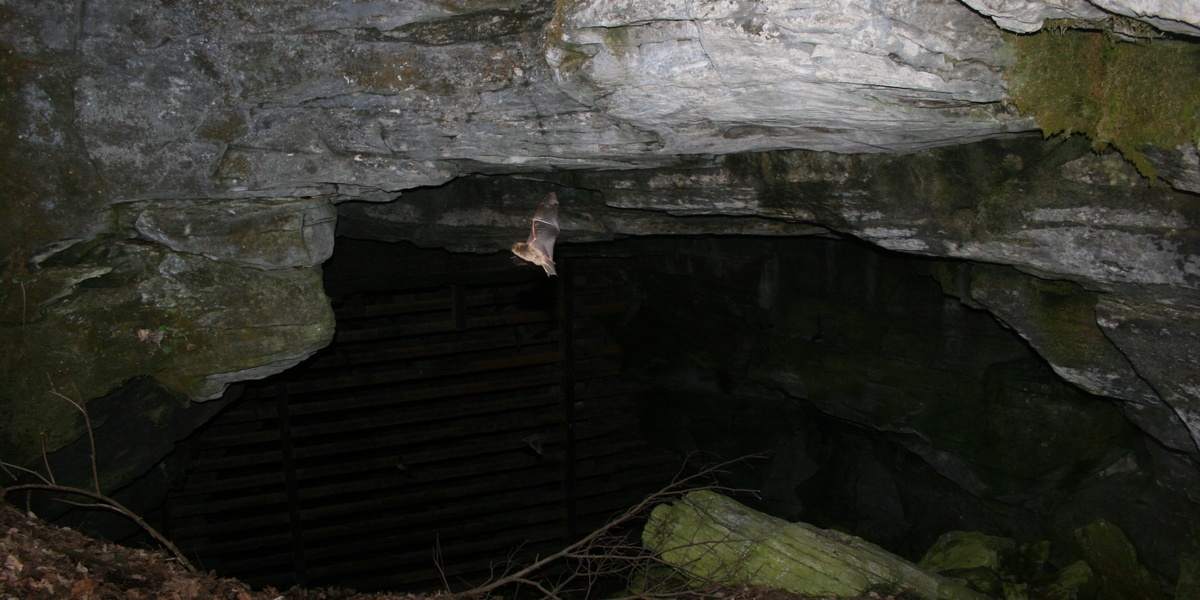
Understand why this result occurs. Vermont’s bedrock is mainly hard metamorphic rock and has been heavily reshaped by glaciers. Those conditions limit the development of large solution caves like the limestone caverns found elsewhere. Many underground voids in Vermont are small rock shelters, talus (boulder) cavities, mine adits, or man-made quarry openings rather than true cave systems with mapped passages and public access.
Consider close alternatives and related categories to explore instead. Look for talus caves and rock shelters in the Green Mountains, old marble and slate quarries and mine adits (exercise caution and get permission), and protected bat hibernacula that are closed to public entry. For traditional show caves and guided spelunking, check nearby states (for example, Howe Caverns in New York or Lost River Gorge and Boulder Caves in New Hampshire). Consult the Vermont Geological Survey, local caving clubs, and state park offices for safe, legal places to visit and for updated site information.