From backyard flowerbeds to roadside meadows and orchard edges, the insects and other animals that move pollen determine which plants set seed and feed wildlife. Noticing who visits flowers can change how you plant and manage space, whether you care about fruit, native plants, or just more color next season.
There are 63 Pollinators, ranging from Ant-mimicking and small specialized flies to Weevils (pollinating weevils). For each entry we list Scientific name, Type, Range & typical plants — you’ll find below.
How can I attract the different pollinators listed?
Plant a variety of native species that bloom at different times, provide flat and tubular flowers for different tongue lengths, leave some bare ground or hollow stems for nesting, offer shallow water, and avoid broad‑spectrum pesticides; small changes like a mix of native asters, legumes and early spring bloomers will bring many of the groups on the list.
How should I use the “Scientific name, Type, Range & typical plants” columns?
Use the Scientific name to confirm species, the Type to understand behavior, and Range to check local relevance; the typical plants column tells you which species to plant or protect to support each pollinator, so match that to your local climate and garden goals.
Pollinators
| Common name | Scientific name | Type | Range & typical plants |
|---|---|---|---|
| Honey bee | Apis mellifera | bee | Worldwide (introduced); apples, clover, canola, many wildflowers |
| Bumblebee | Bombus spp. | bee | Temperate regions (Northern Hemisphere); legumes, red clover, brambles, tubular spring flowers |
| Carpenter bee | Xylocopa spp. | bee | Tropical to temperate; morning glories, passionflowers, pea-family blossoms, large tubular flowers |
| Mason & leafcutter bees | Osmia spp./Megachile spp. | bee | Temperate regions worldwide; fruit-tree blossoms, spring wildflowers, legumes |
| Sweat bees | Halictidae (various genera) | bee | Worldwide; composites, legumes, small open flowers, early-season blooms |
| Mining bees | Andrena spp. | bee | Temperate zones; fruit trees, willows, spring-flowering shrubs and bulbs |
| Orchid bees | Euglossini (Euglossa, Eulaema) | bee | Neotropics; orchids, large tubular tropical flowers, aromatic plants |
| Stingless bees | Meliponini (Tetragonula, Trigona) | bee | Tropical and subtropical; native fruit trees, melastomes, generalist tropical flowers |
| Orchard solitary bees (Osmia bicornis, etc.) | Osmia bicornis and relatives | bee | Europe and temperate regions; fruit-tree blossoms, early spring flowers, wild cherries |
| Honey possum | Tarsipes rostratus | small mammal | Southwest Australia; banksias, grevilleas, eucalyptus nectaring flowers |
| Pygmy possum | Cercartetus spp. | small mammal | Australia and Tasmania; eucalypts, banksias, melaleucas, eucalyptus |
| Sugar glider | Petaurus breviceps | small mammal | Australia, New Guinea; eucalypts, banksias, melalegas and nectar-rich blossoms |
| Ruffed lemur | Varecia variegata | small mammal | Madagascar (eastern forests); traveler’s palm, large tube-shaped tropical flowers, wild gingers |
| Rodent pollinators | Various Muridae species (e.g., Aethomys,Rhabdomys) | small mammal | Southern Africa and other regions; proteas, ericas, ground-level bowl-shaped flowers |
| Flying foxes (fruit bats) | Pteropus spp. | bat | Tropical Asia, Australia, Pacific; durian, kapok, native forest blossoms, eucalyptus |
| Nectar-feeding bat (Glossophaga) | Glossophaga soricina | bat | Neotropics; columnar cacti, agaves, night-blooming flowers, balsa trees |
| Lesser long-nosed bat | Leptonycteris yerbabuenae | bat | North and Central America; agave, saguaro cactus, columnar cacti, night-blooming trees |
| Nectar bat (Syconycteris) | Syconycteris australis | bat | New Guinea, northern Australia; eucalypts, rainforest flowers, small tubular blossoms |
| Hummingbird | Trochilidae (e.g., Calypte anna) | bird | Americas; tubular red flowers, columbines, fuchsias, trumpet vines |
| Sunbird | Nectariniidae (Cinnyris and others) | bird | Africa, Asia; tubular tropical flowers, hibiscus, coral trees, bottlebrush |
| Honeyeater | Meliphagidae (e.g., Australian honeyeaters) | bird | Australasia; eucalypts, banksias, grevilleas, bottlebrush |
| Lorikeet | Trichoglossus (rainbow lorikeet) | bird | Australasia; eucalyptus, banksia, grevillea, flowering gums |
| Hawaiian honeycreeper (‘i’iwi) | Drepanis coccinea | bird | Hawaii; native lobeliads and tubular red flowers on high-elevation forests |
| Monarch butterfly | Danaus plexippus | butterfly | North/Central America; milkweeds (larvae), asters and goldenrod (nectar) |
| Swallowtail butterfly | Papilio spp. | butterfly | Worldwide in temperate and tropical zones; large flowers, citrus blossoms, garden plants |
| Painted lady | Vanessa cardui | butterfly | Worldwide; thistles, asters, clovers, knapweeds |
| Skipper butterflies | Hesperiidae (various genera) | butterfly | Worldwide; legumes, asters, grasses-associated flowers, small tubular blooms |
| Hawk moth (sphinx moth) | Sphingidae (e.g., Manduca sexta) | moth | Worldwide; night-blooming tubular flowers, petunias, moonflower, orchids |
| Noctuid moths | Noctuidae (various genera) | moth | Worldwide; night-blooming flowers, jasmine, evening primrose, garden blossoms |
| Silkmoth & giant moths | Saturniidae (Actias, Antheraea) | moth | Worldwide in forests; large bowl-shaped flowers, some tree blossoms, night-bloomers |
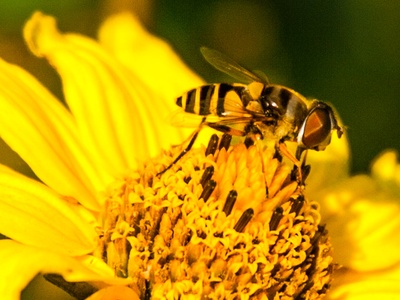
| Hoverflies | Syrphidae (various genera) | fly | Worldwide; umbellifers, garden flowers, composites, early spring bulbs |
| Biting midges (cocoa midges) | Forcipomyiidae (Forcipomyia spp.) | fly | Tropical regions; cacao flowers, small gingers, understory tropical blossoms |
| Bee flies | Bombyliidae (various genera) | fly | Worldwide in open, sunny habitats; wildflowers, composites, spring blossoms |
| Blowflies and carrion flies | Calliphoridae (Lucilia and others) | fly | Worldwide; carrion-mimic flowers, Stapelia-like plants, some tropical blossoms |
| Tachinid flies | Tachinidae (various genera) | fly | Worldwide; composites, umbellifers, garden flowers, nectar sources |
| Fig wasps | Agaonidae (various species) | wasp | Pantropical; Ficus species (fig trees) worldwide |
| Pollen wasps | Masarinae (various genera) | wasp | Afrotropical and some arid regions; flowers of Cucurbitaceae, small tubular blooms |
| Weevils (pollinating weevils) | Curculionidae (various genera) | beetle | Worldwide; cycads, palms, nut-like and leathery flowers, some Proteaceae |
| Flower beetles (scarabs) | Cetoniinae (various genera) | beetle | Tropical/subtropical; magnolias, palm inflorescences, large bowl-shaped flowers |
| Longhorn beetles | Cerambycidae (various genera) | beetle | Worldwide; large bowl-shaped flowers, umbels, some tree blossoms |
| Beetle pollination guild (general) | Various beetle families (Scarabaeidae, Cerambycidae, Nitidulidae) | beetle | Global in tropical and temperate zones; primitive bowl-shaped, strong-scented flowers, magnolias, arums |
| Midges (non-biting Chironomidae & others) | Chironomidae and related families | fly | Worldwide; small bowl-shaped and humid understory flowers, some orchids |
| Ant-mimicking and small specialized flies | Micropezidae, Phoridae (selected genera) | fly | Tropical and temperate; specialized orchid-like and trap flowers, small blossoms |
| Cacao midges (Forcipomyia coffeae etc.) | Forcipomyiidae (Forcipomyia spp.) | fly | Tropical; cacao, some gingers and small understory flowers |
| Carpenter bee (tunnel-nesting species) | Xylocopa spp. (tunnel-nesters) | bee | Tropical and subtropical; large open flowers, legumes, passionflower |
| Stingless bee (meliponine crop pollinators) | Trigona/Tetragonula spp. | bee | Tropical Americas, Africa, Asia; coffee, cacao, fruit trees, native understory flowers |
| Small birds (general nectarivores) | Various passerines (e.g., sunbirds, honeyeaters) | bird | Tropical and temperate regions; garden and wild tubular flowers, bottlebrush, hibiscus |
| Moth hawk (night pollinators group) | Nocturnal Lepidoptera (multiple families) | moth | Worldwide; night-blooming tubular or white blossoms, evening primrose, jasmine |
| Cuckoo bees excluded (note: cleptoparasites generally not listed) | Multiple genera (e.g., Nomada) | bee | —;— |
| Small mammal nectarivores (other than possums) | Various small marsupials and rodents (region-specific) | small mammal | Australia, Africa; banksias, proteas, ground-level tubular flowers |
| Sea bird/Other taxa excluded | — | — | — |
| Moonlight moth specialists (example species) | Hyles lineata and similar sphingids | moth | Americas; evening primrose, petunias, tubular night-bloomers |
| Native solitary bee assemblage (general) | Various families: Andrenidae, Megachilidae, Colletidae | bee | Global in temperate regions; spring bulbs, native shrubs, open wildflowers |
| Therophilous beetles (dry-flower specialists) | Various scarab and nitidulid species | beetle | Tropical and temperate; dry, cup-shaped, and robust flowers, some Asteraceae |
| Native fly pollinators (general) | Various small Diptera (Empididae, Dolichopodidae) | fly | Worldwide; small umbellifers, wetland flowers, shaded garden blooms |
| Mallophagan and other non-pollinating insects excluded | — | — | — |
| Bumblebee (long-tongued specialists) | Bombus hortorum and relatives | bee | Europe and temperate Asia; long-tubed flowers like honeysuckle, penstemon, foxglove |
| Syrphid fly (crop pollinator example) | Episyrphus balteatus and relatives | fly | Europe, temperate regions; brassicas, umbellifers, garden flowers, strawberries |
| Sunbird (long-billed specialist) | Cinnyris asiaticus and relatives | bird | South and Southeast Asia; tubular red/ornate flowers, Butea, coral trees |
| Fig wasp (example species) | Blastophaga psenes and other agaonids | wasp | Mediterranean to tropics depending on fig host; Ficus carica and related figs |
| Hawkmoth (sphingid specialist example) | Xanthopan morganii praedicta | moth | African and Asian tropics; long-tubed orchids and Darwin’s orchid-like flowers |
| Small carpenter bees (Ceratina) | Ceratina spp. | bee | Worldwide in temperate/tropical zones; small open flowers, composites, legumes |
| Dawn and dusk butterflies (Crepuscular species) | Various species (e.g., some Hedylidae/Noctuoidea) | butterfly | Tropical and temperate; crepuscular flowers, early-opening blossoms |
Images and Descriptions
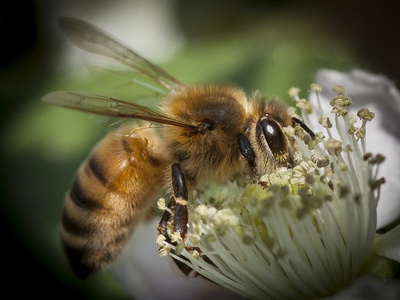
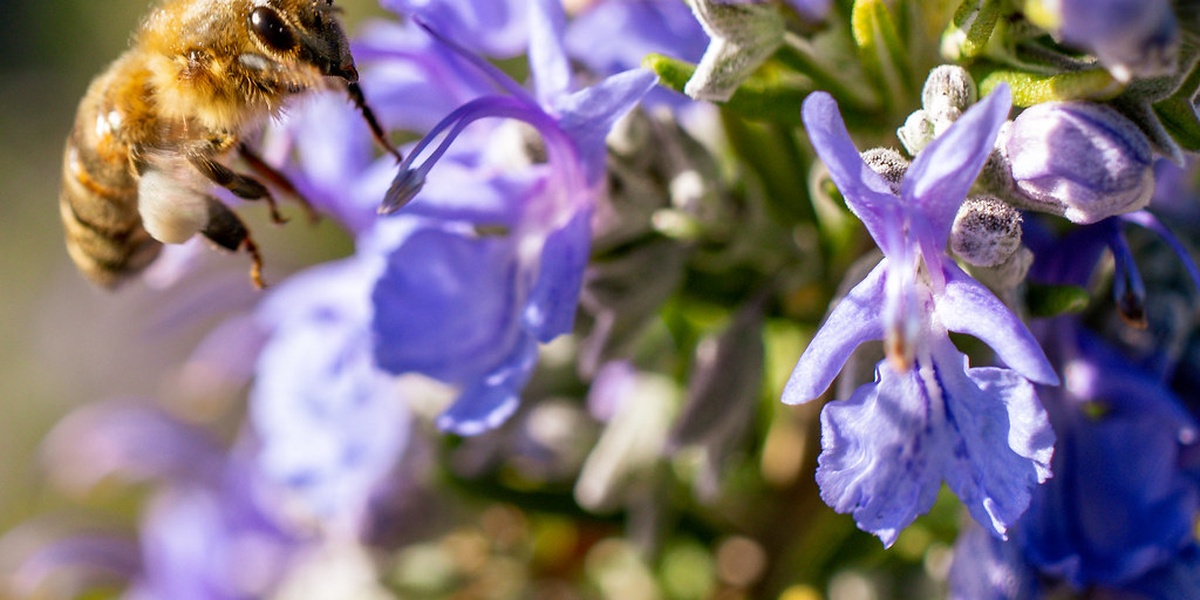
Honey bee
A social bee kept worldwide for honey and crop pollination. Active daytimes in fields and gardens; visits diverse blossoms. Key crop pollinator—support by planting diverse, pesticide-free blooms and leaving nesting habitat or managed hives near crops.
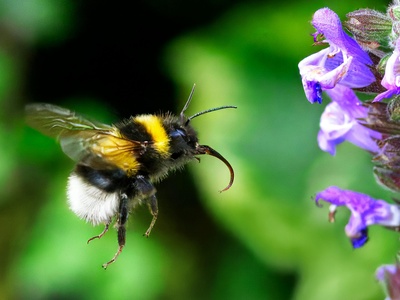
Bumblebee
Furry, robust bees that fly in cool weather and buzz-pollinate tomatoes and blueberries. Seen in gardens and meadows from spring to autumn. Help by leaving undisturbed nesting sites, planting native spring flowers, and avoiding pesticides.
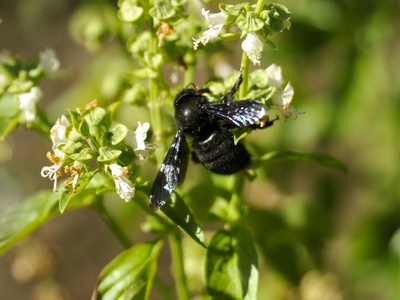
Carpenter bee
Large, solitary bees that bore into wood to nest and pollinate large, open flowers. Often mistaken for bumblebees; males hover defensively. Provide dead wood or blocks and plant large, nectar-rich flowers.
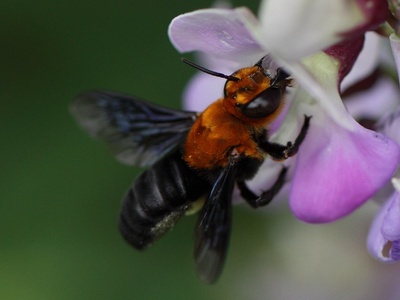
Mason & leafcutter bees
Solitary cavity-nesting bees excellent for orchard pollination; females provision nests with pollen. Active in spring and early summer. Support with bee hotels, small stems, and pesticide-free fruit tree plantings.
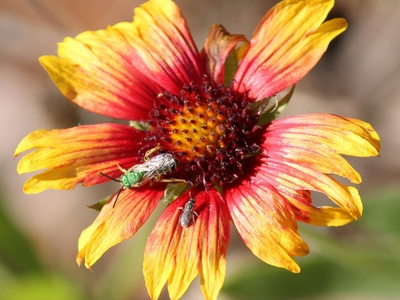
Sweat bees
Small, often metallic bees visiting many garden flowers and wild plants. Some nest in ground aggregations and are important early-season pollinators. Leave patches of bare soil and plant native wildflowers to help them thrive.
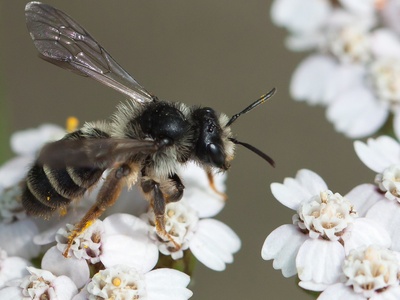
Mining bees
Ground-nesting, solitary spring bees that often appear in large numbers when orchard blossoms open. Efficient pollen carriers for early crops. Preserve bare sunny soil patches and avoid spring tilling and insecticide use.
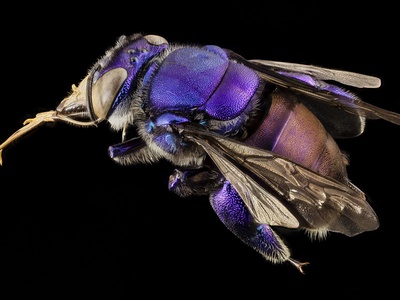
Orchid bees
Colorful male bees that collect floral scents from orchids and pollinate tropical flowers. Important in rainforest ecosystems, often seen visiting fragrant, tubular blossoms. Preserve native forest and flowering corridors to support them.
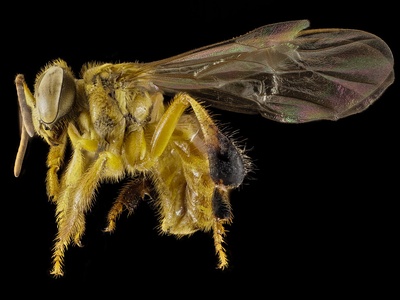
Stingless bees
Social, cavity-nesting bees common in tropical forests and gardens. Produce small amounts of honey and pollinate many crop and wild plants. Support by conserving hollow trees and planting native nectar sources.

Orchard solitary bees (Osmia bicornis, etc.)
Early-season solitary bees used in orchards for efficient pollination. Females nest in cavities and are active when trees bloom. Provide trap-nests and avoid spring insecticides for best results.
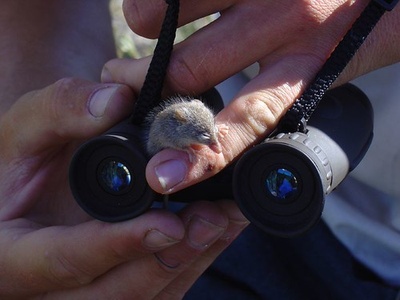
Honey possum
Tiny nocturnal marsupial specialized on nectar and pollen; moves pollen between flowers while feeding. Seen at night on Banksia and Grevillea blooms. Support with native shrub plantings and retaining understory habitat.
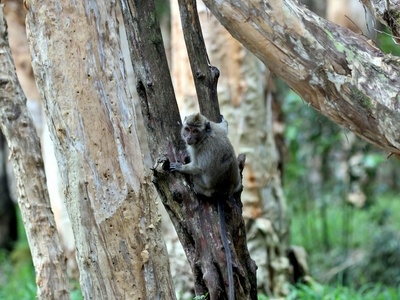
Pygmy possum
Small nocturnal marsupials that feed on nectar and pollen, transferring pollen with fur. Active in heathland and forests. Protect native shrub and understory plantings and avoid removing hollows and nest sites.
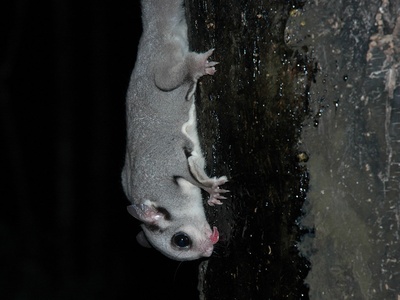
Sugar glider
Arboreal gliding marsupial that visits flowers at night and can carry pollen between trees. Seen in wooded suburbs and forests. Keep tree corridors and preserve native flowering trees to support their movements.
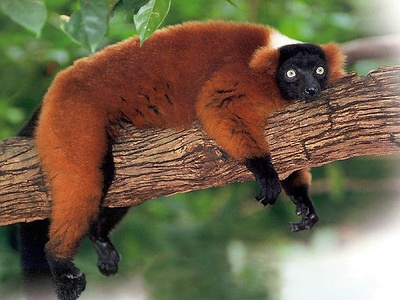
Ruffed lemur
Large, frugivorous lemurs that also pollinate big, sturdy flowers when feeding on nectar. Important for some endemic Malagasy plants. Support by conserving rainforest habitat and native flowering species.
Rodent pollinators
Nocturnal rodents that visit low, sturdy flowers for nectar and pollen, effectively transferring pollen between plants. Protect low vegetation and avoid night-time rodent control near proteaceous habitats.
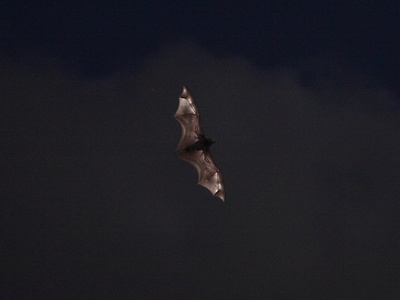
Flying foxes (fruit bats)
Large fruit bats that travel long distances feeding on nectar and pollen while pollinating canopy trees and crops. Crucial for forest regeneration and some fruit crops. Conserve roosts and native forage trees to support populations.
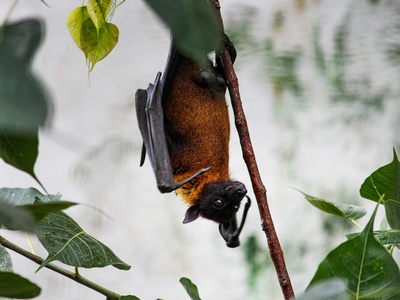
Nectar-feeding bat (Glossophaga)
Small, long-tongued New World bat specialized on nectar; an efficient nocturnal pollinator of agaves and cacti. Seen at dusk and night. Protect cave and roost sites, and plant night-blooming native species.
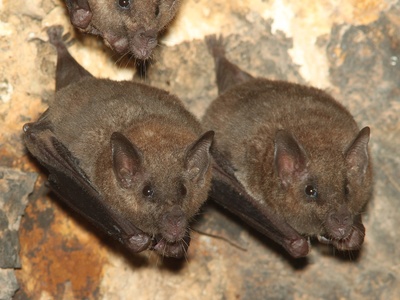
Lesser long-nosed bat
Key migratory pollinator in deserts that pollinates agave and cacti during seasonal migrations. Critical for tequila-agave reproduction and desert plant communities. Conserve migratory corridors and roost caves.
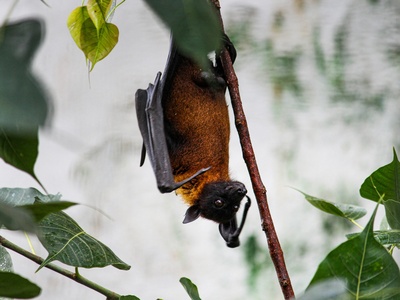
Nectar bat (Syconycteris)
Small Old World nectar bat that visits rainforest tree flowers, transferring pollen with its snout and fur. Important for understory and canopy species. Preserve native forest patches and fruiting trees.
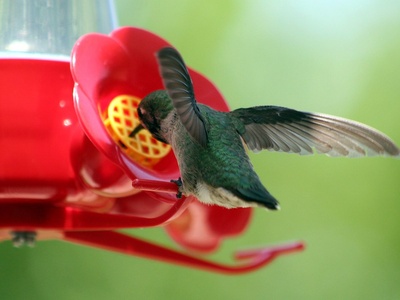
Hummingbird
Iconic small birds specialized on nectar-rich tubular flowers, pollinating many native and garden species. Active by day and defend feeding territories. Plant native tubular flowers and provide perches and water sources.
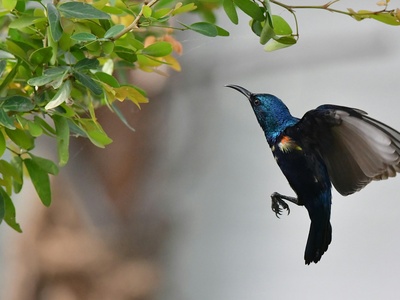
Sunbird
Small, colorful nectar-feeding birds that pollinate a variety of tropical plants and garden flowers. Often perch while feeding. Support with native nectar plants and protect riparian and forest edge habitats.
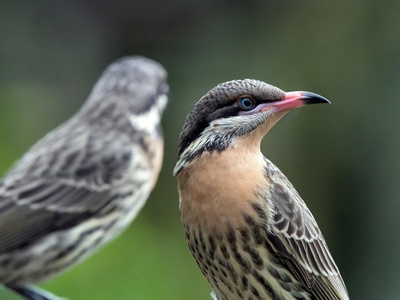
Honeyeater
Diverse family of nectar-feeding birds crucial to Australian plant pollination; often noisy and active in woodlands and suburbs. Plant native flowering trees and preserve hollows for nesting.
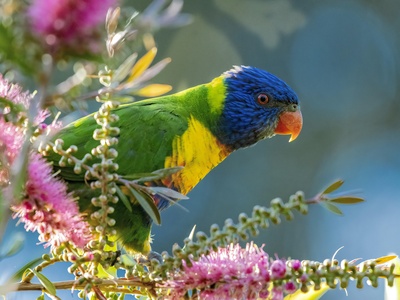
Lorikeet
Brush-tongued parrots that specialize on nectar and pollen, becoming colorful, frequent visitors to backyard blossoms and forests. Important pollinators of many eucalyptus and proteaceous species. Provide native flowering trees and avoid trapping.
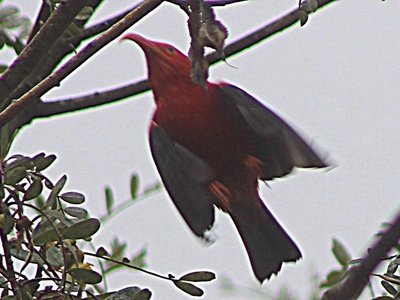
Hawaiian honeycreeper (‘i’iwi)
Specialist nectar-feeding bird adapted to curved red flowers, historically vital to Hawaiian lobeliads and lobelioid plants. Threatened by habitat loss; conserve native forest and control invasive species to support populations.
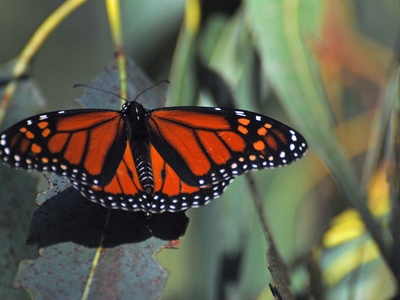
Monarch butterfly
Famous migratory butterfly whose caterpillars eat milkweed; adults feed on nectar and help pollinate asters and wildflowers. Support by planting milkweed and nectar corridors along migration routes and avoiding pesticides.
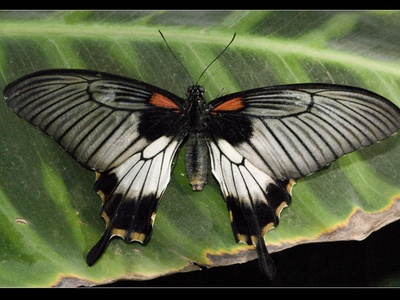
Swallowtail butterfly
Large, showy butterflies that visit nectar-rich, open flowers and sometimes serve as pollinators for ornamentals and wild plants. Grow host plants for caterpillars and nectar-rich flowers to attract them.
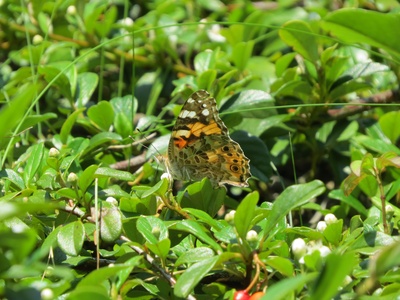
Painted lady
Highly migratory and generalist, visiting many nectar-rich flowers across habitats. Common in gardens and roadsides during migrations. Provide diverse nectar sources and larval host plants to support local populations.
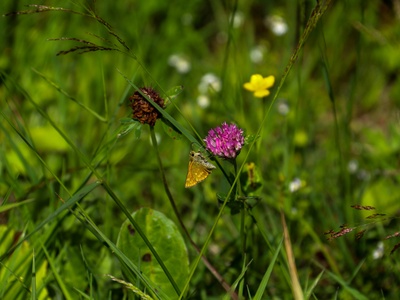
Skipper butterflies
Small, fast-flying butterflies that often visit low, open flowers for nectar and can transfer pollen. Helpful in grassland and meadow ecosystems. Plant native grasses and nectar plants for shelter and food.
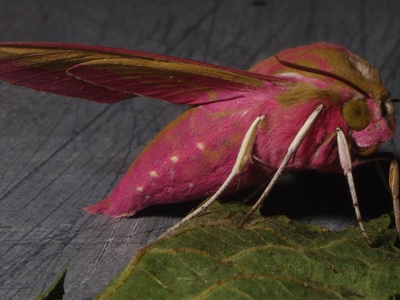
Hawk moth (sphinx moth)
Large, strong-flying moths with long proboscises that hover while feeding on night-blooming flowers; vital nocturnal pollinators for plants with deep nectar tubes. Preserve night-blooming natives and avoid nighttime lighting.
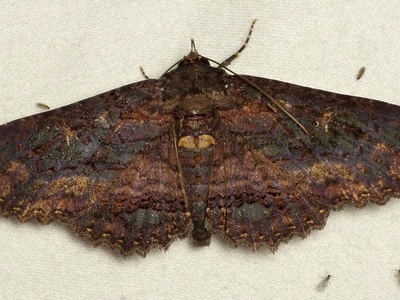
Noctuid moths
Diverse family of nocturnal moths whose adults visit many night-opening flowers and contribute to pollination. Often active after dusk; support by planting native night-blooming species and reducing light pollution.
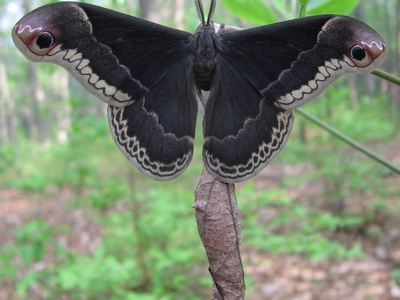
Silkmoth & giant moths
Large, showy moths whose adults feed or sometimes do not feed; species that do visit flowers can pollinate large, sturdy blossoms. Conserve native woodland and host plants for caterpillars.
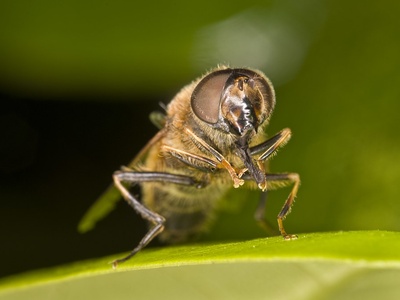
Hoverflies
Also called syrphids, adult hoverflies feed on nectar and pollen and are important pollinators of crops and wildflowers. Larvae of many species eat pests—bring pollination and pest control. Plant nectar-rich borders and umbellifers.
Biting midges (cocoa midges)
Tiny midges that are the primary pollinators of cacao and other small, cup-shaped flowers; active in shaded understories. Maintain native shade trees and moist leaf litter to support their habitat.
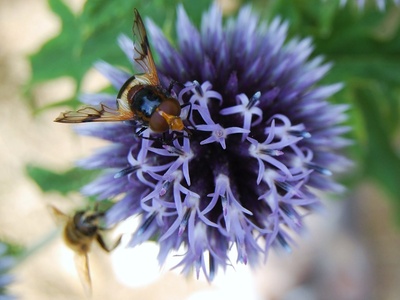
Bee flies
Fuzzy flies that hover and probe flowers with a long proboscis, transferring pollen as they feed. Common in sunny meadows and dry landscapes. Maintain open bare patches and diverse nectar sources.
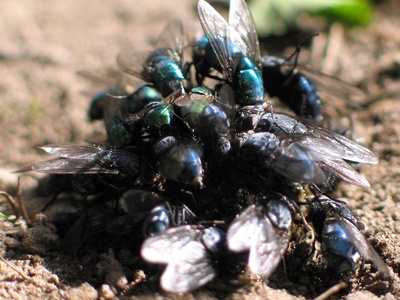
Blowflies and carrion flies
Attracted to carrion-mimicking flowers, these flies are effective pollinators for plants that emit flesh-like scents. Important for specialized plant groups; avoid blanket insecticide use that removes these pollinators.
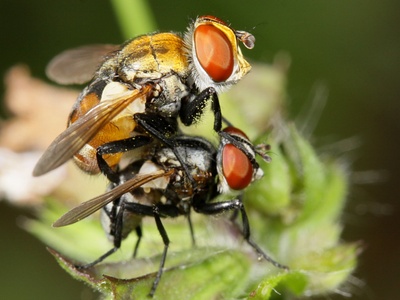
Tachinid flies
Adults visit flowers for nectar and carry pollen while their larvae parasitize pests—providing dual benefits. Encourage by planting diverse nectar sources and minimizing pesticide sprays that kill adults.
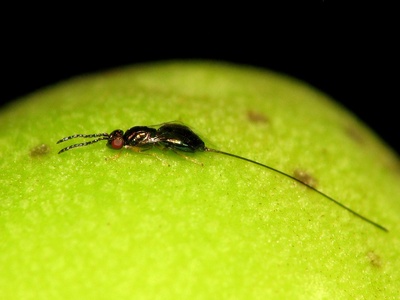
Fig wasps
Obligate, tiny wasps that enter fig syconia to lay eggs and pollinate—each fig species often depends on its specific wasp. Crucial for fig reproduction and forest ecology; conserve host figs and pollinator-specific habitats.
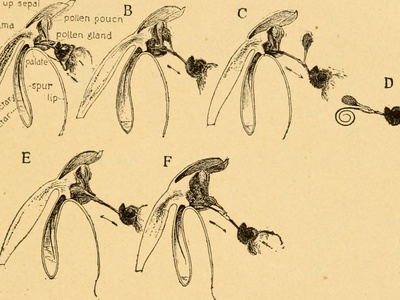
Pollen wasps
Unusual wasps that collect pollen like bees and actively pollinate flowers in arid regions. Ground or stem nesters seen on dryland blooms. Preserve native flora and nesting substrates.
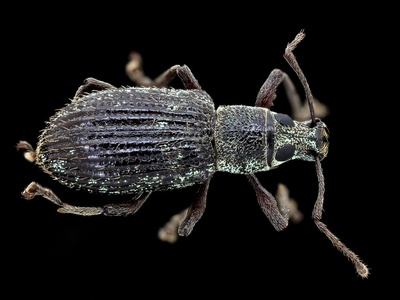
Weevils (pollinating weevils)
Many weevils specialize on particular plant groups and are effective pollinators of cycads, palms, and some tropical trees. Protect host plants and avoid removing decomposing logs and leaf litter they use.
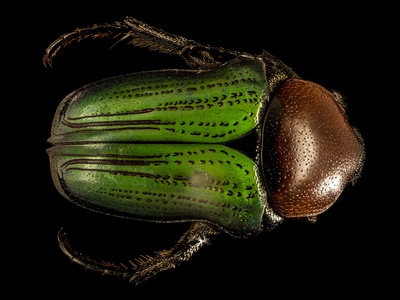
Flower beetles (scarabs)
Robust beetles that crawl into big, sturdy flowers searching for pollen and nectar; they carry pollen on bodies and are historic pollinators of magnolias and similar plants. Conserve native flowering trees and deadwood habitat.
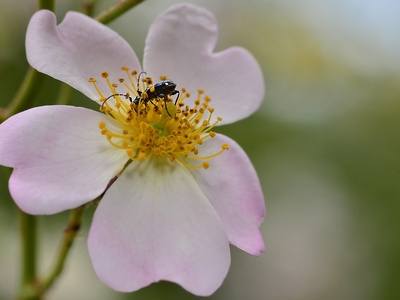
Longhorn beetles
Adult longhorn beetles visit large flowers and can transfer pollen while feeding. Many species tie into forest ecosystems—support by keeping woody debris and native flowering trees intact.
Beetle pollination guild (general)
Beetles were among the earliest pollinators; many plants rely on them for pollination of sturdy, often aromatic flowers. Preserve diverse native plant communities and avoid heavy pesticide use.
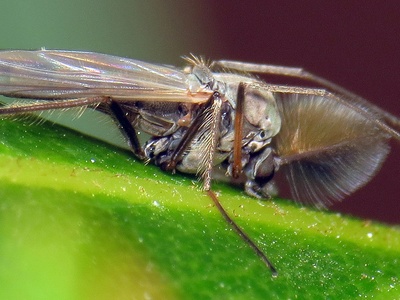
Midges (non-biting Chironomidae & others)
Tiny midges that visit small flowers, including some orchids and understory plants; crucial pollinators in moist habitats. Maintain wet microhabitats, shaded native plants, and leaf litter.
Ant-mimicking and small specialized flies
Some tiny flies act as specialized pollinators for small, often deceptive flowers and orchids. Their ecological roles are nuanced—keep native plant diversity and microhabitats to support these specialists.
Cacao midges (Forcipomyia coffeae etc.)
Specific tiny midges that pollinate cocoa flowers within plantations and forests. Essential for chocolate production. Support shade trees, leaf litter, and organic management to sustain their populations.
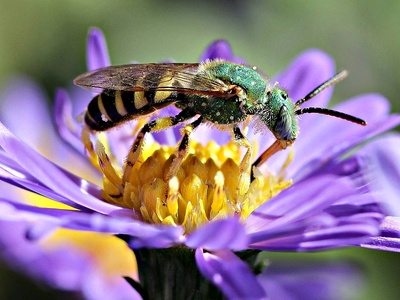
Carpenter bee (tunnel-nesting species)
Solitary, large bees that nest in dead wood and are strong pollinators of large, open flowers. Positive garden inhabitants—provide nesting wood and tolerate non-destructive nesting behavior.
Stingless bee (meliponine crop pollinators)
Social tropical bees kept by small-scale beekeepers and wild colonies; efficient pollinators of many tropical crops and native plants. Support by conserving tree hollows and planting native nectar sources.
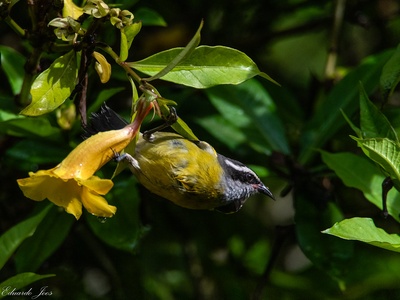
Small birds (general nectarivores)
Many small bird species feed on nectar and carry pollen between flowers in diverse ecosystems. Encourage with native nectar plantings, perches, and protection of nesting habitat.
Moth hawk (night pollinators group)
A broad group of nocturnal moths that visit and pollinate night-opening flowers. Reduce light pollution and plant night-blooming natives to support these important night pollinators.
Cuckoo bees excluded (note: cleptoparasites generally not listed)
Excluded because they typically do not collect pollen to provision nests and therefore are not reliable pollinators for inclusion.
Small mammal nectarivores (other than possums)
Several small mammals besides possums and rodents act as dependable pollinators for certain plants—maintain native vegetation structure, avoid rodent eradication near specialized plant communities.
Sea bird/Other taxa excluded
Excluded: seabirds and non-floral animals that do not actively transfer pollen to effect fertilization are not included per criteria.
Moonlight moth specialists (example species)
Sphinx moths like Hyles lineata visit and pollinate evening-opening flowers, often hovering like hummingbirds. Plant evening-blooming natives and reduce nighttime lighting to help them navigate.
Native solitary bee assemblage (general)
A diverse mix of solitary bees that together provide most wild-pollination services—protect nesting sites, floral diversity, and pesticide-free habitats for sustained pollination.
Therophilous beetles (dry-flower specialists)
Beetles that specialize on strong-scented or sturdy flowers, moving inside blooms and transferring pollen. Support by including native robust-flowered species and deadwood for life cycles.
Native fly pollinators (general)
Many small flies consistently visit and pollinate small, open flowers, especially in wetlands and shaded habitats—preserve native wetland pockets and diverse understory plants.
Mallophagan and other non-pollinating insects excluded
Excluded: parasites and insects that do not actively and reliably transfer pollen between flowers are not listed to keep focus on true pollinators.
Bumblebee (long-tongued specialists)
Long-tongued bumblebees reach deep corollas other pollinators cannot, making them vital for some garden and wild plants. Grow long-tubed natives and provide nesting habitat for colonies.
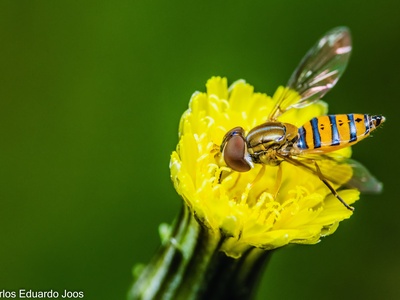
Syrphid fly (crop pollinator example)
Common hoverfly in gardens and fields that pollinates crops while larvae often eat aphids. Provide flowering strips and avoid insecticides to maintain both pollination and biocontrol benefits.
Sunbird (long-billed specialist)
Long-billed sunbirds specialize on deep tubular flowers, transferring pollen effectively. Plant native nectar-rich trees and shrubs to provide year-round food sources.
Fig wasp (example species)
Species-specific wasps that enter fig fruits to lay eggs while pollinating in the process—critical mutualists for fig reproduction. Conserve local fig species and their microhabitats.
Hawkmoth (sphingid specialist example)
Famous for an exceptionally long proboscis able to pollinate deep-throated orchids. A striking example of coevolution—protect native orchid habitats and nocturnal pollinator corridors.
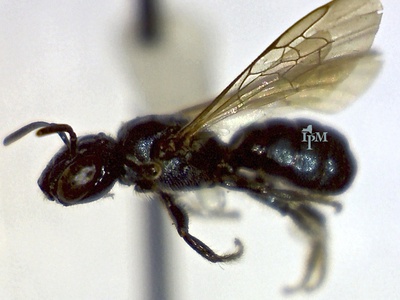
Small carpenter bees (Ceratina)
Tiny, twig-nesting bees that nest in stems and pollinate small-flowered plants effectively. Leave hollow stems and small deadwood in garden areas to support them.
Dawn and dusk butterflies (Crepuscular species)
Butterflies and moth-like species active at dawn/dusk that contribute to pollination of flowers timed to low light. Provide twilight nectar sources and reduce artificial lighting to aid their activity.