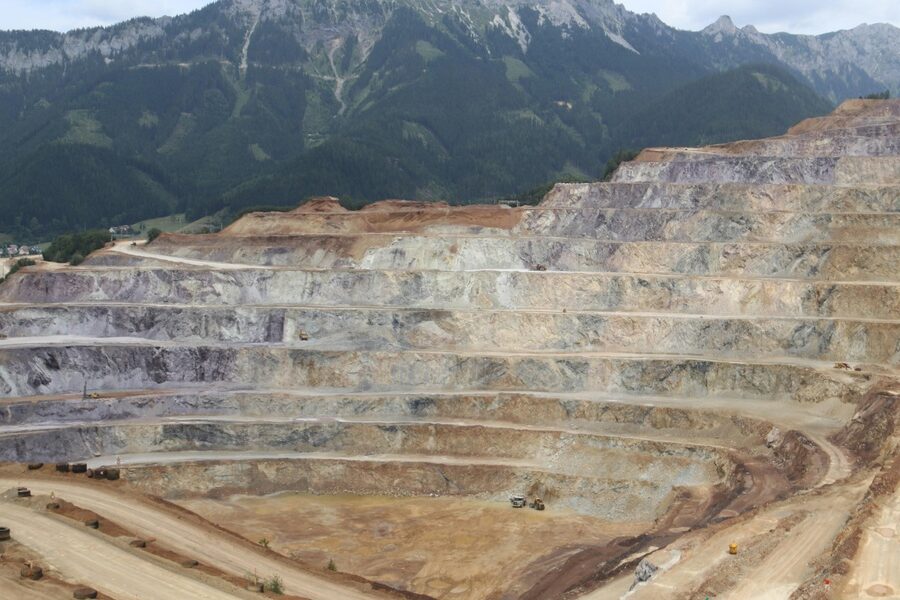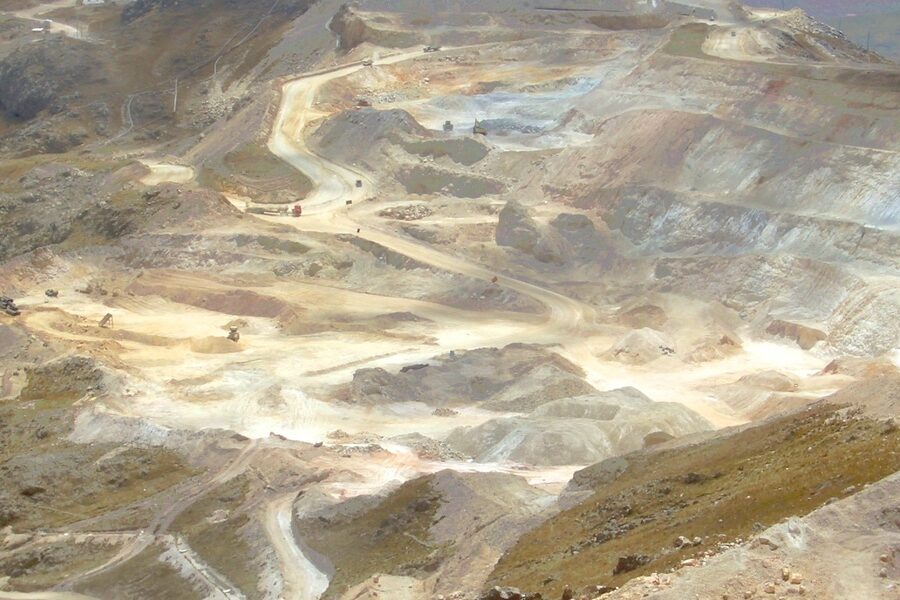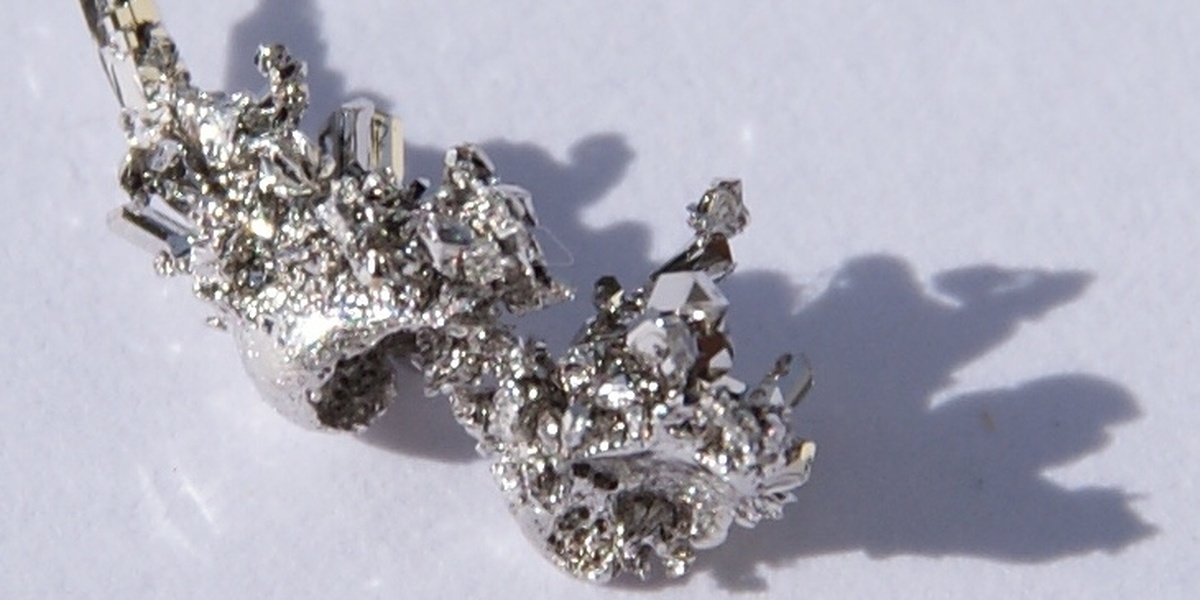
Palladium plays a quiet but central role in modern industry — from vehicle emissions control to electronics — so knowing where it comes from helps explain price moves and supply risk. This list highlights the national sources that keep the metal flowing and why geography matters for manufacturers and investors.
There are 6 Palladium-Producing Countries, ranging from Canada to Zimbabwe. For each, you’ll find below Flag,Production (kg, year),Main mine(s)/company to make comparisons and quick lookups straightforward — you’ll find those details below.
Which country currently produces the most palladium?
Russia and South Africa have historically led global output, with large operations like Norilsk and the Bushveld complex; exact rankings can shift year to year depending on mine production, maintenance, and export conditions.
How should I read the “Production (kg, year)” and company columns?
“Production (kg, year)” gives annual output in kilograms for the reported year, and “Main mine(s)/company” points to the primary producers; treat figures as reported estimates that may be revised and check the year column for context.
Palladium-Producing Countries
| Country | Flag | Production (kg, year) | Main mine(s)/company |
|---|---|---|---|
| Russia | 🇷🇺 | 80,000 kg (2023) | Nornickel (Norilsk-Talnakh, Kola) |
| South Africa | 🇿🇦 | 65,000 kg (2023) | Anglo American Platinum, Impala, Sibanye-Stillwater (Bushveld) |
| Zimbabwe | 🇿🇼 | 26,000 kg (2023) | Zimplats, Mimosa (Impala/Implats) mining operations |
| Canada | 🇨🇦 | 24,000 kg (2023) | Lac des Iles (Implats), Sudbury (Vale), other Ni-Cu-PGM mines |
| United States | 🇺🇸 | 19,000 kg (2023) | Stillwater & East Boulder (Sibanye-Stillwater) |
| Finland | 🇫🇮 | 4,000 kg (2023) | Kevitsa (Boliden) and nickel-PGM operations |
Images and Descriptions
Russia
Russia is the world’s largest primary palladium miner, produced mainly by Nornickel from large sulfide deposits in Siberia and the Kola Peninsula. Geology yields high PGM grades; supply sensitive to sanctions, export controls and operational risks in Arctic regions.

South Africa
South Africa’s Bushveld Complex supplies large palladium volumes as a PGM byproduct from layered mafic intrusions. Multiple large producers operate deep mines; power, labor disputes and shifting ore grades are key supply risks and cost drivers.
Zimbabwe
Zimbabwe’s Great Dyke hosts significant PGM deposits producing palladium as a major product. Local geology supports steady output but political, fiscal and infrastructure risks can cause production variability and investment uncertainty.
Canada
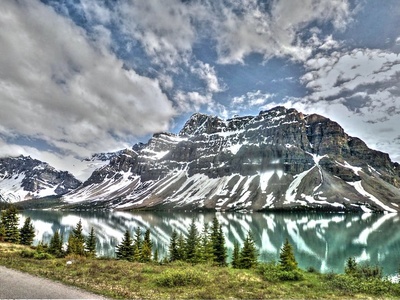
Canada produces palladium mainly as a byproduct of nickel-copper sulfide mining in Ontario. Operations like Lac des Iles and Sudbury add predictable supply; geology is well-understood, with operational costs and global metal demand shaping output.

United States
The US mines palladium chiefly at the Stillwater Complex in Montana, one of the few large PGM operations outside Africa/Russia. Geology yields high-grade zones; concentrated single-operator exposure and regulatory factors can influence short-term supply.
Finland
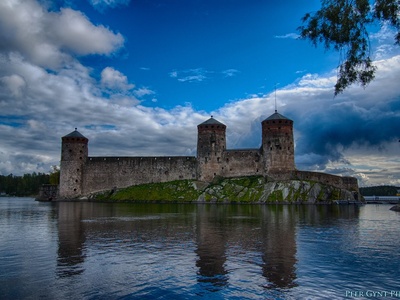
Finland’s palladium comes mainly as a byproduct from nickel-copper-PGM sulfide mines in the north. Smaller scale than major producers, Finland contributes stable output; exploration and expansions could grow its role amid nickel-PGM developments.