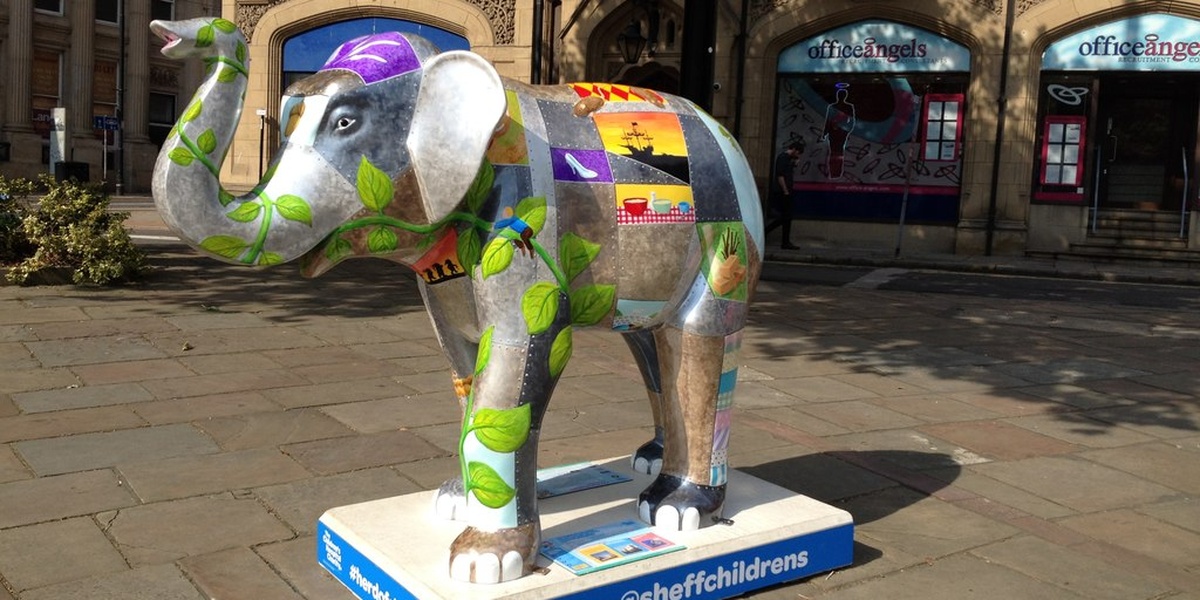
In 1941 Disney gave the world Dumbo: a floppy-eared, big-hearted elephant whose clumsy antics and odd fears lodged in the public imagination for generations. That single image—repeated in cartoons, viral clips and old circus posters—helped create a shorthand for elephants as gentle giants with cartoonish quirks. Those portrayals are memorable, but they also shape how people think about real animals: what we protect, how we handle human–elephant conflict, and which stories make it into newsfeeds. From the joke about rodents to the claim that an elephant’s memory is infallible, many popular elephant myths simplify complex behavior and biology in ways that can mislead policymakers, tourists and caretakers. Separating myth from evidence helps us respect elephants and improve conservation.
Cultural and historical myths
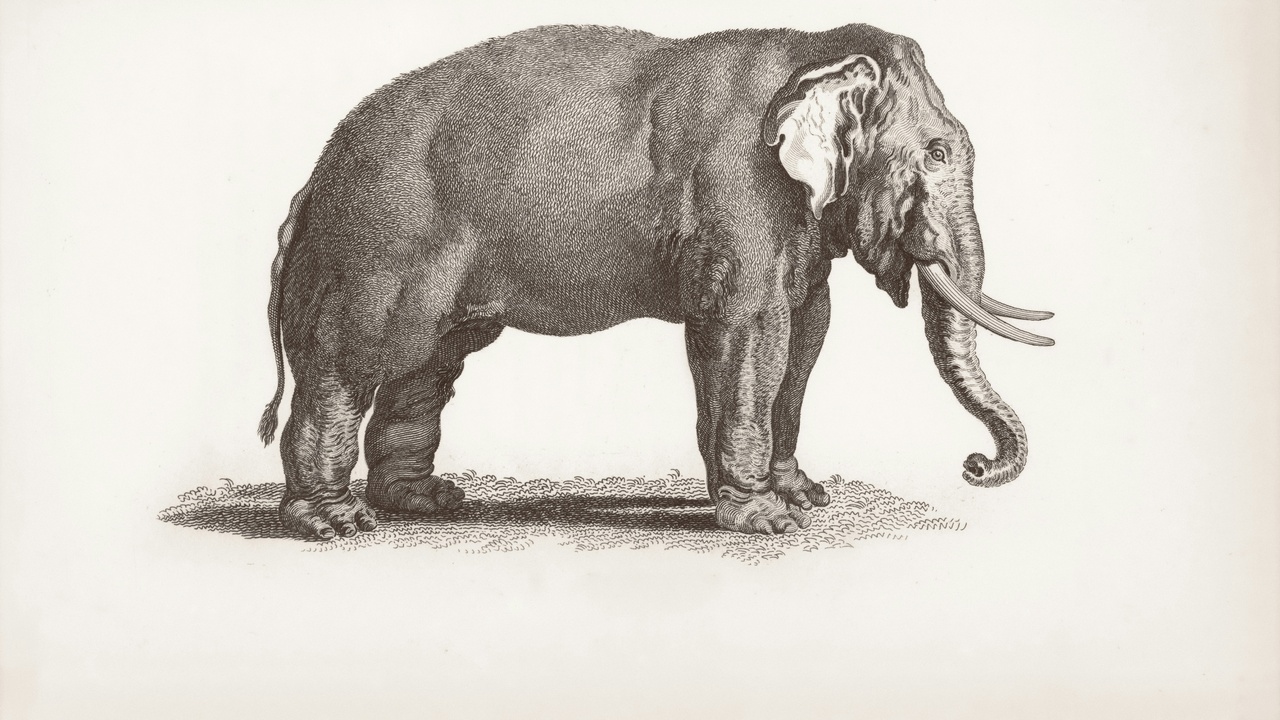
Stories, stage acts and early film shaped many persistent ideas about elephants long before wildlife biology could test them. Nineteenth‑century circuses and Victorian menageries showcased trained animals under stress, and twentieth‑century cartoons distilled those scenes into simple character traits. In the social age, a short viral clip of a startled elephant or a dramatic zoo photo can travel farther and faster than a field study.
Why do cultural myths stick? They answer emotional questions with tidy narratives: a cartoon mouse explains a sudden movement; a single headline about an ‘angry’ elephant fits existing fears. Cognitive bias and repetition lock those narratives into public view even when controlled studies say otherwise. That dissonance has real consequences—misperceptions influence tourism demand, funding priorities, and local responses to crop‑raiding elephants. When managers, donors or journalists accept a simplified story, they can steer policy toward quick fixes rather than long‑term ecological or social solutions.
1. Myth: Elephants are afraid of mice
The old gag that elephants fear mice traces to imagery like Dumbo and to centuries of folklore where tiny animals embarrass the mighty. It feels plausible—after all, a mouse near an elephant’s feet could startle an animal with poor visibility at ground level.
Empirical work, however, shows a more nuanced picture. Controlled trials and field observations from the early 2000s onward indicate elephants sometimes startle at unexpected small animals or sudden motions, but they do not display a species‑level phobia of rodents. Reactions depend on context: habituation, the presence of calves, and the animal’s prior experiences shape responses (see ethology papers and zoo behavioral reports for details).
That myth matters: people have attempted to ‘scare’ crop‑raiding elephants using rodents or staged encounters, which is ineffective and can escalate conflict. Zoos and sanctuaries that base handling protocols on exaggerated fears risk unnecessary interventions. For accurate guidance, consult peer‑reviewed ethology studies and reputable zoo behavior reports rather than viral videos.
2. Myth: Elephants never forget — their memory is perfect
Someone saying an elephant ‘never forgets’ borrows a metaphor that’s stuck in popular language. It’s repeated because elephants do show remarkable long‑term memory in ways that matter ecologically and socially.
Field research documents reliable spatial and social memory: matriarchs lead herds to distant waterholes and seasonal feeding sites, sometimes after several years of drought or absence. Studies (including long‑term work in Amboseli and other East African sites) show older females recall routes, kin relationships and past threats—skills that can determine herd survival during dry years. Conservation groups such as Save the Elephants and IUCN cite matriarchal knowledge when advising on translocations and reserve design.
Memory, however, is not supernatural. Elephants make mistakes, and cognitive decline with age can occur. Managers must recognize both the strength and limits of elephant memory when planning relocations, anti‑poaching strategies or reintroduction programs.
3. Myth: Elephants hold funerals like humans
Touching images of elephants lingering near bones or circling a carcass feed the idea that they stage human‑like funerals. Those scenes are powerful and have influenced public narratives about elephant social bonds.
Researchers since the 2000s have repeatedly observed elephants investigating dead conspecifics: they touch skulls and tusks, pause at the site, and sometimes return days later. Field notes from long‑term projects (Amboseli, Etosha) and accounts by researchers such as Cynthia Moss and Iain Douglas‑Hamilton document consistent, repeatable behaviors around carcasses.
Interpretation remains cautious. Scientists debate whether these actions reflect mourning, curiosity, learning about mortality, or reinforcement of social memory. Responsible messaging matters because anthropomorphic language can skew welfare priorities and tourism expectations; describing the behavior accurately—curiosity and social recognition rather than scripted ‘funerals’—serves both scientific clarity and ethical tourism.
Biology and behavior: separating fact from fiction
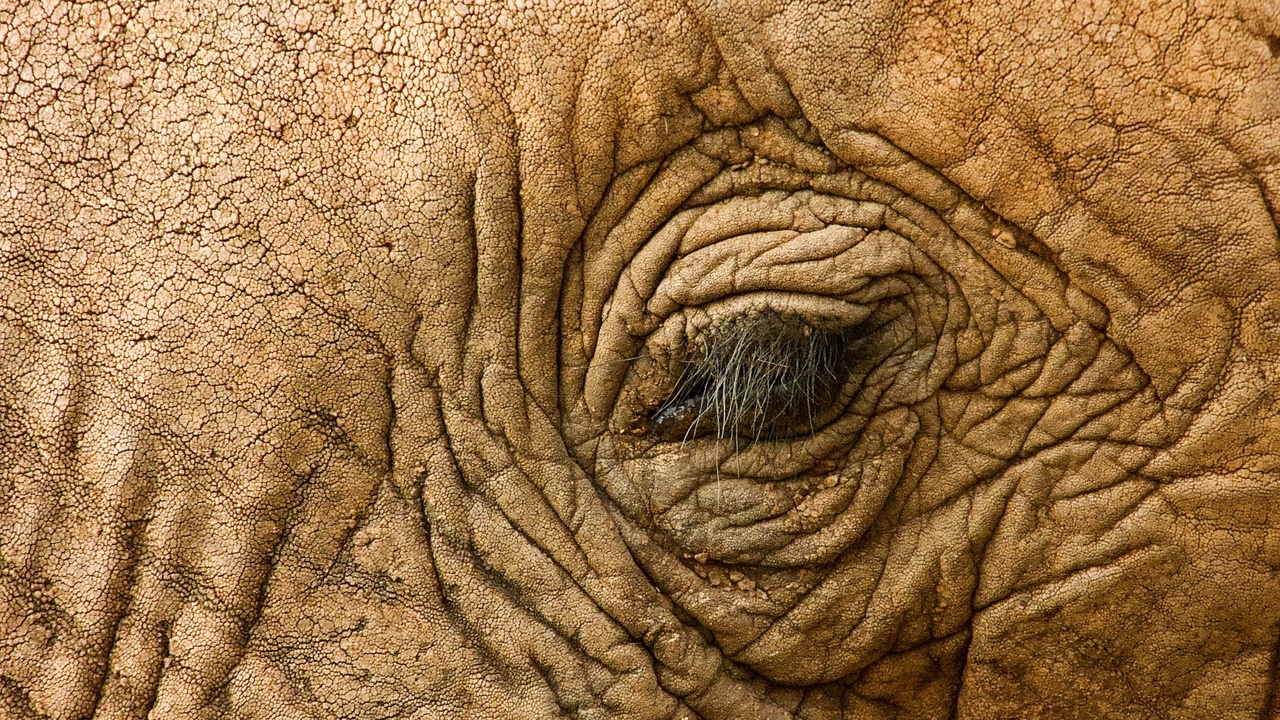
Anatomy and behavioral ecology get boiled down to shortcuts: ‘elephants are clumsy,’ ‘tusks mean male,’ or ‘they drink through their trunks like straws.’ Those simplifications miss key facts that affect management and welfare.
Useful biological benchmarks: elephant gestation runs about 22 months; African bulls can weigh up to roughly 6,000 kg while Asian bulls are generally smaller; and wild lifespans commonly reach 60–70 years under good conditions (IUCN and field guides provide species‑specific ranges). Elephants also communicate at infrasound frequencies that travel kilometers, a fact that shapes how we think about human disturbance and reserve spacing.
4. Myth: Elephants are clumsy, slow, or unintelligent
Big animals look awkward from a distance, and size can bias observers toward assuming low agility or simple cognition. The evidence tells a different story.
Behavioral research documents tool use, flexible problem solving, cooperative defense and social learning. Wild and captive elephants have been observed using branches to swat flies, stripping bark to make implements, and modifying actions after single experiences. Comparative cognition labs and field studies report rapid learning and cultural transmission of behaviors across groups. Recognizing that elephants are cognitively complex changes how zoos design enrichment and how conservationists assess behavioral resilience in wild populations.
5. Myth: Only male elephants have tusks
People often assume tusks are an exclusively male trait, but tusk presence varies by species, sex and population history.
In African savanna elephants—both males and females usually grow visible tusks. In Asian elephants, males commonly have tusks while females often have reduced tusks called tushes or none at all. Tusklessness also shows geographic and genetic variation, and in some populations the frequency of tuskless individuals has risen following intense selective poaching.
Misreading tusk patterns can skew sex ratios in surveys and misinform anti‑poaching or ecological studies. Field guides, IUCN species accounts and regional research provide the species‑level detail managers need.
6. Myth: Elephants only use their trunks to drink water
Calling the trunk a ‘straw’ underplays a highly versatile organ: it is an elongated fusion of nose and upper lip loaded with muscles, nerves and sensory tissue.
Elephants use the trunk to breathe, smell, touch, manipulate objects, communicate, lift heavy loads and draw water. Anatomical estimates suggest a trunk can hold several liters of water at once; elephants typically suck water into the trunk and then spray it into the mouth. Researchers have quantified fine dexterity—picking small items, peeling fruit and fashioning tools—showing trunk use rivals primate hands for certain tasks.
Understanding trunk function matters for veterinary care, enrichment in captivity and how humans design deterrents or barriers in conflict zones.
Conservation, welfare, and human-elephant interaction myths
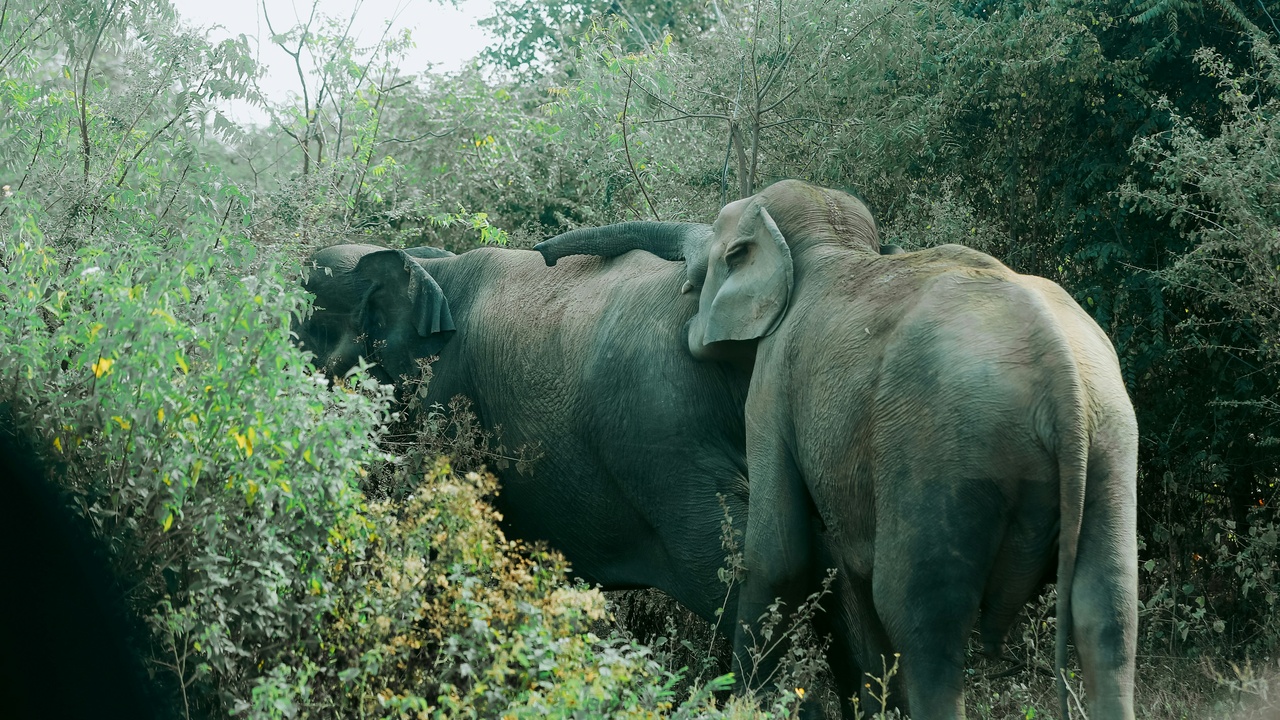
Myths do more than misinform—they shape policy, budgets and livelihoods. Misplaced confidence in easy fixes diverts resources from effective programs and can worsen human‑elephant conflict.
To make choices that help both people and elephants, managers need reliable population estimates, clear data on poaching trends, and honest assessments of captive welfare. Organizations such as IUCN, WWF, Save the Elephants and TRAFFIC publish analyses that track trends—CITES enacted an international ivory ban in 1989, and one‑off legal sales (for example, in 1999 and 2008) sparked debate about demand and laundering. Evidence shows that poorly regulated markets can increase risks rather than solve funding shortfalls.
7. Myth: Captive elephants are happier and safer than wild ones
It’s common to assume captive animals—seen daily at a zoo or tourist camp—enjoy better lives than animals facing threats in the wild. The reality depends on facility standards, space, social opportunities and care.
Welfare science uses measurable indicators—stereotypic behaviors, body condition, reproductive success, and longevity—to compare outcomes. Accredited institutions (for example, Association of Zoos and Aquariums programs) generally meet higher standards, including enrichment and veterinary oversight, while some unregulated facilities show clear welfare problems. Readers deciding whether to visit or support a facility should look for accreditation, published welfare reports and transparent rescue or rehabilitation practices.
8. Myth: Legal ivory trade would save elephant populations and local economies
The argument that a regulated ivory market would funnel revenue into conservation has reappeared periodically, but practical trials and analyses complicate that narrative.
After CITES’s 1989 international ban, limited legal sales (notably single sales authorized in 1999 and 2008) were intended to test whether stockpile releases could help fund protection. Reviews by TRAFFIC, IUCN and others found mixed results: legal supply risks stimulating demand and creating laundering opportunities unless governance and traceability are exceptionally strong. More effective approaches often combine community benefit schemes, alternative livelihoods and clear law enforcement rather than relying solely on ivory revenue.
Sound policy requires transparent governance and local engagement; simplistic market fixes rarely deliver the promised conservation economics.
Summary
- Popular stories—from Dumbo to viral clips—have shaped enduring myths about elephants, but evidence often tells a subtler story.
- Elephants show strong spatial and social memory (matriarchal knowledge can guide herds through multi‑year droughts), but memory is not flawless; gestation runs about 22 months and wild lifespans commonly reach 60–70 years.
- Tusk presence varies by species and population; Asian females frequently lack large tusks while African females usually have them, and selective poaching has increased tusklessness in some areas.
- Trunks are highly dexterous multifunctional organs (used for smell, touch, manipulation and drinking), and elephants demonstrate complex cognition and tool use that inform welfare and conservation planning.
- Do your part: support reputable organizations (IUCN, WWF, Save the Elephants), check accreditation and welfare records before visiting captive facilities, and treat viral videos with healthy skepticism—seek primary studies or expert analyses.