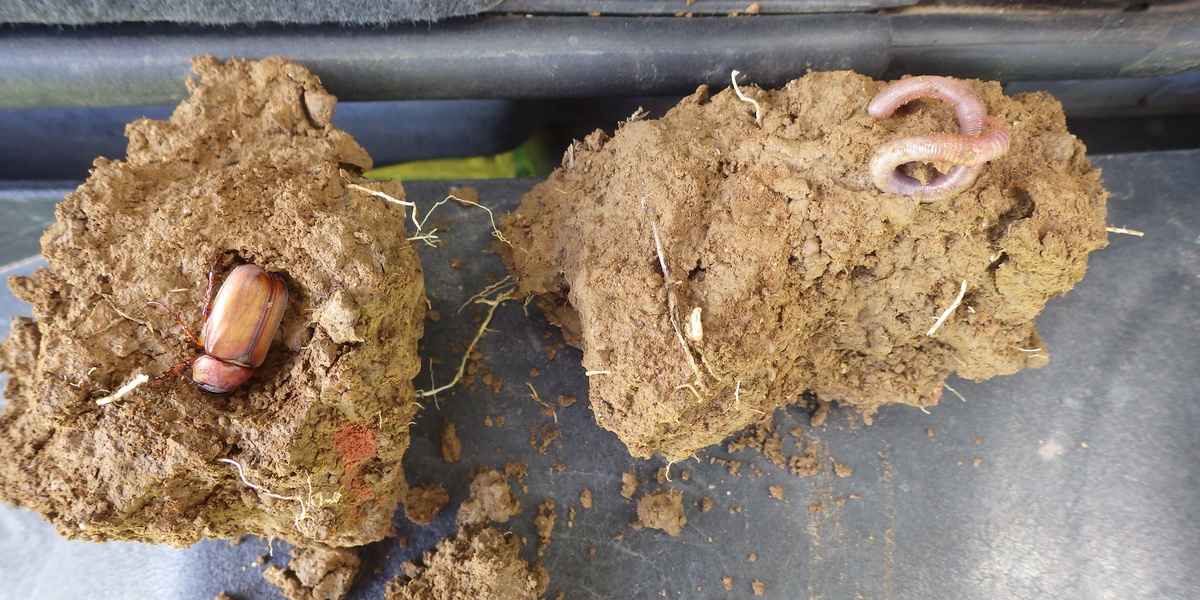
Across forest floors, riverbanks and garden beds, small creatures quietly do the work of recycling dead plants and animals into fertile soil. They occupy leaf litter, rotting wood and sediment, linking fallen matter back into living systems and supporting plants and microbes.
There are 30 Examples of Detritivores, ranging from Amphipod (freshwater) to Woodlouse. For each entry the data are organized as Scientific name,Habitat,Size (cm), which you’ll find below.
How do detritivores differ from decomposers and scavengers?
Detritivores are animals that physically ingest and break down dead organic matter (think woodlice, earthworms, millipedes), while decomposers (bacteria and fungi) chemically break materials down at a microscopic level. Scavengers eat larger carcasses but don’t necessarily process the fine organic material detritivores handle; together they speed nutrient cycling.
How can I encourage detritivores in my garden?
Leave some leaf litter and small log piles, maintain a moist patch of soil, avoid broad-spectrum pesticides, and add a compost or mulch layer—these simple steps create habitat and food that attract and sustain detritivores.
Examples of Detritivores
| Common name | Scientific name | Habitat | Size (cm) |
|---|---|---|---|
| Earthworm | Lumbricus terrestris | Temperate soils, Europe, North America | 10–25 |
| Compost worm | Eisenia fetida | Compost piles, garden bins, worldwide temperate regions | 2–8 |
| Millipede | Narceus americanus | Leaf litter and soil, eastern North America | 3–10 |
| Woodlouse | Armadillidium vulgare | Moist leaf litter, gardens, Europe, introduced worldwide | 0.5–1.5 |
| Oribatid mite | Oribatida | Soil and leaf litter, worldwide; abundant in forests | 0.02–0.14 |
| Springtail | Collembola | Soil, leaf litter, mosses; worldwide | 0.02–0.6 |
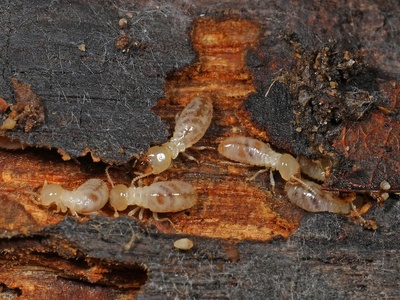
| Subterranean termite | Reticulitermes spp. | Dead wood, soil; temperate forests, North America, Europe, Asia | 0.3–0.5 |
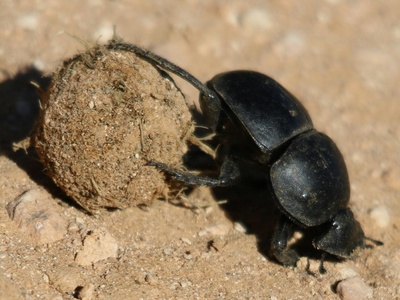
| Dung beetle | Scarabaeinae | Pastures, grasslands, tropical and temperate regions worldwide | 1–3 |
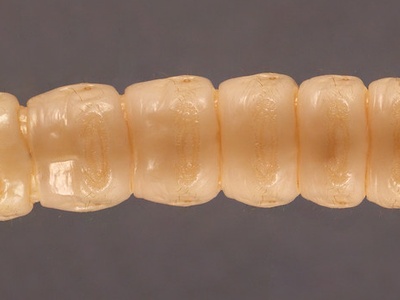
| Longhorn beetle larvae | Cerambycidae | Dead wood, saproxylic habitat; worldwide forests | 2–15 |
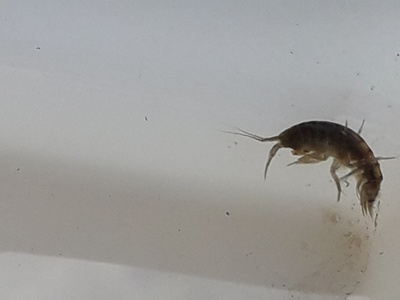
| Amphipod (freshwater) | Gammarus pulex | Streams, rivers, leaf packs; Europe, temperate regions | 0.5–3 |
| Caddisfly larva | Trichoptera | Streams and rivers, leaf packs and detritus-rich riffles; worldwide | 0.5–3 |
| Chironomid larva | Chironomidae | Freshwater sediments and organic-rich pools; worldwide | 0.2–2.5 |
| Freshwater isopod | Asellus aquaticus | Ponds, streams, wetlands; Europe, temperate regions worldwide | 0.5–1.5 |
| Crayfish | Procambarus clarkii | Freshwater streams, ponds, wetlands; native North America, invasive worldwide | 10–18 |
| Black soldier fly larva | Hermetia illucens | Compost heaps, decaying organic waste; tropical to temperate, worldwide in composting systems | 2.5–5 |
| Common carp | Cyprinus carpio | Freshwater lakes, rivers, temperate and subtropical regions worldwide | 30–100 |
| Pond snail | Lymnaea stagnalis | Freshwater ponds, lakes, slow streams; Europe, North America | 3–5 |
| Sea cucumber | Holothuroidea (e.g., Holothuria spp.) | Sandy and muddy seafloors; tropical and temperate seas worldwide | 10–60 |
| Lugworm | Arenicola marina | Intertidal sands, temperate coasts, Europe and North Atlantic | 6–20 |
| Deposit-feeding bivalve | Macoma balthica | Mudflats and estuaries, North Atlantic and Baltic regions | 2–5 |
| Fiddler crab | Uca pugnax | Salt marshes and mudflats, Atlantic coasts of Americas | 2–6 |
| Mud shrimp | Upogebia spp. | Marine estuaries and coastal sediments, worldwide temperate and tropical coasts | 5–15 |
| Marine amphipod | Amphipoda | Seaweed beds, detritus mats and sediments; worldwide coastal waters | 0.3–3 |
| Heart urchin | Echinocardium cordatum | Sandy subtidal sediments, temperate coasts; Northeast Atlantic | 5–10 |
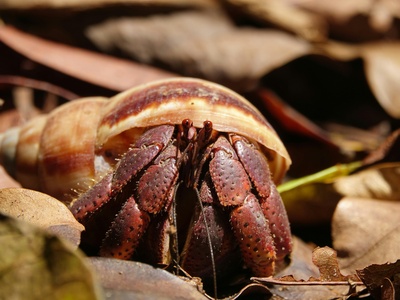
| Hermit crab (land) | Coenobita clypeatus | Coastal forests and dunes, tropical Americas, Caribbean | 4–10 |
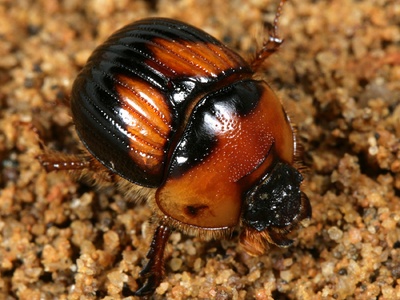
| Geotrupid beetle | Geotrupidae | Pastures and woodlands; Europe, North America | 1–4 |
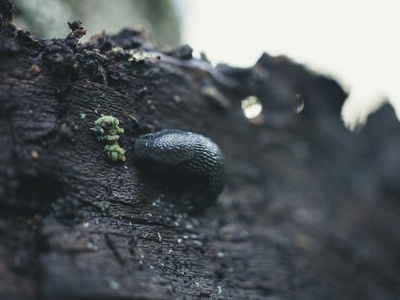
| Garden slug | Deroceras reticulatum | Gardens, grasslands, temperate regions worldwide | 3–7 |
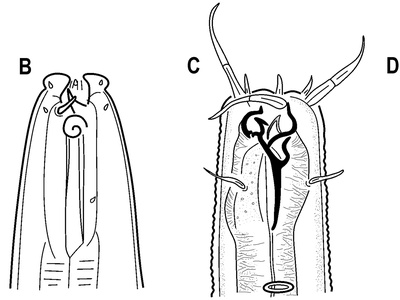
| Free-living nematode | Rhabditida and others | Soil, compost and sediments; worldwide, extremely abundant | 0.02–0.25 |
| Saprophagous fly larvae | Various (e.g., Sphaeroceridae) | Dung, decaying vegetation and organic waste; worldwide | 0.3–1.5 |
| Beach hopper | Talitridae | Coastal wrack, temperate and tropical beaches worldwide | 0.5–2 |
Images and Descriptions
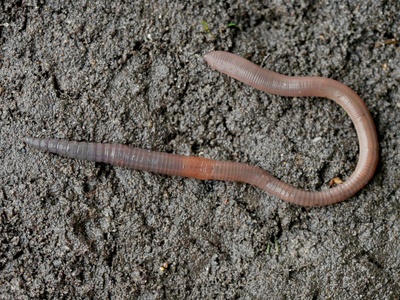
Earthworm
Earthworms eat dead leaves and soil organic matter, ingesting and mixing soil as they burrow. They accelerate decomposition, improve soil structure and nutrient cycling, often reaching 10–25 cm and commonly seen in gardens and grasslands.
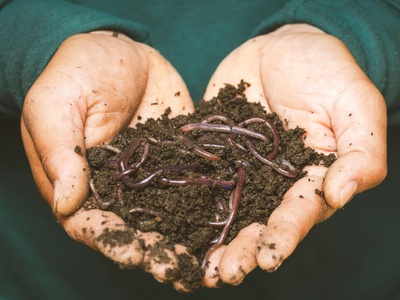
Compost worm
Eisenia fetida thrives in compost, consuming decaying plant material and microbes. These small red worms break down organic waste rapidly, producing nutrient-rich vermicompost used by gardeners and educators; typically 2–8 cm long and highly prolific.
Millipede
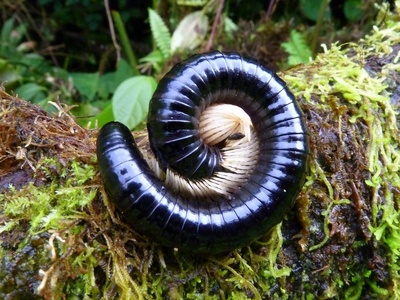
Millipedes graze on leaf litter, decaying wood and organic films, grinding material into smaller particles that microbes decompose. Often 3–10 cm, they compact and recycle nutrients in forest floors and are harmless detritivores with many body segments.
Woodlouse
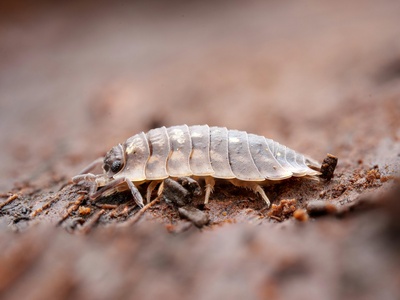
Woodlice feed on rotting leaves and wood, shredding material and returning nutrients to soil. At about 0.5–1.5 cm, these terrestrial isopods prefer damp microhabitats and help create humus while tolerating dark, cool conditions.
Oribatid mite
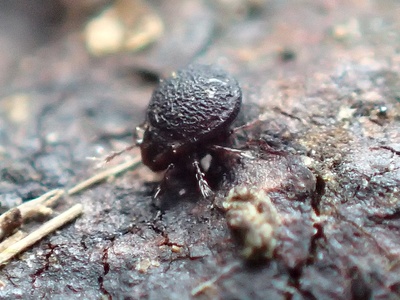
Oribatid mites are tiny soil arthropods that ingest decomposing plant material, fungal hyphae and organic particles. Usually under a millimetre, they control microbial communities, contribute to nutrient cycling, and are slow‑moving, armored detritivores in forest soils.
Springtail
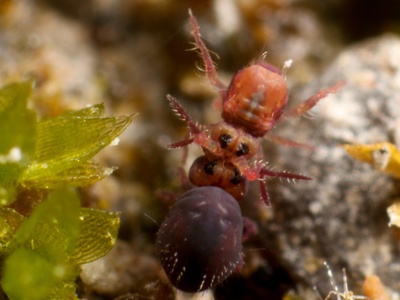
Springtails graze on decaying plant matter, fungal films and bacteria, ingesting tiny particles that speed decomposition. Frequently less than a millimetre to a few millimetres, they are extremely abundant and vital to soil health and nutrient turnover.
Subterranean termite
Worker termites chew dead wood and detritus, ingesting cellulose and associated microbes. They breakdown woody debris, recycle nutrients and maintain soil carbon flow; workers are small (0.3–0.5 cm) and live in colonies with complex social organization.
Dung beetle
Dung beetles feed on and bury animal feces, ingesting pellets and redistributing nutrients. By tunnelling and relocating dung they improve soil aeration, seed dispersal and reduce parasites; many species are 1–3 cm and ecologically important in pastures.
Longhorn beetle larvae
Cerambycid larvae tunnel and ingest decaying wood, breaking down lignified material and creating habitat for fungi and other decomposers. Larvae range 2–15 cm, making them key players in wood decomposition and nutrient recycling on forest floors.
Amphipod (freshwater)
Freshwater amphipods shred decaying leaves and organic matter, ingesting fragments and associated microbes. Common in streams and rivers at 0.5–3 cm, they transfer energy to higher consumers and speed breakdown of terrestrial inputs.
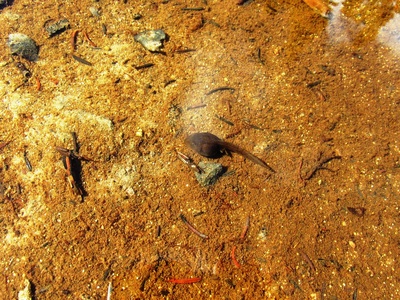
Caddisfly larva
Many caddisfly larvae are shredders, chewing leaves and collecting fine detritus in cases. At 0.5–3 cm they convert coarse plant litter into smaller particles, supporting microbial decomposition and serving as food for fish.
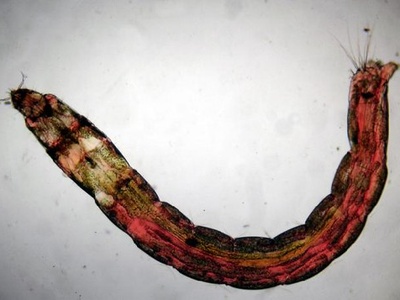
Chironomid larva
Chironomid larvae ingest fine organic particles and mud, stirring sediments while feeding. Often called bloodworms, they are abundant in lakes and streams at 0.2–2.5 cm and an essential link between detritus and aquatic food webs.
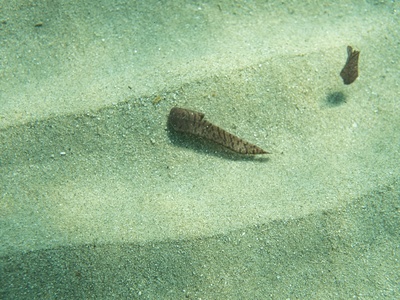
Freshwater isopod
Asellus feed on decaying plants and detrital films, shredding material and scraping microbes. At roughly 0.5–1.5 cm they help break down organic matter in freshwater habitats and are tolerant of variable conditions.
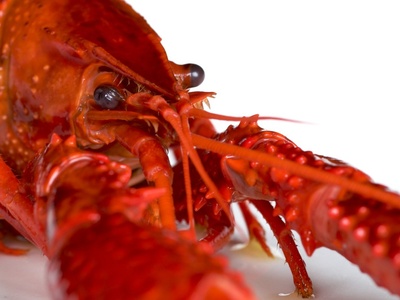
Crayfish
Crayfish are omnivores that consume decaying plants, wood and detritus as a major diet component. They shred litter, recycle nutrients and engineer habitats; adults commonly reach 10–18 cm and can be ecologically transformative when invasive.

Black soldier fly larva
Black soldier fly larvae voraciously ingest decomposing organic waste, converting it to protein‑rich biomass and frass. Measuring 2.5–5 cm, they accelerate decomposition in compost systems and are used in waste management and animal feed production.
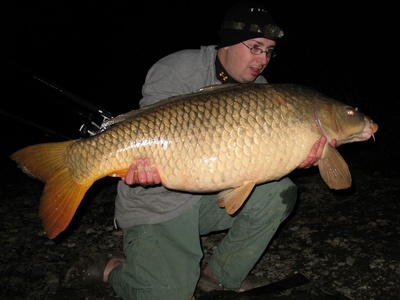
Common carp
Common carp feed heavily on benthic detritus, ingesting sediment and organic particles to extract nutrients. Growing 30–100 cm, they bioturbate sediments, influence nutrient cycling and can increase turbidity in lakes and ponds.
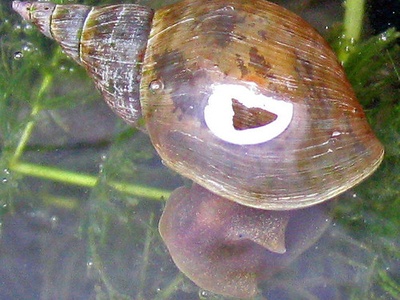
Pond snail
Pond snails graze on decaying plant material, biofilms and detritus, ingesting particles as they rasp surfaces. At 3–5 cm, they recycle nutrients in freshwater systems and serve as prey for birds and fish.
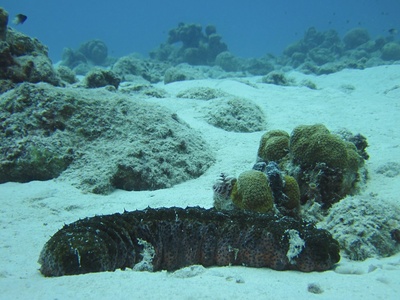
Sea cucumber
Sea cucumbers ingest sediment rich in organic matter, extracting nutrients and excreting cleaned sediment. Ranging 10–60 cm, they are major benthic recyclers that aerate seabed sediments and support nutrient regeneration for marine communities.
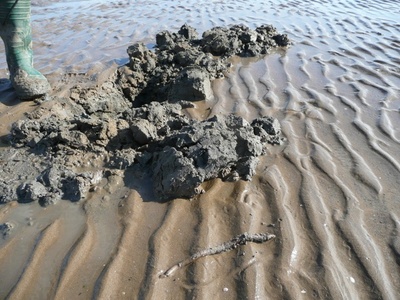
Lugworm
Lugworms ingest sand rich in detritus and microbes, digesting organic particles while bioturbating sediments. At 6–20 cm, their burrowing churns oxygen into sediments and supports diverse invertebrate communities on sandy shores.
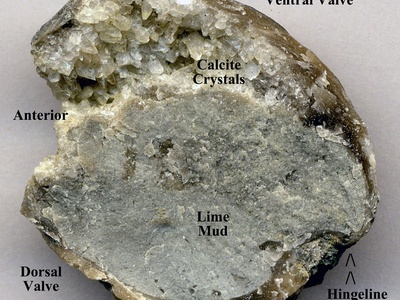
Deposit-feeding bivalve
Macoma bivalves probe sediments and ingest organic-rich particles, processing detritus and releasing nutrients. At 2–5 cm, they form dense beds that filter and recycle material, supporting estuarine productivity and stabilizing sediments.
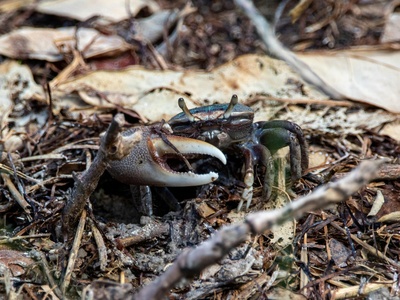
Fiddler crab
Fiddler crabs sift mud for detritus and microalgae, ingesting organic particles and producing pelletised casts. At 2–6 cm, their feeding and burrowing aerate sediments, influence nutrient distribution and shape marsh microhabitats.
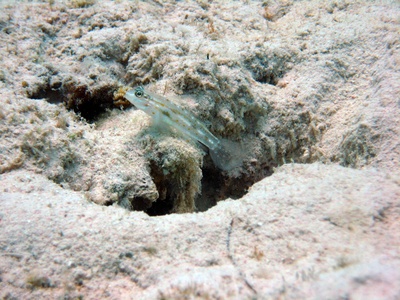
Mud shrimp
Mud shrimp feed on buried detritus and organic films in sediments, pumping and reworking sediment as they feed. At 5–15 cm, their burrows increase sediment oxygenation and create habitat complexity for other species.
Marine amphipod
Marine amphipods scavenge and graze on decaying algae and detritus, shredding material into smaller particles. At 0.3–3 cm, they are abundant in wrack and kelp forests, transferring energy to higher trophic levels.
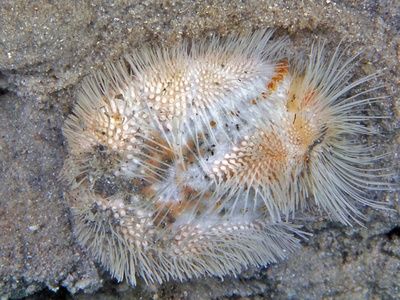
Heart urchin
Heart urchins burrow and ingest sediment, extracting organic particles and microbes. At 5–10 cm, their feeding churns sediment layers, accelerating decomposition and influencing benthic community structure in sandy seabeds.
Hermit crab (land)
Land hermit crabs scavenge and feed on decaying plant and animal matter, ingesting detritus and returning nutrients to soil. At 4–10 cm, they use empty shells for protection and play important roles in nutrient cycling on islands.
Geotrupid beetle
Earth‑boring dung beetles excavate tunnels beneath dung, consuming and burying feces. At 1–4 cm, they enhance soil aeration, speed dung breakdown and facilitate nutrient incorporation into soils and seed burial.
Garden slug
Garden slugs feed on decaying vegetation and fungal films, ingesting softened plant matter and contributing to decomposition. At 3–7 cm, they are common in moist gardens where they both recycle plant debris and occasionally nibble living plants.
Free-living nematode
Many free-living nematodes feed on decomposing organic matter, bacteria and fungi, ingesting microscopic particles. At 0.02–0.25 cm they are numerically dominant microfauna and crucial for nutrient mineralization and microbial regulation.
Saprophagous fly larvae
Small fly larvae commonly develop in dung and decaying plant matter, ingesting organic material and microbes. At 0.3–1.5 cm they accelerate decomposition, recycle nutrients and support populations of predators like beetles and birds.
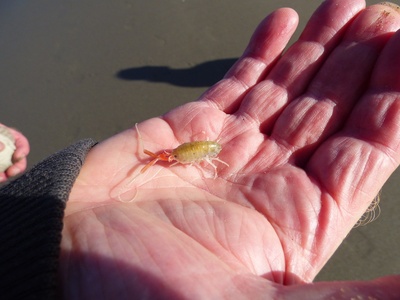
Beach hopper
Beach hoppers scavenge washed-up seaweed and detritus on shorelines, shredding organic material and accelerating decomposition. At 0.5–2 cm they are key processors of wrack, returning nutrients to coastal ecosystems and feeding shorebirds.