Dominica’s lush mountains and rainforests are home to a lively mix of resident and migratory birds, making the island a rewarding spot for birdwatching and quick field visits. Coastal scrub, freshwater pools, and mid-elevation forests each host different species, so short walks often yield surprising variety.
There are 36 Birds of Dominica, ranging from Antillean Crested Hummingbird to Zenaida Dove. The list is organized with columns for Scientific name,Status,Length (cm), which you’ll find below.
Where on Dominica should I go to see the most species?
Aim for varied habitats in a single day: lowland coastal areas for doves and shorebirds, mid-elevation forest trails for hummingbirds and flycatchers, and Morne Trois Pitons or Cabrits for upland specialists; early morning increases sightings and vocal activity.
How reliable are the status and length details in the list?
The entries combine published checklists and regional field guides, so statuses reflect current resident/rare/introduced notes and lengths are approximate in centimeters; for the latest records or rare sightings check local conservation updates or eBird alongside the Scientific name,Status,Length (cm) provided below.
Birds of Dominica
| Common name | Scientific name | Status | Length (cm) |
|---|---|---|---|
| Imperial Amazon | Amazona imperialis | Endemic | 46 |
| Red-necked Amazon | Amazona arausiaca | Endemic | 38 |
| Purple-throated Carib | Eulampis jugularis | Resident | 10 |
| Antillean Crested Hummingbird | Orthorhynchus cristatus | Resident | 11 |
| Rufous-throated Solitaire | Myadestes genibarbis | Resident | 22 |
| Scaly-naped Pigeon | Patagioenas squamosa | Resident | 36 |
| Zenaida Dove | Zenaida aurita | Resident | 23 |
| Common Ground-Dove | Columbina passerina | Resident | 15 |
| Rock Pigeon | Columba livia | Introduced | 32 |
| Bananaquit | Coereba flaveola | Resident | 11 |
| Tropical Mockingbird | Mimus gilvus | Resident | 25 |
| Brown Trembler | Cinclocerthia ruficauda | Resident | 25 |
| Scaly-breasted Thrasher | Allenia fusca | Resident | 26 |
| Lesser Antillean Bullfinch | Loxigilla noctis | Resident | 14 |
| Black-whiskered Vireo | Vireo altiloquus | Resident | 13 |
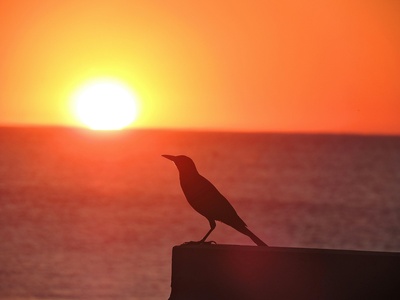
| Carib Grackle | Quiscalus lugubris | Resident | 28 |
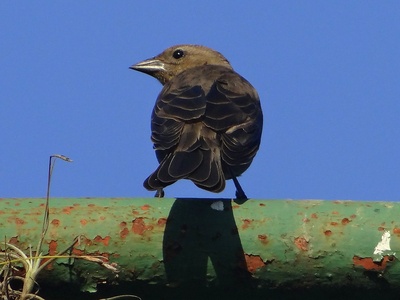
| Shiny Cowbird | Molothrus bonariensis | Vagrant | 17 |
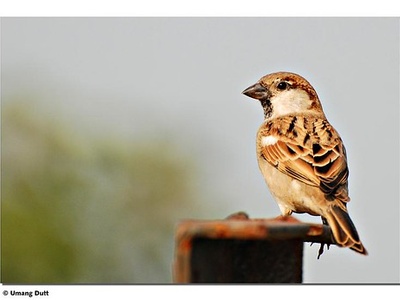
| House Sparrow | Passer domesticus | Introduced | 16 |
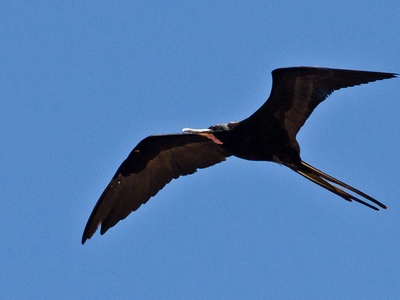
| Magnificent Frigatebird | Fregata magnificens | Resident | 89 |
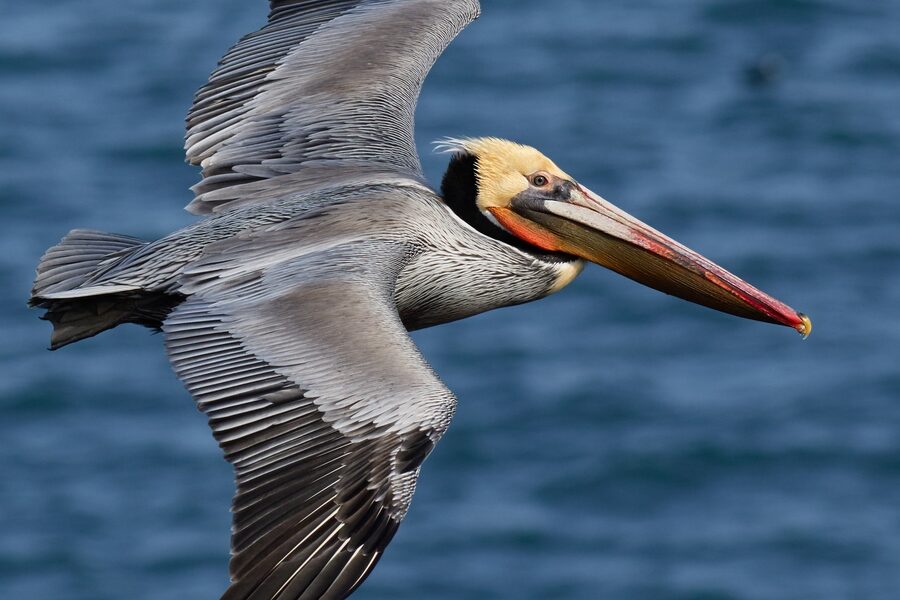
| Brown Pelican | Pelecanus occidentalis | Resident | 120 |
| Brown Noddy | Anous stolidus | Resident | 40 |
| Sooty Tern | Onychoprion fuscatus | Resident | 36 |
| Laughing Gull | Leucophaeus atricilla | Migrant | 36 |
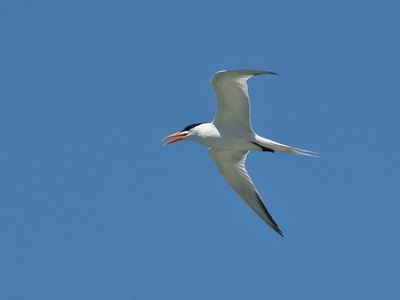
| Royal Tern | Thalasseus maximus | Migrant | 48 |
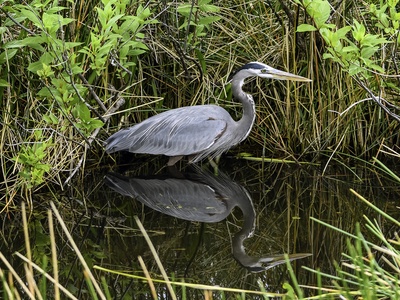
| Great Blue Heron | Ardea herodias | Resident | 115 |
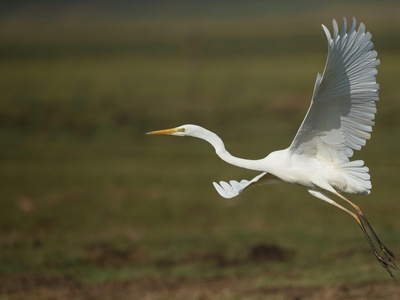
| Great Egret | Ardea alba | Resident | 100 |
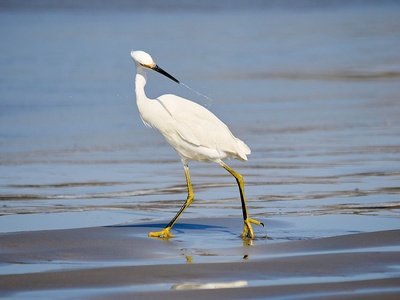
| Snowy Egret | Egretta thula | Resident | 61 |
| Cattle Egret | Bubulcus ibis | Introduced | 46 |
| Green Heron | Butorides virescens | Resident | 44 |
| Osprey | Pandion haliaetus | Migrant | 56 |
| Whimbrel | Numenius phaeopus | Migrant | 40 |
| Ruddy Turnstone | Arenaria interpres | Migrant | 22 |
| Sanderling | Calidris alba | Migrant | 18 |
| Semipalmated Sandpiper | Calidris pusilla | Migrant | 15 |
| Ruddy Quail-Dove | Geotrygon montana | Resident | 26 |
| White-crowned Pigeon | Patagioenas leucocephala | Resident | 37 |
Images and Descriptions
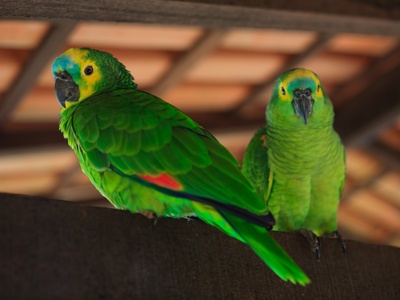
Imperial Amazon
Dominica’s iconic, large green parrot with purple-blue crown and heavy bill. Lives in high-elevation montane rainforest, secretive and endangered. Best chance to see it on guided walks in Morne Diablotins and Morne Trois Pitons National Park at dawn.
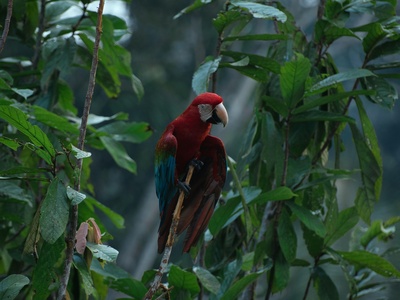
Red-necked Amazon
Stout green parrot with red throat patch and blue-tinged forehead, endemic and more numerous than the Imperial Amazon. Occupies mature forests and valleys; often heard before seen. Look for flocks near Morne Trois Pitons and central highlands at dusk.
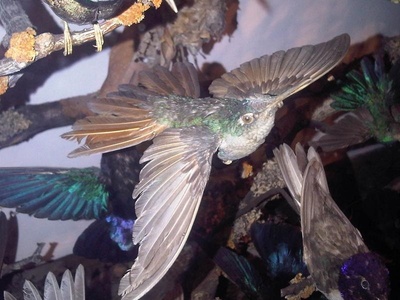
Purple-throated Carib
Vibrant hummingbird with glossy green upperparts and purple throat male; females differ. Common in gardens, forest edges and flowering trees. Frequent visitor to feeders and roadside flowering shrubs across Dominica, easy to observe at close range.
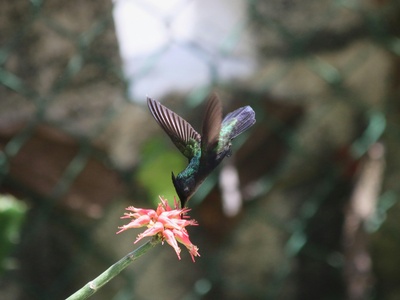
Antillean Crested Hummingbird
Tiny, iridescent hummingbird with a small crest and bronzy-green plumage. Prefers gardens, second-growth and forest edges. Readily seen at nectar feeders and flowering trees around settlements and lowland trails across the island.
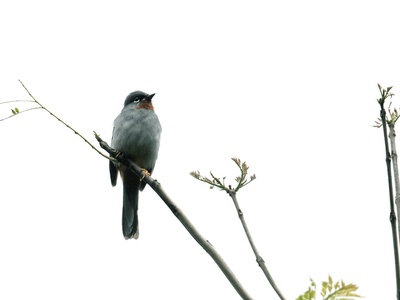
Rufous-throated Solitaire
Plain grey-brown songbird with rufous throat and stunning fluty song, common in montane forests. Often perches conspicuously while singing. Best heard and seen along higher-elevation forest trails such as those in Morne Diablotins and Trafalgar Falls area.
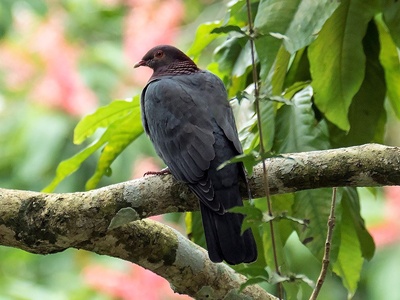
Scaly-naped Pigeon
Large, grayish pigeon with scaly neck pattern and deep cooing calls. Favors mature forest interiors and fruiting trees. Seen in forest canopy near Morne Trois Pitons, river valleys and isolated foothills feeding on fruits.
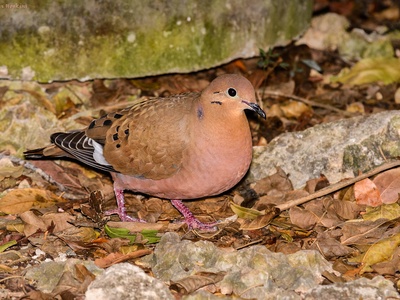
Zenaida Dove
Plump, soft gray-brown dove with subtle wing spots and gentle cooing. Common in coastal scrub, gardens and farmland. Frequently seen in open areas near villages, along roadsides and around beaches throughout Dominica.
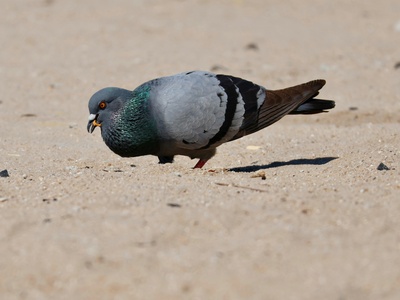
Common Ground-Dove
Small, stocky dove with mottled brown plumage and short tail. Ground-forager that frequents open fields, gardens and edges of wooded areas. Look for them on lawns, airstrips and roadside clearings around coastal communities.
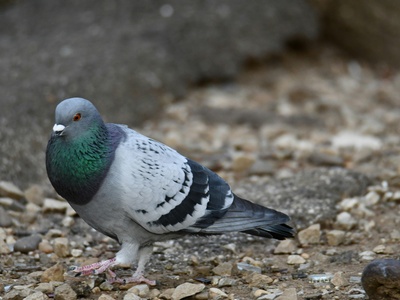
Rock Pigeon
Familiar urban pigeon with variable gray plumage and iridescent neck. Found around towns, ports and villages. Often seen perching on buildings and foraging in urban squares and fishing harbors along Dominica’s coastal settlements.
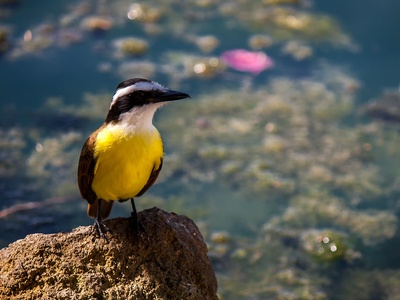
Bananaquit
Tiny active bird with curved bill, black face and bright yellow belly. Feeds on nectar, insects and fruit. Common in gardens, forest edges and mangroves; often visits flowering shrubs and sugar feeders in towns and rural areas.
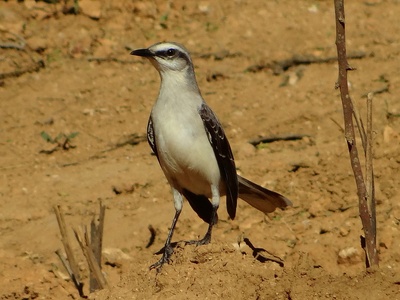
Tropical Mockingbird
Medium gray songster with whitish underparts and bold white wing patches in flight. Bold and adaptable in gardens, farmland and dry coastal scrub. Frequently seen perched on fences and utility wires across Dominica, singing a varied repertoire.
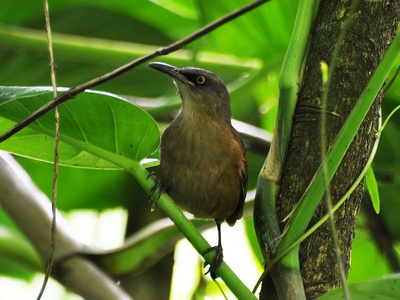
Brown Trembler
Cryptic, brown songbird known for trembling wing displays. Prefers dense understory and forest edges in lowland and foothill rainforest. Often shy but can be located by its distinctive vocalizations in Morne Trois Pitons and valley forests.
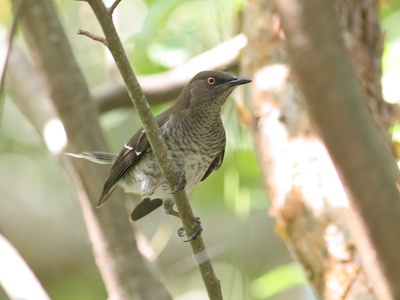
Scaly-breasted Thrasher
Streaked, olive-brown thrashers with scaly breast pattern and long tail. Secretive in dense undergrowth and coastal scrub. Search for them in lowland forest, shrubland and along trails where they flick through leaf litter for insects and fruit.

Lesser Antillean Bullfinch
Compact finch with subtle coloration—males darker, females browner. Common in gardens, second-growth and forest edges. Often seen in pairs or small groups around villages, agricultural areas and along lower-elevation trails.
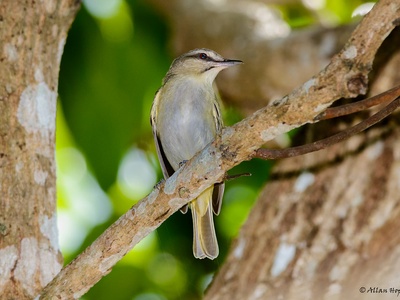
Black-whiskered Vireo
Small olive-green songbird with white eyebrow and fine dark “whisker” streaks. Perches conspicuously in canopy gleaning insects. Found in forest edges, mangroves and gardens; easily located by persistent, buzzy song near coast and inland.
Carib Grackle
Glossy black passerine with long tail and harsh calls. Common in open areas, villages, agricultural land and mangroves. Bold and opportunistic; often forages near human habitation, beaches and roadside gutters across Dominica.
Shiny Cowbird
Small, glossy black brood-parasitic bird that occasionally reaches Dominica as a vagrant. Males are glossy black, females streaked. Look for them near pastures and open areas when reported; not a regular resident but recorded on occasion.
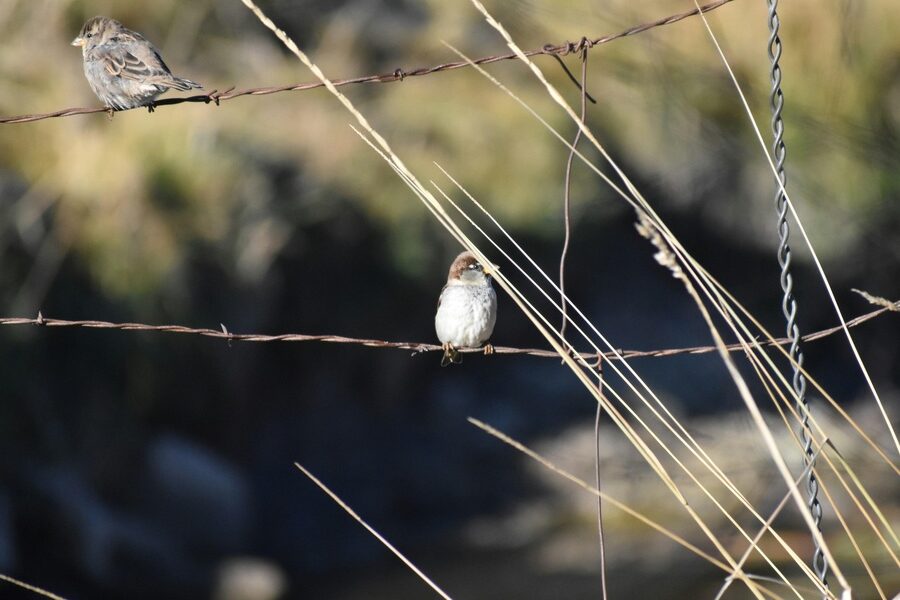
House Sparrow
Familiar small brown and gray bird associated with human settlements. Nests in buildings and feeds on scraps. Widespread around towns, markets and harbors; common in populated areas across Dominica.
Magnificent Frigatebird
Large, black seabird with long wings, forked tail and males’ red gular pouch during breeding. Soars over coasts and harasses other seabirds for food. Best seen offshore, over harbors and around fishing boats along Dominica’s coastline.
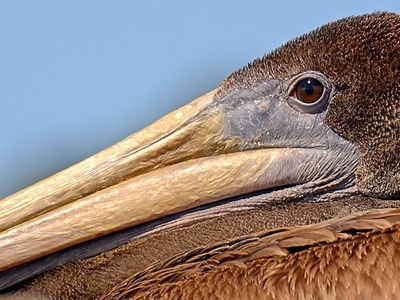
Brown Pelican
Large coastal bird with heavy bill and throat pouch, dark brown body and pale head. Forages by surface plunging and loafs on rocks and buoys. Regular along coasts, estuaries and near fishing boats around Dominica.
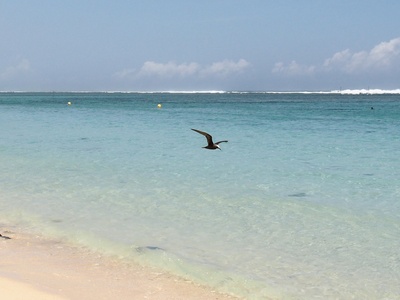
Brown Noddy
Dark, gentle tern-like seabird with dark cap and pale forehead. Nests in coastal cliffs and offshore islets; often seen loafing on buoys and flying low over bays. Common around offshore stacks and coastal fishing areas.
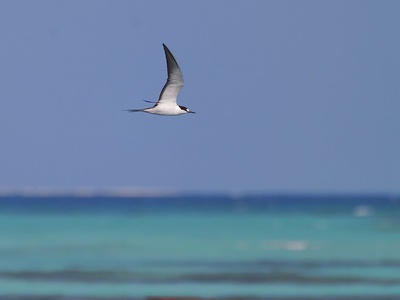
Sooty Tern
Slim, dark-backed tern with a sharp head pattern, spends most life at sea and nests on offshore islands. Seen offshore in large flocks and during pelagic trips; common on nights and coastlines during breeding season.
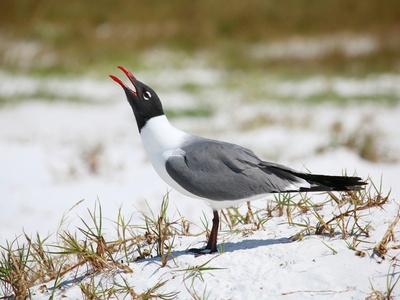
Laughing Gull
Medium gull with black hood in breeding plumage and raucous calls. Visits coasts, beaches and harbors, especially in migration and winter. Frequently seen scavenging around ports, beaches and estuaries across Dominica.
Royal Tern
Large tern with bright orange bill and black crest in breeding season. Common along sandy beaches and coastal waters hunting small fish. Seen from shorelines and boat trips, especially near river mouths and sandy bays.
Great Blue Heron
Tall, slate-blue heron with long neck and dagger bill. Wades in shallow water hunting fish and amphibians. Found in mangroves, river mouths, ponds and coastal lagoons; often seen standing motionless along shores and estuaries.
Great Egret
Elegant large white egret with long black legs and yellow bill. Forages in shallow marshes, mangroves and coastal flats. Widespread and conspicuous at wetlands, river mouths and tide pools around Dominica.
Snowy Egret
Slender white egret with black bill, yellow lores and lacy plumes in breeding season. Active wader in shallow waters and mudflats. Common in mangroves, estuaries and lagoons; easily spotted by its delicate foraging movements.
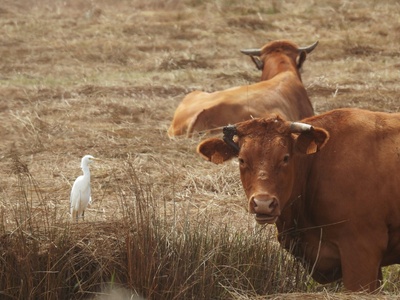
Cattle Egret
Stocky white heron often found in fields and near livestock, feeding on insects stirred by grazing. Adaptable in open habitats and roadside clearings. Increasingly common in agricultural areas and pastures across Dominica.
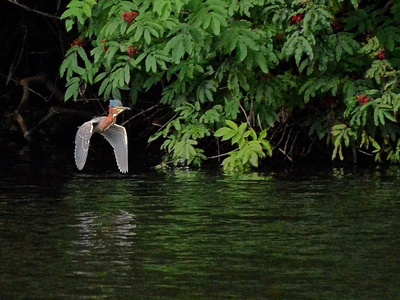
Green Heron
Compact, short-necked heron with greenish back and chestnut neck. Prefers shaded edges of streams, mangroves and small ponds. Secretive but regularly seen along riverbanks, garden ponds and forested streams on the island.
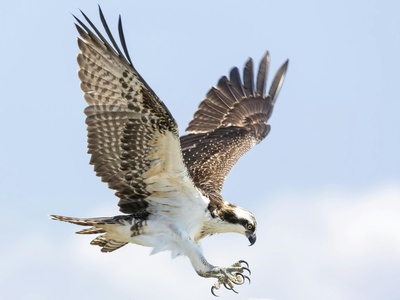
Osprey
Fish-eating raptor with white underparts and dark eye stripe, nests on high posts and cliffs. Regular migrant and occasional breeder, seen along coasts, bays and river mouths diving for fish from perches or in flight.
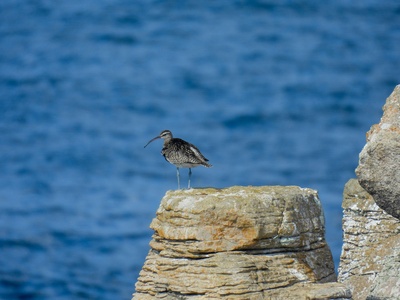
Whimbrel
Large curlew-like shorebird with distinctive barred back and downcurved bill. Migrant visitor on mudflats, sandy shores and rocky coasts during passage. Look for feeding flocks at low tide on beaches and estuaries.
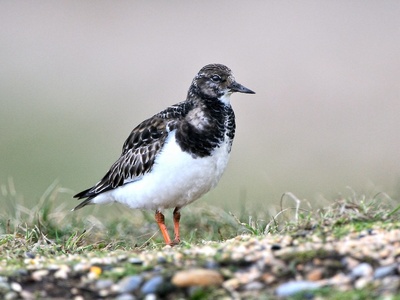
Ruddy Turnstone
Stocky shorebird with bold patterned plumage, flips stones and debris searching for invertebrates. Common migrant and winter visitor on rocky shores and tidal pools. Easily observed along Dominica’s rocky beaches and jetty areas.
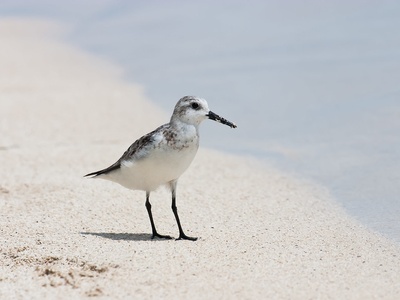
Sanderling
Small, pale sandpiper that runs in tight flocks along the surf, probing wet sand for crustaceans. Winter migrant and passage visitor. Best seen on exposed sandy beaches and spits during low tide.
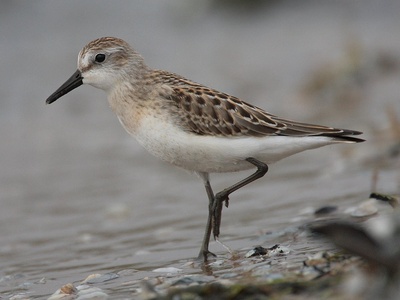
Semipalmated Sandpiper
Tiny, compact sandpiper with short black bill and partially webbed toes. Common migrant stopping on mudflats and sandy beaches to feed. Look for small flocks among other peeps at estuaries and tidal flats.
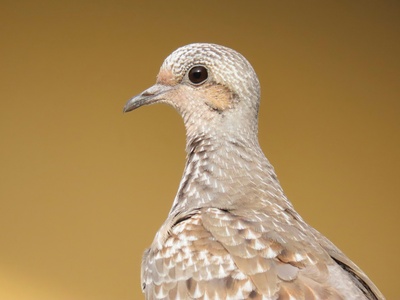
Ruddy Quail-Dove
Ground-dwelling dove with rich russet and blue-gray tones, preferring dense wet forest understory. Shy and furtive, best located by distinctive low cooing. Search leaf-littered trails in mature rainforest and gullies inland.
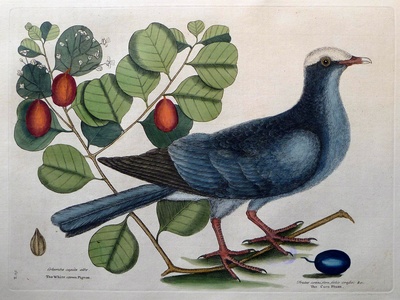
White-crowned Pigeon
Large, dark pigeon with white crown and strong flight, dependent on coastal and inland fruiting trees. Often visits mangroves and seaward cliffs; vulnerable to hunting and habitat loss. Seen in coastal forests, mangroves and fruiting trees.