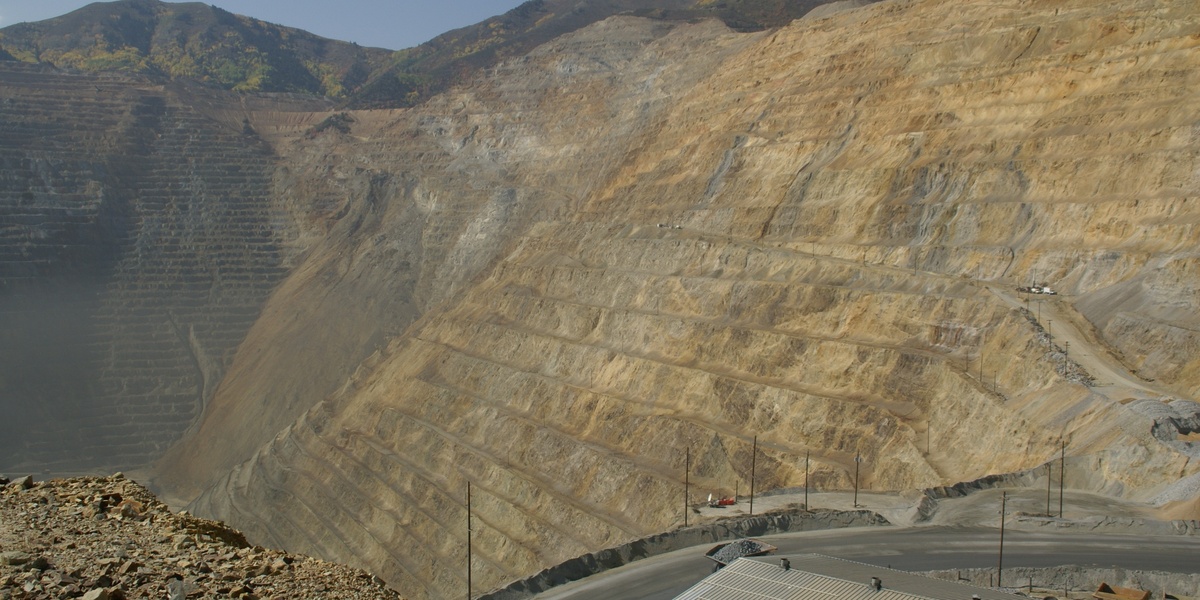
Chile’s long, narrow landscape — from the Atacama Desert to the Andes foothills — contains a wide range of mineral resources that have shaped its economy and settlement patterns. Mining towns, coastal ports and large open-pit operations all reflect how geology and infrastructure connect in Chile.
There are 21 Minerals in Chile, ranging from Boron (borates) to Talc. For each, the list shows Annual production (t / USD),Main regions / deposits,Main uses — you’ll find the full details below.
Which minerals contribute most to Chile’s export value and where are they concentrated?
Copper is the dominant export earner, centred in northern regions like Antofagasta and Atacama (large open-pit mines). Lithium from salt flats (Salar de Atacama) and molybdenum as a copper by-product also add value; industrial minerals such as borates, nitrates and talc support manufacturing and domestic industries across different regions.
How up-to-date and comparable are the production and value figures in the list?
Production and value numbers change yearly and depend on source reporting; the table combines physical output (t) with dollar values (USD) when available, but check each item’s cited year and source (government agencies, company reports, USGS) for the most current comparisons.
Minerals in Chile
| Mineral | Annual production (t / USD) | Main regions / deposits | Main uses |
|---|---|---|---|
| Copper | 5,600,000 t | Antofagasta, Atacama, O’Higgins; Escondida, Chuquicamata, El Teniente | Electrical wiring, construction, electronics |
| Lithium (LCE) | 80,000 t | Salar de Atacama (Antofagasta), Salar de Maricunga, Salar del Carmen | Rechargeable batteries, EVs, ceramics, glass |
| Molybdenum | 40,000 t | Byproduct at porphyry copper deposits (Antofagasta, Atacama, O’Higgins) | Steel alloys, catalysts, lubricants |
| Gold | 6 t | Norte Chico and Norte Grande epithermal deposits; La Coipa, El Peñón | Jewelry, reserves, electronics |
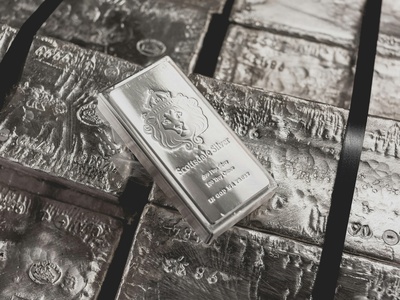
| Silver | 3,000 t | Associated with copper and gold deposits across Norte Grande | Jewelry, electronics, industrial catalysts |
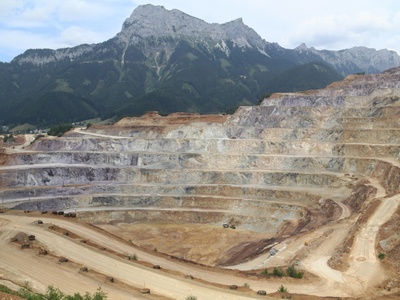
| Iron ore | 20,000,000 t | Northern and central regions; coastal and inland deposits (varied mines) | Steelmaking, construction, manufacturing |
| Iodine | 3,000 t | Atacama caliche deposits (Tarapacá, Antofagasta) | Pharmaceuticals, disinfectants, nutrition, catalysts |
| Nitratine (sodium nitrate) | Historical peak ~1,000,000 t (late 19th c) | Atacama Region caliche deposits (Tarapacá, Iquique) | Fertilizers, explosives, chemical feedstock (historical) |
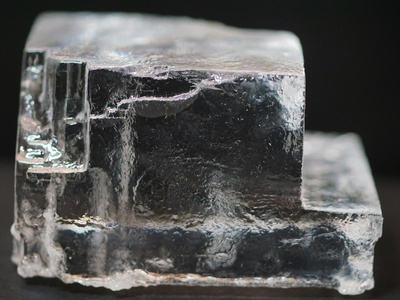
| Halite (salt) | 5,000,000 t | Coastal saltworks and salars (Antofagasta, Atacama) | Table salt, industrial chemicals, de-icing, chemical feedstock |
| Sulfur (native / recovered) | 500,000 t | Byproduct of copper smelting and gas fields (northern Chile) | Sulfuric acid, fertilizers, chemicals |
| Potash (sylvite/KCl) | Variable/Small-scale | Salar basins (Atacama, northern salars) and minor deposits | Fertilizers, industrial chemicals |
| Gypsum | Variable/Local production | Northern and central basins; near-surface sedimentary deposits | Construction plaster, cement, agriculture soil amendment |
| Rhenium | 30 t | Recovered as byproduct from molybdenum/copper concentrates (Northern mines) | Aerospace superalloys, catalysts, electronics |
| Boron (borates) | Variable/Small-scale | Minor occurrences in salars and evaporites (north) | Glass, ceramics, detergents, agriculture |
| Graphite | Variable/Small-scale | Scattered deposits in northern and central Chile | Refractories, battery anodes, lubricants |
| Cobalt | 1,000 t (approx, byproduct) | Produced as byproduct in some copper and nickel concentrates (northern mines) | Batteries, superalloys, catalysts |
| Calcite (limestone) | Variable/Millions of tonnes domestically | Central Chile quarries, sedimentary basins near industrial centers | Cement, lime, construction materials, soil treatment |
| Fluorite | Variable/Small-scale | Occurrences in northern hydrothermal veins (Antofagasta, Atacama) | Flux in steelmaking, hydrofluoric acid, ceramics |
| Chalcopyrite | Produced as ore (component of copper output) | Porphyry copper deposits across Norte Grande and Central Chile | Primary copper ore mineral for smelting and refining |
| Hematite | Included within iron ore production | Iron-bearing deposits in north and central regions | Steelmaking, iron production, pigments |
| Talc | Variable/Small-scale | Scattered metamorphic and hydrothermal bodies (central Chile) | Cosmetics, ceramics, paper, plastics |
Images and Descriptions
Copper
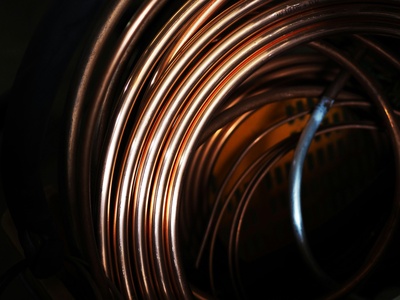
Chile is the world’s largest copper producer; porphyry and oxide deposits in the north and central Andes fuel exports, jobs and industrial supply chains. Copper drives Chile’s economy and underpins global electrification and infrastructure.

Lithium (LCE)
Lithium from brines in northern salars makes Chile a top LCE producer. Its lithium carbonate and chloride feed battery supply chains for electric vehicles and energy storage, increasing strategic interest and investment.
Molybdenum
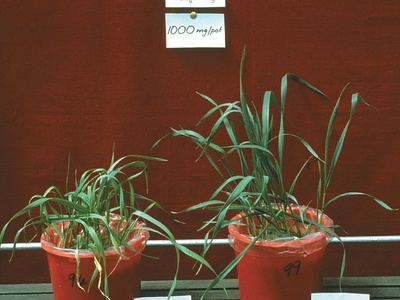
Molybdenum is mainly recovered as a byproduct of Chile’s copper porphyries. It strengthens steel and serves in chemical catalysts; Chile’s molybdenum supports global alloy and industrial needs.
Gold
Gold is produced both in dedicated mines and as a byproduct of copper operations. Chilean gold supports national exports and local mining towns, with historic and modern epithermal deposits across the Andes.
Silver
Silver is commonly recovered alongside copper and gold. Its uses range from jewelry to electronics and industrial applications; silver contributes meaningful byproduct revenue to Chilean mines.
Iron ore
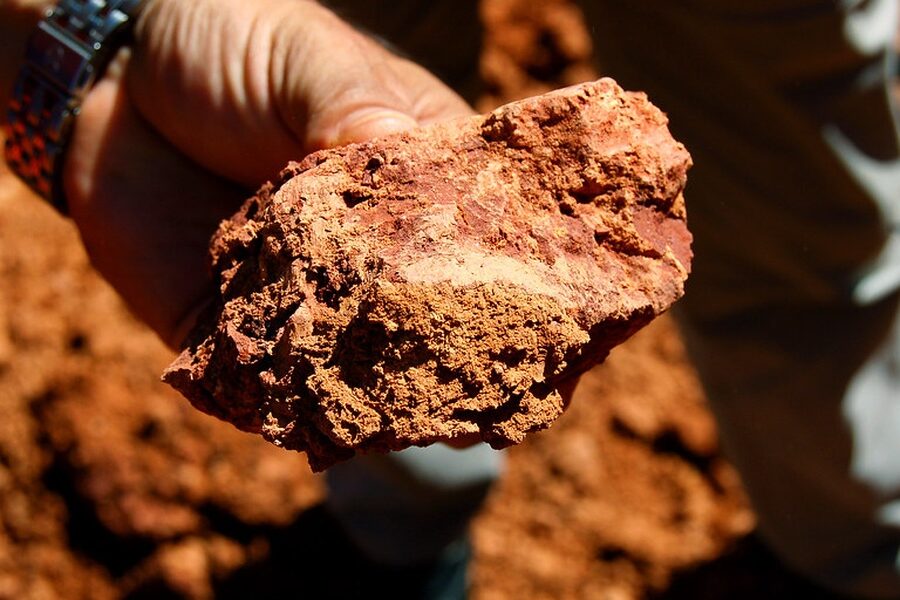
Iron minerals like hematite and magnetite are mined for domestic steel and export. Iron ore supports Chilean industry and regional infrastructure, though it’s a smaller export than copper.
Iodine
Chile is a leading global iodine supplier, recovered from caliche and brines in the Atacama. Iodine is essential in medicine, disinfectants and industrial chemicals, making it strategically valuable for exports.
Nitratine (sodium nitrate)
Natural sodium nitrate (nitratine) fueled Chile’s 19th–early 20th century economy (saltpeter boom). Today production is minimal but the mineral shaped national history and led to large mining towns.
Halite (salt)
Halite from coastal evaporation ponds and salars supplies domestic consumption and chemicals industry. Salt production supports food processing, industrial chlorine and local coastal economies.
Sulfur (native / recovered)
Sulfur is produced as smelter byproduct and from gas; converted mainly to sulfuric acid for the copper industry and fertilizers. It’s a key input for mineral processing and agriculture.
Potash (sylvite/KCl)
Chile has potash in saline basins and salt flats; production is limited compared with global leaders. Potash is important for fertilizer manufacture and local agricultural inputs.

Gypsum
Gypsum is quarried for construction and cement industries. Local deposits supply regional building materials and agricultural uses, typically in medium-to-small operations.
Rhenium
Chile supplies a significant share of global rhenium via molybdenum and copper processing. Rhenium’s rarity and high melting point make it valuable for jet engines and specialized catalysts.
Boron (borates)
Chile hosts some borate-bearing evaporites and brines; production is modest compared with neighboring countries. Borates are used in glassmaking, ceramics, detergents and as agricultural micronutrients.
Graphite
Natural graphite occurrences exist and are mined at small scale. Graphite is used in refractories, lubricants and, increasingly, as precursor material for battery anodes in advanced industries.
Cobalt
Cobalt appears in small quantities in Chilean copper ores and is recovered as a byproduct. It feeds battery and alloy markets, though Chile’s cobalt output is far smaller than major producers.
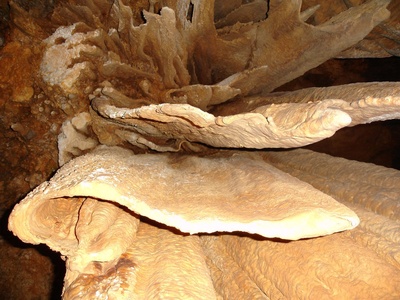
Calcite (limestone)
Calcite (limestone) is quarried for cement and aggregate, essential to Chile’s construction sector. Large domestic consumption supports regional quarrying and cement production.
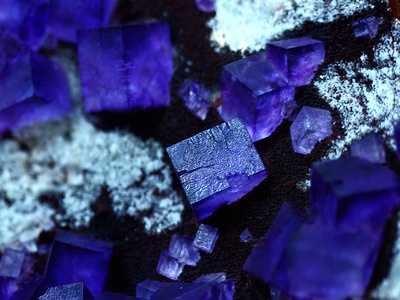
Fluorite
Fluorite (fluorspar) occurs in vein deposits and is produced locally at modest scale. It’s mainly used as a flux in steelmaking and to produce hydrofluoric acid for chemical industries.
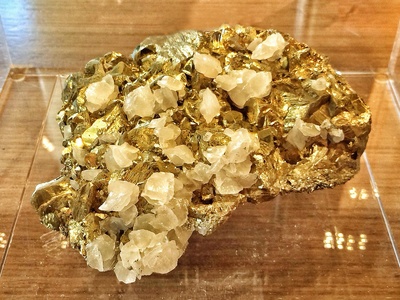
Chalcopyrite
Chalcopyrite is the main copper sulfide ore mineral in Chile’s porphyry systems. It’s the principal source of copper metal and defines much of the country’s mining geology.
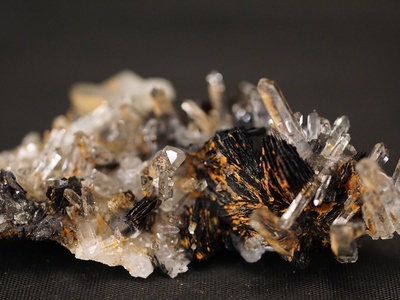
Hematite
Hematite is a common iron ore mineral in Chile. Mined for steelmaking, it appears both as bedrock deposits and as secondary accumulations linked to regional geology.
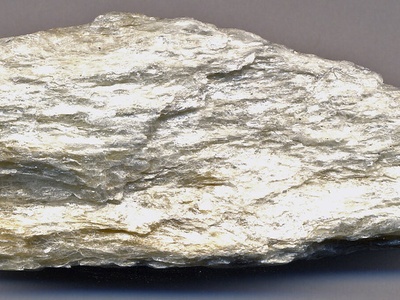
Talc
Talc occurs in localized metamorphic bodies and is quarried in small operations for use in ceramics, plastics and cosmetics. Production is niche but supplies local industrial needs.