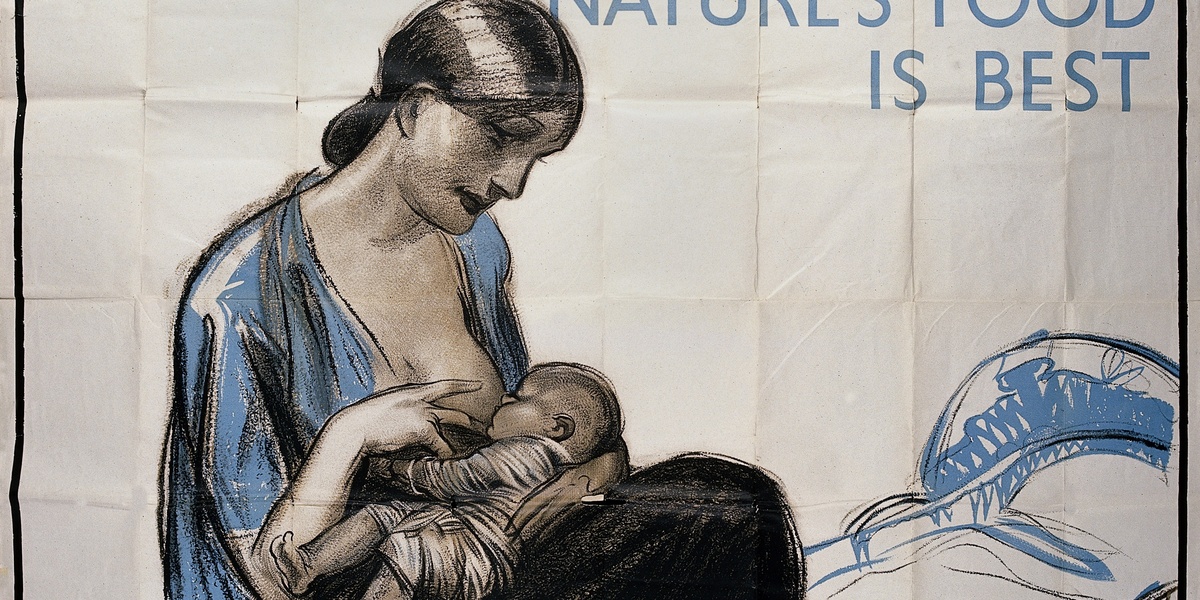
In 1979 the World Health Organization released its first formal guidance encouraging breastfeeding as the best source of infant nutrition — a recommendation that reshaped public health policy worldwide.
Many parents today still face conflicting advice about feeding and are unsure which claims are evidence-based. That confusion matters: feeding choices affect infant survival, short- and long-term health, and family finances.
This piece lays out seven clear, research-backed facts about breastfeeding to help parents and policymakers make informed decisions. The facts are grouped into three areas: benefits for babies, benefits for mothers, and the practical, economic and societal impacts of breastfeeding. Read on for concise evidence, real-world examples, and practical takeaways.
Health benefits for babies

Breast milk is not just food; it contains live immune factors and a changing mix of nutrients that match an infant’s developmental needs. The World Health Organization recommends exclusive breastfeeding for the first six months of life, and major reviews (including the 2016 Lancet series) link breastfeeding to substantial reductions in infant illness and death.
1. Antibodies and immune protection (colostrum is powerful medicine)
Breast milk — especially the first milk, colostrum — delivers high concentrations of antibodies (notably secretory IgA) and immune cells that help shield newborns from infection.
Evidence shows breastfed infants have lower rates of respiratory and gastrointestinal infections. Pooled analyses and public-health reviews report that exclusive breastfeeding in early infancy can cut diarrheal disease and some respiratory infections by roughly half compared with non‑breastfed infants (see WHO and CDC summaries and the 2016 Lancet series for detailed figures).
For parents this means fewer clinic visits, less antibiotic use, and important protection while vaccine schedules are still building immunity. Hospitals that implement early skin-to-skin contact and active lactation support (the Baby‑Friendly Hospital Initiative) routinely report higher exclusive-breastfeeding rates and fewer early infant admissions for feeding‑related problems.
2. Nutrition tailored to developmental needs (dynamic composition)
Breast milk’s composition changes over time to match a baby’s needs: colostrum is protein- and antibody‑rich, transitional milk adjusts calories and fat, and mature milk provides a balance of fats, carbohydrates and enzymes.
It contains long-chain polyunsaturated fatty acids (including DHA) and other bioactive molecules that have been linked to better visual acuity and cognitive outcomes in some studies (WHO and peer‑reviewed research discuss these links and the value of DHA for brain development).
In practice, that dynamic mix supports feeding responsiveness and development in ways formula can only partly replicate. Simple patterns — like the difference between foremilk (thinner) and hindmilk (higher in fat) — help explain why full feeds often make infants more satisfied and sleep for longer stretches.
3. Lower risk of SIDS and chronic childhood illnesses
Breastfeeding is associated with lower rates of sudden infant death syndrome (SIDS) and several chronic conditions in childhood.
Meta-analyses have found breastfeeding reduces SIDS risk (estimates vary by study; some analyses suggest reductions up to about 50% for breastfed infants). Longer breastfeeding has also been linked with lower childhood rates of asthma, type 1 diabetes, and obesity in multiple cohort studies and pooled analyses.
These reduced risks inform public-health messaging: promoting breastfeeding is part of broader strategies to lower infant morbidity and mortality. For example, national programs that improved breastfeeding initiation and duration often report declines in infant hospital admissions for respiratory and GI conditions in the first year of life.
Health benefits for mothers

Nursing yields immediate physiological effects and longer-term health benefits for birthing parents. In the short term, breastfeeding supports uterine contraction and recovery; over the years, cumulative breastfeeding is linked with reduced risks of certain cancers and metabolic disease.
4. Faster postpartum recovery and immediate health benefits
When a mother breastfeeds, oxytocin is released and helps the uterus contract, which can reduce postpartum bleeding and support uterine involution.
Clinical observations and trials report that mothers who begin breastfeeding early (supported by skin-to-skin contact and lactation counseling) often experience fewer interventions for bleeding and report faster initial recovery. Some studies also note that breastfeeding can help with gradual postpartum weight loss in certain populations.
Hospitals that adopt Baby‑Friendly practices — immediate skin-to-skin, rooming‑in, and early access to lactation consultants — typically see higher breastfeeding initiation and better maternal recovery markers in the first days after birth.
5. Lower long-term risk of breast, ovarian cancer and metabolic disease
Longer cumulative breastfeeding is associated with measurable reductions in the risk of breast and ovarian cancer and with lower incidence of type 2 diabetes in some cohort studies.
Large meta-analyses report that each year of breastfeeding is linked with a modest but meaningful reduction in breast cancer risk; similarly, pooled data suggest reduced ovarian cancer risk with longer breastfeeding duration. Several longitudinal studies also find lower rates of type 2 diabetes and favorable cardiometabolic profiles among mothers who breastfed, though effect sizes vary by population and study design.
For public-health planners, these findings position breastfeeding not only as an infant‑health intervention but as a life-course strategy for women’s health. Many national guidelines now include breastfeeding among recommended preventive health measures for mothers.
Practical, economic and societal impacts

Breastfeeding is also a practical and economic choice with effects beyond individual health. It can save families money, reduce healthcare use, and interact with workplace and social policies in ways that change how long parents can or do breastfeed.
6. Economic savings for families and health systems
Choosing to breastfeed often reduces out-of-pocket costs for formula, and because breastfed infants tend to have fewer early infections, short-term healthcare utilization can decline.
In many high‑income settings, formula costs for the first year commonly fall in the range of $1,200–$1,800 (varies by brand and feeding patterns). At the population level, economic models show that higher breastfeeding rates translate into sizable health‑care savings and productivity gains due to fewer infant illnesses and less parental absenteeism.
Families can use these estimates when budgeting for a new baby, and employers can weigh the modest cost of lactation rooms and flexible breaks against reduced absenteeism and staff turnover. Several public-health campaigns that boosted early breastfeeding also documented reductions in clinic visits and emergency visits for infant infections.
7. Bonding, maternal mental health, and societal support needs
Breastfeeding often fosters parent–infant bonding through close contact and the hormone oxytocin, which can support positive mood states — though experiences vary and not every parent finds breastfeeding easy or mood‑enhancing.
Research on breastfeeding and postpartum depression shows mixed results: some studies report modest protective effects, others find no clear relationship once confounders are accounted for. That nuance highlights the role of support: paid parental leave, workplace lactation facilities, and accessible lactation counseling strongly influence whether parents can breastfeed as long as they wish.
Countries with generous leave policies (for example, Sweden and Norway) and employers that offer lactation rooms and scheduled breaks report higher breastfeeding duration. Practical advice for parents is to seek lactation support early, discuss accommodations with employers, and use community resources when needed. And remember: feeding decisions are personal — support matters regardless of the chosen method.
Summary
- Breast milk combines immune protection and adaptable nutrition that together lower common infant infections and contribute to lower infant mortality (see WHO and the 2016 Lancet breastfeeding series).
- WHO recommends exclusive breastfeeding for the first 6 months; these facts about breastfeeding include both immediate benefits (colostrum, infection protection) and long‑term advantages for mother and child.
- For mothers, early nursing aids postpartum recovery and longer cumulative breastfeeding links to reduced risks of certain cancers and metabolic disease.
- Economic and societal supports — from workplace lactation rooms to paid parental leave — materially increase breastfeeding duration and yield family and health‑system savings.
- If you’re deciding how to feed your baby, seek evidence-based lactation help (local lactation consultants or WHO/CDC guidance), and ask employers or policymakers to consider paid leave and lactation accommodations.