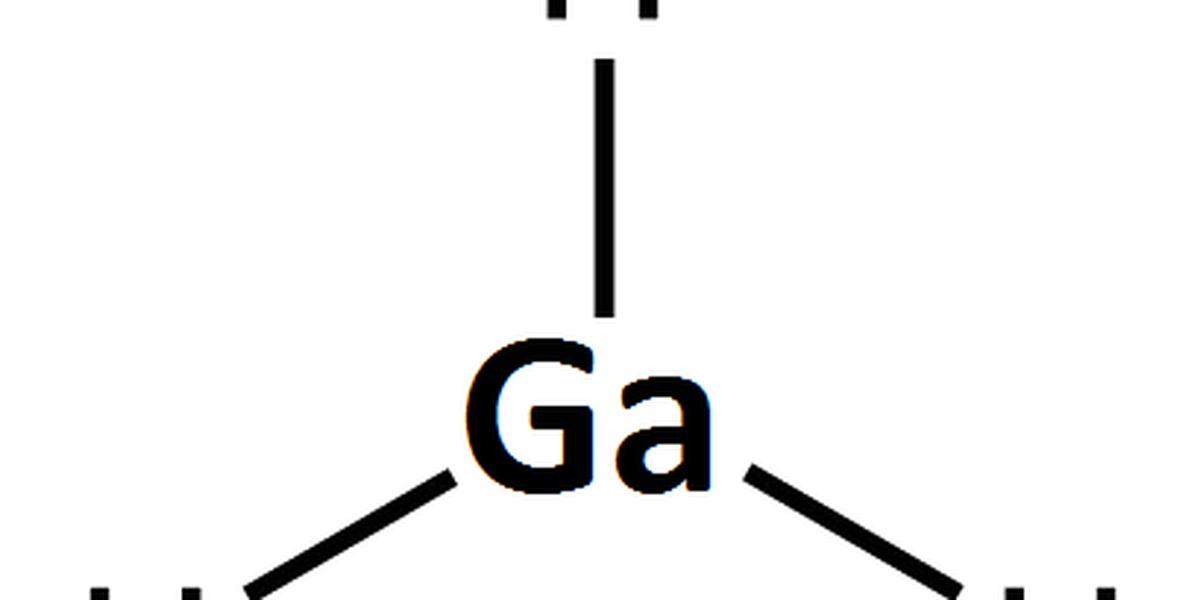
In 1875, Paul-Émile Lecoq de Boisbaudran spotted a faint but unmistakable spectral line and announced a new element: gallium. A neat historical moment, and a good reminder that tiny signals can reveal interesting chemistry. Gallium is element 31 (atomic number 31) and has a striking physical quirk — it melts at about 29.76°C, so a warm hand will turn a solid into a silvery liquid. That low melting point, plus gallium’s tendency to form oxides, halides and low-melting alloys, means its reactions show up in everything from LEDs and power electronics to liquid-metal cooling and surprising materials failures. Below I list 10 elements gallium reacts with, grouped into three practical categories: Oxygen and the Halogens; Metals and Liquid Alloys; and Other Reactive Elements. For precise thermochemical and safety data, consult IUPAC or NIST references.
Oxygen and the Halogens
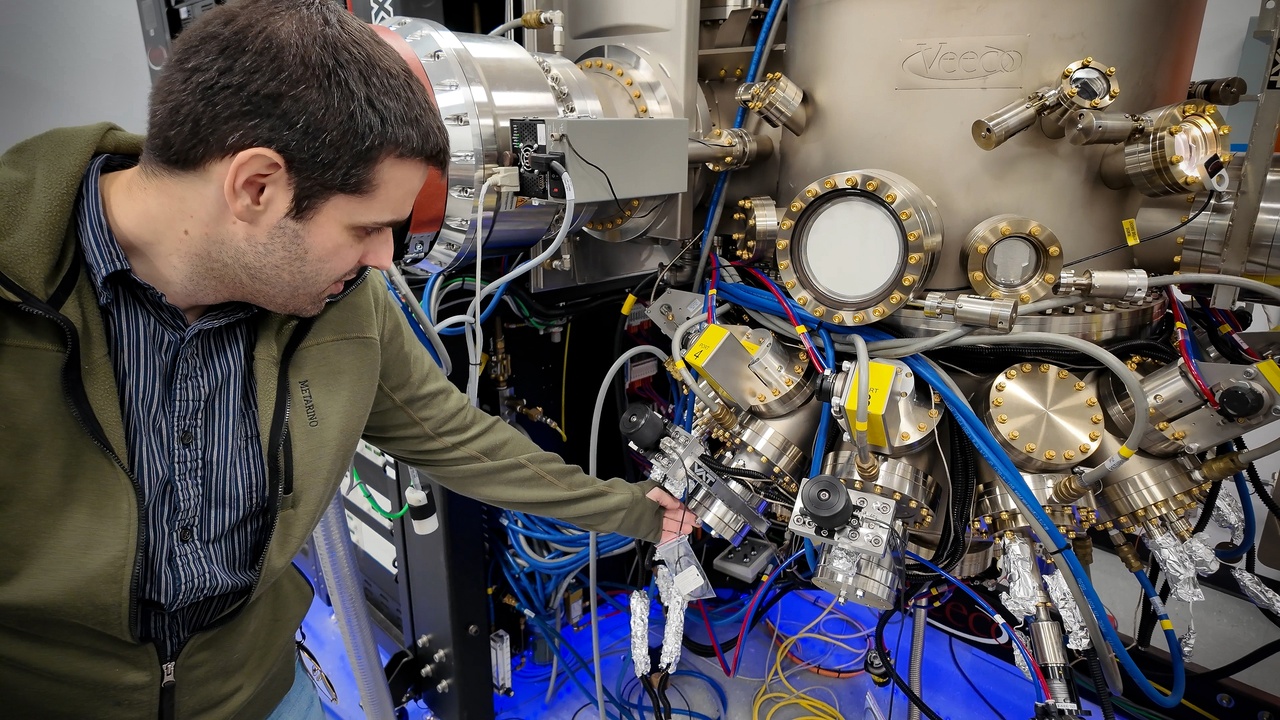
This group covers nonmetals that form stable binary compounds with gallium. In air, gallium readily forms a surface oxide; with the halogens it gives molecular trihalides (GaX3). Those products matter: the oxide passivates surfaces and shapes wetting behavior, while the halides are useful Lewis acids and precursors in synthesis and thin-film growth. Handle reactive halogens with proper ventilation and protective equipment — they’re corrosive and sometimes toxic.
1. Oxygen — Forms gallium oxide (Ga2O3)
Gallium exposed to air develops a thin oxide layer, primarily Ga2O3, within minutes at room temperature. That surface film is enough to change soldering or wetting behavior compared with a fresh clean metal surface.
Ga2O3 is a wide-bandgap semiconductor (reported bandgap around 4.8–5.0 eV) and has drawn attention for high-voltage and high-temperature electronics. Researchers study bulk crystals and thin films for power transistors and ultraviolet photodetectors.
Practically, the native oxide helps protect gallium from further corrosion but complicates processes that require excellent wetting or electrical contact; engineers either remove the oxide chemically or exploit it as a passivation layer during device fabrication. For bandgap and thermochemical specifics, check IUPAC or NIST materials reviews.
2. Fluorine — Vigorous fluorination to GaF3
Fluorine reacts aggressively with gallium to produce gallium fluoride (GaF3) and related fluorinated species. Given fluorine’s extreme reactivity, these reactions are typically carried out under tightly controlled conditions in specialized equipment.
GaF3 is a stable inorganic compound that finds niche use in materials chemistry and as a precursor for other gallium-based fluorides. Fluorination chemistry can enable etching or surface functionalization but demands strict safety protocols due to the hazards of fluorine gas and hydrogen fluoride.
3. Chlorine — Forms gallium trichloride (GaCl3)
Gallium reacts with chlorine to give gallium trichloride (GaCl3), one of the more common gallium halides used in labs. Anhydrous GaCl3 is a Lewis acid and a convenient precursor for organogallium compounds and other gallium salts.
In industry and research, GaCl3 serves as a starting material for chemical vapor deposition and for synthesis of gallium-containing semiconductors. Handle the anhydrous material under dry conditions, and consult chemical suppliers or safety datasheets for melting points and storage recommendations.
4. Bromine — Produces GaBr3 and related compounds
Bromine reacts with gallium under controlled conditions to yield gallium bromide species such as GaBr3. The bromides generally mirror chloride chemistry but differ in volatility and reactivity, which can be exploited in synthesis.
GaBr3 and related bromides are used as intermediates when preparing organogallium reagents or specialized catalysts. Working with bromine requires fume hoods and appropriate personal protective equipment because bromine is corrosive and irritating.
5. Iodine — Forms GaI3 and iodides for synthesis
Iodine reacts with gallium to make gallium iodides such as GaI3. Iodides tend to have larger ionic radii and different solubility and volatility profiles compared with chlorides or bromides, which can be useful for particular synthetic routes.
GaI3 is employed in specialized organometallic chemistry and sometimes as a precursor for vapor-phase processes when volatility suits a given deposition method. Authors in inorganic chemistry journals describe straightforward lab preparations for these iodides.
Metals and Liquid Alloys
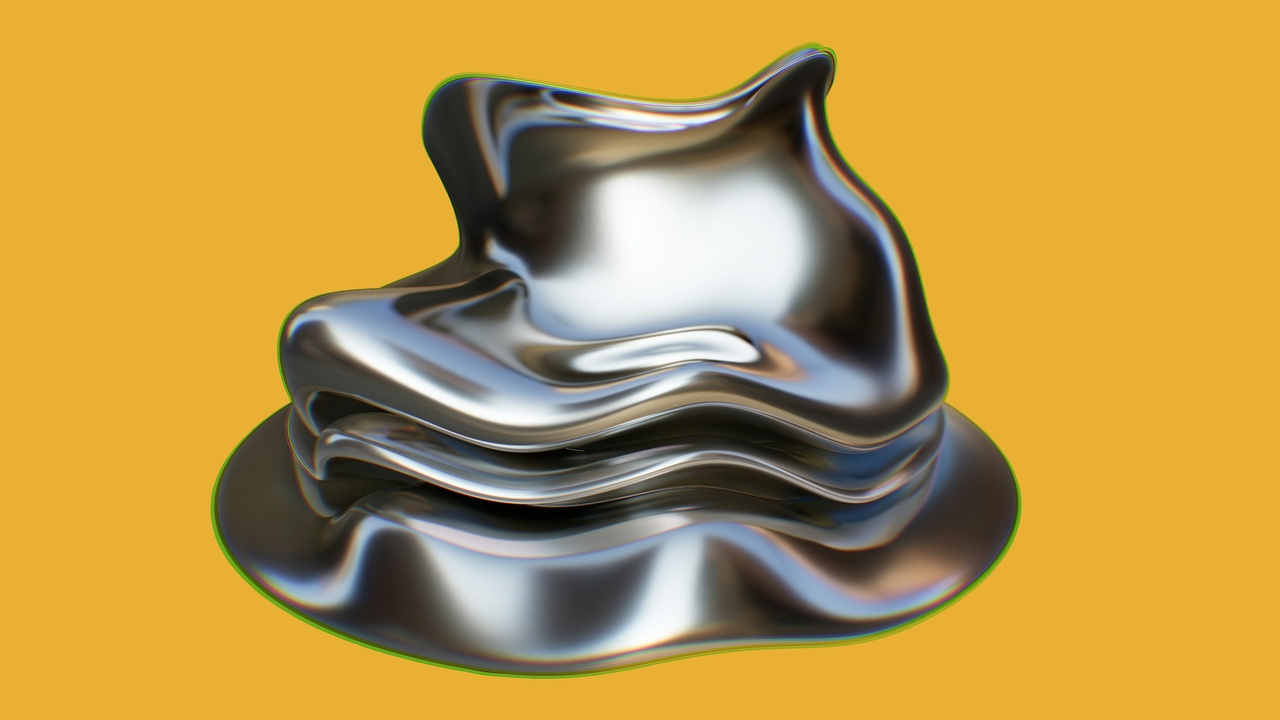
Gallium mixes with several metals to form low-melting or liquid alloys that have practical uses in thermal management, soft robotics, and flexible electronics. These combinations include eutectics with indium and tin (for example, galinstan) and problematic interactions with metals such as aluminum, where gallium embrittlement can cause real damage. Knowing which metals react with gallium helps in design and maintenance of devices that either exploit liquid-metal behavior or must avoid contamination.
6. Aluminum — Gallium wets and embrittles aluminum
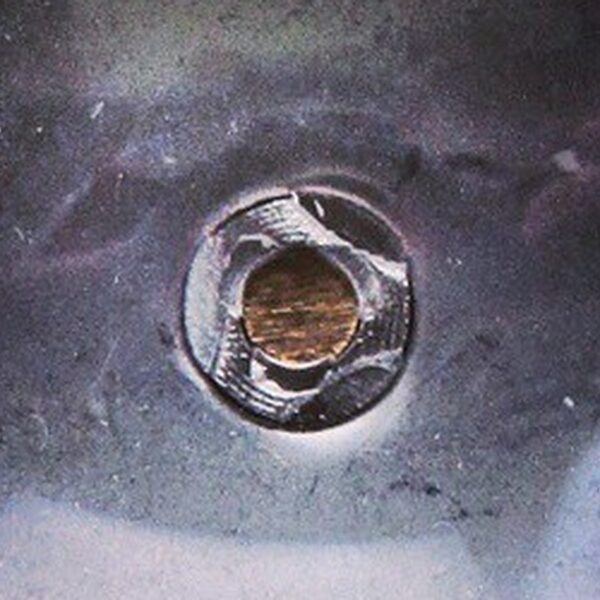
Gallium attacks aluminum by penetrating and disrupting the aluminum oxide film that normally protects the metal. Once gallium reaches grain boundaries, it can promote brittle failure and severe weakening of structural parts.
Materials scientists have documented diffusion of gallium along grain boundaries and resulting embrittlement that can cause catastrophic failure in stressed parts. This effect is dramatic in demonstrations: a small amount of gallium applied to an aluminum can will cause visible weakening and collapse after a short time.
Because of this risk, avoid contact between gallium or gallium-containing alloys and aluminum components in aircraft, electronics housings, and load-bearing structures. For quantitative studies and mitigation strategies, consult ASM International reports or NIST materials recommendations.
7. Indium — Forms low-melting eutectics with gallium
Gallium and indium mix freely to produce low-melting alloys used as liquid-metal thermal interfaces and flexible conductors. One well-known commercial formulation is galinstan, roughly 68.5% Ga, 21.5% In, and 10% Sn by weight.
Galinstan melts near −19°C and is a non-mercury alternative in thermometers, heat spreaders, and soft-actuator research. Engineers prize these alloys for high thermal conductivity combined with liquid-phase compliance in microfluidic cooling and stretchable interconnects.
Research groups and companies developing soft robotics or wearable electronics increasingly choose Ga–In alloys because they offer liquid-metal behavior without mercury’s toxicity. Still, alloy handling requires care to avoid contaminating aluminum or other susceptible metals.
8. Tin — Partners in low-melting alloys and solder alternatives
Tin mixes with gallium to tune melting point and viscosity in multicomponent alloys. In galinstan and related formulations, tin (~10% by weight) helps set the alloy’s fluid properties and wetting behavior.
Ga–Sn blends are explored for soft-solder applications, thermal interface materials, and liquid-metal switches. Researchers adjust tin content to balance melting temperature, oxidation behavior, and mechanical properties for particular device requirements.
When considering Ga–Sn alloys for practical use, check vendor datasheets and peer-reviewed studies for corrosion compatibility, especially with copper and aluminum components used nearby.
Other Reactive Elements
This final group covers a few notable elements that react with gallium outside the halogen/metal categories. Some produce hazardous mixtures, others create semiconducting compounds useful in research. Awareness of these reactions matters for safe handling and for selecting precursors in materials synthesis.
9. Mercury — Forms alloys and mixed-metal liquids
Mercury and gallium are mutually miscible to a considerable extent, forming low-viscosity liquid alloys. Historically, mercury dissolved many metals and was used in measurements; mixing with gallium yields fluid mixtures with metallic character.
Because mercury is highly toxic, combining it with gallium is discouraged outside of strictly controlled, well-justified laboratory work. Modern practice favors mercury-free liquid metals such as galinstan for thermometers and cooling applications, both for safety and environmental reasons.
If any work involves mercury and gallium, follow hazardous-waste rules, fume hood procedures, and institutional safety protocols; vendor safety datasheets and environmental guidelines provide required disposal and exposure limits.
10. Sulfur — Yields gallium sulfides used in materials research
Gallium reacts with sulfur to form gallium sulfides such as Ga2S3 and related chalcogenides. These compounds appear in studies of layered materials and optoelectronic semiconductors.
Ga–S compounds are investigated for their electronic and optical properties, and as precursors in thin-film deposition techniques used for photovoltaics and infrared detectors. Researchers prepare these sulfides via solid-state reactions or sulfurization of gallium-containing precursors.
Academic reviews and recent journal articles describe layered gallium chalcogenides and their potential in 2D material stacks; for synthesis details, consult current materials-science literature and methods sections of primary papers.
Summary
- Gallium (atomic number 31; melting point ~29.76°C) forms oxides and halides that influence device fabrication and chemical synthesis.
- Many metals alloy with gallium to make low-melting liquids (notably galinstan: ~68.5% Ga, 21.5% In, 10% Sn), useful in cooling and soft robotics.
- Gallium can severely embrittle aluminum by disrupting its oxide, so keep gallium and Ga-containing alloys away from aluminum structures.
- Some reactions pose safety or environmental concerns—mercury mixtures and fluorination work require strict controls; consult IUPAC, NIST, and supplier safety data for specifics.
- If you want a quick reference for which elements gallium reacts with, use this list as a starting point and confirm temperatures, phase behavior, and hazards from primary sources before any experimental work.