Across coastal cleanup sites and municipal composting facilities, people are rethinking plastics and looking for materials that leave less lasting harm. This list collects practical information on alternatives so designers, buyers and curious readers can compare options quickly.
There are 21 Biodegradable Plastics, ranging from Alginate to TPS. For each entry the data are organized into Polymer type,Degradation (conditions/time),Certifications/status — as you’ll find below.
How quickly do biodegradable plastics break down in real-world environments?
Degradation varies widely by polymer and conditions: many items require industrial composting to break down in weeks to months, while home composting or marine environments often slow the process to months or years; thickness, temperature and microbial activity matter, so check the Degradation (conditions/time) column for specifics.
How can I verify a product’s biodegradability before buying?
Look for clear certification details in the Certifications/status column (e.g., EN 13432, ASTM D6400, OK compost HOME) and confirm whether the claim is for industrial or home composting or marine biodegradation—“biodegradable” alone is vague, so rely on tested standards and the manufacturer’s degradation data.
Biodegradable Plastics
| Name | Polymer type | Degradation (conditions/time) | Certifications/status |
|---|---|---|---|
| PLA | Polyester (aliphatic, bio-based) | Industrial composting: 90–180 days; home composting: slow/years; marine: very slow (months–years) | ASTM D6400, EN 13432, OK Compost, BPI |
| PHA | Polyester (microbial polyesters) | Soil/industrial compost/marine: weeks–months depending on type and conditions | Varies; some EN 13432/OK Compost certified |
| PHB | Polyhydroxybutyrate (PHA subtype) | Soil/industrial compost: weeks–months; marine: months–years | Varies; some industrial compost certifications |
| PHBV | Polyhydroxybutyrate-co-valerate (PHA) | Soil/industrial compost: weeks–months; improved marine degradation versus PHB | Varies; some compost certifications |
| PCL | Polycaprolactone (aliphatic polyester) | Soil/compost: months–years; marine: months–years; biodegradable under biological conditions | Generally not standard compost certified; “Varies” |
| PBS | Polybutylene succinate (aliphatic polyester) | Industrial compost/soil: months; home compost: slower; marine: months–years | Some industrial compost certifications; varies by grade |
| PBAT | Polybutylene adipate-co-terephthalate (copolyester) | Industrial compost: months; soil/marine: months–years | Some EN 13432/BPI certifications; varies |
| PBSA | Poly(butylene succinate-co-adipate) (copolyester) | Industrial compost/soil: months; home compost: slower | Varies; some industrial compost certifications |
| TPS | Thermoplastic starch (starch-based) | Home/industrial compost: weeks–months; soil: months; marine: variable | Often EN 13432/OK Compost when blended appropriately |
| Starch blends | Starch-based polymer blends | Industrial/home compost: weeks–months; soil: months | Often certified when formulation meets standards |
| Cellulose acetate (low DS) | Cellulose derivative (acetylated cellulose) | Soil/compost: months–years depending on substitution; marine: slow | Varies; low-DS may biodegrade; certification varies |
| PVA | Polyvinyl alcohol (water-soluble polymer) | Activated sludge/industrial compost/soil with microbes: weeks–months; marine: variable | Varies by formulation; some certified grades |
| Chitosan | Polysaccharide (derivative of chitin) | Soil/compost/marine: weeks–months depending on thickness | Generally “None” for industrial compost marks |
| Alginate | Polysaccharide (algae-derived) | Soil/compost/marine: days–months; water-soluble films degrade faster | Generally “None” for industrial compost marks |
| PGA | Polyglycolic acid (aliphatic polyester) | Biological/medical environments: weeks–months (fast hydrolytic biodegradation) | Medical approvals for implants; not compost certifications |
| PLGA | Poly(lactic-co-glycolic acid) | Biological/medical: weeks–months depending on ratio; hydrolytic biodegradation | Medical approvals; not compost certifications |
| PHA-grafts/derivatives | Modified PHA (copolymers/grafts) | Soil/industrial compost/marine: weeks–months; performance varies | Varies; some certified grades exist |
| PLA-PHB blends | Bio-based polyester blends | Industrial compost: 90–180 days; home compost: slower | Some blend formulations certified industrially |
| Starch-PBAT blends | Starch and biodegradable polyester blends | Industrial/home compost: weeks–months when certified | Often certified when formulation meets standards |
| Polyhydroxyalkanoate copolymers (mcl-PHA) | Medium-chain-length PHA (soft elastomers) | Soil/industrial compost/marine: weeks–months; often faster than scl-PHA | Varies; some certified products exist |
| Polyester amide (certain biodegradable grades) | Aliphatic polyester-amide copolymers | Soil/industrial compost: months; biodegrades enzymatically | Varies; depends on composition |
Images and Descriptions
PLA
PLA (polylactic acid) is a plant-derived polyester used for packaging, disposable cutlery, and fibers. It composts in industrial facilities (months) but is slow in home or marine environments; recycling streams and contamination can reduce environmental benefits.

PHA
PHAs are microbially made polyesters that biodegrade across many environments, including marine settings. Used in films, coatings, and medical devices. Production cost and feedstock sources can affect sustainability.
PHB
PHB is a common PHA with brittle properties, used in packaging and medical uses. It biodegrades biologically across environments but can be stiff; copolymers often improve flexibility and processing.
PHBV
PHBV is a PHA copolymer offering more flexibility and faster biodegradation than PHB. Common in packaging and films; microbial production pathways and feedstocks vary environmental footprint.
PCL
PCL is a soft, flexible biodegradable polyester used in blends, medical devices, and biodegradable additives. It biodegrades slowly in the environment and is often blended to speed breakdown.
PBS
PBS is a bio-based or fossil-derived biodegradable polyester used in packaging and mulch films. It degrades biologically but rates depend on formulation and composting conditions.
PBAT
PBAT is a flexible, petroleum-based biodegradable polyester used in compostable bags and blends. It biodegrades under biological conditions but not always in home compost or cold marine settings.
PBSA
PBSA is a more flexible PBS copolymer with faster biodegradation and improved toughness. Used in films and packaging; certification depends on formulation and testing.
TPS
Thermoplastic starch is made from processed starch and used in loose-fill, films, and compostable items. It biodegrades readily but is moisture-sensitive and often blended with other polymers for performance.
Starch blends
Starch is commonly blended with PLA or PBAT to make compostable plastics for packaging and cutlery. Blends can biodegrade faster but properties and certification depend on ratios and additives.
Cellulose acetate (low DS)
Low-degree-of-substitution cellulose acetate can biodegrade biologically and is used in films and fibers. High-acetyl grades resist biodegradation; degree of substitution crucial to environmental behavior.
PVA
PVA is water-soluble and can be biodegradable under specific biological conditions (microbial/activated sludge). Performance depends on molecular weight and formulation; not universally compostable.
Chitosan
Chitosan is a natural polymer from shellfish waste used for biodegradable films, coatings, and agricultural uses. It biodegrades well biologically, but mechanical and water resistance limitations restrict many applications.
Alginate
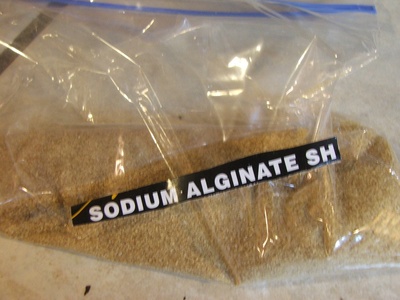
Alginate from seaweed forms biodegradable films and coatings used in food and medical applications. It biodegrades readily in wet environments but is water-soluble and not mechanically robust alone.
PGA
PGA is a fast-degrading polyester used in medical sutures and implants. It hydrolyzes and is biodegradable in biological environments but is not used as conventional packaging plastic.
PLGA
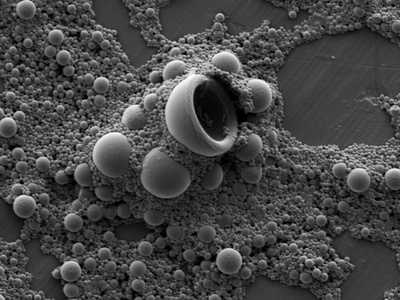
PLGA is a copolymer used in drug delivery and resorbable implants. It biodegrades predictably in the body over controlled timescales; not intended for environmental composting.
PHA-grafts/derivatives
Modified PHAs are tailored for flexibility, processing, or cost; they generally retain biological biodegradability. Applications include films, coatings, and consumer items; production cost can be higher.
PLA-PHB blends
Blends of PLA with PHB combine compostability and improved toughness. They compost in industrial facilities; home compostability and marine breakdown depend on exact formulation and thickness.
Starch-PBAT blends
Blends combine starch biodegradability with PBAT flexibility for compostable bags and packaging. Certification and real-world degradation depend on content, thickness, and compost conditions.
Polyhydroxyalkanoate copolymers (mcl-PHA)
mcl-PHAs are softer, more elastic PHAs used in flexible films and coatings. They biodegrade biologically across environments, including marine, and are favored for flexible biodegradable applications.
Polyester amide (certain biodegradable grades)
Some polyester-amide copolymers are engineered to biodegrade and are used in specialty biodegradable products. Biodegradability and certifications depend on specific chemical composition and testing.