Whether you’re tending a balcony pot, a suburban vegetable bed, or a small homestead, understanding natural nutrient options helps plants thrive and improves soil health. A clear list makes it easier to match a fertilizer to a crop, season, or soil test result.
There are 33 Examples of Organic Fertilizers, ranging from Alfalfa meal to Worm castings. Data are organized by Source type,Typical N-P-K (%),Application rate (g/m2) so you can quickly compare nutrient content and recommended amounts — you’ll find those details below.
How do I pick the best organic fertilizer for my soil and plants?
Start with a soil test to see which nutrients are lacking, then choose a fertilizer that supplies those needs while improving organic matter. Use higher-nitrogen options for leafy growth, bone or rock phosphate for flowering and fruiting, and compost or worm castings for general soil health; follow the listed Typical N-P-K (%) and Application rate (g/m2) to avoid over-application.
Can I combine products like alfalfa meal and worm castings safely?
Yes — many gardeners layer or blend amendments because they act differently (fast-release vs. slow-release, nutrient vs. structure). Mix modestly, monitor plant response, and adjust using the Application rate (g/m2) guidance to keep nutrient balance steady and avoid salt or nutrient buildup.
Examples of Organic Fertilizers
| Name | Source type | Typical N-P-K (%) | Application rate (g/m2) |
|---|---|---|---|
| Compost | processed | 1-1-1 | 5,000 |
| Worm castings | processed | 1-0.5-0.5 | 1,000 |
| Composted cow manure | animal | 0.5-0.2-0.5 | 3,000 |
| Composted horse manure | animal | 0.7-0.5-0.5 | 3,000 |
| Composted chicken manure | animal | 2-1.5-1 | 1,000 |
| Rabbit manure | animal | 2.3-1.1-0.6 | 1,000 |
| Sheep manure | animal | 0.7-0.5-0.5 | 2,000 |
| Blood meal | animal | 12-0-0 | 30 |
| Feather meal | animal | 12-0-0 | 100 |
| Bone meal | animal | 3-15-0 | 100 |
| Fish meal | animal | 5-2-2 | 100 |
| Fish emulsion | liquid | 3-3-1 | 50 |
| Fish hydrolysate | liquid | 2-1-1 | 50 |
| Kelp meal | plant | 1-0.1-2 | 100 |
| Seaweed extract | liquid | 0.5-0-2 | 20 |
| Alfalfa meal | plant | 2-1-2 | 100 |
| Cottonseed meal | plant | 6-1-2 | 75 |
| Soybean meal | plant | 7-2-1 | 75 |
| Crustacean meal | animal | 6-2-2 | 100 |
| Bat guano | animal | 10-8-2 | 30 |
| Seabird guano | animal | 5-8-1 | 30 |
| Greensand | mineral | 0-0-4 | 200 |
| Rock phosphate | mineral | 0-3-0 | 100 |
| Basalt rock dust | mineral | 0-0-0 | 200 |
| Wood ash | plant | 0-1-3 | 100 |
| Gypsum | mineral | 0-0-0 | 100 |
| Dolomite lime | mineral | 0-0-0 | 50 |
| Langbeinite | mineral | 0-0-22 | 100 |
| Poultry manure pellets | animal | 3-2-2 | 100 |
| Green manure (legume cover crop) | plant | 2-0-1 | 10 |
| Azomite (volcanic trace mineral) | mineral | 0-0-0 | 50 |
| Fish bone meal | mineral/animal | 2-20-0 | 100 |
| Shrimp/crab shell meal | animal | 6-1-1 | 100 |
Images and Descriptions
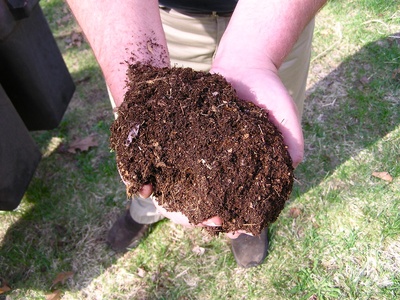
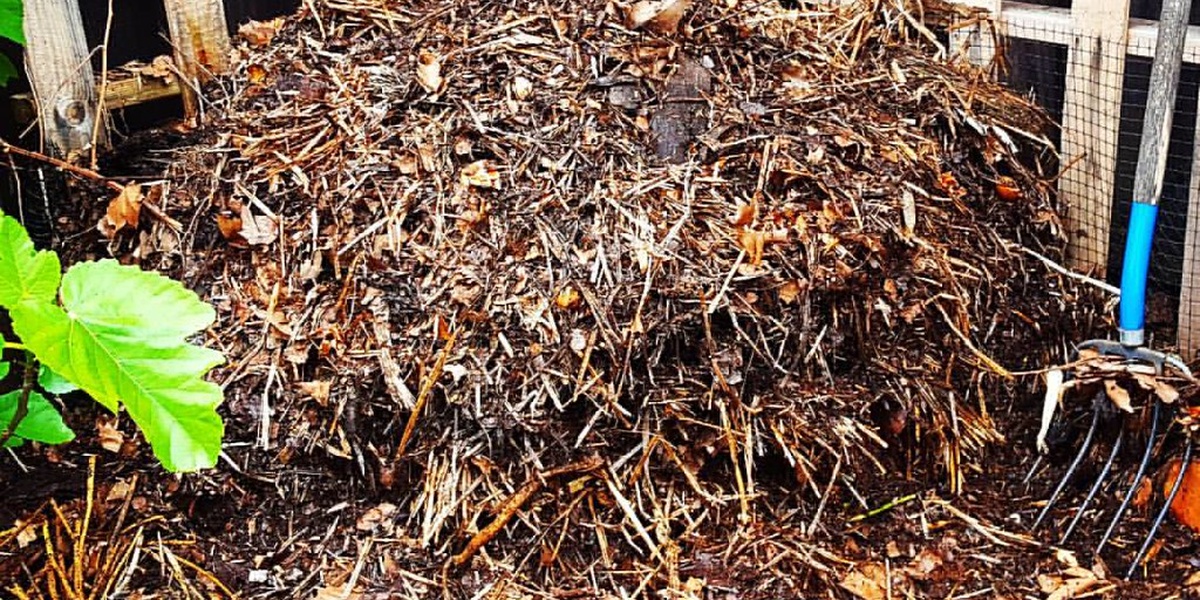
Compost
Well-rotted garden compost is a balanced, low-strength fertilizer and soil builder. Supplies slow-release N-P-K, improves structure and microbes. Spread as a 2–5 cm top dressing (about 5,000 g/m2) yearly. Safe, widely available or DIY; avoid immature compost.
Worm castings
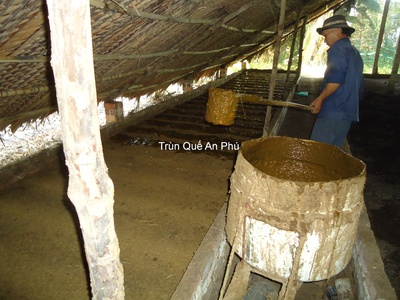
Vermicompost is nutrient-dense and biologically active, great for seedlings and potting mixes. Mild NPK with plant growth stimulants; use as top dressing or mix at about 1,000 g/m2. Buy or produce with worm bins; very safe for gardens.

Composted cow manure
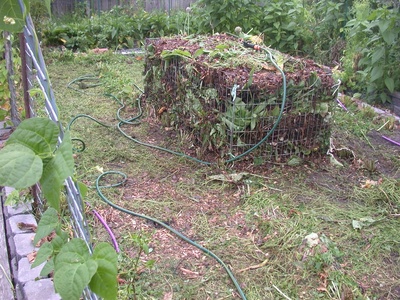
A gentle, common fertilizer that adds modest N-P-K and bulk organic matter. Apply composted cow manure in spring or fall at about 3,000 g/m2. Source from farms or bags; must be well composted to avoid pathogens and weed seeds.
Composted horse manure
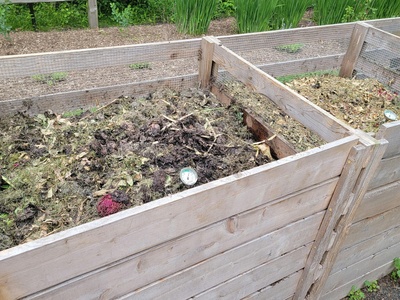
Similar to cow manure but sometimes contains bedding; provides moderate nutrients and organic matter. Use around 3,000 g/m2 incorporated or as mulch. Ensure thorough composting and remove persistent weed seeds before application.
Composted chicken manure
High-nitrogen poultry manure adds a nutrient boost for heavy-feeding vegetables. Use composted or pelletized forms at about 1,000 g/m2 and avoid fresh manure to prevent burning or pathogen risks. Great for soil-building when mixed in.
Rabbit manure
Cold, nutrient-rich rabbit droppings are safe to use fresh or composted; excellent for vegetables and potted plants. Apply around 1,000 g/m2 or mix into potting medium. Easy to source from smallholders; low risk of burning plants.
Sheep manure
Mild and steady-release, sheep manure is good for general garden use and improving soil organic matter. Apply composted at roughly 2,000 g/m2. Readily available on farms; composting reduces odor and seed concerns.
Blood meal
Fast-release, very high-nitrogen powder used to green up lawns and leafy crops. Apply sparingly—about 30 g/m2—mixed into soil or watered in. Use gloves, avoid overapplication to prevent salt buildup and attract pets.
Feather meal
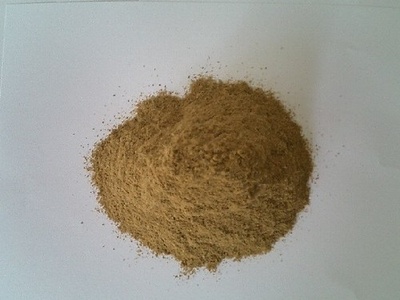
Slow-release, high-nitrogen protein meal made from poultry feathers. Apply around 100 g/m2 when preparing beds; releases N over months as microbes break it down. Good for long-term feeding; avoid direct contact until mixed in.
Bone meal
A phosphorus-rich amendment favored for root crops, bulbs, and flowering plants. Broadcast or side-dress about 100 g/m2 and fork in. Slow-release and best applied at planting; keep out of reach of pets and follow organic sourcing.
Fish meal
Concentrated, fish-based meal supplies both quick and slow-release N and P. Use about 100 g/m2 incorporated into soil or blends. Sourced from fisheries; expect strong odor during application and store sealed.
Fish emulsion
Liquid fish fertilizer provides a quick nutrient boost and soluble micronutrients for foliar feeding or soil drench. Typical garden rate about 50 g/m2 diluted per application. Great for weekly feeding; may smell and attract wildlife.
Fish hydrolysate
Gentler liquid than emulsion, made by enzymatic processing of fish. Provides modest N and soluble organics for soil biology. Use about 50 g/m2 diluted; suitable for transplants and foliar feed with lower odor and good nutrient availability.
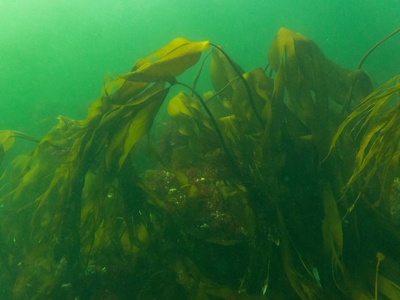
Kelp meal
Dried seaweed meal is low in N and P but rich in potassium, trace minerals and growth hormones. Apply about 100 g/m2 incorporated or top-dressed before planting. Excellent for stress resilience and overall vigor; sustainably sourced options preferred.
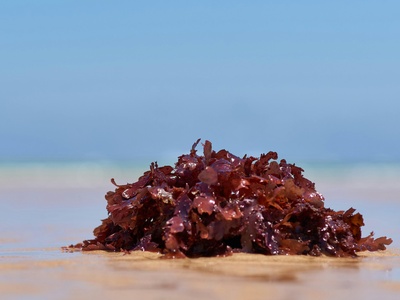
Seaweed extract
Concentrated liquid seaweed gives plant growth regulators, minerals and a mild nutrient lift. Apply as foliar spray or soil drench around 20 g/m2 diluted. Great for transplant shock and stress; gentle and safe for regular use.
Alfalfa meal
Plant-based meal that supplies moderate nitrogen and growth stimulants (triacontanol). Apply approximately 100 g/m2 worked into beds or as mulch. Good for vegetables and flowers; often available in bags or bulk from farm suppliers.
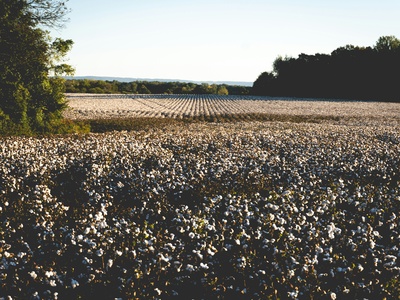
Cottonseed meal
A nitrogen-rich seed meal for acid-loving plants; apply at about 75 g/m2 incorporated into soil. Sourced from cotton processing; choose organic-certified if needed and avoid treated cottonseed products.
Soybean meal
High-protein seed meal that releases nitrogen as microbes break it down. Use around 75 g/m2 mixed into garden soil or compost. Good vegetarian fertilizer option; check sourcing for GMO-free certification if desired.
Crustacean meal
Shrimp or crab shell meal provides N, P and chitin that can boost soil microbes and pest resistance. Apply around 100 g/m2 incorporated into soil. Often available from seafood processors; watch for shellfish allergens around pets.
Bat guano
Highly concentrated, fast-acting fertilizer with notable phosphorus and nitrogen content. Apply sparingly, about 30 g/m2, mixed into soil or as a top-dress. Sourced from caves—purchase sustainably and compost to reduce odor and microbial risks.
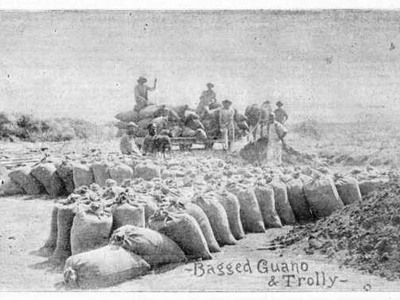
Seabird guano
Marine bird guano is phosphate-rich and good for flowering and fruiting plants. Use about 30 g/m2 carefully mixed into soil. Can be potent and variable; buy processed and certified sources for safer, more consistent results.
Greensand
Glauconite greensand slowly releases potassium and trace minerals, improving long-term fertility. Apply 150–200 g/m2 worked into soil; effects are slow but persistent. A mined mineral, safe in organic systems and useful for sandy soils.
Rock phosphate
Mined phosphate rock supplies slow-release phosphorus favored in organic systems. Apply about 100 g/m2 and incorporate; benefits appear over seasons as microbes mineralize it. Best for long-term soil buildup rather than quick feeding.
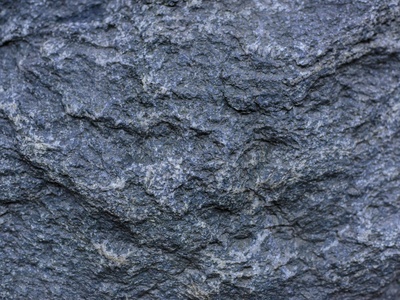
Basalt rock dust
Volcanic rock dust supplies trace minerals and slowly improves soil mineral balance. Apply around 200 g/m2 broadcast or mixed into compost. Effects are subtle and cumulative; good for long-term soil health and remineralization.
Wood ash
Hardwood ash provides potassium, calcium and raises pH; useful for acidic soils and potassium needs. Apply sparingly—about 100 g/m2—and avoid acid-loving plants. Don’t use on saline soils and store dry; test soil pH before heavy use.

Gypsum
Calcium sulfate adds calcium and sulfur without changing pH significantly; helpful for improving structure on sodic soils. Typical application around 100 g/m2 depending on need. Use where calcium or sulfur deficits exist; not a primary NPK source.
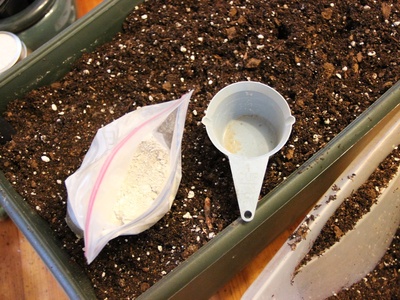
Dolomite lime
Calcium-magnesium carbonate raises pH and supplies calcium and magnesium to deficient soils. Apply according to soil test—about 50 g/m2 is a common small-garden rate. Use carefully to avoid overliming and follow organic guidelines.
Langbeinite
A mined sulfate mineral supplying potassium, magnesium and sulfur in a single product. Apply around 100 g/m2 incorporated for potassium and magnesium needs. Slow-release and accepted in organic systems; good where K or Mg deficiencies show.
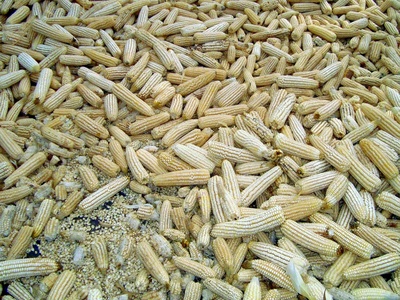
Poultry manure pellets
Dried, pelletized poultry manure concentrates nutrients into an easy-to-handle form. Apply about 100 g/m2 and water in; pellets are composted to reduce pathogens and odors. Convenient for garden beds—follow label for rates.
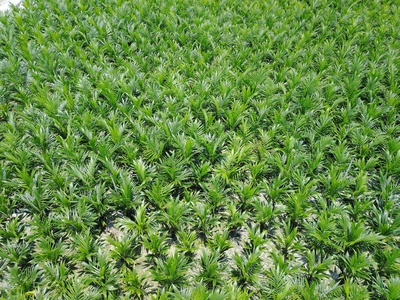
Green manure (legume cover crop)
Sowing legumes like clover or vetch fixes atmospheric nitrogen and builds organic matter. Seed at roughly 10 g/m2, grow, then incorporate before flowering for an N-rich green manure. Great for rotations and soil fertility improvement.
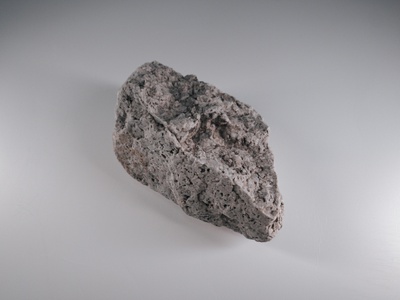
Azomite (volcanic trace mineral)
A mined volcanic mineral powder supplying a wide range of trace elements. Apply about 50 g/m2 as a long-term soil remineralizer. Not a primary NPK source but helps micronutrient-deficient soils and supports plant resilience.
Fish bone meal
Ground fish bones provide a phosphorus-rich, slow-release source similar to bone meal but from marine sources. Use around 100 g/m2 at planting for root and bloom support. Good where phosphate is needed and organic certification required.
Shrimp/crab shell meal
Crustacean shell meal supplies nitrogen with chitin that can stimulate beneficial soil microbes. Apply about 100 g/m2 incorporated into beds. Sourced from seafood waste—composted or processed products are easier to handle and less odorous.