In temperate woodlands and moist meadows, plant communities reflect a balance of water and drainage that supports a diverse mix of trees, shrubs and herbaceous species. These environments favor plants adapted to neither drought nor standing water, so you often see a steady understory and seasonal wildflowers.
There are 20 Mesophytes, ranging from American beech to Trillium. For each species I list the Scientific name, Typical habitat, Key traits so you can compare distribution and growth strategies at a glance — you’ll find below.
How can I identify a mesophyte in the field?
Look for plants in well-drained but consistently moist spots (not dry slopes or marshes), with neither succulent leaves nor obvious water-adapted tissues; common signs are moderate leaf thickness, typical stomatal patterns, and rooting systems adapted to regular soil moisture. Observing where the plant thrives—forest floor, edge habitats, or meadows—helps confirm it.
What garden conditions work best for mesophytes?
Provide rich, well-draining soil that retains some moisture, moderate shade to partial sun depending on species, and regular but not excessive watering; mulching and avoiding compacted soil help emulate their natural temperate-woodland or meadow settings and keep species like American beech seedlings or Trillium happy.
Mesophytes
| Name | Scientific name | Typical habitat | Key traits |
|---|---|---|---|
| Sugar maple | Acer saccharum | Eastern North America, mesic upland forests | Deciduous tree, prefers moderate moisture |
| Red oak | Quercus rubra | Temperate forests, well-drained mesic soils | Large deciduous tree, moderate moisture preference |
| American beech | Fagus grandifolia | Eastern forests, rich mesic understories | Smooth-barked tree, prefers moist fertile soils |
| Eastern white pine | Pinus strobus | Mixed temperate forests, sandy loam slopes | Tall conifer, favors mesic well-drained soils |
| Hosta | Hosta spp. | Shady garden beds, woodland edges | Shade-loving perennial, likes consistent moisture |
| Garden impatiens | Impatiens walleriana | Shaded gardens, containers with regular watering | Shade annual, needs steady moisture |
| Tomato | Solanum lycopersicum | Vegetable gardens, warm temperate plots | Fruit-bearing annual, requires steady moisture |
| Common bean | Phaseolus vulgaris | Gardens and small farms, fertile beds | Legume crop, prefers moderate moisture |
| Corn | Zea mays | Croplands, warm mesic fields | Warm-season cereal, steady water needs |
| Soybean | Glycine max | Farmlands, temperate mesic soils | Temperate legume, moderate moisture requirement |
| Strawberry | Fragaria × ananassa | Garden beds, sunny well-drained soils | Low perennial, needs regular moisture |
| Daffodil | Narcissus spp. | Temperate gardens, well-drained spring beds | Spring bulb, requires moderate soil moisture |
| Hellebore | Helleborus orientalis | Shady borders, woodland gardens | Evergreen perennial, likes moist shade |
| Male fern | Dryopteris filix-mas | Temperate woodlands, shaded mesic soils | Deciduous fern, thrives in moist shade |
| Trillium | Trillium grandiflorum | Deciduous forest floor, temperate mesic woods | Spring ephemeral, favors rich moist soils |
| Rhododendron | Rhododendron spp. | Acid woodland gardens, shaded slopes | Evergreen shrub, prefers moist acidic soil |
| Hydrangea | Hydrangea macrophylla | Garden borders, temperate shrub beds | Moisture-loving shrub, not waterlogged |
| Kentucky bluegrass | Poa pratensis | Lawns and meadows in temperate zones | Cool-season grass, thrives in mesic soils |
| Perennial ryegrass | Lolium perenne | Lawns, sports fields in temperate climates | Quick-establishing grass, mesic preference |
| Foxglove | Digitalis purpurea | Woodland edges, cottage gardens | Biennial/perennial, likes moist well-drained sites |
Images and Descriptions
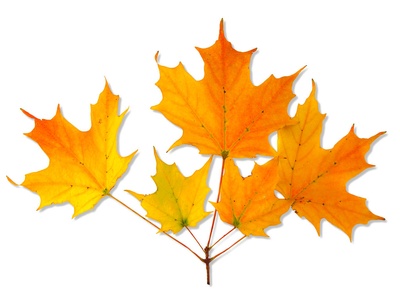
Sugar maple
A classic North American forest tree valued for shade and syrup. Sugar maples prefer rich, well-drained mesic soils and form colorful autumn foliage. They grow slowly, do best in cool, humid climates, and are common in parks and mature woodlands.
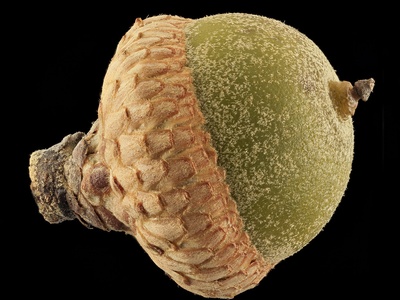
Red oak
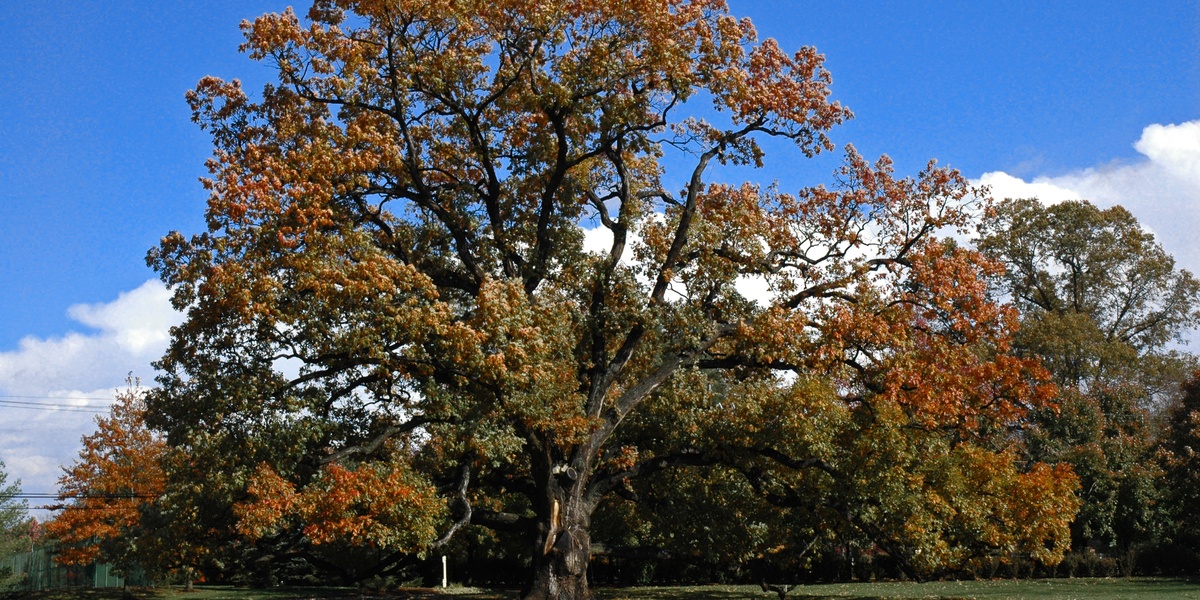
Red oak is a widespread hardwood prized for strength and wildlife value. It thrives in moderately moist, well-drained soils, tolerates a range of sites, and is common in mixed forests and large landscapes where it provides shade and acorns for animals.
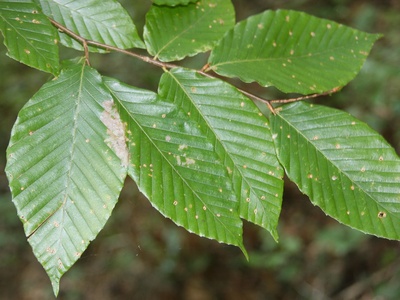
American beech
American beech is a slow-growing, elegant forest tree with smooth gray bark and dense shade. It prefers rich, consistently moist but well-drained soils in deciduous forests and is often found on slopes and valley sides with steady moisture.
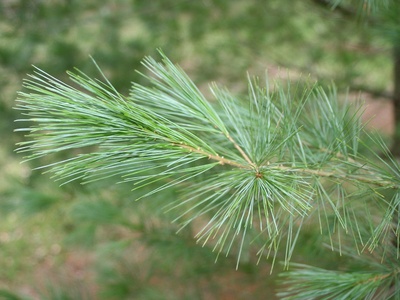
Eastern white pine
Eastern white pine is a graceful softwood that reaches tall heights in mesic forests. It prefers well-drained, slightly acidic soils and is commonly used in reforestation, windbreaks, and large landscapes where moderate moisture and space are available.

Hosta
Hostas are popular foliage perennials for shady gardens, offering large textured leaves and spring flowers. They prefer rich, evenly moist, well-drained soils and are forgiving in typical garden conditions, making them ideal for borders and understory plantings.
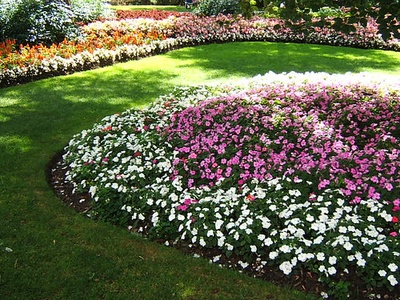
Garden impatiens
Impatiens are bright, showy annuals that flourish in shaded beds and containers with regular watering. They prefer consistently moist, well-drained soil and are a go-to choice for splashy summer color where direct sun is limited.
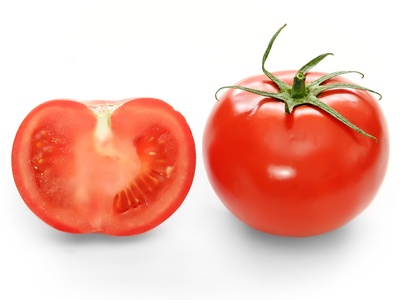
Tomato
Tomatoes are staple garden vegetables that need warm temperatures and regular soil moisture without waterlogging. They perform best in fertile, well-drained soil with consistent watering and benefit from staking, mulching, and full sun for best fruit production.
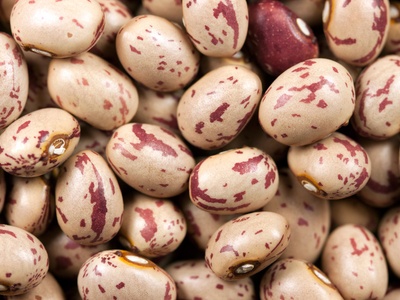
Common bean
Common beans are easy garden crops that prefer warm sites and steady soil moisture. They thrive in well-drained, fertile soils and are grown as bush or pole types; regular watering during flowering and pod set increases yields.
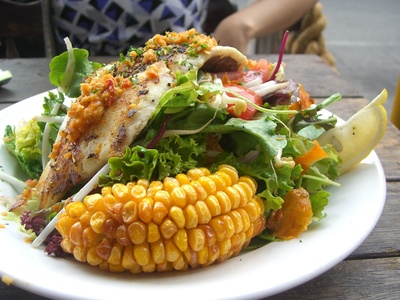
Corn
Corn is a warm-season staple that requires consistent moisture during rapid growth and pollination. It prefers fertile, well-drained soils and is widely cultivated in temperate regions; irrigation or timely rainfall supports healthy stalk and kernel development.
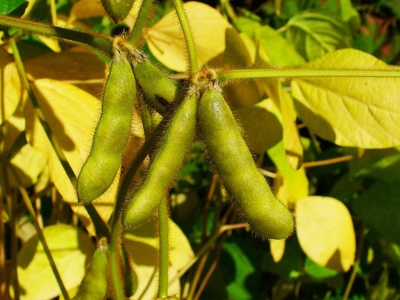
Soybean
Soybean is a major crop that prefers warm, well-drained fields with regular soil moisture, especially during flowering and pod filling. It fixes nitrogen, benefits crop rotations, and adapts well to typical agricultural mesic conditions.
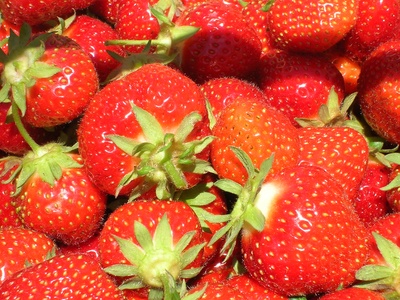
Strawberry
Garden strawberries produce sweet fruit on low plants that prefer fertile, well-drained soil kept evenly moist. They need sun, mulching to conserve moisture, and good drainage to avoid root disease; common in home gardens and small farms.
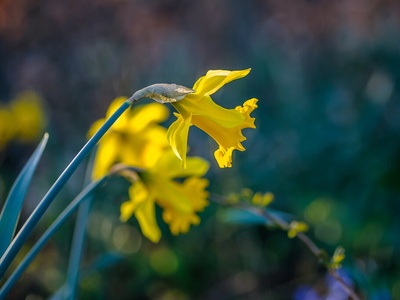
Daffodil
Daffodils are hardy spring bulbs that prefer well-drained, moderately moist soils. Planted in fall, they naturalize in lawns and borders, tolerate cool winters, and rebloom reliably with minimal care when given moderate moisture and sun or partial shade.
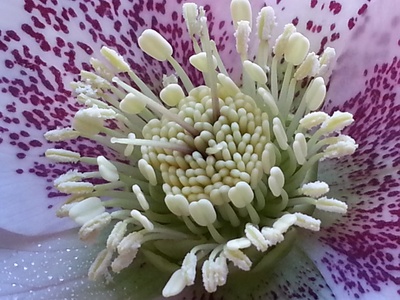
Hellebore
Hellebores bloom in late winter to spring in shade gardens. They prefer rich, well-drained soils kept evenly moist and perform well under trees or along shaded paths, offering long-lived evergreen foliage and early flowers.
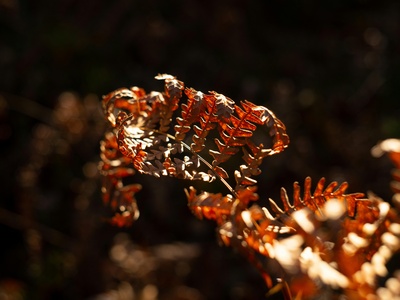
Male fern
Male fern is a common woodland fern that prefers shaded, humus-rich, well-drained soils with moderate moisture. It forms attractive clumps of fronds for shady garden beds and woodland restoration projects without needing waterlogged conditions.
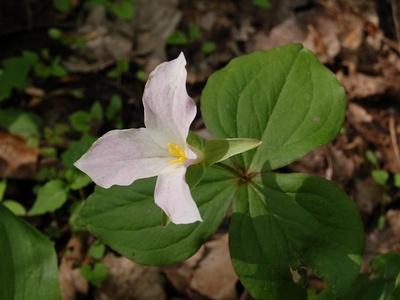
Trillium
Trillium is a spring wildflower of deciduous forests that emerges in rich, well-drained mesic soils. It forms three-petaled flowers and spends much of the year dormant; best observed in mature woodlands with steady, moderate soil moisture.
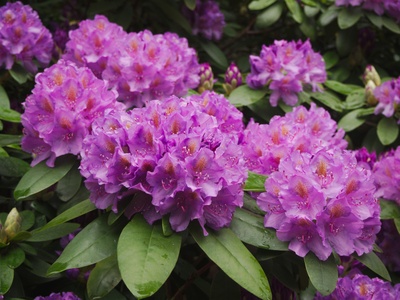
Rhododendron
Rhododendrons are showy shrubs used in shaded gardens and woodland edges, preferring acidic, consistently moist but well-drained soils. They produce large trusses of flowers in spring and need mulch and protection from drying winds to stay healthy.
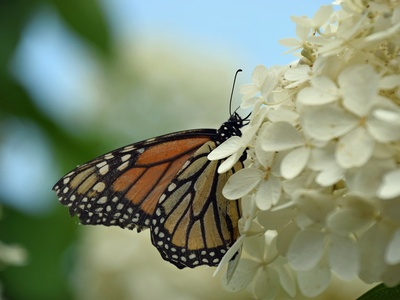
Hydrangea
Hydrangea macrophylla gives big flower heads in summer and prefers evenly moist, well-drained soils and partial shade in hot climates. Flower color can shift with soil pH, and plants appreciate mulch and regular watering during dry spells.
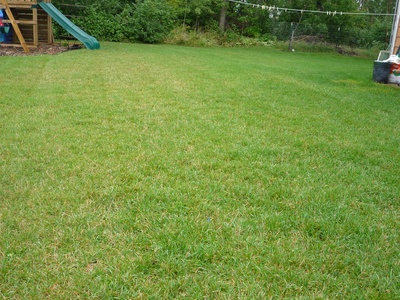
Kentucky bluegrass
Kentucky bluegrass is a common turf grass that forms dense, attractive lawns under cool, moist conditions. It prefers fertile, well-drained soils and regular watering to prevent dormancy and thinning in summer heat.
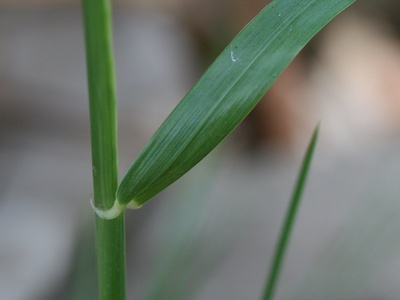
Perennial ryegrass
Perennial ryegrass is used for fast lawn establishment and overseeding, preferring cool-season, well-drained soils with regular moisture. It establishes quickly, tolerates wear, and mixes well with other cool-season grasses for resilient turf.
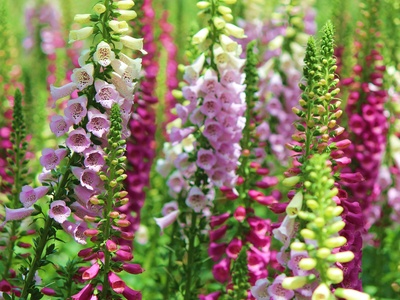
Foxglove
Foxglove produces tall spikes of tubular flowers in shady to partly sunny spots and favors rich, moist yet well-drained soils. Common in cottage gardens and naturalized edges, it self-seeds readily and attracts pollinators.