When you’re planning a studio, upgrading home insulation, or specifying materials for a machine or building, the right choice makes a big difference in performance and cost. This roundup brings together common and specialized materials so you can quickly see which factors matter for your project.
There are 46 Insulators, ranging from Acoustic curtain (heavy textile) to Wool felt (acoustic). For each item you’ll find below data organized with Type,Key spec (typical unit),Common uses to help you compare thermal, acoustic, mechanical and electrical options at a glance.
What key specs should I compare when choosing an insulator for sound versus heat control?
For acoustic uses look at NRC or STC, density, and thickness (porosity and surface treatment matter); for thermal uses focus on R-value, thermal conductivity, and operating temperature. Also consider fire rating, moisture resistance, durability and installation method—those practical specs often steer the final choice more than a single performance number.
Are there materials that work for both electrical insulation and acoustic or thermal insulation?
Some materials overlap—rubber and certain polymers can provide electrical dielectric strength and thermal or acoustic dampening—but most electrical insulators (ceramics, epoxy resins) are chosen for dielectric strength and may not perform well acoustically. Always check the specific Type,Key spec (typical unit),Common uses for each material before assuming multi-purpose suitability.
Insulators
| Name | Type | Key spec (typical unit) | Common uses |
|---|---|---|---|
| Fiberglass | Thermal | 0.04 W/m·K | Wall and attic insulation, ductwrap, acoustic panels |
| Mineral wool (Rock wool) | Thermal/Acoustic | 0.04 W/m·K | Fire barriers, cavity insulation, soundproofing |
| Cellulose (recycled paper) | Thermal | 0.04 W/m·K | Loose-fill attic insulation, retrofits |
| Expanded polystyrene (EPS) | Thermal | 0.03 W/m·K | External insulation, packaging, insulated concrete forms |
| Extruded polystyrene (XPS) | Thermal | 0.03 W/m·K | Foundation walls, under-slab insulation, roofing boards |
| Polyisocyanurate (Polyiso) | Thermal | 0.02 W/m·K | Roof boards, wall panels, high-R continuous insulation |
| Polyurethane foam (spray/rigid) | Thermal | 0.03 W/m·K | Spray air-sealing, cavity fill, insulated panels |
| Silica Aerogel | Thermal | 0.01 W/m·K | Cryogenics, pipe insulation, specialty high-performance panels |
| Phenolic foam | Thermal | 0.02 W/m·K | Roof insulation, duct insulation, panels |
| Vacuum insulated panel (VIP) | Thermal | 0.004 W/m·K | Refrigeration, high-performance walls, industrial insulation |
| Perlite (expanded) | Thermal | 0.05 W/m·K | Loose-fill block fill, horticulture, refractory insulation |
| Vermiculite | Thermal | 0.05 W/m·K | Loose-fill attic insulation, lightweight concrete |
| Cork | Thermal/Acoustic | 0.04 W/m·K | Floor underlay, wall panels, gaskets |
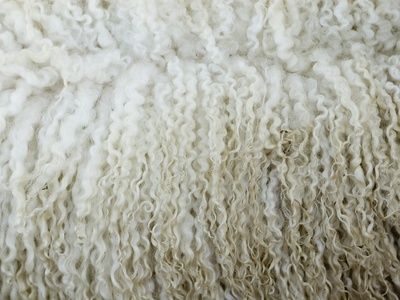
| Sheep wool | Thermal/Acoustic | 0.04 W/m·K | Insulation batts, acoustic panels, humid climates |
| Cellular glass (foam glass) | Thermal | 0.04 W/m·K | Underground insulation, cryogenics, tank supports |
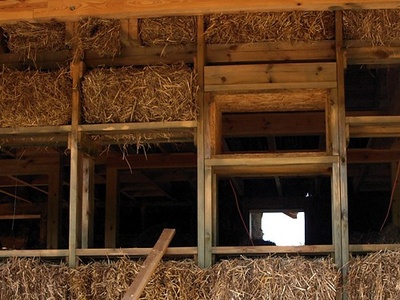
| Straw bale | Thermal | 0.06 W/m·K | Natural building walls, eco-homes |
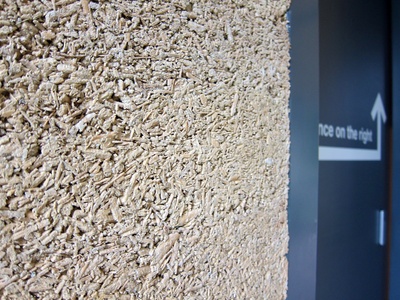
| Hempcrete (hemp-lime) | Thermal | 0.08 W/m·K | Non-structural wall infill, eco-construction |
| Air gap (still air) | Thermal | 0.02 W/m·K | Window cavities, double-wall assemblies, insulated enclosures |
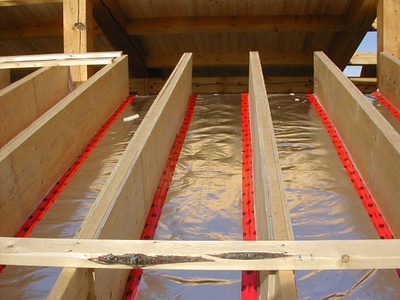
| Radiant barrier foil | Thermal (Radiant) | Emissivity 0.05 (unitless) | Roof radiant barriers, reflective insulation, HVAC ducts |
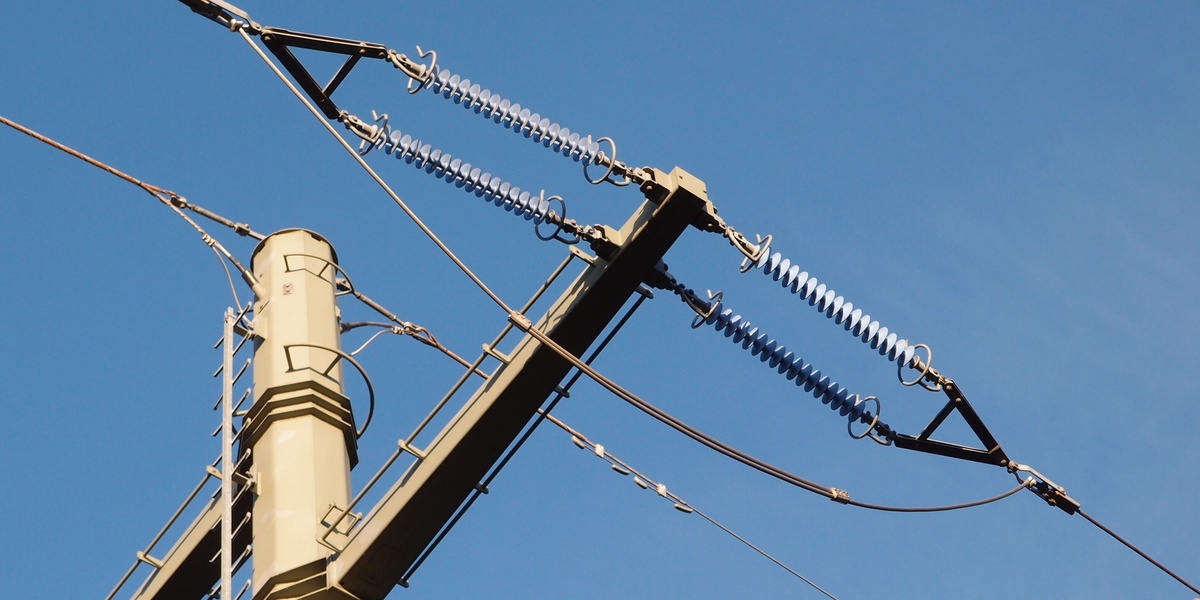
| Porcelain (ceramic) | Electrical | 20 kV/mm | Power-line insulators, distribution hardware, bushings |
| Glass (electrical grade) | Electrical | 15 kV/mm | Telegraph/utility insulators, bushings, HV equipment |
| PTFE (Teflon) | Electrical/Multi | 60 kV/mm | High-voltage bushings, wire insulation, seals |
| Polytetrafluoroethylene (PTFE) | Electrical/Multi | 60 kV/mm | High-voltage bushings, wire insulation, seals |
| Polyvinyl chloride (PVC) | Electrical | 40 kV/mm | Cable insulation, conduit, housings |
| Polyethylene (LDPE/HDPE) | Electrical/Thermal | 30 kV/mm | Household wiring insulation, cable jackets, foam |
| FR-4 (glass-epoxy laminate) | Electrical | 20 kV/mm | Printed circuit boards, structural electrical parts |
| Bakelite (Phenolic resin) | Electrical | 12 kV/mm | Early electrical fittings, switchgear, insulating handles |
| Ebonite (Vulcanized hard rubber) | Electrical | 20 kV/mm | Early insulation, probe handles, switchgear components |
| Mica (sheet mica) | Electrical/High-temp | 100 kV/mm | High-temp electrical insulators, capacitors, heaters |
| Transformer oil (mineral oil) | Electrical (liquid) | 12 kV/mm | Transformer insulation and cooling, switchgear |
| Insulating paper (kraft/paper) | Electrical | 15 kV/mm | Transformers, cable insulation, capacitor separators |
| Dry wood (seasoned) | Electrical/Structural | 10 kV/mm | Utility poles, insulating supports, construction uses |
| Silicone rubber (elastomer) | Electrical/Thermal | 25 kV/mm | Gaskets, high-voltage insulators, oven seals |
| Natural rubber | Electrical/Mechanical | 20 kV/mm | Insulating gloves, gaskets, vibration mounts |
| Acoustic foam (open-cell polyurethane) | Acoustic | NRC 0.80 | Studio panels, sound absorption, HVAC silencing |
| Mineral wool (acoustic use) | Acoustic | NRC 0.90 | Theater walls, studios, HVAC silencers |
| Mass-loaded vinyl (MLV) | Acoustic | Surface density 5 kg/m² | Soundproofing partitions, floors, studio walls |
| Wool felt (acoustic) | Acoustic | NRC 0.70 | Panels, curtains, furniture lining, studio baffles |
| Acoustic fiberboard (wood-fiber panels) | Acoustic | NRC 0.60 | Ceiling tiles, wall panels, office partitions |
| Closed-cell polyethylene foam (PE foam) | Thermal/Acoustic | 0.035 W/m·K | Packaging, floatation, thermal breaks, gaskets |
| Neoprene (chloroprene rubber) | Multi | 0.14 W/m·K | Gaskets, vibration mounts, weather seals, thermal pads |
| Silicone foam (closed-cell) | Multi | 25 kV/mm | Gaskets, oven seals, high-temp pads |
| Aerogel blanket (composite) | Thermal/Acoustic | 0.01 W/m·K | Pipe insulation, blankets, space and industrial insulation |
| Vacuum (used in vacuum flasks/VIPs) | Thermal | 0.00 W/m·K | Thermos bottles, VIPs, cryogenic insulation |
| Acoustic curtain (heavy textile) | Acoustic | NRC 0.60 | Concert halls, studios, stage curtains, room dividers |
| High-temperature ceramic fiber (kaowool) | Thermal | 0.12 W/m·K | Furnace linings, kiln insulation, high-temp gaskets |
Images and Descriptions
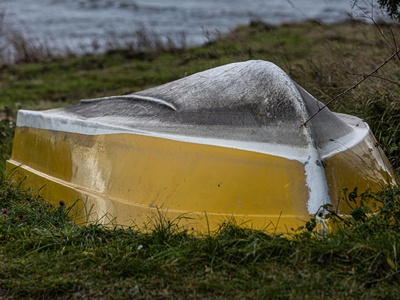
Fiberglass
Made from spun glass fibers, widely manufactured for building insulation. Lightweight, affordable and fire resistant; traps air to slow heat flow. Common in batts and loose-fill, it balances cost, thermal performance and ease of installation but can irritate skin and lungs.
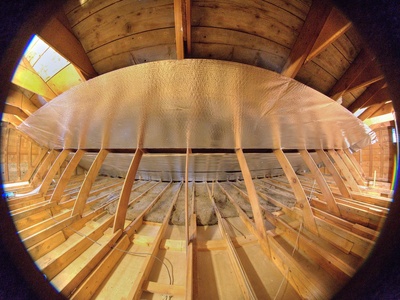
Mineral wool (Rock wool)
Made by melting basalt or slag into fibers, mineral wool resists high temperatures and absorbs sound well. It’s denser than fiberglass, offers good fire performance and moisture tolerance, making it popular for firestops and acoustic applications despite higher cost.
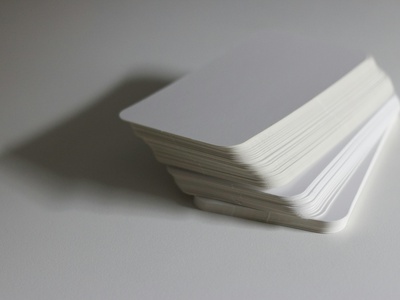
Cellulose (recycled paper)
Made from recycled paper treated with fire retardants, cellulose is blown into cavities for retrofit insulation. It’s eco-friendly and fills gaps well, offering good thermal and air-sealing performance, but can settle over time and absorb moisture if not protected.
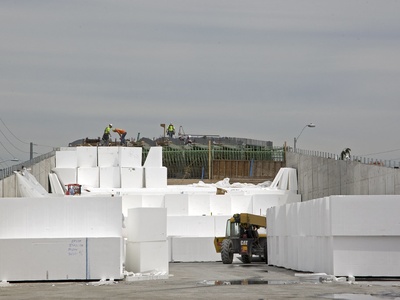
Expanded polystyrene (EPS)
Lightweight foam made from expanded beads of styrene. EPS is moisture resistant, inexpensive, and used in building panels and packaging. It has moderate thermal performance and is susceptible to solvents and high heat; combustibility requires protection in buildings.
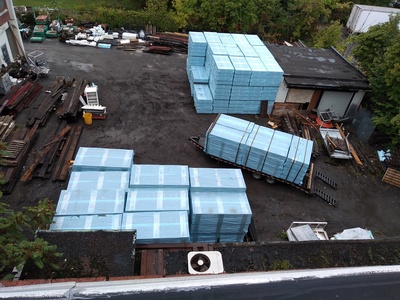
Extruded polystyrene (XPS)
A denser, extruded polystyrene foam with closed cells that resists moisture and compressive loads better than EPS. Popular for foundations and continuous insulation. Offers consistent thermal performance but can be costlier and is petroleum-derived.

Polyisocyanurate (Polyiso)
Rigid foam board with a blowing-agent-filled core providing high R-value per thickness. Widely used in commercial roofing and wall assemblies; lightweight and fire-treated. Performance can decline at very low temperatures; faces are often foil for vapor control.
Polyurethane foam (spray/rigid)
High-performance foam available as spray-applied or rigid panels. Excellent air sealing and high R-value per inch. Used in tight constructions and specialty panels; requires professional application and careful handling due to chemicals and flammability.
Silica Aerogel
Ultra-porous silica material with extremely low thermal conductivity. Light and thin yet highly insulating, aerogel is used where space or extreme performance matters. Historically expensive and fragile, newer composite blankets make it more practical for industrial and building uses.
Phenolic foam
Rigid foam derived from phenolic resins with low thermal conductivity and excellent fire performance. It’s stable at elevated temperatures and moisture resistant, used where thin, fire-rated insulation is required. More costly than common foams.
Vacuum insulated panel (VIP)
Composite panels that enclose a low-pressure core to minimize conduction and convection. VIPs deliver near-vacuum thermal performance in thin profiles, ideal where space is limited. They are effective but puncture-sensitive and pricier than conventional insulations.
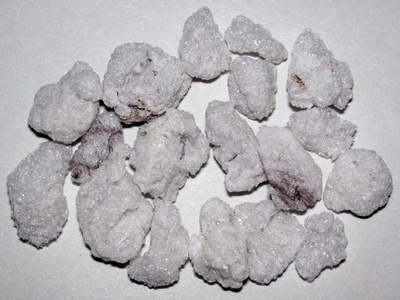
Perlite (expanded)
Lightweight volcanic glass heated to expand into porous particles. Used as loose-fill thermal insulation, in masonry, and for high-temperature applications. Economical and non-combustible, but needs containment and can settle or absorb moisture if not protected.
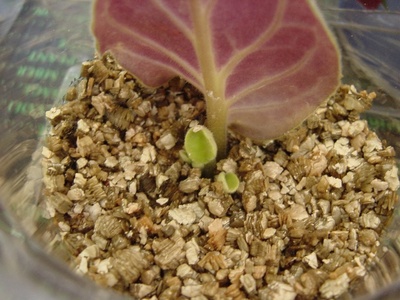
Vermiculite
Hydrated laminar mineral expanded by heat into lightweight granules. Vermiculite insulates and resists fire; used historically in attics and lightweight mixes. Some sources may contain contaminants, so modern usage follows tested, safe supplies.
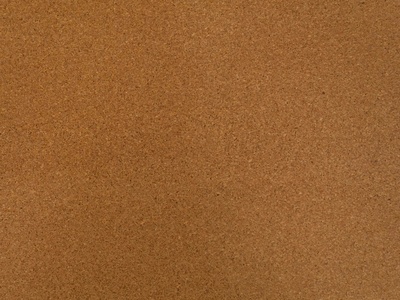
Cork
Natural bark product from cork oak with a cellular structure trapping air. Renewable and moisture-resistant, cork offers thermal insulation, sound damping, and compressibility for seals. Used in sustainable building materials and acoustic finishes though more costly than synthetic foams.
Sheep wool
Natural fiber insulation made from sheep fleece. It buffers humidity, resists mold, and provides decent thermal and acoustic performance. Renewable and easy to handle, wool is costlier and requires treatment for fire and pests in some markets.
Cellular glass (foam glass)
Manufactured from crushed glass turned into a closed-cell foam; it’s rigid, non-combustible, moisture-proof, and load-bearing. Excellent for buried or wet applications and industrial insulation, though heavier and more expensive than polymer foams.
Straw bale
Baled agricultural straw used as thick wall insulation in natural construction. Offers high R-value per thickness using a renewable, low-embodied-energy material. Requires careful detailing for moisture control and pest prevention but popular in sustainable building designs.
Hempcrete (hemp-lime)
A bio-composite of hemp hurds and lime binder creating a breathable, insulating wall material. Hempcrete is lightweight, carbon-sequestering, and regulates humidity. It’s not structural, so used in framed construction and valued in ecological building.
Air gap (still air)
Simply trapped still air in cavities reduces heat transfer by convection and conduction. Used in double-pane windows and building assemblies as a cheap, effective insulating strategy. Performance depends on gap size and prevention of convection currents.
Radiant barrier foil
Thin metallic films with very low emissivity that reflect radiant heat, commonly used in attics and duct wraps. Effective at reducing summer heat gain when properly installed. Works best with an adjacent air space; less impact on conduction.
Porcelain (ceramic)
Fired ceramic with high dielectric strength, weather resistance and mechanical robustness. Porcelain has been used for transmission pole insulators and high-voltage hardware for over a century. Durable and thermally stable, but heavy and brittle.
Glass (electrical grade)
Annealed or tempered glass used historically and presently for distribution insulators. Glass offers good dielectric strength and UV resistance, plus low leakage currents. Fragile compared with ceramics but visually inspectable for damage.
PTFE (Teflon)
A fluoropolymer with outstanding dielectric strength, chemical inertness, and temperature range. PTFE is used where clean, stable insulation is required—RF parts, high-voltage components, and harsh environments. Pricier but unmatched in many electrical applications.
Polytetrafluoroethylene (PTFE)
Same as PTFE above; exceptional dielectric strength and temperature stability, used in demanding electrical and chemical environments. (Listed for clarity: PTFE is the common name for polytetrafluoroethylene.)
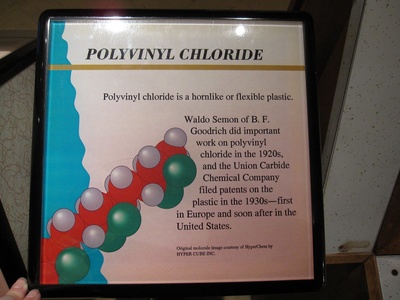
Polyvinyl chloride (PVC)
A versatile thermoplastic used extensively as wire insulation and conduit because it’s inexpensive, flame-retardant with additives, and mechanically robust. Moderate dielectric strength and temperature limits; plasticizers can affect long-term properties.
Polyethylene (LDPE/HDPE)
Common thermoplastic with good dielectric properties and moisture resistance. Low-cost and used in cable jacketing and foam insulation. Offers decent electrical insulation and chemical resistance but limited temperature range for some applications.
FR-4 (glass-epoxy laminate)
A fiberglass-reinforced epoxy laminate widely used for PCBs and insulating structural parts. FR-4 combines mechanical strength and reliable dielectric performance; manufactured sheets are readily available, though moisture absorption can affect properties over time.
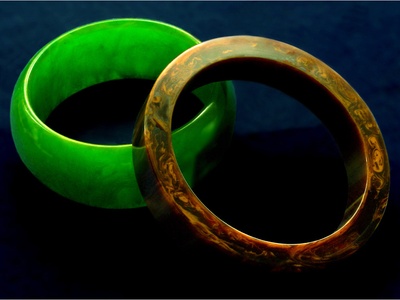
Bakelite (Phenolic resin)
One of the first synthetic plastics, made from phenol-formaldehyde resin. Bakelite is rigid, heat-resistant and electrically insulating, historically used for knobs and electrical housings. Brittle compared with modern plastics but iconic for its durability.
Ebonite (Vulcanized hard rubber)
Hard rubber produced by vulcanization of natural rubber; historically important as an electrical insulator. Good dielectric strength and machinability, though it can degrade over time and is heavier than modern polymers.
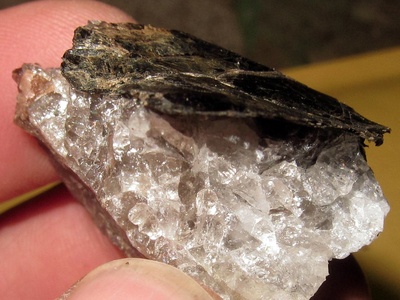
Mica (sheet mica)
A natural mineral processed into thin sheets with exceptional dielectric strength and thermal stability. Mica is used where insulating reliability at elevated temperatures matters—heater elements, high-voltage capacitors and electrical feedthroughs—though brittle and costly.
Transformer oil (mineral oil)
Mineral oil is used as an insulating and cooling fluid in transformers and high-voltage apparatus. It fills voids, increases dielectric strength versus air, and dissipates heat. Requires purity control, and flammability is a design consideration.
Insulating paper (kraft/paper)
Cellulosic papers treated or used with oil as solid insulation in transformers and capacitors. Paper offers good dielectric properties when dry or oil-impregnated and is inexpensive; it degrades with moisture, heat and aging, so system design manages lifecycle.
Dry wood (seasoned)
Natural anisotropic material with significant insulating qualities when dry. Used historically for supports and insulators in low-humidity settings. Performance depends strongly on moisture content and species—wet wood becomes conductive.
Silicone rubber (elastomer)
Synthetic elastomer with good dielectric strength, flexibility and wide temperature range. Silicone rubber is used for outdoor insulators, O-rings and flexible electrical seals where weathering and heat resistance are needed. More expensive than general-purpose rubbers.
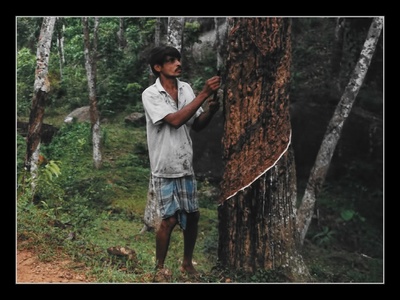
Natural rubber
Harvested latex processed into rubber with decent dielectric strength and elasticity. Used in insulating gloves, vibration mounts, and seals. It degrades with ozone and heat and offers lower temperature tolerance than silicone.
Acoustic foam (open-cell polyurethane)
Open-cell polyurethane foam engineered for sound absorption across mid-high frequencies. Lightweight and easy to mount for reducing reverberation in rooms and enclosures. Flammable unless treated and less effective at low frequencies without backing or thickness.
Mineral wool (acoustic use)
Denser fiber insulation optimized for sound absorption, often used in acoustic panels and baffles. It traps sound energy across a broad band, particularly mid-to-low frequencies, and also brings fire resistance advantages compared with polymer foams.
Mass-loaded vinyl (MLV)
High-mass, flexible polymer sheet added to wall or floor assemblies to block sound transmission. MLV increases mass per area to reduce airborne noise transfer; thin and flexible, it’s useful in retrofit soundproofing but adds weight and cost.
Wool felt (acoustic)
Compressed natural wool or blended felt used for mid-frequency sound absorption and damping. Attractive, sustainable and fire-retardant when treated, felt is used in architectural acoustic panels and soft furnishings that combine aesthetics with noise control.
Acoustic fiberboard (wood-fiber panels)
Panels made from recycled wood fibers bound into porous boards to absorb sound and control reverberation. Economical and decorative, fiberboards are used in commercial interiors for acoustic comfort with moderate fire and moisture performance.
Closed-cell polyethylene foam (PE foam)
Synthetic closed-cell foam offering low water absorption, cushioning and moderate thermal resistance. Common in packaging, pipe insulation, and thermal breaks. Durable and easy to fabricate but lower R-value per inch than high-performance foams.
Neoprene (chloroprene rubber)
Synthetic rubber with good weather, ozone and oil resistance plus moderate thermal and electrical insulation. Used in gaskets, vibration isolation and wetsuits, neoprene balances durability and insulation but isn’t as thermally efficient as specialized foams.
Silicone foam (closed-cell)
Flexible silicone-based foam combining electrical insulation, high-temperature resistance and compression sealing. Popular for gasketing in electronics and ovens due to stability up to several hundred degrees Celsius. More costly but reliable under thermal cycling.
Aerogel blanket (composite)
Composite blankets embedding aerogel particles in a felt or fiber mat to yield ultra-low thermal conductivity with flexibility. They enable high performance in thin sections, used in aerospace, industrial piping and retrofit scenarios where space is limited.
Vacuum (used in vacuum flasks/VIPs)
Absence of matter that suppresses convective and conductive heat transfer; used in vacuum flasks and VIP cores. Vacuum provides the ultimate thermal barrier but requires rigid enclosures and seals—puncture or leaks dramatically reduce performance.
Acoustic curtain (heavy textile)
Dense, multilayer textile curtains made from wool, polyester or blended fabrics that absorb and block sound. Useful for flexible acoustic control in performance spaces and studios. Their effectiveness depends on mass, thickness and air gap behind fabric.
High-temperature ceramic fiber (kaowool)
Textile or blanket forms of refractory ceramic fibers for insulation at very high temperatures. Lightweight and resilient to thermal shock, used in kilns and industrial furnaces. Requires handling precautions for respiratory exposure and often a protective facing.