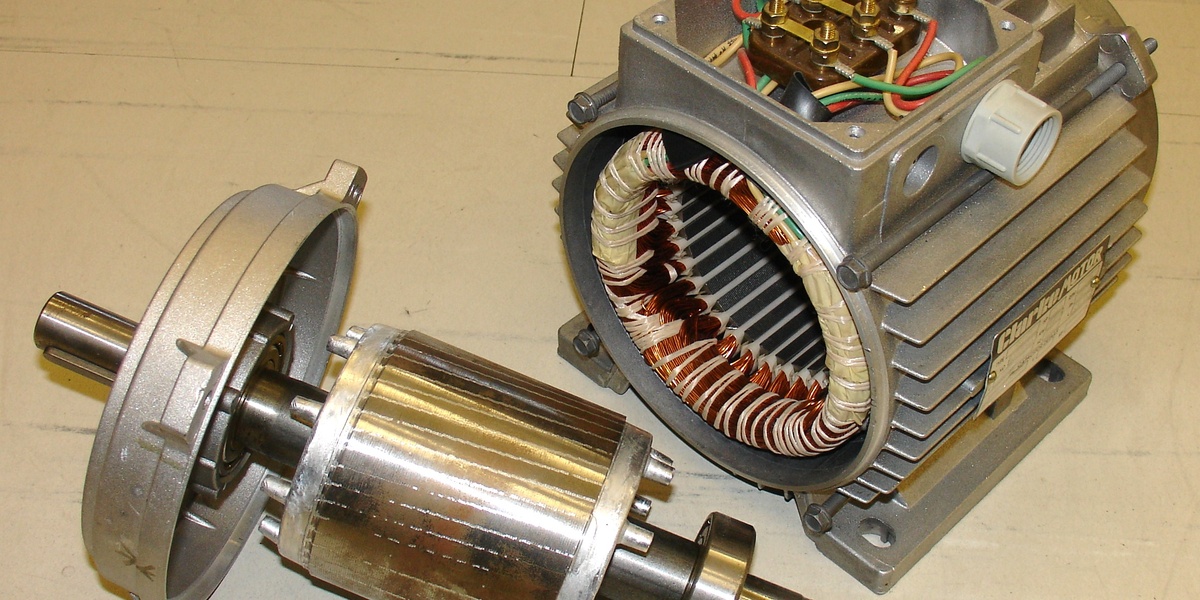
From factory floors to the tiniest consumer gadgets, electric motors are the silent workhorses that turn electrical energy into motion. Knowing which type fits a given machine or product saves time, money and design headaches.
There are 20 Examples of Electric Motors, ranging from AC induction (asynchronous) to Voice coil (moving-coil) motor. Data are organized in a compact table with Common use, Power range (W), and Key feature — you’ll find below.
How do I choose the right motor for my project?
Pick based on the key demands: required torque and speed, power range, control complexity (open-loop vs closed-loop), size and mounting constraints, and the operating environment (temperature, dust, moisture). Match those needs to a motor’s strengths — for example, use an AC induction motor for robust mains-driven loads, a brushless DC for efficiency and control, or a voice coil for short, precise linear motion.
Can different motor types be interchanged easily?
Not usually without redesign: differences in torque/speed curves, mounting, drive electronics and cooling mean swaps often need new controllers, gearing or housings. Minor substitutions are possible when performance specs align, but verify electrical compatibility and mechanical fit before replacing a motor.
Examples of Electric Motors
| Motor type | Common use | Power range (W) | Key feature |
|---|---|---|---|
| AC induction (asynchronous) | Pumps, fans, compressors, industrial drives | 100 W-2,000,000 W | Robust, low-cost, simple |
| Single-phase induction motor | Household appliances, fans, small pumps | 10 W-2,000 W | Simple, inexpensive for single-phase supply |
| Synchronous motor | Industrial drives, generators, precision speed applications | 100 W-2,000,000 W | Maintains constant speed under load |
| Permanent magnet synchronous motor (PMSM) | EVs, robotics, appliances | 50 W-200,000 W | High efficiency and power density |
| Brushed DC (PMDC) motor | Toys, actuators, automotive accessories | 0.1 W-5,000 W | Simple speed control by voltage |
| Brushless DC (BLDC) motor | Drones, fans, EV auxiliaries, appliances | 0.5 W-200,000 W | No brushes, long life, efficient |
| Universal motor | Power tools, vacuum cleaners | 50 W-5,000 W | Runs on AC or DC, very high speed |
| Stepper motor | 3D printers, CNC, instrumentation | 0.1 W-200 W | Precise open-loop position control |
| Servo motor (closed-loop) | Robotics, CNC axes, motion control | 1 W-50,000 W | Closed-loop high-precision control |
| Switched reluctance motor (SRM) | Industrial drives, EV research, appliances | 100 W-300,000 W | Simple rotor, robust at high temperature |
| Synchronous reluctance motor (SynRM) | HVAC, pumps, industrial drives | 100 W-300,000 W | No magnets, improved efficiency |
| Linear motor | Maglev, conveyors, actuators, printers | 10 W-100,000 W | Direct linear force, no rotary conversion |
| Pancake (axial-flux) motor | EVs, drones, robotics, aerospace | 50 W-100,000 W | Flat form factor, high torque density |
| Torque motor (direct-drive) | Turntables, robotics joints, valve actuators | 5 W-20,000 W | High torque at low speed, gearboxless |
| Hysteresis motor | Record players, timing devices, gearless drives | 5 W-2,000 W | Exceptionally smooth synchronous operation |
| Shaded-pole motor | Small fans, kitchen appliances, clocks | 1 W-250 W | Very simple and cheap starting torque |
| Voice coil (moving-coil) motor | Speakers, optical focus actuators, haptic devices | 0.01 W-50 W | Fast, precise linear motion over short stroke |
| Coreless (ironless) DC motor | Medical devices, small drones, instrumentation | 0.1 W-1,000 W | Low rotor inertia, rapid response |
| Hub motor | E-bikes, scooters, wheelchairs | 100 W-10,000 W | Integrated wheel drive, compact installation |
| Traction motor | Trains, trams, EV drivetrains, heavy vehicles | 10,000 W-1,000,000 W | High torque for vehicle propulsion |
Images and Descriptions
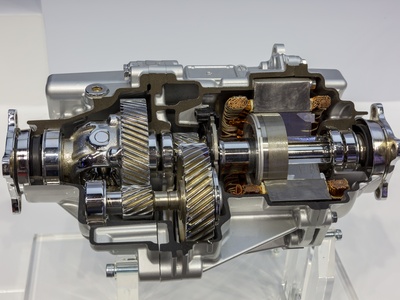
AC induction (asynchronous)
The ubiquitous three-phase induction motor runs asynchronously from the grid. It’s rugged, inexpensive and scalable from small factory drives to multi-megawatt compressors, prized for reliability rather than peak efficiency or precise speed control under varying loads.
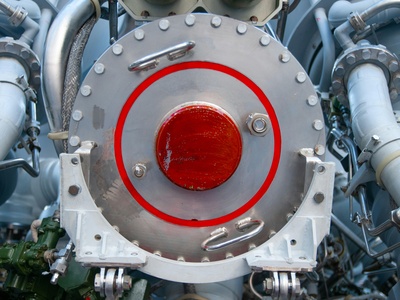
Single-phase induction motor
A compact induction variant for single-phase mains, found in washing machines, fans and small pumps. It’s inexpensive, easy to manufacture and suited to low-power domestic applications where three-phase power isn’t available.
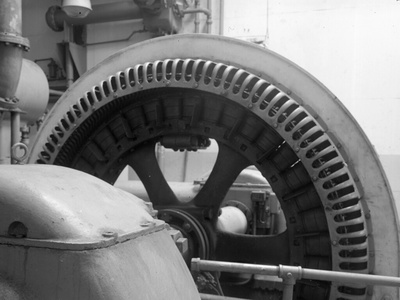
Synchronous motor
Synchronous motors lock rotor speed to the supply frequency, providing precise constant-speed operation. They’re used where stable speed or power factor correction is important, from medium industrial drives to large utility-grade machines.

Permanent magnet synchronous motor (PMSM)
PMSMs use permanent magnets on the rotor for excellent torque density and efficiency. Common in electric vehicles and robotics, they deliver strong performance in a compact package but rely on rare-earth or ferrite magnets.

Brushed DC (PMDC) motor
Brushed DC motors have a commutator and brushes for mechanical commutation. They’re easy to control with simple voltage variation, common in low-cost and legacy applications, but require maintenance and wear brushes over time.
Brushless DC (BLDC) motor
BLDC motors use electronic commutation with stationary windings and a rotating permanent-magnet rotor. They offer high efficiency, long lifetimes and good power density, widely used in consumer electronics, drones and automotive systems.
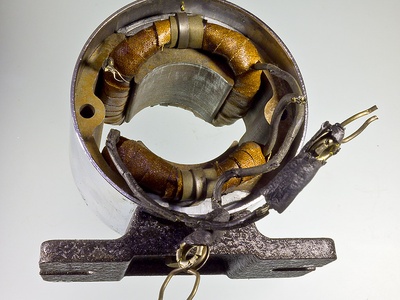
Universal motor
The universal motor is series-wound and runs on AC or DC, producing high speed and good torque for handheld tools and appliances. It’s noisy and needs maintenance but provides compact high power for portable devices.
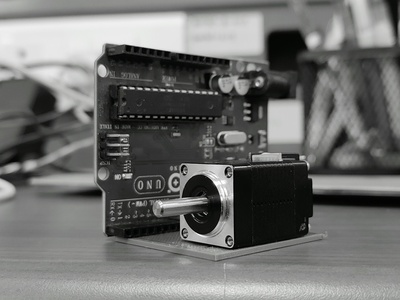
Stepper motor
Stepper motors divide rotation into discrete steps, enabling exact positioning without feedback in many systems. Hybrid and PM steppers are common in printers and automation; they provide reliable incremental motion control at low to moderate power.
Servo motor (closed-loop)
Servo motors are motors paired with feedback and drive electronics for high-precision position, velocity, or torque control. Implementations vary (DC, BLDC, AC) and are used where responsive, accurate motion is required.
Switched reluctance motor (SRM)
SRMs have a simple, magnet-free rotor and use switched stator phases for torque. They’re rugged, tolerant of harsh environments and can be cost-effective, though they require complex control and can have acoustic noise.
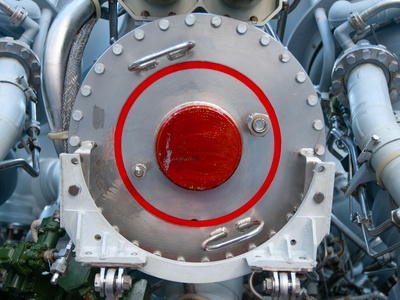
Synchronous reluctance motor (SynRM)
SynRMs produce torque from rotor reluctance differences without permanent magnets. They offer better efficiency than induction motors for many applications and avoid rare-earth magnets, gaining traction in energy-conscious industrial systems.
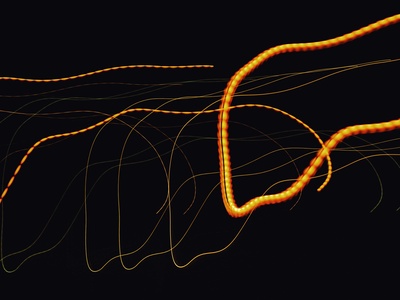
Linear motor
Linear motors produce motion directly along a straight axis instead of using rotary-to-linear mechanisms. Used in maglev transport, precision stages and conveyors, they offer high acceleration and precise positioning at varying power scales.
Pancake (axial-flux) motor
Axial-flux or pancake motors stack rotor and stator discs for a short, wide profile with excellent torque per volume. Favoured where radial space is limited and high torque density is valuable, such as EV in-wheel designs and drones.
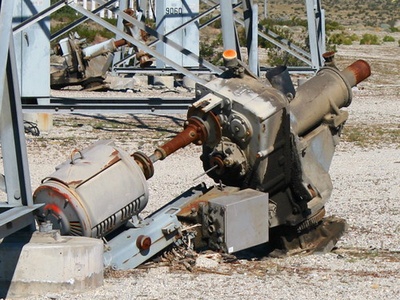
Torque motor (direct-drive)
Torque motors are low-speed, high-torque direct-drive motors designed to deliver steady torque without gear reduction. They’re ideal where backlash-free, smooth rotation is needed, like precision rotary tables and direct-drive robotic joints.
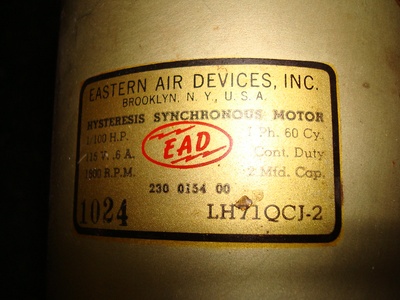
Hysteresis motor
Hysteresis motors use magnetic hysteresis in the rotor for self-starting synchronous operation with very smooth torque and low vibration. They’re used in precision, quiet applications such as turntables and timing equipment.
Shaded-pole motor
Shaded-pole motors are inexpensive single-phase induction machines with shaded pole windings for starting torque. They’re low-cost and reliable in low-power fans and small appliances but have poor efficiency and torque density.
Voice coil (moving-coil) motor
Voice coil motors generate force via a moving coil in a magnetic field, offering fast, low-latency linear motion ideal for loudspeakers, camera focus actuators and precision micropositioning where short travel and responsiveness matter.
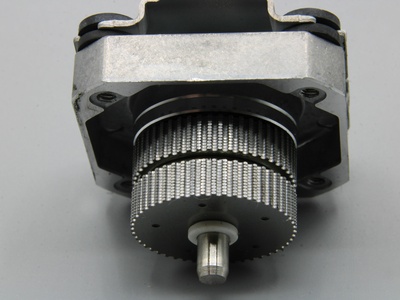
Coreless (ironless) DC motor
Coreless motors have a rotor without an iron core, reducing inertia and improving transient response. Common in precision instruments, small drones and medical devices where fast acceleration and minimal cogging are required.
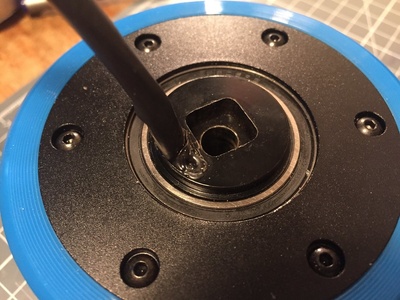
Hub motor
Hub motors integrate the drive directly into a wheel hub, simplifying drivetrain layout for e-bikes and scooters. Typically BLDC or PMSM types, they offer compact packaging, though thermal management and unsprung mass are design considerations.
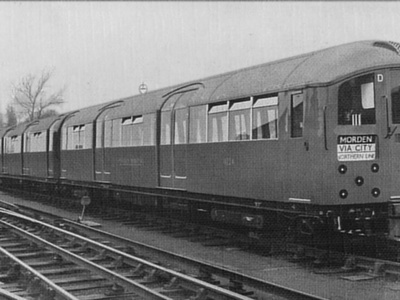
Traction motor
Traction motors are heavy-duty motors optimized for vehicle propulsion, delivering sustained high torque and power. Technologies include AC induction, PMSM and DC variants, engineered for reliability, thermal handling and drivetrain integration.