From village homesteads to commercial farms and highland pastures, the animals people keep tell a story about food, labor and companionship across cultures. Looking at that diversity helps you see patterns of use, geography and how humans shaped other species over time.
There are 64 Domesticated Animals, ranging from Alpaca to Zebu (humped cattle). For each entry the data is organized as Scientific name,Status & uses,Origin (region); details you’ll find below.
How is an animal classified as domesticated on this list?
An animal is included when there is clear, sustained human management that affects breeding, behavior or life cycle—typically long-term captive breeding, selective breeding for traits, or regular use by people. Some entries sit near the boundary with tamed or commensal species; those are included when historical and genetic evidence show a true domestication process.
How can I use the columns to compare species by region or use?
Use the Origin (region) column to group species geographically and the Status & uses column to compare roles like draft, meat, fiber or companionship. The Scientific name helps avoid confusion between common names when you’re cross-referencing research or regional lists.
Domesticated Animals
| Name | Scientific name | Status & uses | Origin (region) |
|---|---|---|---|
| Dog | Canis lupus familiaris | Fully domesticated; companion, work, herding, detection | Eurasia |
| Cat | Felis catus | Fully domesticated; companion, pest control | Near East (Fertile Crescent) |
| Cattle | Bos taurus | Fully domesticated; meat, milk, draft | Near East (Fertile Crescent) |
| Zebu (humped cattle) | Bos indicus | Fully domesticated; meat, milk, draft (tropical) | South Asia |
| Water buffalo | Bubalus bubalis | Fully domesticated; draft, milk, meat | South Asia/Southeast Asia |
| Yak | Bos grunniens | Regionally domesticated; pack, milk, meat | Tibetan Plateau |
| Banteng-derived cattle (Bali cattle) | Bos javanicus domesticus | Fully domesticated; meat, draft (island breeds) | Southeast Asia (Indonesia) |
| Sheep | Ovis aries | Fully domesticated; wool, meat, milk | Near East (Fertile Crescent) |
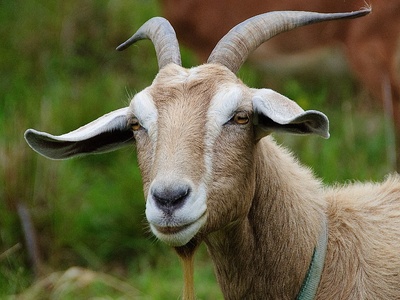
| Goat | Capra hircus | Fully domesticated; milk, meat, fiber | Near East (Fertile Crescent) |
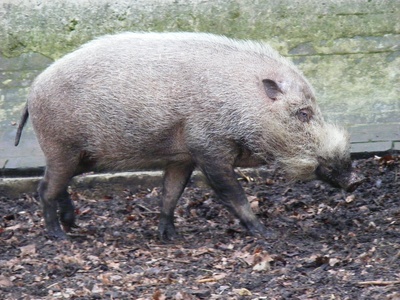
| Pig | Sus scrofa domesticus | Fully domesticated; meat, research | Eurasia |
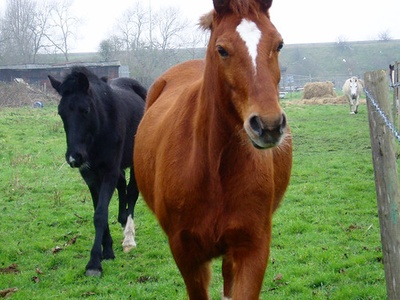
| Horse | Equus ferus caballus | Fully domesticated; transport, work, sport | Eurasian Steppe |
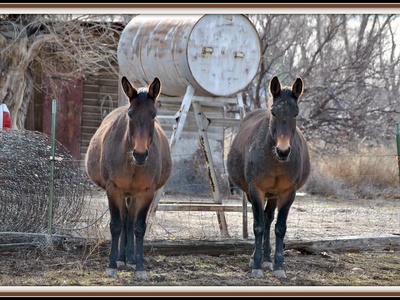
| Donkey | Equus africanus asinus | Fully domesticated; pack, draft | Northeast Africa |
| Dromedary camel | Camelus dromedarius | Fully domesticated; transport, milk, meat | Arabian Peninsula/Southwest Asia |
| Bactrian camel | Camelus bactrianus | Fully domesticated; heavy draft, transport | Central Asia |
| Llama | Lama glama | Fully domesticated; pack, fiber | Andes (South America) |
| Alpaca | Vicugna pacos | Fully domesticated; fine fiber | Andes (South America) |
| Reindeer (caribou) | Rangifer tarandus domesticus | Regionally domesticated; transport, milk, meat | Circumpolar (Sami, Nenets) |
| Chicken | Gallus gallus domesticus | Fully domesticated; eggs, meat | Southeast Asia |
| Turkey | Meleagris gallopavo domesticus | Fully domesticated; meat | North America (Mesoamerica) |
| Domestic duck (mallard-derived) | Anas platyrhynchos domesticus | Fully domesticated; meat, eggs | East Asia/Europe |
| Muscovy duck | Cairina moschata domestica | Fully domesticated; meat | South America |
| Goose | Anser anser domesticus/Anser cygnoides | Fully domesticated; meat, guard | Europe/Asia |
| Domestic pigeon | Columba livia domestica | Fully domesticated; messaging, sport, meat | Mediterranean (rock pigeon) |
| Guinea fowl | Numida meleagris domesticus | Fully domesticated; meat, pest control | Sub-Saharan Africa |
| Quail | Coturnix japonica (domestic forms) | Fully domesticated; eggs, meat | East Asia |
| Domestic rabbit | Oryctolagus cuniculus domesticus | Fully domesticated; meat, pet, research | Iberian Peninsula |
| Ferret | Mustela putorius furo | Fully domesticated; hunting, pet | Europe |
| House mouse (lab/domestic) | Mus musculus domesticus | Fully domesticated; research, pet | Commensal worldwide (origins Near East) |
| Domestic rat | Rattus norvegicus domestica | Fully domesticated; research, pet | Central Asia/commensal worldwide |
| Guinea pig | Cavia porcellus | Fully domesticated; companion, meat, research | Andes (South America) |
| Chinchilla (domestic) | Chinchilla lanigera (domestic strains) | Partially domesticated; fur, pet | Andes (Chile) |
| Silkworm | Bombyx mori | Fully domesticated; silk production | China |
| Honey bee (managed) | Apis mellifera | Partially domesticated; honey, pollination | Eurasia/Africa |
| Common carp | Cyprinus carpio (domestic strains) | Fully/partially domesticated; aquaculture, ornamental koi | East Asia |
| Koi (ornamental carp) | Cyprinus carpio (koi varieties) | Domesticated; ornamental, show | Japan (varietal development) |
| Nile tilapia | Oreochromis niloticus (domestic strains) | Partially domesticated; aquaculture | Africa (Nile) |
| Atlantic salmon (farmed) | Salmo salar (farmed strains) | Partially domesticated; aquaculture | North Atlantic |
| Red/deer (farmed) | Cervus elaphus (farmed strains) | Partially domesticated; meat, antler | Eurasia/New Zealand |
| Bison (farmed American bison) | Bison bison (farmed strains) | Partially domesticated; meat, conservation | North America |
| Pigeon (homing/fancy) | Columba livia domestica (fancy/homing) | Fully domesticated; sport, hobby, messaging | Mediterranean |
| Silkie chicken (breed) | Gallus gallus domesticus (Silkie) | Fully domesticated; ornamental, pet | China (ancient breed) |
| Leghorn (chicken breed) | Gallus gallus domesticus (Leghorn) | Fully domesticated; egg-laying | Mediterranean (Italy) |
| Rhode Island Red (chicken) | Gallus gallus domesticus (Rhode Island Red) | Fully domesticated; dual-purpose | United States (New England) |
| Pekin duck (breed) | Anas platyrhynchos domesticus (Pekin) | Fully domesticated; meat | China/Europe development |
| Broad Breasted White turkey (breed) | Meleagris gallopavo (Broad Breasted White) | Fully domesticated; meat | United States (industrial breeding) |
| Holstein (cattle breed) | Bos taurus (Holstein) | Fully domesticated; dairy | Netherlands/Europe |
| Angus (cattle breed) | Bos taurus (Angus) | Fully domesticated; beef | Scotland |
| Brahman (cattle breed) | Bos indicus (Brahman) | Fully domesticated; tropical beef/draft | India (zebu-derived, US development) |
| Merino (sheep breed) | Ovis aries (Merino) | Fully domesticated; fine wool | Spain (historic) |
| Suffolk (sheep breed) | Ovis aries (Suffolk) | Fully domesticated; meat | England |
| Boer goat (breed) | Capra hircus (Boer) | Fully domesticated; meat | South Africa |
| Saanen (goat breed) | Capra hircus (Saanen) | Fully domesticated; dairy | Switzerland |
| Yorkshire pig (Large White) | Sus scrofa domesticus (Yorkshire) | Fully domesticated; pork | England |
| Duroc pig (breed) | Sus scrofa domesticus (Duroc) | Fully domesticated; pork | United States |
| New Zealand White (rabbit) | Oryctolagus cuniculus domesticus (New Zealand White) | Fully domesticated; meat, lab | United States/New Zealand development |
| Angora rabbit (breed) | Oryctolagus cuniculus domesticus (Angora) | Fully domesticated; fiber | Anatolia/Europe development |
| Labrador Retriever (dog breed) | Canis lupus familiaris (Labrador Retriever) | Fully domesticated; companion, service | Newfoundland/England |
| German Shepherd (dog breed) | Canis lupus familiaris (German Shepherd) | Fully domesticated; working, service | Germany |
| Poodle (dog breed) | Canis lupus familiaris (Poodle) | Fully domesticated; companion, retriever | Germany/France development |
| Persian (cat breed) | Felis catus (Persian) | Fully domesticated; companion | Ancient Near East/Europe popularity |
| Siamese (cat breed) | Felis catus (Siamese) | Fully domesticated; companion | Thailand (Siam) |
| Homing pigeon (breed) | Columba livia domestica (Homing pigeon) | Fully domesticated; sport, messaging | Mediterranean development |
| Italian honey bee (managed strain) | Apis mellifera ligustica (strain) | Partially domesticated; honey, pollination | Italy (strain origin) |
| Broad domestic categories summary entry (optional) | Various species (summary) | — | — |
Images and Descriptions

Dog
Domesticated from wolves at least 15,000 years ago, dogs spread worldwide as companions, hunters and working partners. Varied breeds serve sport, service, herding and protection roles; greatest behavioral diversity among domestic mammals.
Cat
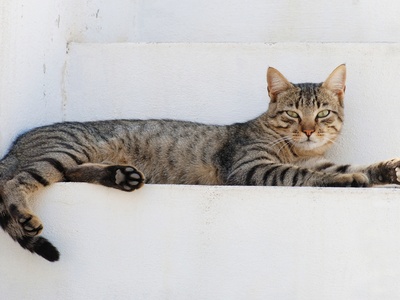
Cats were likely domesticated alongside early agriculture to control rodents. Kept as companions and sacred animals in some cultures, domestic cats retain hunting instincts and show diverse breeds and coat patterns.

Cattle
Domesticated from wild aurochs about 10,000 years ago, taurine cattle provided milk, meat and draft power. Selective breeding produced dairy and beef lines that shaped agriculture and human diets globally.
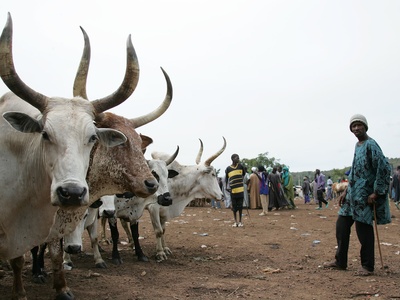
Zebu (humped cattle)
Zebu cattle adapted to hot, humid climates with a characteristic hump. Domesticated in South Asia thousands of years ago, they are prized for heat tolerance, draught work and regional dairy traditions.
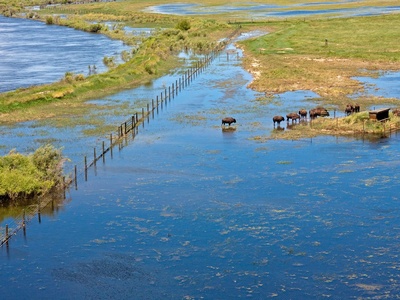
Water buffalo
Domesticated in Asia for rice-field work, milk and meat, water buffalo remain central to Asian agriculture. They tolerate wetlands and produce rich milk used for regional cheeses and dairy products.
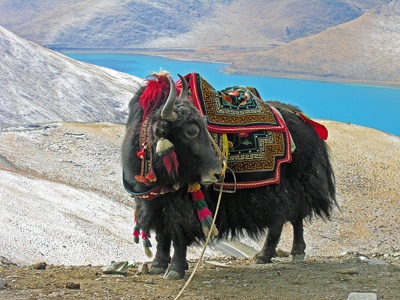
Yak
Domesticated on the Tibetan Plateau for thousands of years, domestic yaks provide milk, meat, fiber and draft power at high altitudes and are essential to pastoralist cultures.

Banteng-derived cattle (Bali cattle)
Bali cattle descend from banteng and were domesticated in Indonesia. They are used for meat and as small draft animals, adapted to island environments and traditional farming systems.
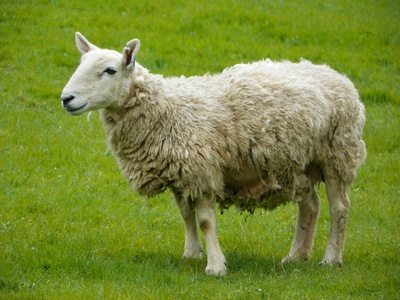
Sheep
One of the earliest livestock species, sheep were selected for wool, meat and milk. They underpin textile production and pastoral economies worldwide, with specialized wool and meat breeds.
Goat
Goats were domesticated for adaptable milk, meat and fiber production. Hardy and resourceful, they are kept by smallholders worldwide and have numerous regional breeds suited to varied climates.
Pig
Domesticated from wild boar in multiple regions, pigs provide pork and have been important in farming systems for millennia. Their physiology also makes them valuable in biomedical research.
Horse
Domesticated on the Eurasian steppes roughly 5,500 years ago, horses transformed transport, warfare and agriculture. Selective breeding created mounts, draft and racing types with varied temperaments and abilities.
Donkey
Domesticated from African wild ass, donkeys are durable pack and draft animals important in arid regions for transport and farming, often valued for sure-footedness and low maintenance.
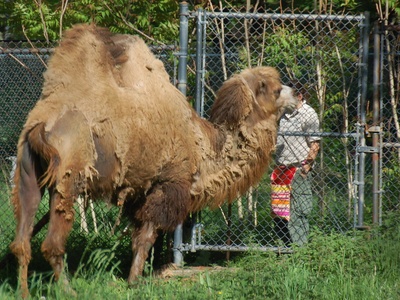
Dromedary camel
Domesticated in arid regions for transport, milk and meat, dromedaries enabled long-distance trade across deserts. They remain central to Bedouin and Sahelian cultures and provide fiber and racing uses.
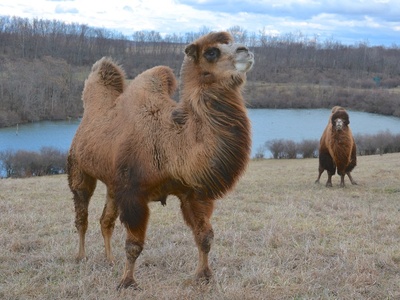
Bactrian camel
Two-humped Bactrian camels were domesticated on Central Asian steppes for carrying heavy loads in cold deserts; they are adapted to extreme climates and are used for transport, milk and wool.
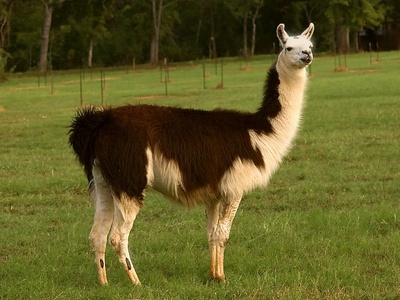
Llama
Domesticated from wild guanaco by Andean peoples, llamas serve as pack animals and fiber producers. They remain culturally important and are used in trekking, fiber production and as guard animals.
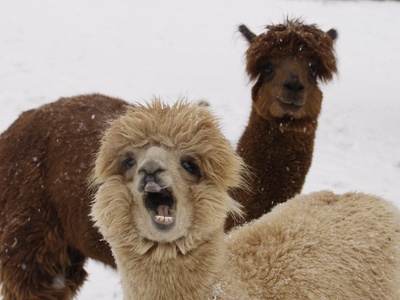
Alpaca
Alpacas were domesticated from vicuña ancestors for soft fiber. Central to Andean textile traditions, two main types (Huacaya and Suri) supply luxury wool for garments.
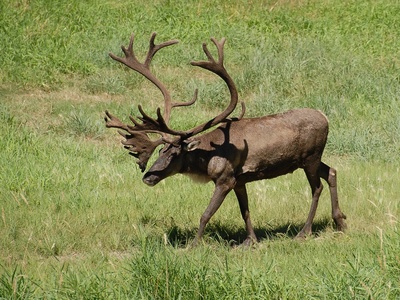
Reindeer (caribou)
Reindeer have been selectively herded by Arctic cultures for centuries, providing meat, milk, hides and draft. Domestication is regional and integrated into nomadic livelihoods across northern Eurasia and North America.
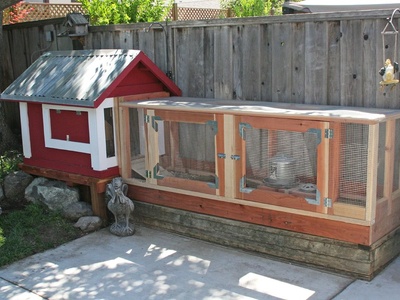
Chicken
Domesticated from red junglefowl, chickens were widely kept for eggs and meat. Human selection produced diverse breeds for laying, meat production and cultural roles like cockfighting and ornamentation.
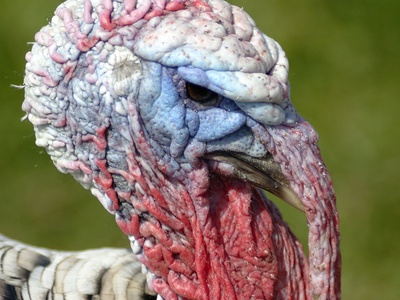
Turkey
Domesticated in pre-Columbian Mesoamerica, turkeys were later spread worldwide. Favored for meat, several heavy breeds were developed for modern commercial production and cultural feasts.
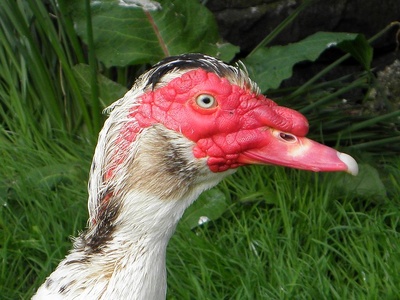
Domestic duck (mallard-derived)
Derived from wild mallards, domestic ducks provide eggs, meat and down. Numerous breeds exist for commercial production and smallholder systems, often adapted to aquatic environments.
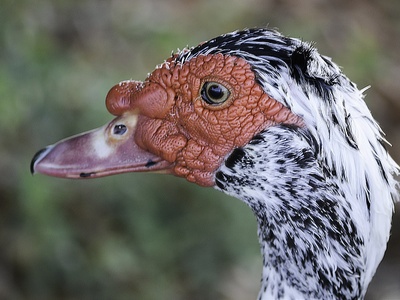
Muscovy duck
Domesticated by indigenous South Americans before European contact, Muscovy ducks are kept for lean meat and pest control. They hybridize with mallard-derived ducks to produce mules.
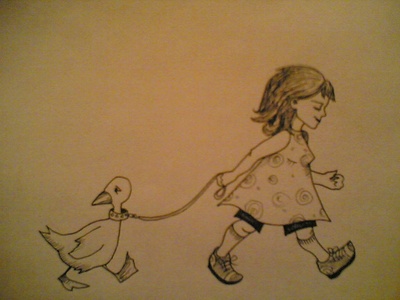
Goose
Geese were domesticated from wild greylag and swan geese, providing meat, feathers and guard functions. They figure in rural folklore and have early domestication history in Eurasia.
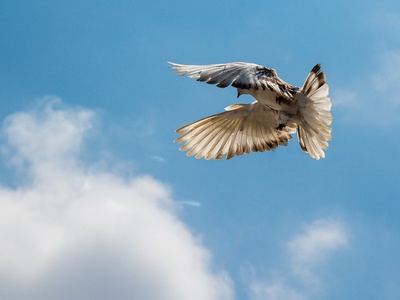
Domestic pigeon
Domesticated from rock pigeons, pigeons have been bred for homing, racing, ornamentation and meat. Homing breeds historically carried messages; many fancy varieties exist.
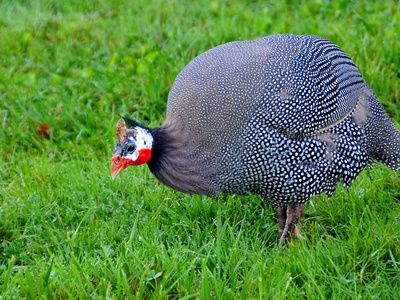
Guinea fowl
Domesticated in Africa, guinea fowl are kept for meat, tick and insect control and as watchdogs. Hardy birds that adapt to free-range systems and provide distinctive dark meat.
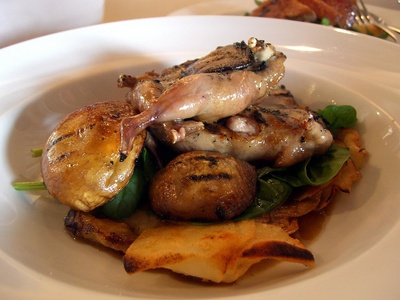
Quail
Japanese quail were domesticated for small-scale egg and meat production. Fast-maturing and prolific layers, they suit hobbyists and commercial niche markets.
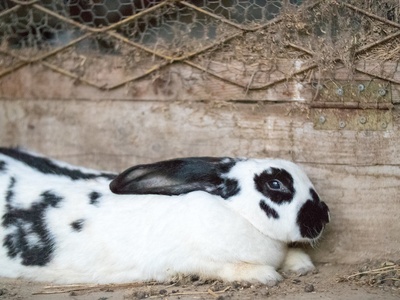
Domestic rabbit
European rabbits were domesticated for meat and fur; kept as pets and lab animals. Many breeds vary in size, fur and temperament; common in small-scale and commercial farming.

Ferret
Domesticated from European polecats for rabbit hunting and rodent control, ferrets are now kept as pets and used in some working roles. Breeding has produced varied coat patterns and temperaments.
House mouse (lab/domestic)
Wild house mice became commensal with humans; lab strains are the product of intensive selective breeding for research and pet keeping. Key model organism in biomedical science.
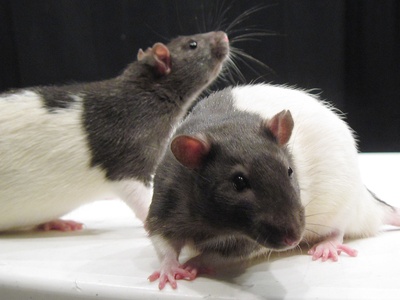
Domestic rat
Brown rats became commensal and were selectively bred into lab and fancy rat strains. They serve as biomedical models and companion animals with varied coat types.

Guinea pig
Domesticated by Andean peoples for meat and ritual use, guinea pigs are now global pets and research animals. They lack a clear wild ancestor but have long history of selective breeding.
Chinchilla (domestic)
Chinchillas were bred in captivity for dense fur and as pets. Domestic lines differ from wild populations; captive breeding began in the 20th century for fur farms and pets.
Silkworm
Silkworms have been bred under human control for about 5,000 years and cannot survive in the wild. They are specialized for silk production and represent one of the oldest insect domestications.
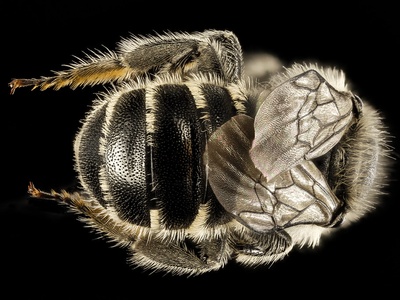
Honey bee (managed)
Managed honey bees are selectively bred and transported worldwide for honey production and pollination services. While colonies are manipulated and strains selected, full domestication status is debated.

Common carp
Domesticated for food and later ornamental varieties (koi), carp have been bred for size, color and temperament over centuries and are central to pond culture and aquaculture.
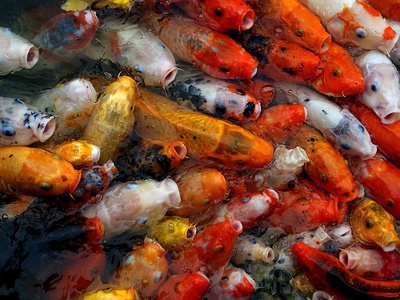
Koi (ornamental carp)
Koi are selectively bred color varieties of common carp prized in ponds and shows. Centuries of selective breeding produced striking color patterns and international hobbyist communities.
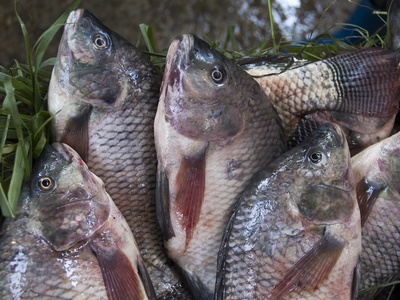
Nile tilapia
Tilapia have been bred in aquaculture for growth and disease resistance. Now a major farmed fish globally, they tolerate varied environments and are staple protein sources.

Atlantic salmon (farmed)
Salmon farming has produced selectively bred strains for growth and disease resistance. Farmed salmon are widely produced for food; true domestication is ongoing but present in many lines.
Red/deer (farmed)
Red deer have been managed and selectively bred in farm settings for venison and antler production. Domestication is partial with strong management and breeding programs in some countries.
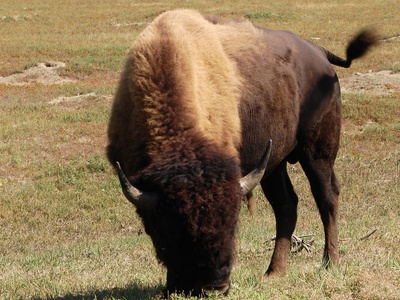
Bison (farmed American bison)
American bison are managed in ranching systems and selectively bred for meat and conservation goals. They remain closer to wild ancestry than long-domesticated livestock but are widely managed.
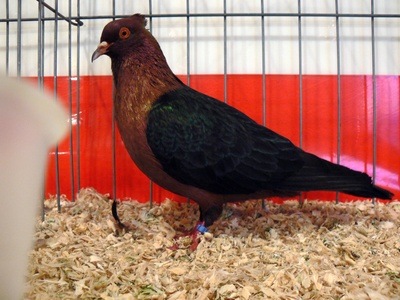
Pigeon (homing/fancy)
Selective breeding produced homing, racing and fancy pigeons for sport and hobbyist exhibitions. Breeds vary in form, plumage and flight capabilities, with long cultural histories worldwide.
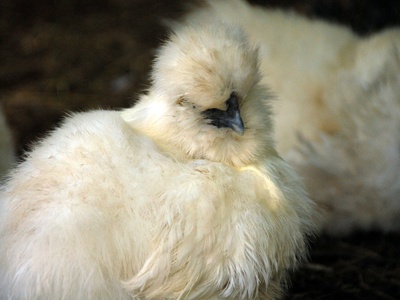
Silkie chicken (breed)
Silkies are an ancient ornamental chicken breed prized for fluffy plumage and docile temperament. Kept as pets and show birds, they feature in cultural cuisines and exhibits.
Leghorn (chicken breed)
Leghorns are prolific egg-laying chickens developed in the Mediterranean and widely used in commercial egg production for their high productivity and efficiency.
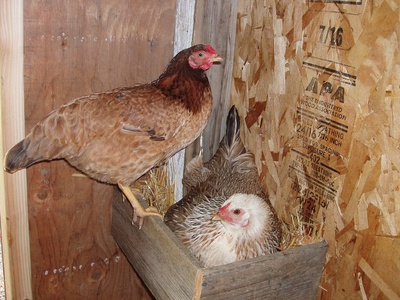
Rhode Island Red (chicken)
Developed for both eggs and meat, Rhode Island Reds are hardy dual-purpose birds favored by smallholders and backyard keepers for reliability and temperament.
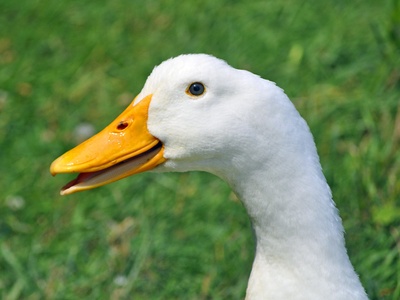
Pekin duck (breed)
Pekin ducks are a heavy, white meat breed developed for rapid growth and palatable meat. Common in commercial and small-scale production with a calm temperament.
Broad Breasted White turkey (breed)
This modern commercial turkey was selectively bred for large breast musculature for meat production. Highly productive but bred strains require managed reproduction due to reduced natural breeding ability.
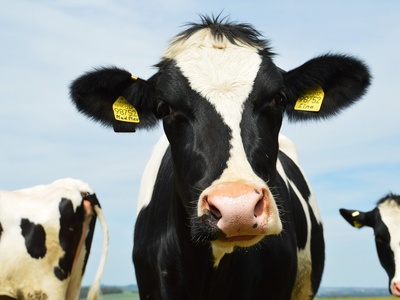
Holstein (cattle breed)
Holsteins are the world’s most common dairy cattle, selected for high milk yield. Tall, black-and-white cows dominate commercial dairies and have driven modern milk production systems.
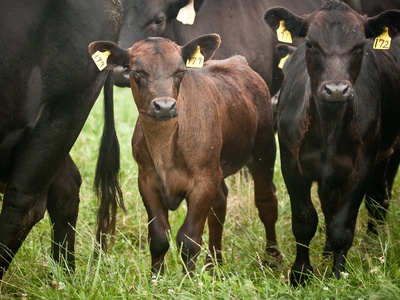
Angus (cattle breed)
Angus cattle were developed for quality beef with marbling and ease of calving. Popular worldwide as a beef breed, both black and red varieties exist with strong commercial demand.
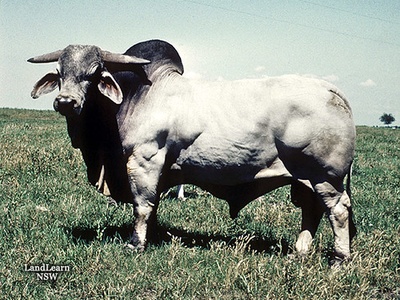
Brahman (cattle breed)
Brahman cattle combine zebu heat tolerance with selective breeding for beef production. Widely used in tropical regions for resilience to heat, parasites and tough foraging conditions.
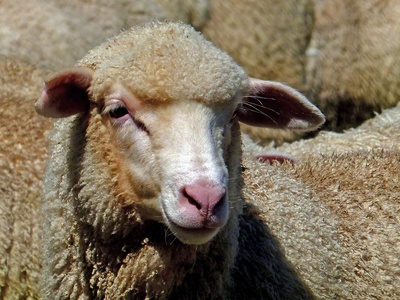
Merino (sheep breed)
Merino sheep were developed for exceptional fine wool and shaped global wool industries, especially in Spain, Australia and New Zealand. Highly valued in textile production for softness and fiber quality.
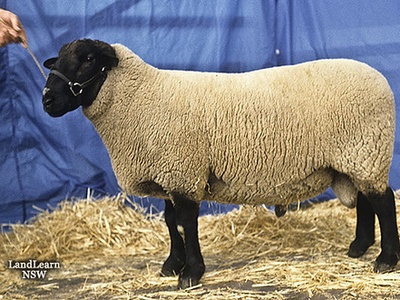
Suffolk (sheep breed)
Suffolk sheep are a meat-focused British breed known for fast growth and quality carcasses. Popular with commercial growers and smallholders due to hardiness and meat yield.
Boer goat (breed)
Boer goats were selectively bred for rapid growth and meat quality. Widely used in meat production worldwide, they tolerate varied climates and adapt to extensive grazing systems.
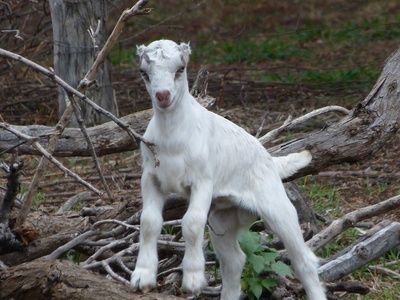
Saanen (goat breed)
Saanen goats are a top dairy breed valued for high milk yields and calm temperaments. Originating in Switzerland, they’re common in commercial and small-scale dairy goat operations.
Yorkshire pig (Large White)
The Yorkshire (Large White) pig is a globally important commercial breed selected for lean meat, prolificacy and mothering ability, forming the backbone of many pork production systems.
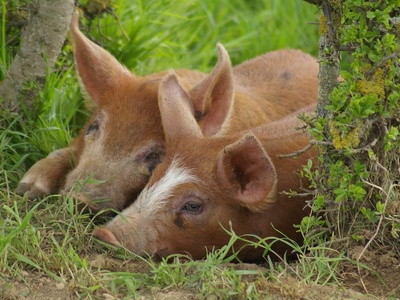
Duroc pig (breed)
Durocs were developed in the U.S. for growth rate and meat quality. Known for hardiness and efficiency, they are a common terminal sire in commercial pig production.
New Zealand White (rabbit)
A standard meat and lab rabbit, the New Zealand White was bred for rapid growth, white fur and calm disposition. Widely used in research and commercial meat production.
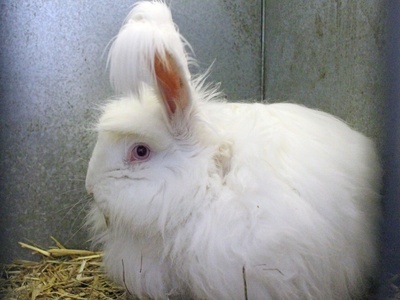
Angora rabbit (breed)
Angora rabbits were selected for exceptionally long fiber used in luxury textiles. Kept for wool production and as show pets, requiring regular shearing and gentle handling.
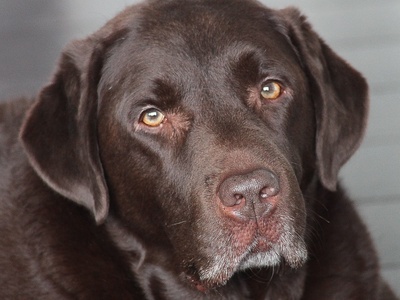
Labrador Retriever (dog breed)
Originally bred for retrieving and water work, Labradors are versatile companions, service dogs and working partners valued for trainability, scenting ability and friendly temperament.
German Shepherd (dog breed)
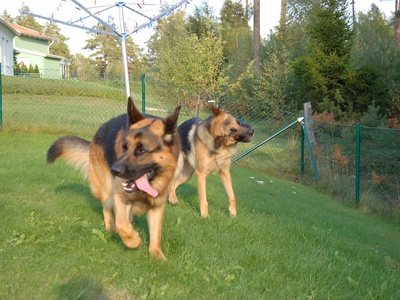
Developed for herding and guarding, German Shepherds are widely used in police, military, guide and search roles. Intelligent and trainable, they also serve as family companions and sport dogs.

Poodle (dog breed)
Poodles were bred for water retrieval and later refined into companion and show breeds. Known for intelligence, hypoallergenic coats and varied sizes from toy to standard.

Persian (cat breed)
Persians are a long-established fancy cat breed prized for long hair, flat faces and calm temperaments. Popular as indoor companions and show cats with extensive selective breeding history.

Siamese (cat breed)
Siamese cats originated in Thailand with distinctive color-point patterns and vocal personalities. Bred for striking appearance and sociability, they remain popular as affectionate companions.
Homing pigeon (breed)
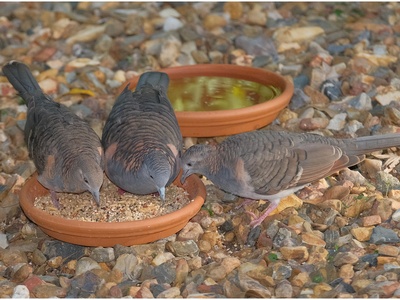
Homing pigeons were selectively bred for navigation and speed, historically used to carry messages and now used in racing and hobbyist competitions with dedicated loft breeding practices.
Italian honey bee (managed strain)
The Italian honey bee is a favored managed strain for beekeeping due to gentleness and productivity. Selective breeding produced regionally adapted subspecies used in apiculture worldwide.
Broad domestic categories summary entry (optional)
This entry summarizes major domesticated categories: companion animals, livestock, draft animals, poultry, lab species, aquaculture and managed insects; all consist of species bred and kept under human control across generations.