Around you are countless mixed materials where different parts stay visible and behave independently — from a backyard pond and gravel path to the paint can on your shelf. Noticing those differences matters for cleaning, testing, recycling and everyday problem solving in homes, labs and workshops.
There are 30 Heterogeneous Mixtures, ranging from Aquarium (tank water with gravel and plants) to Wet house paint with pigment. For each entry, data are organized with Phases present,Particle size/class (µm),Separation method so you can compare composition, typical particle scale and how components can be separated — you’ll find below.
How can I tell if a mixture is heterogeneous or homogeneous?
Look for visible separate parts or layers, particles that settle or can be filtered, uneven texture, or components that respond differently to light; homogeneous mixtures look uniform at the scale you can observe. Practical tests include letting it stand (settling), passing it through a filter or shining light to check for scattering.
Which separation methods are most useful for common heterogeneous mixtures?
Choose methods based on particle size and phase: sieving or decanting for coarse solids, filtration for suspensions, centrifugation for fine particles, settling or flotation for density differences, and evaporation or drying for removing solvents — the table below lists the best method for each example.
Heterogeneous Mixtures
| Name | Phases present | Particle size/class (µm) | Separation method |
|---|---|---|---|
| Sand in water | Solid grains + liquid water; mineral particles suspended in water | coarse 10–1,000 µm | Decantation, filtration, sieving |
| Oil and water | Two immiscible liquids; oil layer over water | visible chunks >1,000 µm (bulk layers) | Separatory funnel, decanting, skimming |
| Vinaigrette (oil + vinegar) | Oil droplets + aqueous vinegar plus herbs or spices | coarse 10–1,000 µm (droplets and solids) | Let stand to separate; centrifuge or separatory funnel |
| Salad (lettuce, veggies, dressing) | Solid plant pieces + liquid dressing and occasional oil droplets | visible chunks >1,000 µm | Hand picking, straining, salad spinner |
| Soil (garden dirt) | Mineral particles + organic matter + water + air pockets | coarse 10–1,000 µm (particles visible) | Sieving, sedimentation, hand sorting |
| Granite rock | Solid-solid crystalline minerals (quartz, feldspar, mica) | visible chunks >1,000 µm (visible crystals) | Mechanical separation, handpicking after crushing |
| Concrete (fresh/hard) | Aggregate stones + cement paste + water | visible chunks >1,000 µm (aggregate pieces) | Crushing and sieving, manual sorting |
| Trail mix | Mixed nuts, dried fruit, chocolate pieces (solids) | visible chunks >1,000 µm | Hand sorting, sieving |
| Cereal in milk | Solid cereal pieces suspended in liquid milk | visible chunks >1,000 µm | Spoon out, strain, filtration |
| Coffee grounds in water | Ground coffee particles suspended in hot water | coarse 10–1,000 µm | Filtration (paper), decanting, French press |
| Tea leaves in water | Leaf fragments suspended/settled in water | coarse 10–1,000 µm | Tea infuser, straining, filtration |
| Muddy puddle | Soil particles suspended in water | coarse 10–1,000 µm | Sedimentation, filtration, decantation |
| Fog (cloud near ground) | Air with liquid water droplets (aerosol) | fine 0.1–10 µm | Evaporation, ventilation, air filters |
| Smoke | Air with solid and liquid combustion particles (aerosol) | fine 0.1–10 µm | Ventilation, air purifiers, filtration |
| Dust in air | Air with diverse solid particles (skin, fibers, soil) | coarse 10–1,000 µm | Vacuuming, dusting, HEPA filters |
| Gravel | Mixed stones and pebbles (solid-solid) | visible chunks >1,000 µm | Sieving, hand sorting |
| Fruit salad | Chunks of different fruits (solid-solid) | visible chunks >1,000 µm | Hand picking, sieving, serving utensils |
| Oil spill on water and sand | Oil film/layer + water + sand and debris | visible chunks >1,000 µm (layers and flakes) | Skimming, absorbents, manual removal |
| Black pepper in water | Solid flakes floating and sinking in water | visible chunks >1,000 µm | Filtration, decanting, sieving |
| Soda with ice and bubbles | Liquid soda + solid ice + gas bubbles | coarse 10–1,000 µm (bubbles and ice pieces) | Remove ice, let degas, decant |
| Bread (crumb with air pockets) | Solid crumb + gas-filled pores | visible chunks >1,000 µm (air pockets) | Tearing, sieving crumbs, slicing |
| Ice cream with mix-ins | Frozen cream matrix with candy/chocolate chunks | visible chunks >1,000 µm | Scoop, melt and sieve, hand picking |
| Aquarium (tank water with gravel and plants) | Liquid water + solids (gravel) + living solids | visible chunks >1,000 µm | Siphoning, filtration, sieving |
| Sand and salt mixture | Two distinct solids (sand grains + salt crystals) | coarse 10–1,000 µm | Dissolve salt in water then filter and evaporate salt |
| Iron filings mixed with sand | Magnetic metal particles + nonmagnetic sand | coarse 10–1,000 µm | Magnetic separation (magnet), sieving |
| Wet house paint with pigment | Pigment particles suspended in solvent or water | fine 0.1–10 µm | Settling, filtration, agitation before use |
| Compost pile | Organic scraps + soil microbes + air + moisture | visible chunks >1,000 µm | Screening, hand sorting, turning/sifting |
| Snow with road grit | Ice crystals + sand/grit and salt | visible chunks >1,000 µm | Melting, sieving, decanting |
| Chocolate chip cookie | Baked dough matrix + chocolate chips (solid-solid) | visible chunks >1,000 µm | Hand breaking, sieving crumbs, sorting |
| Granular fertilizer mix | Different granule types and coatings (solids) | visible chunks >1,000 µm | Sieving, hand sorting |
Images and Descriptions

Sand in water
Common on beaches and in classrooms; visible grit settles or can be filtered out. Easy to identify by opaque appearance and texture; separates by letting sand settle or using a sieve or filter.

Oil and water
Classic immiscible liquids example at home or labs. Oil floats and forms a distinct layer on water, making separation by decanting or skimming simple and visually obvious.
Vinaigrette (oil + vinegar)
Kitchen example: shaken vinaigrette looks mixed but quickly separates into an oil layer and watery layer, often with visible herb bits. Easy to identify and separate by standing or draining off.
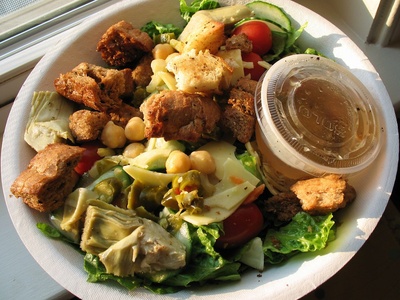
Salad (lettuce, veggies, dressing)
Everyday heterogeneous food with distinct chunks of lettuce, tomatoes, and dressing. Easily identified by visible pieces and separated manually or with a strainer or salad spinner.
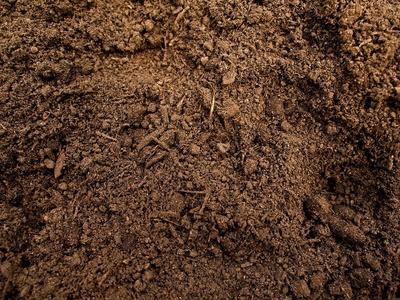
Soil (garden dirt)
Found in gardens and parks; soil is a complex mix of sand, silt, clay and organic debris. You can separate fractions by sieving or wash and let heavy particles settle.
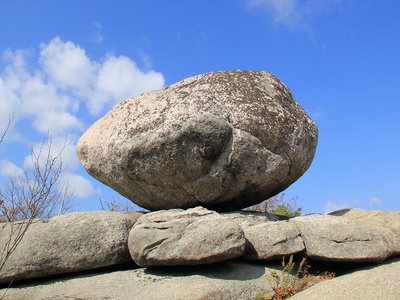
Granite rock
Common igneous rock with visible mineral grains. Each mineral is distinct by color and crystal shape; you can separate components mechanically if crushed and sorted by hand or sieves.
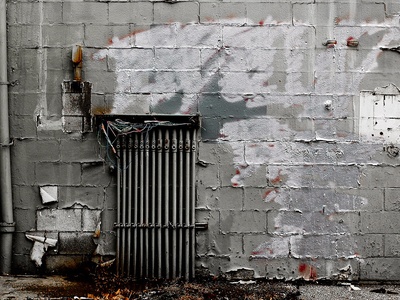
Concrete (fresh/hard)
Found in sidewalks and buildings; concrete mixes gravel and cement. Aggregate pieces are visibly different from paste and can be separated after crushing and sieving.
Trail mix
Snack-bowl example of a heterogeneous solid-solid mixture. Individual components are distinct in size, shape, and taste and easily separated by hand or with a screen.
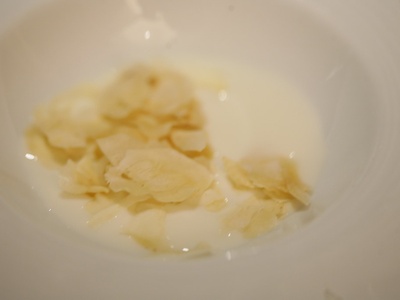
Cereal in milk
Breakfast example: crunchy flakes floating in milk form a visibly non-uniform mix. You can drain milk, scoop cereal, or strain to separate solids from liquid.
Coffee grounds in water
After brewing or spills you see dark particles dispersed in water. Grounds settle or can be trapped by filters; strong visual cue of heterogeneity.
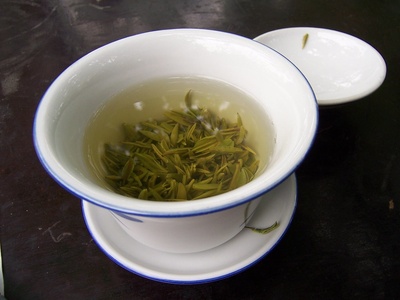
Tea leaves in water
Loose-leaf tea visibly floats or settles in brewed tea. An infuser or strainer separates the leaves from the drink, a familiar separation method.
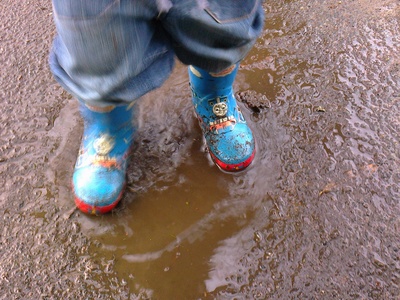
Muddy puddle
Outdoor example after rain: water looks brown because of suspended soil. Letting puddle sit lets solids settle or you can filter to clear the water.
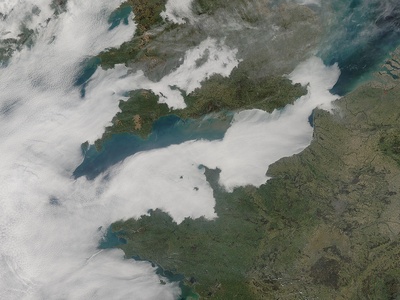
Fog (cloud near ground)
Visible mist in the morning contains tiny droplets that scatter light. Droplets evaporate or condense; high-efficiency filters or ventilation can remove droplets from enclosed spaces.
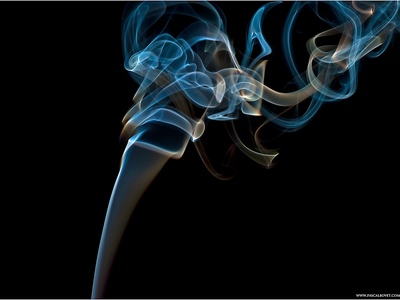
Smoke
From fires or cooking, smoke contains ash and soot particles suspended in air. You see reduced visibility and smell; particles can be removed with filtration and fresh air exchange.
Dust in air
Household example: visible dust settles on surfaces. It’s heterogeneous and can be captured by vacuums, cloths, or air purifiers.
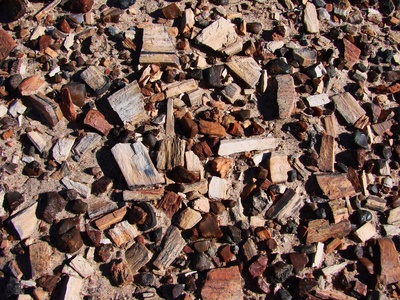
Gravel
Used in driveways and construction, gravel is a coarse mix of different-sized rock pieces that are clearly distinct and easily separated by size with screens.

Fruit salad
Cafeteria staple with obvious heterogeneous pieces of apple, melon, berries. Flavors and textures remain distinct; pieces can be separated by hand or with a slotted spoon.
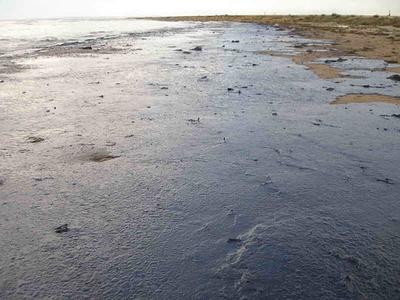
Oil spill on water and sand
Environmental example where oil floats over water and coats sand. Layers and tar balls are visible and are removed by skimming, absorbent pads, or manual cleanup.
Black pepper in water
Kitchen experiment: ground pepper flakes form obvious floating bits in water. Easy to remove with a strainer or by skimming the surface.
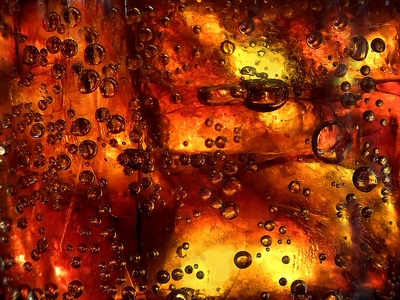
Soda with ice and bubbles
Common drink where visible ice and fizz create multiple phases. Ice cubes are removable by hand; gas escapes if left to sit.
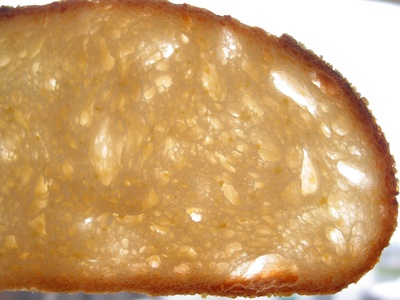
Bread (crumb with air pockets)
Loaf interior shows visible air holes and texture differences; a heterogeneous solid where air pockets and dough matrix are distinct and separable by breaking.
Ice cream with mix-ins
Dessert with noticeable solid inclusions in a softer matrix. Chunks like cookie bits or chocolate are visible and easily separated by hand or by melting and straining.
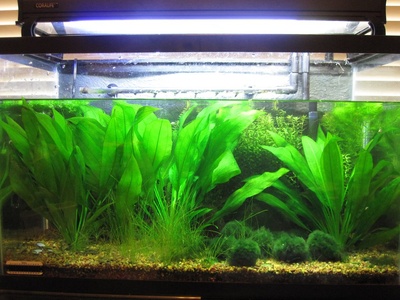
Aquarium (tank water with gravel and plants)
Typical pet tank: water contains visible gravel and plant pieces. You can separate solids with netting, gravel vacuums, and filters.
Sand and salt mixture
Beach or kitchen mix: sand and salt grains look similar but salt dissolves in water, letting you separate via dissolution and filtration, then evaporate to recover salt.
Iron filings mixed with sand
Simple lab/home demo: run a magnet over the mixture and iron filings jump to the magnet, separating cleanly from sand grains.
Wet house paint with pigment
Open paint cans contain visible pigment that can settle into layers over time. Withstanding stirring, pigments make paint non-uniform and can be separated by filtering or letting heavy pigments settle.
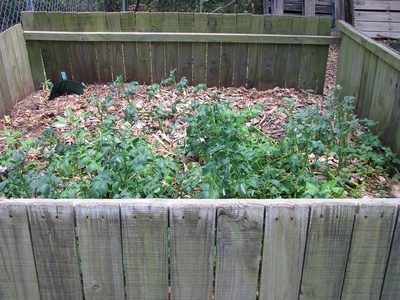
Compost pile
Garden compost shows bits of leaves, food scraps, and soil. It’s visibly non-uniform and you can screen or sift to separate finished compost from larger undecomposed pieces.

Snow with road grit
Plowed streets often mix snow and visible grit. After melting, gritty particles remain and can be sieved or decanted from the water.
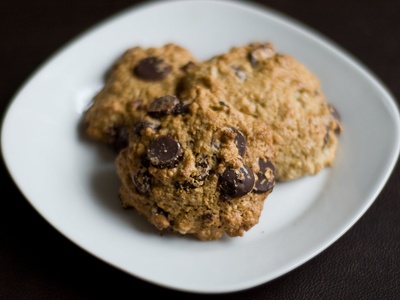
Chocolate chip cookie
Everyday baked good where chips are visibly distinct from the surrounding crumb; chips and crumbs can be separated by breaking or picking out pieces.
Granular fertilizer mix
Garden fertilizers often contain distinct granules of varied composition and color for slow release. Physical sieving or sorting separates components.