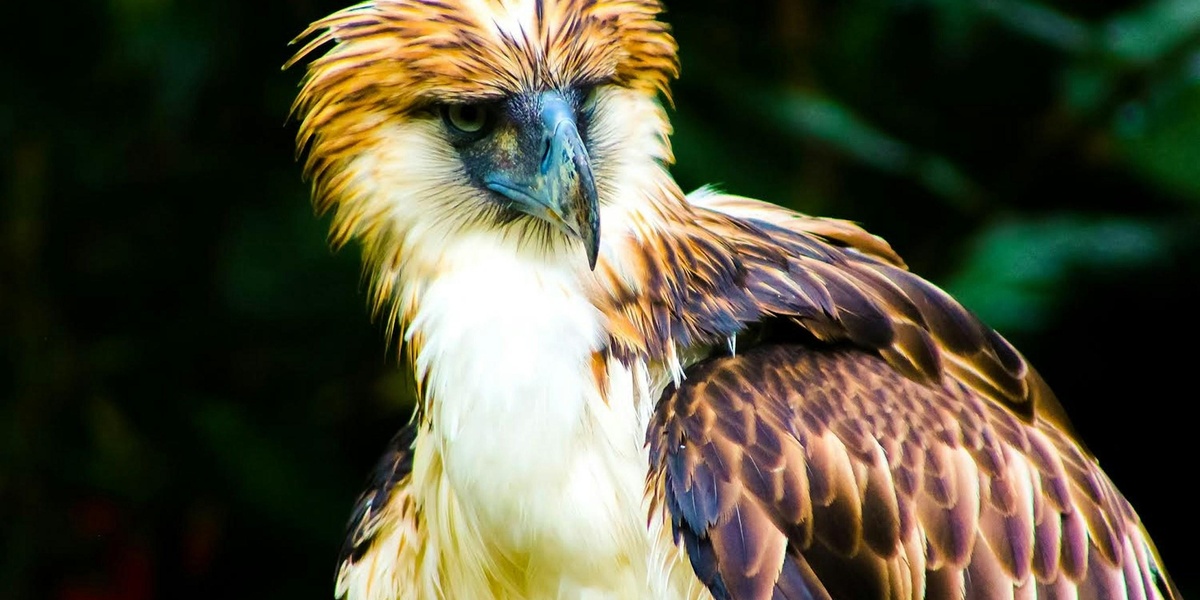
The Philippines’ many islands create pockets of life found nowhere else on Earth, shaped by isolation, varied terrain, and rich forests. Local endemics include birds, mammals and plants that tell the story of each island’s unique history and conservation needs.
There are 18 Endemic Species of the Philippines, ranging from the Cebu flowerpecker to the Visayan warty pig, and occupying habitats from coastal lowlands to upland forests. For each species you’ll find below a compact row of information organized as Scientific name,Range (islands/area),IUCN status to help you compare distribution and risk at a glance.
How threatened are these endemic species and what factors drive their decline?
Most face habitat loss, hunting or invasive species, with many listed as Vulnerable or worse on the IUCN Red List; small ranges make them especially sensitive to deforestation, agricultural expansion and localized hunting pressure. Conservation actions that stabilize habitat and reduce direct threats are the most effective for these island-restricted species.
Where can someone see or support these species responsibly?
Visit protected areas and community-run reserves with licensed guides, support local conservation NGOs, and favor sustainable tourism and products that avoid driving habitat loss; reporting sightings to citizen-science platforms can also help researchers track populations.
Endemic Species of the Philippines
| Name | Scientific name | Range (islands/area) | IUCN status |
|---|---|---|---|
| Philippine eagle | Pithecophaga jefferyi | Luzon, Samar, Leyte, Mindanao | Critically Endangered |
| Tamaraw | Bubalus mindorensis | Mindoro | Critically Endangered |
| Philippine crocodile | Crocodylus mindorensis | Scattered freshwater wetlands (Luzon, Mindanao, nearby islands) | Critically Endangered |
| Philippine tarsier | Carlito syrichta | Bohol, Leyte, Samar, Mindanao and nearby small islands | Near Threatened |
| Philippine cockatoo (Red-vented cockatoo) | Cacatua haematuropygia | Palawan, Sulu and nearby islands | Critically Endangered |
| Palawan peacock-pheasant | Polyplectron napoleonis | Palawan | Vulnerable |
| Visayan warty pig | Sus cebifrons | Visayan islands (historically Cebu, Negros, Panay; remnant populations exist) | Critically Endangered |
| Philippine mouse-deer (Balabac chevrotain) | Tragulus nigricans | Balabac Islands (Palawan region) | Endangered |
| Philippine deer | Rusa marianna | Widespread across Luzon, Mindanao and Visayas (fragmented) | Vulnerable |
| Cebu flowerpecker | Dicaeum quadricolor | Cebu | Critically Endangered |
| Negros bleeding-heart | Gallicolumba keayi | Negros and Panay | Critically Endangered |
| Philippine pangolin (Palawan pangolin) | Manis culionensis | Palawan and nearby islands | Critically Endangered |
| Nepenthes attenboroughii | Nepenthes attenboroughii | Mount Victoria, central Palawan | Critically Endangered |
| Rafflesia consueloae | Rafflesia consueloae | Luzon (parts of Sierra Madre/Quezon area) | Critically Endangered |
| Sinarapan (tiny freshwater fish) | Mistichthys luzonensis | Bicol region and selected lakes/estuaries in Luzon | Vulnerable |
| Philippine duck | Anas luzonica | Wetlands across Luzon, Mindanao and some islands | Vulnerable |
| Philippine forest turtle | Siebenrockiella leytensis | Leyte, Mindanao and nearby areas | Critically Endangered |
| Philippine cobra | Naja philippinensis | Northern and central Luzon (endemic to the archipelago) | N/A |
Images and Descriptions
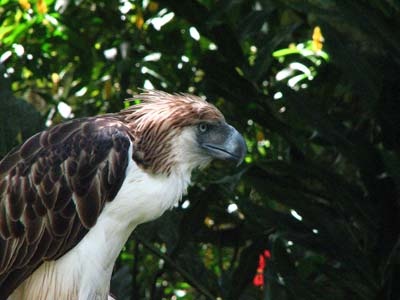
Philippine eagle
The Philippines’ iconic national bird, a huge forest raptor with striking brown-and-white plumage. It needs large tracts of primary forest to breed; habitat loss and hunting make it critically endangered with only a few hundred left.

Tamaraw
A tiny, stocky wild buffalo found only on Mindoro island. The tamaraw is a symbol of Philippine wildlife; hunting and habitat conversion have cut numbers to a few hundred, and strict local protection is critical for survival.
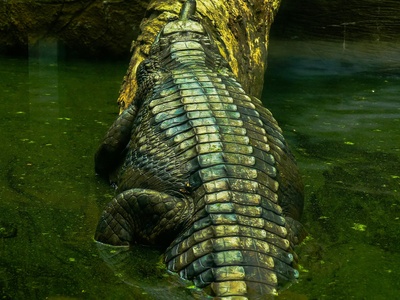
Philippine crocodile
A small, fully freshwater crocodile unique to the Philippines. Once widespread, now confined to tiny, isolated populations; community-based conservation and captive-breeding aim to prevent extinction.
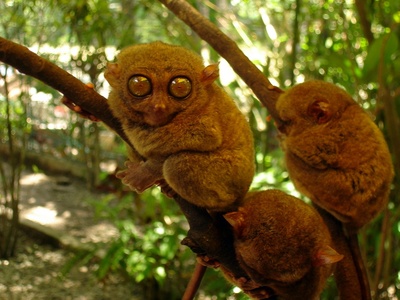
Philippine tarsier
A tiny, big-eyed nocturnal primate famous for its huge eyes and clinging habits. It lives in lowland forests and is threatened by habitat loss and capture for tourism; habitat protection and responsible ecotourism are vital.
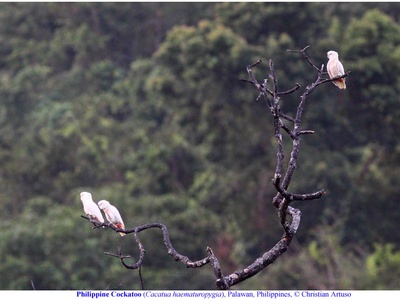
Philippine cockatoo (Red-vented cockatoo)
A noisy white cockatoo with a red undertail, celebrated for its intelligence. Trapping for the pet trade and habitat loss have devastated populations; captive-breeding and local protection programs are key to recovery.
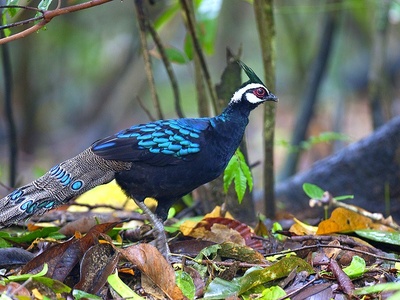
Palawan peacock-pheasant
A shy, ground-dwelling bird with iridescent “peacock” eye spots found only on Palawan. It’s prized for its beauty; habitat loss and collection pressure threaten it, though some protected areas offer refuge.
Visayan warty pig
A distinctive wild pig of the central Philippines with facial warts and bristly coat. Massive habitat loss and hunting have left tiny, fragmented populations; urgent habitat and captive-conservation measures are needed.
Philippine mouse-deer (Balabac chevrotain)
A very small, secretive ungulate found only in the Balabac island group. Notable for its tiny size and nocturnal habits; restricted range and habitat disturbance make its populations vulnerable.
Philippine deer
Also called the Philippine sambar/deer, this medium-sized deer is an important forest grazer. Overhunting and forest clearance have reduced numbers and fragmented populations; local protection and hunting controls help conserve it.
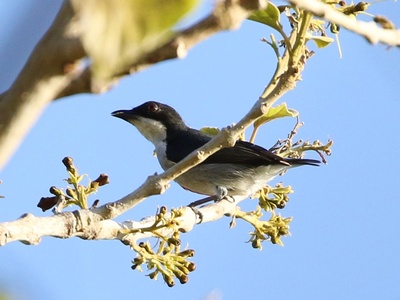
Cebu flowerpecker
A tiny, colorful nectar-feeding bird rediscovered after near-extirpation; endemic to Cebu’s tiny remnant forests. Extreme habitat loss left only a few sites and strict habitat protection is essential for recovery.
Negros bleeding-heart
A small ground-dove with a distinctive chest patch, emblematic of the Visayas. It survives in a few fragmented forest patches; rampant deforestation and hunting make it critically endangered.
Philippine pangolin (Palawan pangolin)
A scaly, nocturnal insect-eater found only in Palawan; hunted heavily for illegal wildlife trade. Extremely vulnerable because of slow reproduction; anti-poaching and trade enforcement are top conservation priorities.

Nepenthes attenboroughii
A spectacular, giant pitcher plant named for Sir David Attenborough. It grows on a single mountain summit and traps insects; its tiny range and habitat disturbance make it highly threatened.
Rafflesia consueloae
One of the world’s rarest parasitic flowers, notable for its tiny size compared with other Rafflesia species. Found only in a few forest patches; habitat loss and its limited distribution heighten extinction risk.
Sinarapan (tiny freshwater fish)
The tiniest commercially harvested fish in the Philippines, often eaten whole. Endemic to a few lakes and estuaries; overfishing and habitat degradation threaten local stocks and livelihoods.
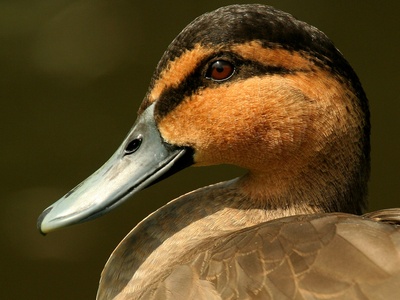
Philippine duck
A dabbling duck unique to the Philippines, favoring freshwater marshes and rice fields. Wetland loss and hunting have reduced numbers, making wetland protection and hunting regulation important.
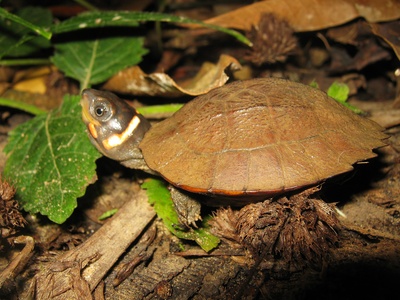
Philippine forest turtle
A small, dark freshwater turtle that lives in lowland rivers and swamps. It faces severe pressure from collection for the pet and food trade; captive-breeding and enforcement are crucial.
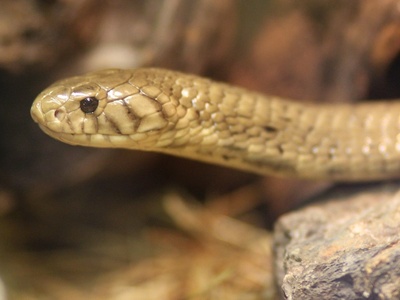
Philippine cobra
A highly venomous snake found only in the Philippines, notable for its medical importance. It occupies open lowland habitats; human persecution and habitat change are local threats, while data on population trends remain limited.