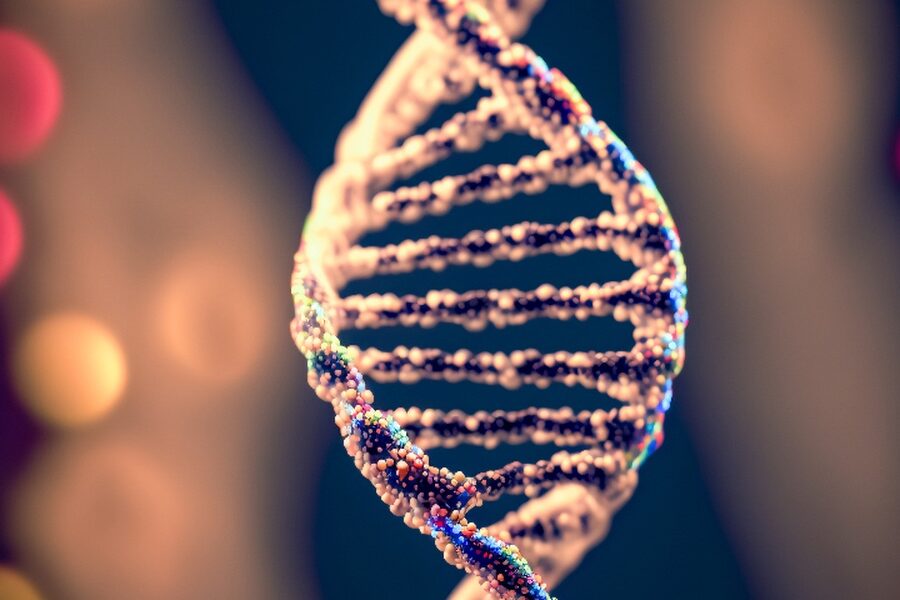
In 1953 James Watson and Francis Crick published the double-helix structure of DNA, a single paper that reshaped biology and led directly to fields like molecular medicine and genetic testing.
The discovery mattered because it showed that life operates by chemical rules that we can read and, increasingly, edit. That matters for health, the economy, and the environment: molecular insight shortens the time from lab bench to bedside, creates entire industries worth more than $1 trillion, and offers tools to detect and clean pollutants.
Biochemistry sits at the intersection of chemistry and biology and underpins modern medicine, industry, and environmental science — making it essential for health, technology, and our understanding of life. Understanding why biochemistry is important clarifies how diagnostics, drugs, crops, and sustainable manufacturing all rely on the same basic principles of enzymes, nucleic acids, and metabolic pathways.
The sections that follow list ten concrete reasons, grouped by medical, industrial, research, and environmental/public-health benefits, with specific examples and dates to show real-world impact.
Medical and Healthcare Benefits
Biochemical science directly improves patient outcomes by revealing disease mechanisms, enabling targeted drugs, and powering modern diagnostics. The global pharmaceutical market tops roughly $1 trillion and the molecular diagnostics market surpassed the tens of billions of dollars in recent years, underscoring scale and clinical reach. Advances in biochemistry have translated into measurable health gains: precision therapies that increase survival in specific cancers, vaccines that prevented millions of hospitalizations in 2020–2021, and diagnostic tests that identify infections and genetic risks earlier than ever.
1. Reveals disease mechanisms at the molecular level
Biochemistry explains how diseases arise from molecular changes such as mutations, protein misfolding, or metabolic imbalances. Landmark findings include the discovery of amyloid-beta aggregation in Alzheimer’s research and identification of p53 mutations as a common cancer driver; the genetic code was deciphered in the 1960s, which paved the way for molecular medicine.
That molecular view enables interventions like enzyme-replacement therapy for lysosomal storage disorders and genetic screening for monogenic conditions that account for a significant share of pediatric disease. In practice, molecular explanations allow targeted therapies, better genetic counseling, and risk stratification that improve outcomes and reduce unnecessary treatments.
2. Drives drug discovery and rational pharmacology
Drug discovery rests on biochemical targets: enzymes, receptors, and signaling pathways that can be modulated with small molecules, biologics, or nucleic-acid therapies. Structure–function insights and high-throughput screening shorten lead selection; modern R&D still averages years of optimization but benefits from mechanism-based design that reduces blind trial-and-error.
Concrete examples include statins, which inhibit HMG-CoA reductase to lower cholesterol; imatinib (Gleevec), a kinase inhibitor that transformed chronic myeloid leukemia treatment; and the rapid development of mRNA vaccines by Pfizer–BioNTech and Moderna in 2020–2021, which leveraged biochemical understanding of mRNA stability and lipid nanoparticle delivery.
3. Improves diagnostics and enables personalized medicine
Biochemical assays and molecular diagnostics detect disease earlier and with higher sensitivity than many traditional tests. PCR-based diagnostics (used at massive scale during COVID-19) and ELISAs remain cornerstone methods, while next-generation sequencing panels from companies like Illumina and Thermo Fisher Guide oncology care by identifying actionable mutations.
Companion diagnostics that match patients to targeted drugs improve response rates and limit exposure to ineffective therapies. Large-scale testing programs and routine molecular screening in clinics now change clinical decisions daily, shortening time to correct treatment and improving long-term outcomes.
Biotechnology and Industrial Applications
Biochemistry is the engine behind biotechnology products and industrial processes that generate economic value and everyday goods. The global biologics and biopharma sectors account for hundreds of billions of dollars in revenue and treat millions of patients with recombinant proteins, monoclonal antibodies, and gene therapies. From engineered crops to enzyme-enabled manufacturing, biochemical innovations boost yields, reduce waste, and create new product categories used worldwide.
4. Enables biopharmaceutical and biologic production
Recombinant DNA and protein-expression techniques produce life-saving biologics at scale. Bioreactors using CHO cells or yeast express therapeutic proteins that are purified under strict biochemical quality controls.
Examples include recombinant human insulin, widely produced by companies such as Novo Nordisk and Sanofi, monoclonal antibodies like rituximab, and enzyme-replacement therapies for rare disorders. The global biologics market exceeds $300 billion, reflecting the clinical reach and manufacturing scale built on biochemical methods.
5. Advances agriculture and food production
Genetic engineering, enzyme treatments, and metabolic understanding improve crop yields, pest resistance, and food quality. Biotech crops such as Bt cotton and herbicide-tolerant soybean have been adopted on large acreage worldwide, contributing to yield stability for millions of farmers.
Fortification projects like Golden Rice (vitamin A enrichment) aim to address nutritional deficiencies, while industrial enzymes aid baking, brewing, and cheese-making to increase efficiency and consistency. These biochemical tools matter for food security and nutritional outcomes in many regions.
6. Powers green chemistry and industrial bioprocessing
Enzymes and microbial fermentation replace harsh chemicals, lowering energy use and waste in manufacturing. Companies such as Novozymes supply industrial enzymes that enable lower wash temperatures in detergents and more efficient starch conversion in food processing.
Microbial fermentation produces bioethanol and bioplastics at commercial scale, and wastewater treatment increasingly uses enzyme- or microbe-based steps to reduce contaminants. These biochemical solutions cut lifecycle emissions and often reduce operating costs compared with traditional methods.
Research, Education, and Technological Enablers
Biochemistry supplies the conceptual framework and tools that made modern molecular biology possible. Techniques born from biochemical insight—PCR, sequencing, CRISPR, X-ray crystallography, and mass spectrometry—have accelerated discovery, lowered costs, and trained generations of researchers and technicians.
7. Builds fundamental understanding of life and evolution
Biochemistry explains metabolism, replication, and signaling and links molecular change to evolutionary outcomes. The deciphering of the genetic code in the early 1960s and later structural breakthroughs (the ribosome structure earned the 2009 Nobel Prize in Chemistry) anchored our understanding of how proteins and nucleic acids drive life.
This foundational knowledge informs ecology, medicine, and biotechnology and underpins curricula that train scientists, clinicians, and engineers who develop tomorrow’s solutions.
8. Enables core research tools: PCR, sequencing, and CRISPR
Many modern tools are direct applications of biochemical principles. Kary Mullis invented PCR in 1983, and CRISPR-based editing began to be applied in 2012; both transformed what laboratories can do in weeks rather than years.
Sequencing costs have fallen dramatically—from roughly $100 million for the first human genome to under $1,000 today for whole-genome sequencing—enabling population-scale studies, clinical panels, and rapid pathogen surveillance. These tools power diagnostics, breeding programs, and basic research across sectors.
Environmental, Public Health, and Everyday Benefits
Biochemical methods help detect contaminants, remediate polluted sites, and keep the food supply safe. Environmental sensors, enzyme-based treatments, and microbial bioremediation are practical applications that protect communities and conserve resources.
9. Supports environmental monitoring and bioremediation
Analytical biochemistry detects pollutants at trace levels—often parts per billion—and guides remediation decisions. Microbial consortia and enzyme preparations have been used to degrade oil components in spill responses and to treat industrial effluents.
Large cleanup projects deploy tailored microbes or enzymes to reduce contaminant loads at lower cost than mechanical or chemical alternatives. Environmental sensors for heavy metals and pesticides rely on biochemical assays to provide rapid, actionable data for regulators and communities.
10. Ensures food safety, nutrition, and public-health readiness
Routine biochemical testing keeps food supplies safer and informs nutrition policy. ELISA-based allergen tests, PCR screens for Salmonella and E. coli in processing plants, and fortification monitoring (for example, iodized salt programs) protect consumers at scale.
Rapid antigen and PCR assays were central to pandemic responses, enabling mass testing campaigns and surveillance. Nutrition assays that measure vitamin and mineral content help evaluate and improve fortification programs that reach millions.
Summary
Key takeaways that show how biochemical science delivers tangible benefits across medicine, industry, research, and the environment.
- Biochemistry reveals molecular disease mechanisms, enabling targeted therapies and diagnostics that improve patient outcomes.
- It underpins drug discovery and biologic manufacturing, powering a multibillion-dollar biopharma sector and products like insulin and monoclonal antibodies.
- Core tools such as PCR (1983), next-generation sequencing, and CRISPR (2012) multiplied research and clinical capacity while driving down costs from millions to under $1,000 per genome.
- Biochemical approaches support sustainable industry and environmental cleanup—enzymes and microbes reduce waste, enable biofuels, and treat polluted sites.
- Investing in education and research in why biochemistry is important delivers measurable health, economic, and environmental returns and fuels innovations that touch daily life.