Moldova’s landscape is more than rolling hills and vineyards — it’s a compact country with a mix of agricultural, mineral and energy assets that shape local livelihoods and trade. Understanding what the land produces helps explain regional patterns of farming, industry and exports.
There are 19 Natural Resources of Moldova, ranging from Apples & stone fruits,Wheat. For each entry the data are organized as Type,Primary location (region),Scale / quantity (tons / ha / km³ / MW) so you can compare what and where resources are concentrated; you’ll find below.
How important are these resources to Moldova’s economy?
Agriculture and related products (grains, fruits, wine) drive most rural employment and exports, while limited mineral and energy resources contribute locally; knowing the resource mix helps target investments, improve yields and plan regional development.
Which resources should readers watch for trade or investment opportunities?
Look at high-yield crops (grains, fruits, sunflower) and wine-related inputs, plus any renewable energy capacity listed — these typically offer the clearest export paths and scalability when combined with improvements in processing and logistics.
Natural Resources of Moldova
| Name | Type | Primary location (region) | Scale / quantity (tons / ha / km³ / MW) |
|---|---|---|---|
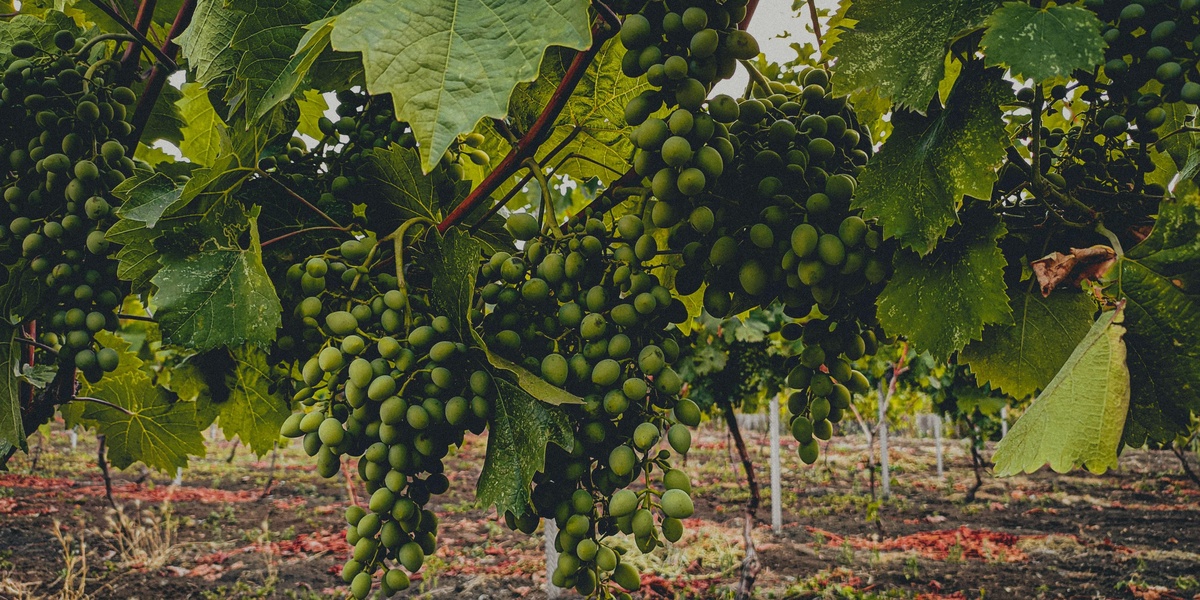
| Grapes | Agricultural | Cahul, Stefan Vodă, Orhei, Nisporeni, southern and central Moldova | 1,200,000 tons/year |
| Maize | Agricultural | Central and southern districts, Ungheni, Cahul, Comrat | 2,500,000 tons/year |
| Wheat | Agricultural | Narrow river valleys and central plains, Balti region | 1,200,000 tons/year |
| Sunflower seeds | Agricultural | South, central lowlands, Cahul, Taraclia | 650,000 tons/year |
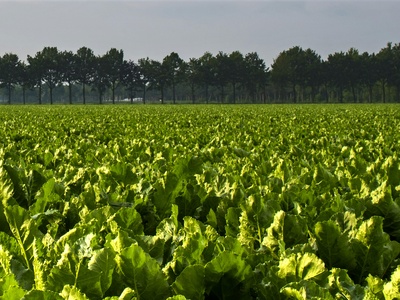
| Sugar beet | Agricultural | Central plains, Sîngerei, Orhei, Drochia | 3,000,000 tons/year |
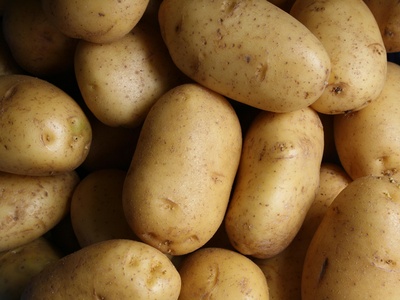
| Potatoes | Agricultural | Nationwide, notably northern and central districts | 800,000 tons/year |
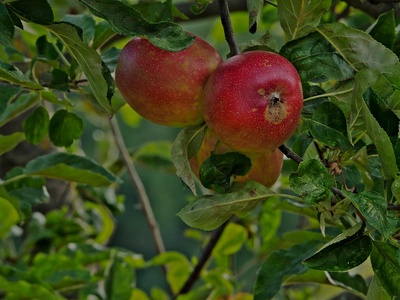
| Apples & stone fruits | Agricultural | Codru, Orhei, Cahul, northern districts | 300,000 tons/year |
| Vegetable crops | Agricultural | Near cities and irrigation zones, Chisinau outskirts | 350,000 tons/year |
| Chernozem soils | Soil | Widespread across central and southern Moldova | ~1,800,000 ha |
| Forests | Forest | Codru, Soroca, northern hills | 370,000 ha |
| Renewable freshwater resources | Water | River network (Dniester, Prut) and groundwater | 11.2 km³/year (renewable est.) |
| Dniester River (surface water) | Water | Eastern Moldova, basin across multiple districts | Major river; transboundary flow (km³/year varies) |
| Groundwater & mineral springs | Water | Central and northeastern aquifers, spa areas | Groundwater reserves several km³ (renewable est.) |
| Limestone and chalk | Building material | Central and northern quarries, Orhei, Straseni | Reserves est. 200,000,000 tons |
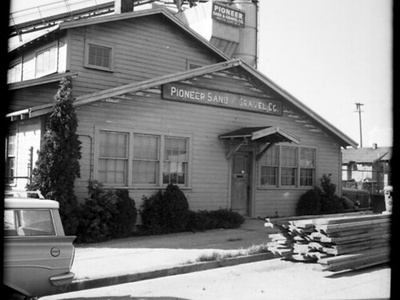
| Sand and gravel | Building material | River terraces, Dniester and Prut floodplains | Reserves est. 50,000,000 tons |
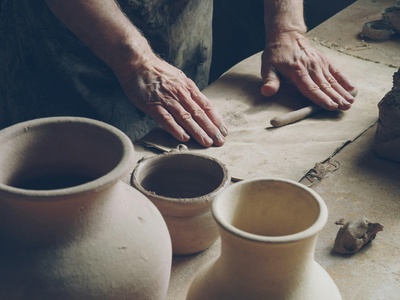
| Clay and loam | Building material | Widespread in valleys and basins | Reserves est. 20,000,000 tons |
| Gypsum and marl | Building material | Sedimentary layers in central Moldova | Reserves est. 5,000,000 tons |
| Peat | Energy/Building material | Small bogs and wetlands, northern Moldova | Reserves est. 2,000,000 tons |
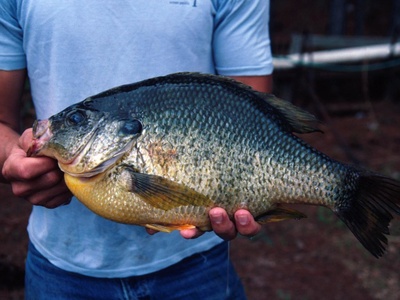
| Freshwater fish | Agricultural | Dniester, reservoirs, fishponds | Catch est. 5,000 tons/year |
Images and Descriptions
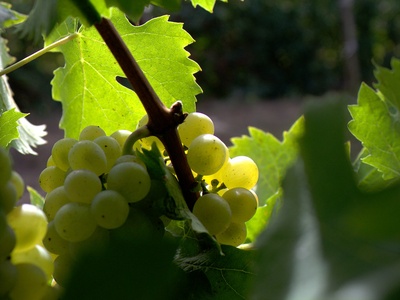
Grapes
Grapes are Moldova’s signature crop, used for wine and table fruit. The country has long vineyard traditions with varied varieties; grapes drive exports, rural jobs and the wine tourism industry across central and southern districts.
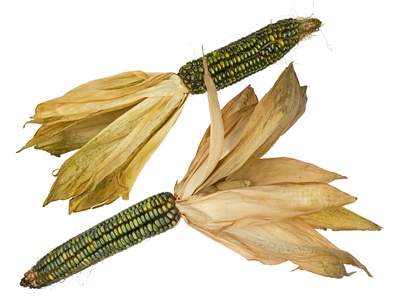
Maize
Maize is a staple cereal grown widely for feed and food. High-yield summer crops dominate Moldova’s arable plains, supplying domestic animal feed, local markets and occasional exports when harvests are strong.
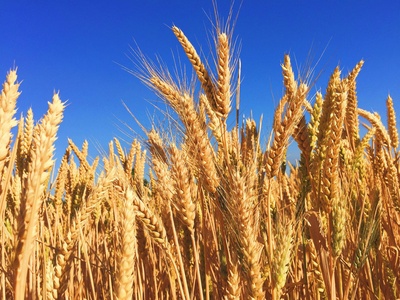
Wheat
Wheat provides bread grain for domestic consumption and milling. Grown on chernozem soils across Moldova’s fertile plains, it is an important food-security crop with variable yearly harvests depending on weather.
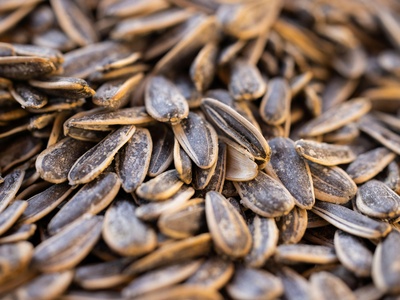
Sunflower seeds
Sunflower is a major oilseed crop in Moldova, valued for vegetable oil production and seed exports. It thrives in well-drained chernozems and contributes substantially to farm incomes and processing industries.
Sugar beet
Sugar beet is a bulky root crop grown for sugar production and animal feed. Historically important, it supports local sugar factories and fits Moldova’s temperate climate and deep soils.
Potatoes
Potatoes are a common staple and cash crop grown by smallholders and commercial farms. They supply domestic markets, preserve rural livelihoods and are used fresh or for processing.
Apples & stone fruits
Apples, plums and other fruits are grown in orchards for fresh markets, drying and local processing. Moldova’s temperate climate produces flavorful fruit used domestically and in value-added products.
Vegetable crops
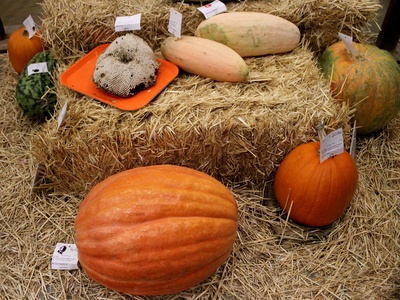
Vegetables (tomatoes, peppers, cucumbers) are important for local consumption and short-distance trade. Intensive small-scale production near towns supplies fresh markets and household needs.
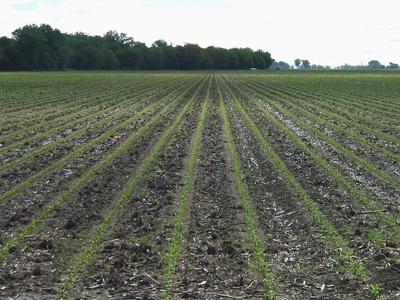
Chernozem soils
Chernozem (“black soil”) is Moldova’s most valuable natural soil resource, highly fertile and organic-rich. It underpins productive grain, oilseed and vineyard agriculture and shapes the country’s farming economy.

Forests
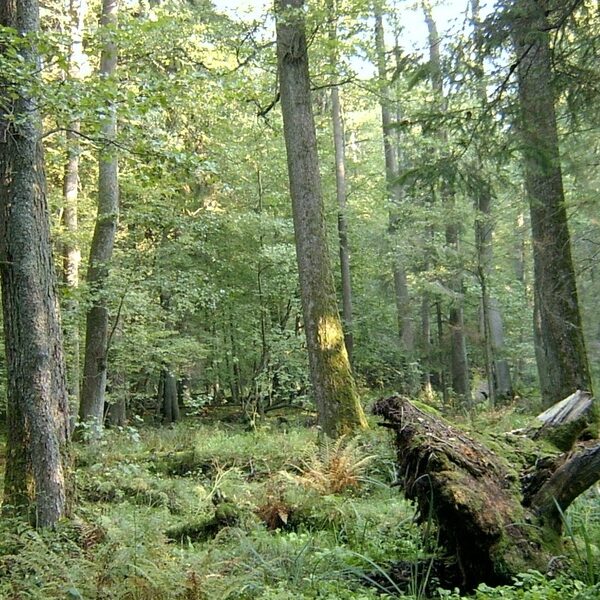
Forests cover about 11% of Moldova, providing timber, fuelwood, non-timber products and biodiversity. Small state and private forests in hilly zones support local livelihoods and soil protection.
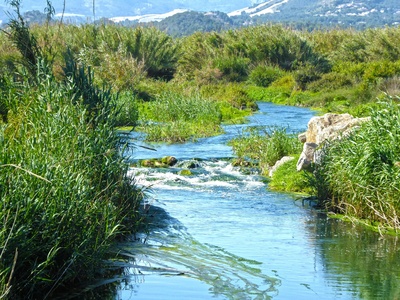
Renewable freshwater resources
Moldova’s renewable freshwater—rivers and aquifers—supports drinking water, irrigation and industry. The Dniester and Prut rivers are key sources but water scarcity and seasonal variability are challenges.

Dniester River (surface water)
The Dniester is Moldova’s largest river, vital for irrigation, fisheries, hydrology and water supply. It forms diverse wetlands and is central to regional water management and ecology.
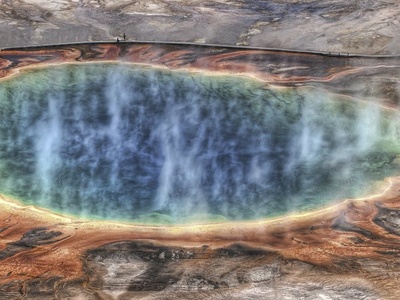
Groundwater & mineral springs
Groundwater and mineral springs supply wells, municipal water and spa tourism. Mineral-rich springs are used for health resorts and bottled mineral water, especially in central areas.
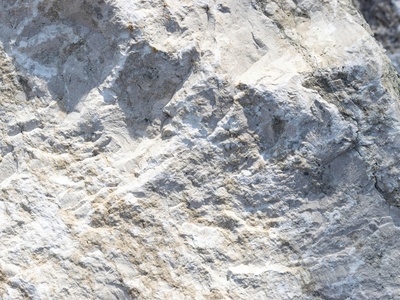
Limestone and chalk
Limestone and chalk are abundant sedimentary rocks used for cement, crushed stone and building blocks. Quarrying supports construction, roadworks and lime production across central Moldova.
Sand and gravel
Sand and gravel from river terraces are primary aggregates for construction, road building and concrete. They are quarried along river valleys and the lowland plains.
Clay and loam
Clay and loam are used for bricks, ceramics and local building materials. Local deposits support small brickworks and traditional construction across Moldova’s settled valleys.
Gypsum and marl
Gypsum and marl occur in Moldova’s sedimentary sequences and are quarried for plaster, cement additives and soil conditioning; they are important for local construction industries.
Peat
Peat deposits exist in limited wetlands and have been used locally as fuel and soil amendment. Peat is a minor energy and horticultural resource compared with other national materials.
Freshwater fish
Freshwater fish from rivers, reservoirs and ponds supply local markets and subsistence fishers. Fishery resources support rural diets, small businesses and recreational angling.