Fiji’s islands may be better known for coral and beaches, but their geology records a surprising variety of mineral occurrences tied to volcanic rocks, laterites and coastal sediments. That geological mix makes a compact, organized list useful whether you’re researching, cataloging specimens, or planning a field visit.
There are 29 Minerals in Fiji, ranging from Apatite,Siderite. For each mineral the list below includes Locality / deposit,Mined (Y/N),Deposit type / host rock so you can see where each was recorded and whether it’s been worked — you’ll find below.
Are any of these minerals actively mined in Fiji?
A few minerals have been or are worked on a commercial or small scale (for example historic gold workings), but many entries are isolated occurrences or recorded in samples. Check the “Mined (Y/N)” column in the table below and consult recent reports or local authorities for current activity before assuming a site is active.
How can I use the Locality / deposit and deposit type information for fieldwork?
Use the locality names with mapping tools to locate sites and the deposit type/host rock to target similar environments; always get permits, avoid protected areas, and compare specimens with museum or geological survey records before collecting.
Minerals in Fiji
| Mineral | Locality / deposit | Mined (Y/N) | Deposit type / host rock |
|---|---|---|---|
| Gold | Vatukoula Mine, Viti Levu (Ba Province) | Y | Quartz vein, hydrothermal orogenic veins |
| Quartz | Vatukoula and widespread across islands (Viti Levu, Vanua Levu) | N | Veins, hydrothermal, igneous and metamorphic rocks |
| Pyrite | Vatukoula and hydrothermal vein localities | N | Sulfide veins in gold-quartz systems |
| Chalcopyrite | Vatukoula area and sulfide occurrences | N | Sulfide vein and stockwork mineralization |
| Arsenopyrite | Vatukoula and associated hydrothermal veins | N | Gold-bearing sulfide veins |
| Goethite | Lateritic profiles, Viti Levu and Vanua Levu | N | Laterite/oxidized weathering crusts |
| Hematite | Laterites and iron-rich soils on multiple islands | N | Laterite/oxide crusts on ultramafic and volcanic rocks |
| Gibbsite | Lateritic bauxite occurrences (Viti Levu, Vanua Levu) | N | Laterite-derived aluminum hydroxide in bauxite |
| Ilmenite | Beach and river sands (coastal Viti Levu, Vanua Levu) | N | Heavy-mineral beach and fluvial sands |
| Rutile | Coastal sand deposits and heavy-mineral concentrates | N | Heavy-mineral sands, placer deposits |
| Magnetite | Mafic/ultramafic rocks and some sand concentrations | N | Mafic igneous rocks, beach/river sands |
| Plagioclase | Igneous rocks across Fiji (basalts, andesites) | N | Primary igneous host minerals in volcanic rocks |
| K-feldspar (Orthoclase/Microcline) | Granitic/pegmatitic bodies and altered zones | N | Pegmatites, intrusive and highly altered rocks |
| Muscovite | Pegmatites, schists and altered rocks (Viti Levu) | N | Mica in pegmatites and metamorphic rocks |
| Biotite | Schists and igneous rocks across islands | N | Metamorphic and igneous host rocks |
| Olivine | Basaltic lavas on volcanic islands (Taveuni and others) | N | Mafic volcanic rocks (basalts) and xenoliths |
| Augite (clinopyroxene) | Basaltic and andesitic lavas across Fiji | N | Volcanic host rocks, mafic and intermediate lavas |
| Hornblende | Andesitic volcanics and plutonic rocks | N | Amphibole in volcanic and intrusive rocks |
| Kaolinite | Weathering profiles and laterites on many islands | N | Residual clay mineral from intense tropical weathering |
| Serpentine (antigorite) | Ultramafic outcrops and altered peridotites (Vanua Levu) | N | Altered ultramafic/serpentinized host rocks |
| Apatite | Accessory in igneous rocks and phosphate-bearing horizons | N | Accessory in igneous, metamorphic rocks; minor phosphate occurrences |
| Clay minerals (smectite/illite) | Weathered profiles, soils and sedimentary units | N | Alteration, weathering and low-temperature hydrothermal alteration |
| Siderite | Minor occurrences in sedimentary or hydrothermal contexts | N | Carbonate in hydrothermal veins or sedimentary pockets |
| Chert (microcrystalline quartz) | Sedimentary sequences and hydrothermal replacement zones | N | Silica-rich sedimentary and replacement horizons |
| Graphite | Thin metamorphic shear zones and metasomatic occurrences | N | Metamorphic/organic-rich host rocks in pockets |
| Fluorite | Minor hydrothermal vein occurrences reported | N | Hydrothermal veins and late-stage mineralisation |
| Native silver | Occasional reports from gold-sulfide vein zones (Vatukoula area) | N | Associated with gold-sulfide veins as native metal |
| Perovskite (trace) | Trace occurrences in volcanic-hosted heavy mineral assemblages | N | Accessory in volcanic or heavy-mineral sand assemblages |
| Ilmenorutile solid solution (anatase/rutile mix) | Coastal and river heavy-mineral sands | N | Heavy-mineral placers in coastal sediments |
Images and Descriptions

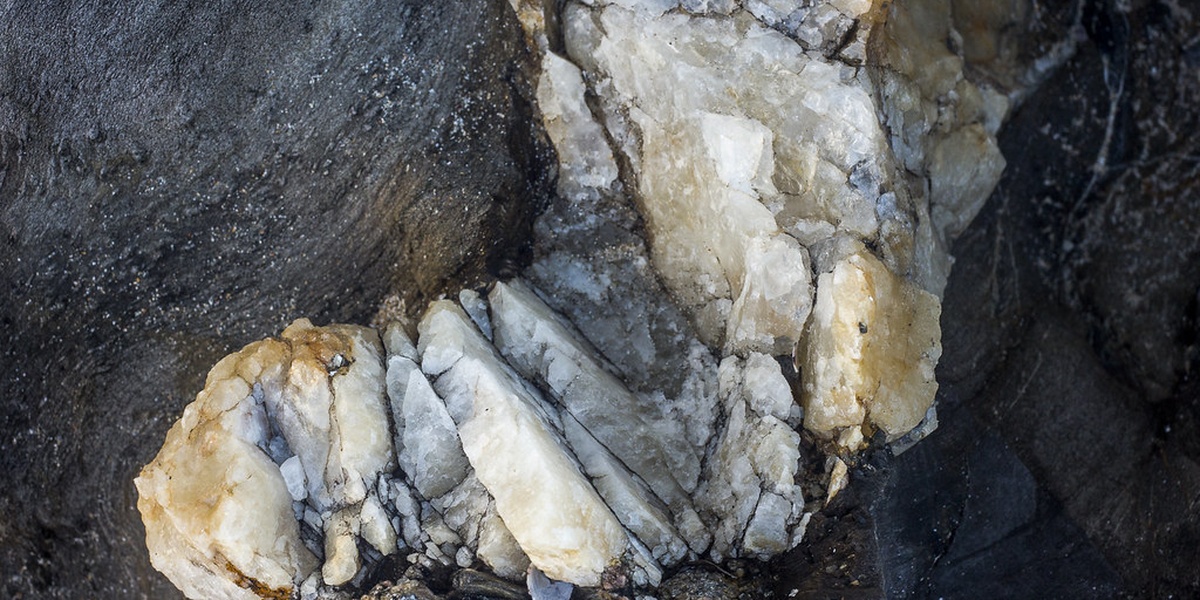
Gold
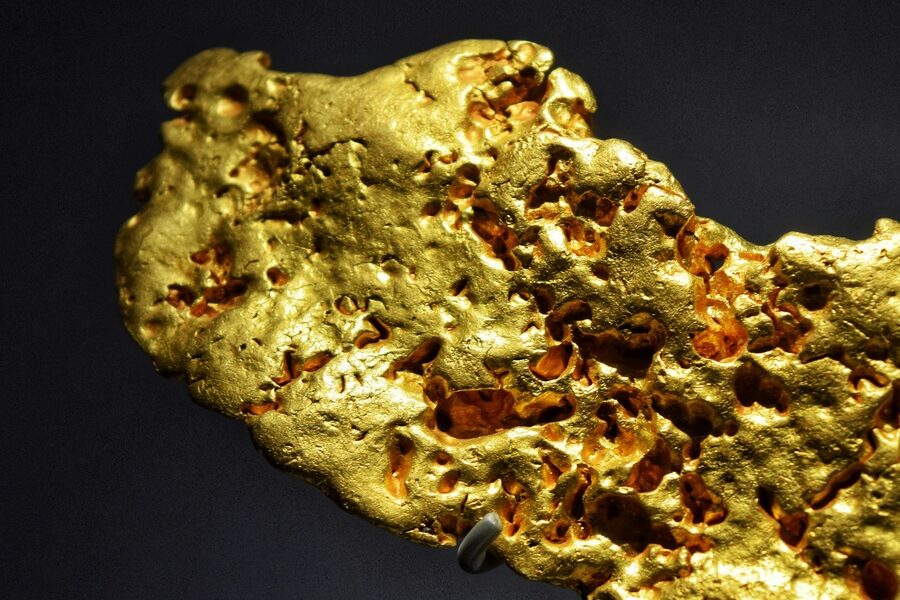
Native gold is Fiji’s best-known commodity from Vatukoula; recovered from quartz veins in volcanic/metasedimentary rocks. Important historically and economically for Fiji’s mining sector and local employment.
Quartz
Quartz is ubiquitous in Fiji — forms veins, gangue in gold deposits, and crystalline host rock. Easy to find and often associated with ore minerals, but not directly mined commercially.
Pyrite
Pyrite (“fool’s gold”) commonly occurs with gold in Fiji’s hydrothermal veins. It’s of interest to prospectors and geologists as an indicator mineral rather than a mined commodity.
Chalcopyrite
Chalcopyrite is the main copper sulfide and occurs with gold-bearing veins. Copper has been minor in Fiji; chalcopyrite is important for understanding ore formation.
Arsenopyrite
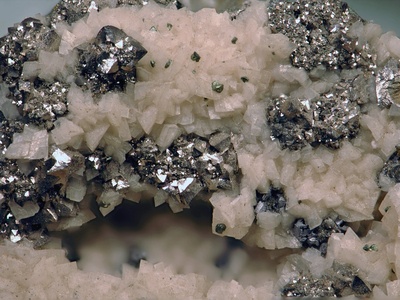
Arsenopyrite commonly accompanies gold in Fiji’s veins and can concentrate arsenic; it’s a key mineral for geologists mapping ore controls, but not a commercial product itself.
Goethite
Goethite is a common iron-oxide formed by intense tropical weathering; it colors soils red-brown and is a major component of nickel/iron laterites that have been explored across Fiji.
Hematite
Hematite shows up in oxidized profiles and iron-rich soils. It’s a recognizable rusty mineral in weathered terrains and occasionally contributes to local iron-rich layers.
Gibbsite
Gibbsite is the primary aluminum mineral in tropical bauxites. It occurs in Fiji’s intensely weathered soils; of economic interest but not exploited at large scale here.
Ilmenite
Ilmenite (iron-titanium oxide) occurs in coastal and river sands as heavy minerals. It’s valuable for titanium but in Fiji is a minor, largely unexploited resource in placer concentrates.
Rutile
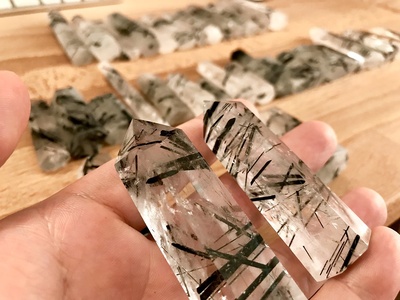
Rutile (titanium dioxide) occurs in beach/river sand concentrates. It’s an indicator of heavy-mineral sand potential but has not been a major commercial commodity in Fiji.
Magnetite
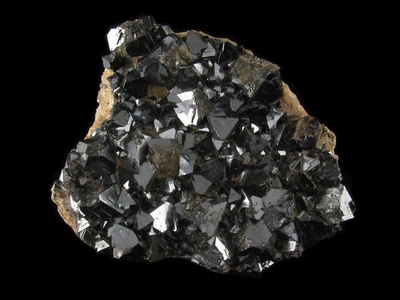
Magnetite appears in mafic rocks and heavy-mineral accumulations. It’s magnetic, common in volcanic terrains, and sometimes concentrated in coastal sands though not a major mined product.
Plagioclase
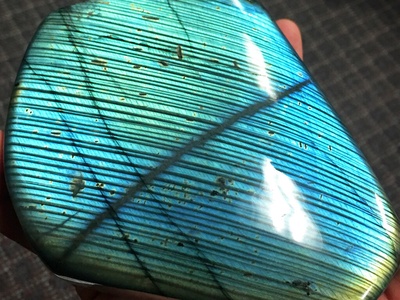
Plagioclase feldspar is a primary mineral in Fiji’s widespread volcanic rocks. It’s a rock-forming mineral important to petrologists and helps identify volcanic rock types.
K-feldspar (Orthoclase/Microcline)
Potassium feldspar occurs in rare granitic/pegmatitic intrusions and altered zones. It’s a common crustal mineral used to interpret intrusive events, rarely of economic interest locally.
Muscovite
Muscovite mica occurs in small pegmatites and metamorphic schists. It’s valued for geological study and sometimes small-scale collection, but not a commercial commodity in Fiji.
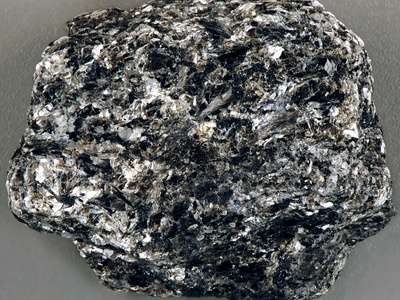
Biotite
Biotite is a common dark mica in Fiji’s metamorphic and igneous rocks. It helps petrologists reconstruct metamorphic history and volcanic origins.
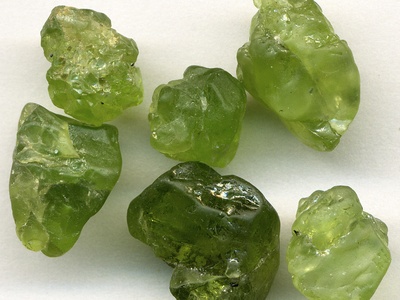
Olivine
Olivine occurs in mafic volcanic rocks of some Fiji islands. It’s a green mineral typical of basalts and useful for interpreting mantle-derived magmatism.
Augite (clinopyroxene)
Augite is a common pyroxene in Fiji’s volcanic rocks, forming part of the groundmass and phenocrysts in lavas. It’s important for identifying magma types.
Hornblende
Hornblende is a dark amphibole common in intermediate volcanic and intrusive rocks. It helps geologists identify volcanic series and metamorphic conditions.
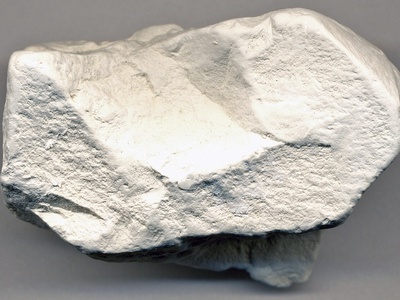
Kaolinite
Kaolinite is a clay formed by tropical weathering of feldspars; common in soils and laterites in Fiji. It’s used industrially worldwide but rarely mined in Fiji.
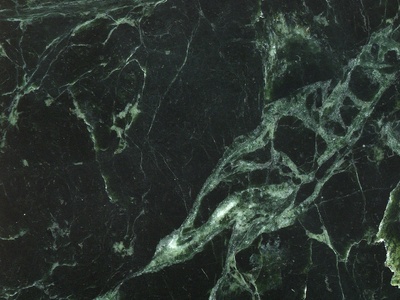
Serpentine (antigorite)
Serpentine minerals occur where ultramafic rocks have altered; they’re important in nickel laterite geology and indicate past mantle-derived rocks.
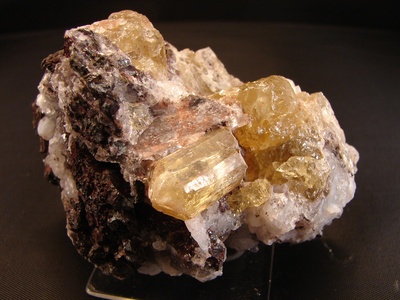
Apatite
Apatite is the main phosphate mineral and occurs in small amounts in igneous and metamorphic rocks; it is the primary host of phosphorus in geological samples.
Clay minerals (smectite/illite)
Smectite and illite are common clay minerals in weathered soils and altered sediments. They influence soil behavior, water retention, and are of interest for engineering and agriculture.
Siderite
Siderite (iron carbonate) has been reported in small, localized occurrences. It’s largely of geological interest and not exploited commercially in Fiji.
Chert (microcrystalline quartz)
Chert and siliceous nodules occur in sedimentary sequences and as vein-fill; they’re an important rock/silica form but not a mined product locally.
Graphite
Graphite has been reported in small metamorphic occurrences. While not a major resource, it’s noted in geological surveys and can indicate carbon-rich protoliths.
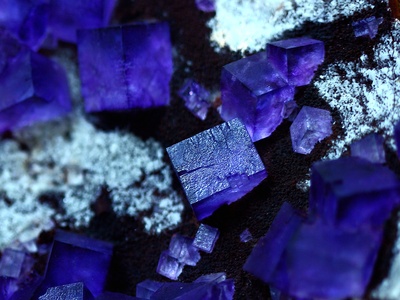
Fluorite
Fluorite has been noted in small hydrothermal vein settings. It’s of mineral-collector interest and can be an indicator of late-stage fluids in mineral systems.
Native silver
Native silver has been reported in association with gold in some veins. It’s rare, typically found by prospectors and collectors rather than mined as a separate resource.
Perovskite (trace)
Perovskite (a calcium-titanium oxide) appears in trace amounts in some heavy-mineral assemblages. It’s mainly of petrological interest in understanding titanium distribution.
Ilmenorutile solid solution (anatase/rutile mix)
Fine-grained Ti-oxide minerals including rutile/anatase mixtures occur in placer sands. They indicate potential heavy-mineral resources but remain unexploited on a large scale.