Inside every tissue, organ and ecosystem, cells are constantly exchanging information to coordinate growth, defense and behavior. That communication shapes everything from embryo patterning to neural signaling, and understanding the different modes helps make sense of physiology and pathology in real settings like a lab bench or clinic.
There are 15 Types of Cell Signaling, ranging from Autocrine to Volume transmission. For each type, you’ll find below data organized with Distance/scale,Mechanism,Typical signals/examples — a compact table-style summary to compare how far signals travel, how they work, and which molecules carry them; you’ll find below.
How does signaling distance change the way a response is controlled?
Short-range modes (like autocrine and juxtacrine) provide rapid, highly specific regulation because the signal acts on nearby or the same cell, while long-range modes (endocrine or volume transmission) use circulation or extracellular diffusion to affect distant targets, trading speed and specificity for broader coordination.
Which signaling types are most relevant when designing drugs or therapies?
Paracrine and endocrine pathways are often drug targets because they use extracellular ligands and accessible receptors, but targeting juxtacrine or synaptic mechanisms can be effective for localized interventions; choice depends on tissue accessibility, receptor specificity, and desired systemic vs. local effect.
Types of Cell Signaling
| Type | Distance/scale | Mechanism | Typical signals/examples |
|---|---|---|---|
| Endocrine | Long-range via bloodstream | Hormones secreted into blood travel to distant organs | Insulin, thyroid hormones |
| Paracrine | Local tissue, few cell diameters | Secreted factors diffuse to nearby cells in the microenvironment | VEGF, IL-6 |
| Autocrine | Same cell or immediate vicinity | Cell secretes molecules that bind its own receptors | Autocrine growth factor loops, IL-2 in T cells |
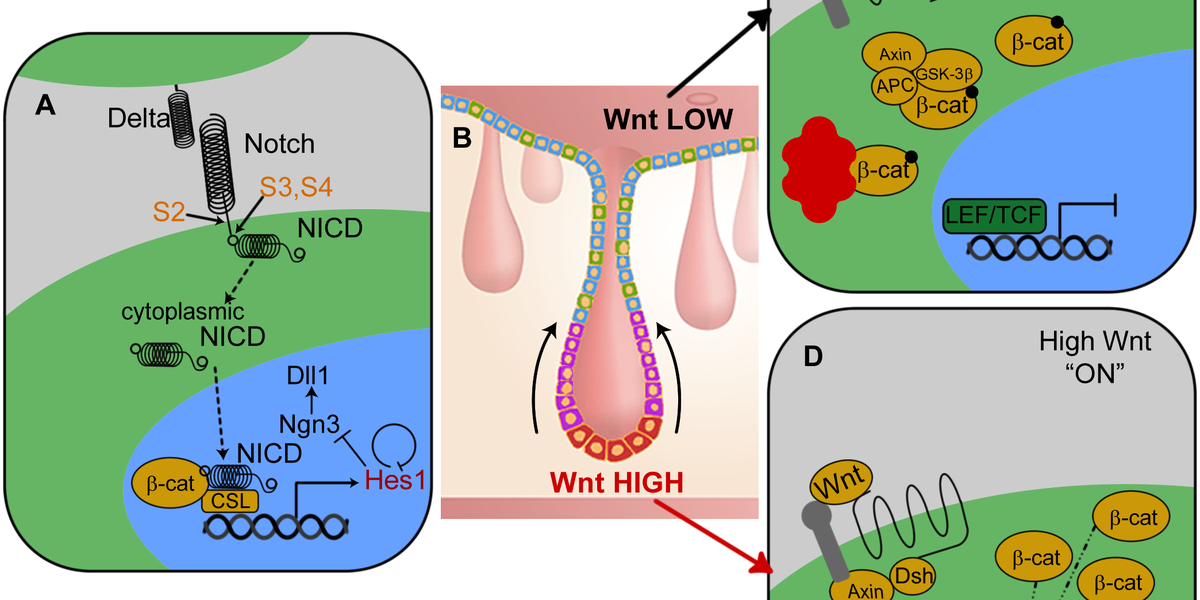
| Juxtacrine | Direct contact, membrane-to-membrane | Membrane-bound ligands/receptors require cell–cell contact | Notch–Delta, ephrin–Eph |
| Synaptic | Very local, synaptic cleft (~20–50 nm) | Neurotransmitter release at specialized synapse to postsynaptic receptors | Glutamate, acetylcholine |
| Volume transmission | Local to broader extracellular space | Neurotransmitters/neuromodulators diffuse extrasynaptically to reach receptors | Dopamine diffuse signaling, neuropeptide spillover |
| Neuroendocrine | Long-range via bloodstream from neurons | Neurons release hormones into blood at neurohemal sites | Oxytocin, vasopressin |
| Intracrine | Intracellular, within same cell | Signaling molecules act inside producing cell without secretion | Intracellular steroid receptor activation, peptide precursors |
| Gap junction | Direct cytoplasmic coupling between adjacent cells | Connexin/innexin channels allow ions and small molecules transfer | Cardiac connexins, metabolic coupling |
| Extracellular vesicle | Local to long-range via vesicle transport | Exosomes and microvesicles carry cargos between cells | Exosomal miRNA in cancer, antigen transfer |
| Tunneling nanotube | Short to several cell lengths | Actin-based membrane nanotubes permit cytoplasmic transfer | Mitochondrial transfer, prion protein spread |
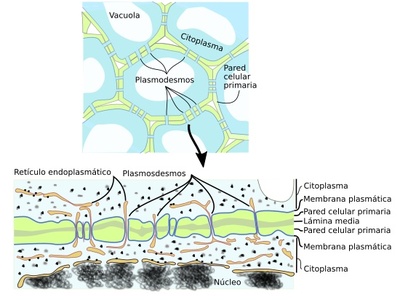
| Plasmodesmata | Direct cytoplasmic channels between plant cells | Membrane-lined pores permit movement of molecules and signals | Transcription factor movement, small RNA trafficking |
| ECM-bound | Local tissue, matrix-anchored signaling | Extracellular matrix sequesters and presents ligands to cells | Heparan sulfate–bound FGF, latent TGF-β |
| Quorum sensing | Community-level within microbial populations | Secreted small molecules accumulate to trigger group behaviors | AHLs in Gram-negatives, peptide signals in Gram-positives |
| Ephaptic transmission | Very local extracellular electric fields between cells | Local extracellular potentials modulate neighboring cell excitability | Cardiac fiber interactions, cortical neuron coupling |
Images and Descriptions
Endocrine
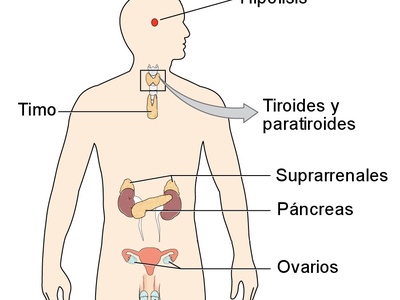
Hormonal signaling where endocrine glands release soluble messengers into the bloodstream to reach distant target cells. It controls metabolism, growth, and homeostasis and is central to physiology and many diseases like diabetes and thyroid disorders.

Paracrine
Local signaling in which a cell releases factors that act on neighboring cells within the tissue. Important in development, wound healing, inflammation, and tumor microenvironments for coordinating nearby cellular responses.
Autocrine
Self-signaling where a cell responds to its own secreted ligands. Often amplifies or sustains activity, common in immune responses and cancer cell survival and proliferation.
Juxtacrine
Contact-dependent signaling where membrane-tethered molecules on one cell directly engage receptors on an adjacent cell. It governs cell fate, tissue patterning, and boundary formation during development and regeneration.
Synaptic
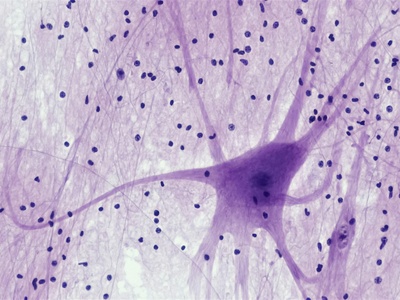
Fast, point-to-point neuronal communication across synapses. Essential for rapid information transmission in nervous systems, controlling movement, sensation, cognition, and targeted pharmacology.
Volume transmission
Diffuse signaling in neural tissue where transmitters and modulators act beyond synapses. Modulates network states and arousal and underlies neuromodulatory drug effects.
Neuroendocrine
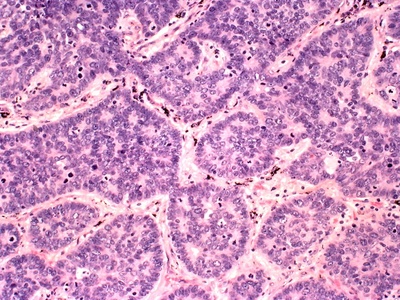
Neurons secrete hormones into circulation to coordinate systemic physiological responses. Bridges nervous and endocrine systems for functions like fluid balance, reproduction, and stress responses.
Intracrine
Signals that function inside the synthesizing cell without extracellular release. Regulates gene expression and metabolism and can influence cell-autonomous responses in health and disease.
Gap junction
Direct intercellular channels permit rapid electrical and small-molecule exchange. Critical for coordinated cardiac contraction, developmental patterning, and metabolic synchronization between neighboring cells.
Extracellular vesicle
Membrane-bound vesicles shuttle proteins, RNAs, and lipids between cells. They mediate intercellular communication in development, immunity, and metastasis and are explored as biomarkers and therapeutics.
Tunneling nanotube
Thin membrane channels that connect distant cells allow direct transfer of organelles, proteins, and signals. Important in immune responses, tissue repair, and pathogen or misfolded protein spread.
Plasmodesmata
Plant-specific cell-to-cell channels that enable direct cytoplasmic continuity. They coordinate development, defense, and nutrient transport across tissues in multicellular plants.
ECM-bound
Matrix-associated signaling where growth factors are stored or presented by the extracellular matrix. Controls morphogen gradients, tissue repair, and reservoir/release dynamics of signaling molecules.
Quorum sensing
Population-density dependent signaling in microbes where secreted autoinducers coordinate biofilm formation, virulence, and collective metabolism, with major implications for infection control.
Ephaptic transmission
Non-synaptic electrical interaction where extracellular electric fields influence nearby cells’ membrane potentials. It can modulate conduction and synchronization in heart and brain tissues.