Across power plants, industrial sites and transport hubs, the fuels that run our economies shape landscapes and local choices. Knowing which resources we rely on helps you weigh supply, cost and environmental impact where you live or work.
There are 12 Non-renewable Energy Sources, ranging from Coal to Uranium. For each entry you’ll find below concise details organized by Category,Main use(s),Estimated lifespan (years), so you can compare types, typical uses and rough longevity at a glance — you’ll find below.
How long might these non-renewable sources last at current consumption rates?
Estimated lifespans vary widely by resource and by how fast demand grows; fossil fuels like coal and oil are often measured in decades to a few centuries of remaining reserves under current use, while uranium supplies depend on nuclear technology and recycling practices. The list below gives typical lifespan estimates to help put each source in context.
What are the main trade-offs when using these energy sources?
Non-renewable resources usually offer dense, reliable energy and established infrastructure but come with trade-offs including greenhouse gas emissions, air and water impacts, and finite availability; comparing Category, Main use(s), and Estimated lifespan (years) for each item will help identify where short-term benefits clash with long-term limits.
Non-Renewable Energy Sources
| Name | Category | Main use(s) | Estimated lifespan (years) |
|---|---|---|---|
| Coal | Conventional fossil fuel | Electricity generation, steel production, industrial heat | 150 |
| Crude oil | Conventional fossil fuel | Transport fuels, petrochemicals, heating | 50 |
| Natural gas | Conventional fossil fuel | Electricity, heating, industry, feedstock | 50 |
| Oil sands (tar sands) | Unconventional fossil fuel | Road fuels after upgrading, bitumen for petrochemicals | 100 |
| Oil shale (kerogen) | Unconventional fossil fuel | Synthetic crude after retorting; limited power uses | 200 |
| Tight oil (shale oil) | Unconventional fossil fuel | Transport fuels, petrochemicals | 40 |
| Shale gas | Unconventional fossil fuel | Electricity, heating, industry | 40 |
| Tight gas | Unconventional fossil fuel | Power generation, industrial heat | 60 |
| Coalbed methane | Unconventional fossil fuel | Electricity, heating | 30 |
| Methane hydrates | Unconventional fossil fuel | Potential future gas source for electricity and fuel | 1,000 |
| Uranium | Nuclear | Fuel for nuclear reactors, electricity generation | 90 |
| Thorium | Nuclear | Fuel for advanced reactors (potential) | 400 |
Images and Descriptions
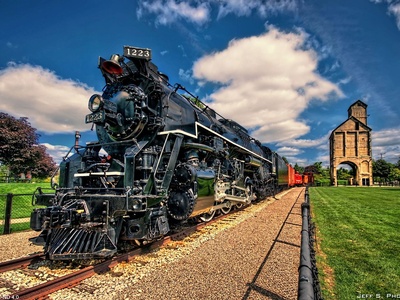
Coal
Formed from ancient plant matter compressed over millions of years; major producers are China, India, USA, Australia. Widely used for power and steelmaking. High CO2, air pollution and mining impacts; large but declining reserves under current demand.
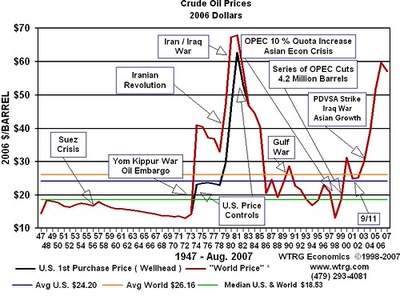
Crude oil
Liquid hydrocarbon formed from ancient plankton and plants under heat and pressure; top producers Saudi Arabia, USA, Russia. Powers transport, plastics and chemicals. Burning releases CO2 and local pollutants; spills and extraction can harm ecosystems; proven reserves suggest decades at current consumption.
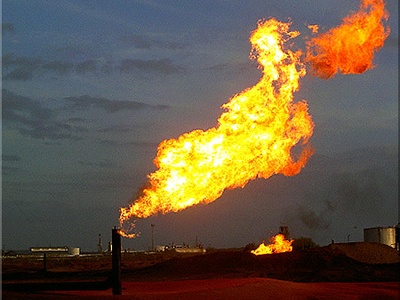
Natural gas
Mostly methane formed from ancient organic matter; major producers USA, Russia, Qatar. Burns cleaner than coal per kWh but still emits CO2 and methane leaks. Key for electricity and heating; reserves last several decades at present consumption, with regional variation.
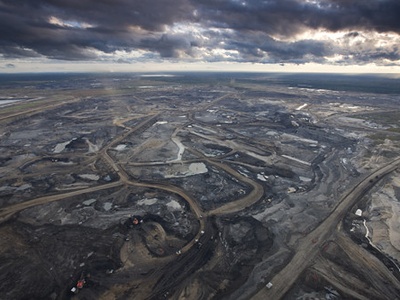
Oil sands (tar sands)
Thick bitumen in sand formations concentrated in Canada and Venezuela, formed from degraded crude. Energy-intensive extraction and upgrading cause high greenhouse gas emissions, water use and land disturbance; economically recoverable reserves extend oil supplies beyond conventional sources.

Oil shale (kerogen)
Kerogen-rich sedimentary rock heated to produce liquid hydrocarbons; large deposits in USA, Estonia, China. Extraction is water- and energy-intensive with high emissions and land impact. Could supply decades–centuries if technologies scale, but economics and environment limit use.

Tight oil (shale oil)
Light crude trapped in low-permeability shale; unlocked by hydraulic fracturing and horizontal drilling, notably in the USA. Boosted oil production rapidly. Extraction has local environmental impacts (water use, seismicity) and contributes CO2 emissions similar to other oils.
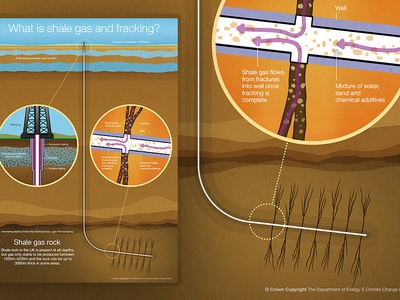
Shale gas
Natural gas trapped in shale formations and produced by fracking; major producers include USA, China, Argentina. Cheaper and flexible for power plants, but methane leaks and local water/chemical risks raise environmental concerns despite lower CO2 per kWh than coal.
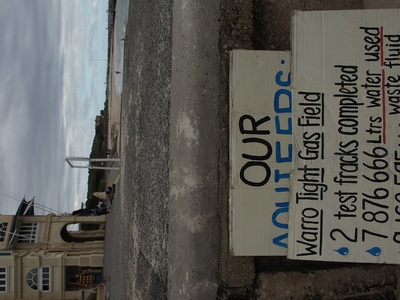
Tight gas
Dry gas in low-permeability reservoirs requiring advanced drilling; found worldwide including USA, Algeria, Russia. Provides stable natural-gas supplies with fewer liquids but similar greenhouse gas impacts; reserves extend gas availability beyond conventional fields.
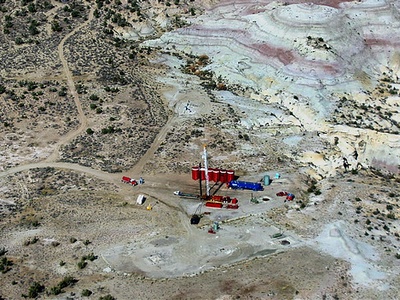
Coalbed methane
Methane adsorbed in coal seams; produced in Australia, USA, China. Can be a valuable gas source but extraction can lower groundwater and release methane. Often used for local power and heating; adds modest reserves to global gas supply.
Methane hydrates
Ice-like methane trapped in ocean sediments and permafrost; estimated global resource is vast though technically and economically challenging. Pilot projects exist, but production risks include methane release, seabed disturbance and large climate implications if leaked.
Uranium
Metal concentrated in crustal ores formed by geologic processes; top producers Kazakhstan, Canada, Australia. Used in fission reactors to generate baseload electricity with low operational CO2. Mining and radioactive waste pose safety, environmental and long-term waste-management challenges.
Thorium
Naturally occurring radioactive metal more abundant than uranium, found in India, Australia, USA. Not widely used commercially but promising for molten-salt/advanced reactors. Lower long-lived waste potential, but technology, economics and regulatory hurdles limit current role.