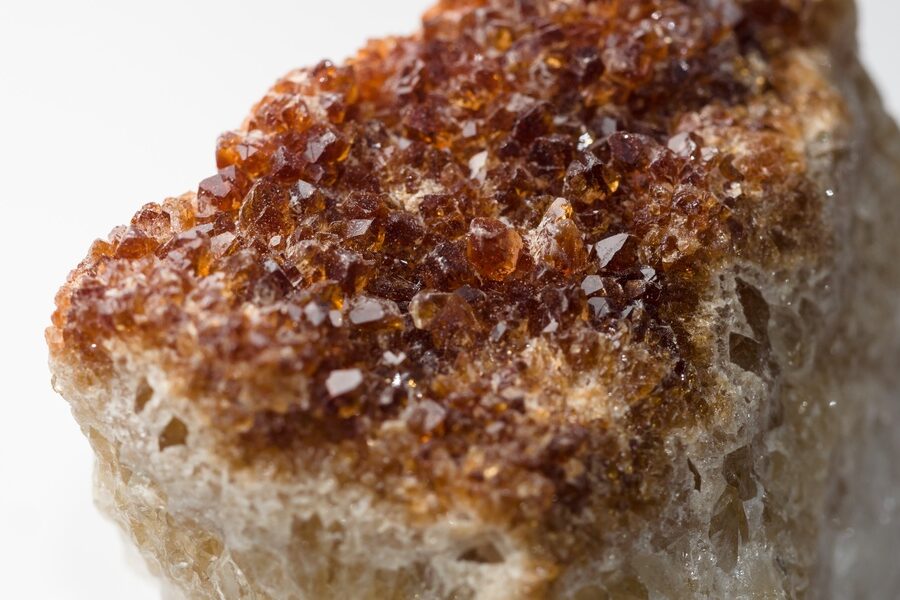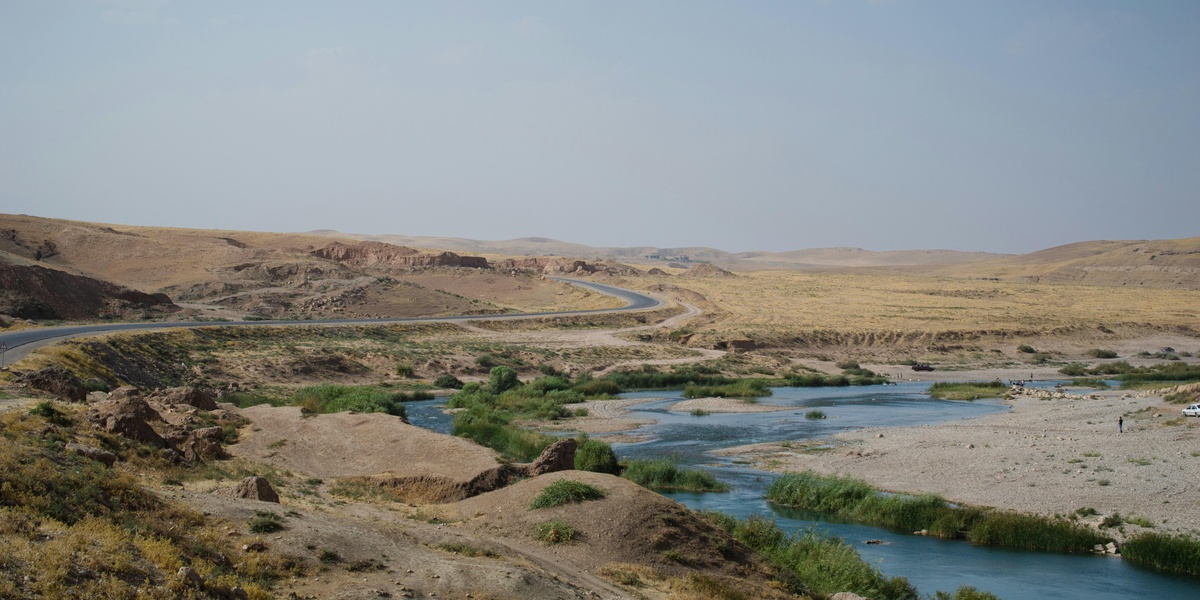
Iraq’s geology stretches from the Zagros foothills through fertile plains to the western desert, and that variety has long supported mining for local industry and construction. Historical trade routes met resource-rich basins, so many modern projects still lean on those long-known deposits.
There are 10 Minerals in Iraq, ranging from Anhydrite to Sulfur. For each entry the key details are given in the format Location (Governorate/Region),Main use,Reserves (tonnes), and you’ll find them below.
Which regions in Iraq host the largest or most economically important mineral deposits?
Major deposits cluster in distinct zones: the northern and northeastern foothills (phosphates, gypsum, limestone), the central and southern plains (salt, sulfur), and parts of the western desert (barite, anhydrite). Specific governorates commonly mentioned include Sulaymaniyah, Nineveh, Anbar and Basra, but the table below shows commodity-by-commodity locations and reserve estimates.
How are these minerals typically used and what do reserve figures tell us?
Most support construction (gypsum, limestone, anhydrite), agriculture and fertilizers (phosphate, sulfur), and oilfield services (barite); salt and other minerals have industrial or chemical uses. Reserve numbers help indicate local supply versus import needs and the potential scale of extraction projects—see the reserves column below for context.
Minerals in Iraq
| Mineral | Location (Governorate/Region) | Main use | Reserves (tonnes) |
|---|---|---|---|
| Phosphate | Al Anbar (Akashat), western Iraq | Fertilizer production, phosphoric acid | 1,500,000,000 |
| Gypsum | Anbar, Nineveh, Salah ad Din | Cement, plaster, wallboard, soil conditioner | 500,000,000 |
| Halite (rock salt) | Basra, southern Mesopotamian plain, central Iraq | Industrial salt, chemical feedstock, water treatment | 3,000,000,000 |
| Anhydrite | Southern and central Iraq (evaporite basins) | Cement industry, sulfur recovery, desiccants | 500,000,000 |
| Sulfur | Northern Iraq and evaporite-associated areas | Sulfuric acid, fertilizers, industrial chemicals | 50,000,000 |
| Barite | Dohuk, Erbil and other northern areas | Drilling muds, weighting agents, paints | 2,000,000 |
| Kaolinite | Kirkuk, Nineveh, Anbar regions | Ceramics, paper filler, paint, rubber | 20,000,000 |
| Bentonite (montmorillonite) | Anbar, Kurdistan foothills | Drilling muds, foundry sands, absorbents | 10,000,000 |
| Iron ore (hematite, magnetite) | Kurdistan (northeast) and scattered deposits | Steelmaking, pig iron feedstock | 100,000,000 |
| Native gold (alluvial and vein occurrences) | Kurdistan (northeast), Diyala foothills | Jewelry, investment, electronics | 30 |
Images and Descriptions
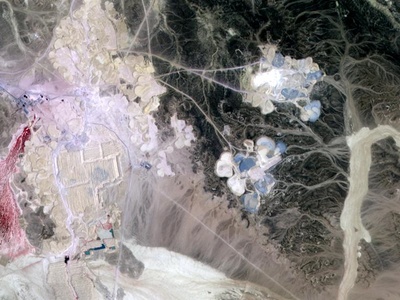
Phosphate
Phosphate (phosphorite) occurs as sedimentary beds at Akashat and other western basins; a cornerstone for fertilizer manufacture and phosphorus chemicals, supporting agriculture and downstream industry with very large extractable rock-phosphate reserves.

Gypsum
Gypsum is a common evaporite mineral used in cement, plaster and construction materials; widespread sedimentary beds in western and northern Iraq supply raw material for local building and cement industries.
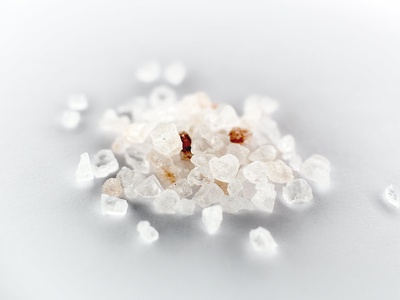
Halite (rock salt)
Halite forms thick evaporite layers and salt domes across southern and central Iraq; essential for industrial salt production, chemical industries and brine-derived products with very large stratified and diapiric reserves.

Anhydrite
Anhydrite is a calcium sulfate mineral common in Iraq’s evaporite sequences; used in cement, as a desiccant and feedstock for sulfur-bearing processes; often associated with gypsum and large evaporite deposits.
Sulfur
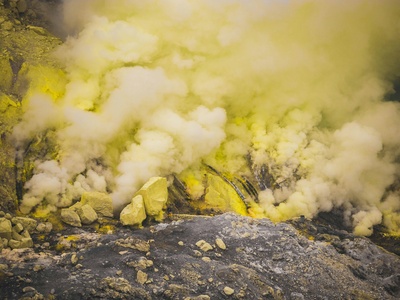
Native and sedimentary sulfur occurs associated with evaporites and some hydrothermal provinces; important for sulfuric acid and fertilizer manufacture where concentrated deposits are economically recoverable.
Barite
Barite (barium sulfate) appears in vein and sediment-hosted deposits in northern Iraq; its high density makes it valuable for oil-well drilling muds and various industrial applications.
Kaolinite
Kaolinite is a clay mineral formed by weathering of aluminous rocks; Iraqi deposits are used in ceramics, paper coatings and fillers, providing locally sourced raw materials for light industry.
Bentonite (montmorillonite)
Bentonite is an absorbent, swelling clay used in drilling fluids, castings and environmental sealing; occurrences in Iraq support industrial needs for bentonite-derived products.
Iron ore (hematite, magnetite)
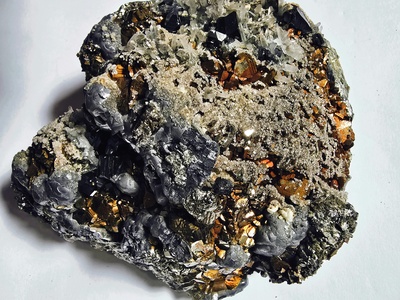
Iron ores such as hematite and magnetite are reported in northeastern highlands; although smaller than global giants, these deposits could supply regional steel feedstock after exploration and development.
Native gold (alluvial and vein occurrences)
Native gold occurs in veins and alluvial placers in northern Iraq; typically small, localized deposits of high economic interest to artisanal miners and potential small-scale commercial operations.