Chile’s history is rich with literary and intellectual achievements that have resonated far beyond its borders, shaping conversations about culture, politics and education in Latin America. A quick look at the nation’s Nobel connections highlights how a small number of individuals can have an outsized impact on a country’s global reputation.
There are 2 Chile’s Nobel Prize Winners, ranging from Gabriela Mistral to Pablo Neruda. For each laureate, entries are organized by Year (award), Category, Notable for to make comparisons easy — you’ll find below.
What did Gabriela Mistral and Pablo Neruda receive their Nobel Prizes for?
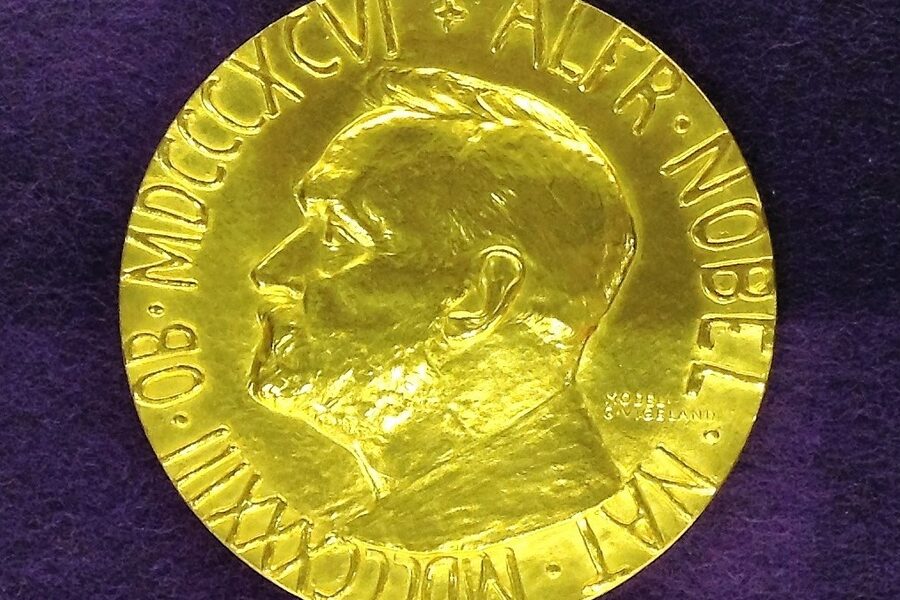
Gabriela Mistral won the Nobel Prize in Literature in 1945, honored for her lyric poetry and influential role in education and cultural life in Latin America; Pablo Neruda won in 1971, recognized for poetry that combined personal feeling with political and social commitment. The listings below give the year, category and what each is notable for.
How do these two laureates matter to Chile today?
Both figures are central to Chilean identity: Mistral is celebrated for breaking ground as a woman poet and educator, while Neruda’s work and public life made him an enduring international voice for Chilean literature and political thought. Their prizes helped raise global awareness of Chilean letters and ideas.
Chile’s Nobel Prize Winners
| Name | Year (award) | Category | Notable for |
|---|---|---|---|
| Gabriela Mistral | 1945 | Literature | Lyric poetry; maternal themes; educational reform |
| Pablo Neruda | 1971 | Literature | Lyric and epic poetry; Twenty Love Poems; Canto General |
Images and Descriptions

Gabriela Mistral
Gabriela Mistral (Lucila Godoy Alcayaga) was a Chilean poet, educator, and diplomat awarded the 1945 Nobel Prize in Literature for her heartfelt, lyrical poetry and commitment to children and education. She helped shape modern Latin American letters and education policy.
Pablo Neruda
Pablo Neruda (Ricardo Eliécer Neftalí Reyes Basoalto) was a Chilean poet and diplomat awarded the 1971 Nobel Prize in Literature for his vast poetic oeuvre, including Twenty Love Poems and Canto General, blending personal lyricism with political and historical engagement.