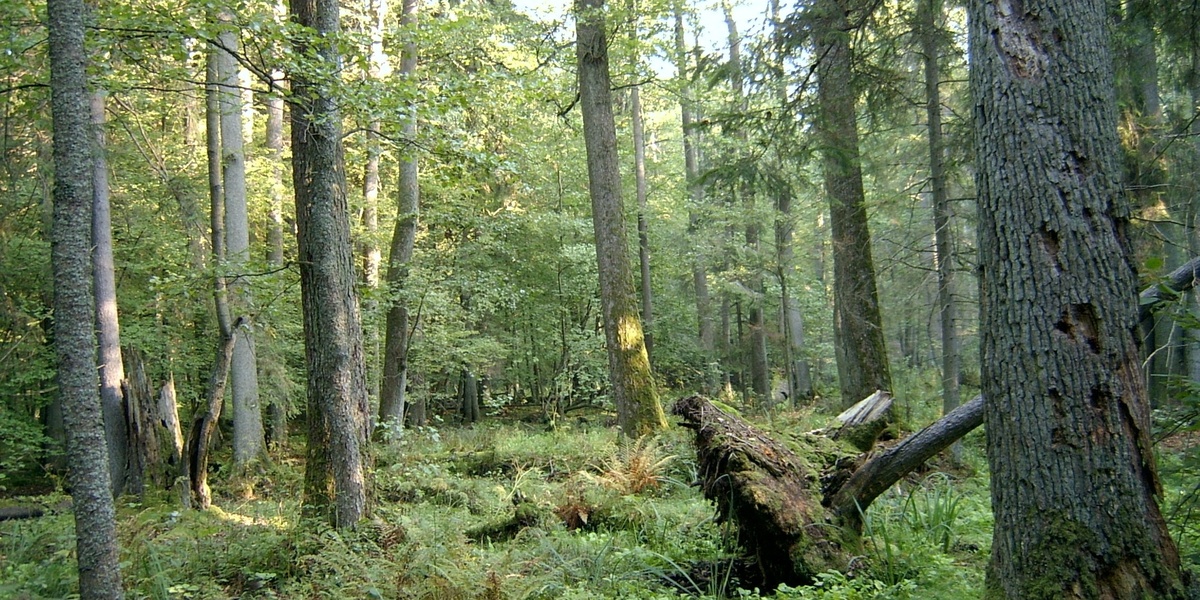
Ecosystem services are estimated at roughly $125 trillion per year (Costanza et al., 2014), and a World Economic Forum analysis found about $44 trillion of global economic activity is moderately or highly dependent on nature.
Consider a coastal village where mangroves cut the force of a storm, saving homes and boats — a recent typhoon left nearby developed shorelines far more damaged than mangrove-protected ones. That contrast is also economic: intact nature often costs less than engineered fixes.
Modern development, habitat loss and biodiversity decline now threaten the clean air, water, food and cultural practices those systems provide. The benefits of ecology are not abstract; they shape daily costs, health and safety for communities worldwide.
This piece explains ten concrete ways healthy ecosystems matter — from carbon sinks to pollinators to medicines — and shows practical steps you and your community can take. First, we’ll look at the services that literally sustain life.
Ecosystem Services that Sustain Life
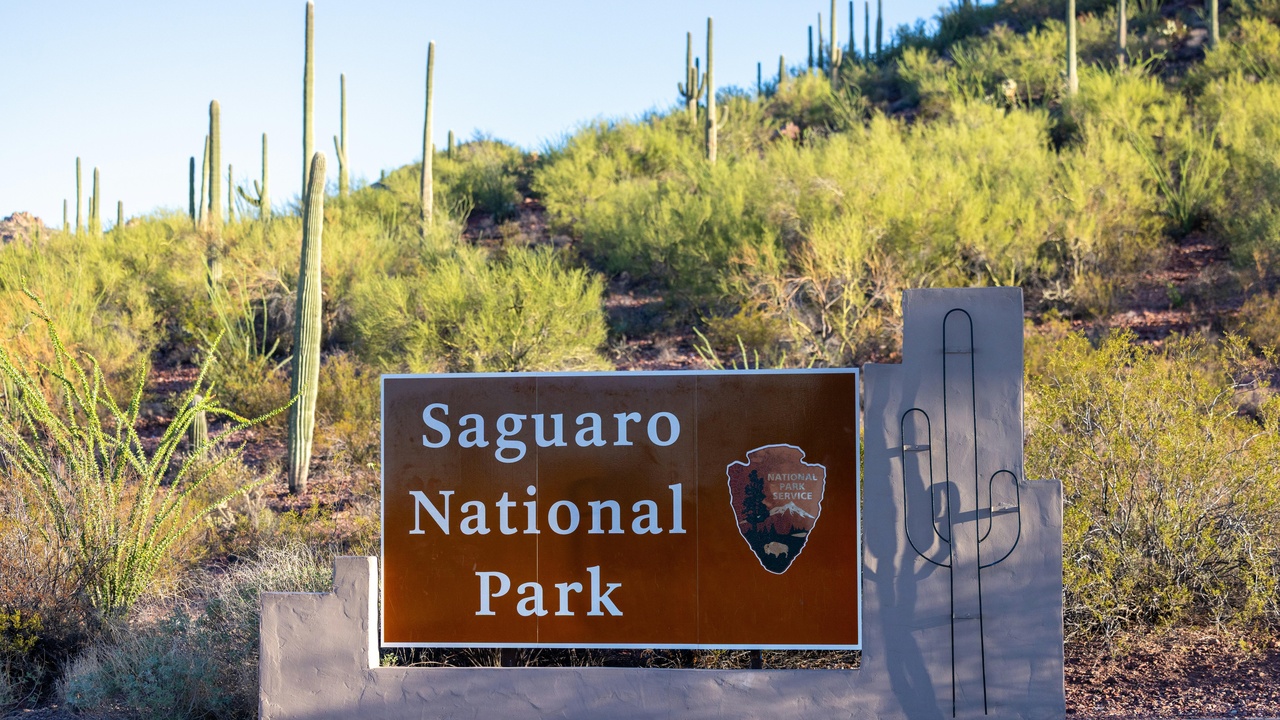
Ecosystem services are the benefits people obtain from nature and fall into four broad categories: provisioning (food, water, timber), regulating (climate, flood control, disease regulation), supporting (nutrient cycling, soil formation) and cultural (recreation, spiritual values).
Thinking in services ties ecology to daily needs and budgets. Costanza et al. (2014) put a global value on these services at roughly $125 trillion per year, and the World Economic Forum found trillions of dollars of economic activity depend on nature. That language helps decision-makers compare green solutions with gray infrastructure.
Below are three immediate services that affect most readers: air and climate regulation, natural water filtration, and pollination that underpins our food. Each section gives a fact, a real-world example and what it means for you.
1. Clean air and climate regulation
Healthy ecosystems — forests, soils and wetlands — sequester carbon and improve air quality. The IPCC estimates land and ocean sinks absorb roughly 30% of human CO2 emissions, while intact forests store vast amounts of carbon that would otherwise warm the atmosphere.
Urban tree-planting programs reduce particulate matter and lower temperatures; New York City’s MillionTreesNYC showed measurable local air-quality and cooling benefits. Trees also cut energy bills by shading buildings and reducing summer cooling loads.
For you, that means fewer heat-related health risks, lower utility costs in warm months and cleaner local air — all delivered by living systems rather than machines or fuel.
2. Clean water and natural filtration
Wetlands, forests and healthy soils filter and store water, removing sediments and nutrients and smoothing seasonal supply. These natural filters reduce the cost and complexity of municipal treatment systems.
A well-known case is New York City’s watershed protection investment, which preserved forested land and avoided building an expensive filtration plant. Restored wetlands in river basins can remove significant nitrogen and phosphorus, cutting algal blooms and downstream treatment needs.
The practical impacts are straightforward: safer drinking water, fewer boil notices, reduced drought vulnerability and lower infrastructure bills passed on to ratepayers.
3. Food security and pollination
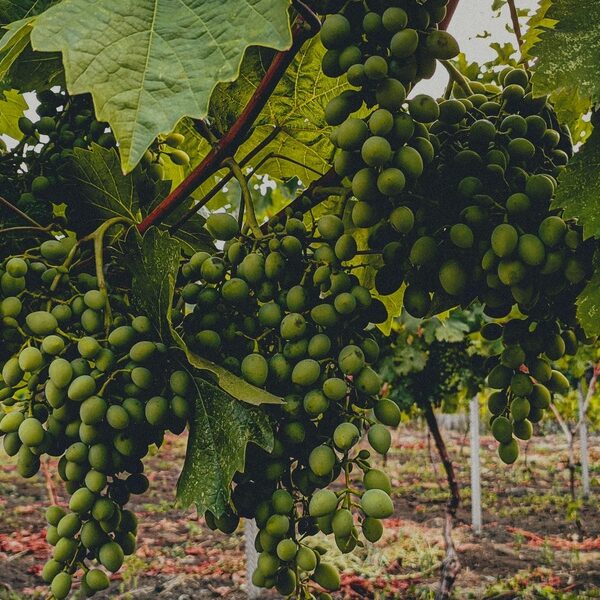
Many crops depend on pollinators and healthy ecosystems for stable yields. Roughly one in three bites of food depends on animal pollinators; pollination services are often valued in the hundreds of billions of dollars per year globally.
This is one of the clearest benefits of ecology: bees, butterflies, bats and birds support fruits, nuts and vegetables. The almond industry in California, for example, depends heavily on managed and wild pollinators each season.
Habitat loss threatens pollinator populations; farmers who adopt habitat-friendly practices and diverse cropping systems often see better yields and lower pest pressure over time.
Economic Value and Livelihoods

Ecology underpins jobs, incomes and entire industries. Natural capital — forests, fisheries, soils and biodiversity — forms the basis for many value chains from farm to fork and supports services like tourism and recreation.
This category covers direct employment (fisheries, forestry), linked value chains (processing, transport, markets) and nature-based tourism. Protecting or restoring ecosystems can sustain and create livelihoods, especially in rural and coastal communities.
Below are three concrete ways ecosystem health supports economies and people’s work.
4. Jobs and sustainable industries
Ecosystems support millions of jobs worldwide in sectors like agriculture, fisheries, forestry, restoration and tourism. Community-based resource management and restoration projects create local employment while rebuilding natural capital.
Examples include community forestry programs in Nepal that deliver timber and income while improving forest health, and sustainable fisheries cooperatives that manage stocks for long-term harvests. Restoration projects also hire local labor for planting, monitoring and maintenance.
For many rural and indigenous communities, these jobs are core to household income and cultural survival.
5. Sustainable agriculture and fisheries
Ecological knowledge enables production systems that maintain yields while conserving soil, water and biodiversity. Practices like agroecology, crop rotation and integrated pest management reduce chemical inputs and increase resilience to shocks.
Economically, agroecological methods can lower input costs and stabilize yields for smallholders. In fisheries, rotational closures and gear restrictions have led to stock recovery and higher long-term catches in many regions.
The takeaway is simple: managing with ecological rules often converts short-term extraction into sustained productivity and livelihoods.
6. Ecosystem-based tourism and recreation
Healthy ecosystems attract visitors and support recreation services that pump money into local economies. Nature-based tourism is a major sector in places like Costa Rica, where parks and biodiversity draw tourists year-round.
Revenues from park fees, guide services and hospitality create jobs and provide funds for conservation; the Galápagos, for example, uses tourism income to finance protections and research. Local multiplier effects extend benefits to restaurants, transport and crafts.
That said, managing visitor numbers and infrastructure is crucial to avoid degrading the very assets tourism depends on.
Health, Medicine and Disease Regulation

Biodiversity affects human health through disease regulation, mental well-being and as a source of medicines. When ecosystems degrade, disease dynamics can shift and opportunities for drug discovery decline.
Conserving diverse habitats reduces some disease risks and preserves biological diversity that has historically yielded many medical breakthroughs. The two subsections below explain how this plays out in public health and pharmacology.
7. Disease regulation and lower zoonotic risk
Intact ecosystems can reduce transmission of certain pathogens by maintaining balanced predator–prey–host relationships and limiting risky human–wildlife contact. Ecologists describe this as the “dilution effect” in some systems, where higher biodiversity lowers disease prevalence.
Conversely, land-use change and habitat fragmentation raise spillover risk by increasing contact between people, livestock and wildlife. Several studies link deforestation and agricultural expansion to higher incidence of zoonotic infections and vector-borne diseases regionally.
Practical public-health measures include land-use planning, buffer zones, and conserving intact habitats as part of disease prevention strategies.
8. Source of medicines and biochemical discovery
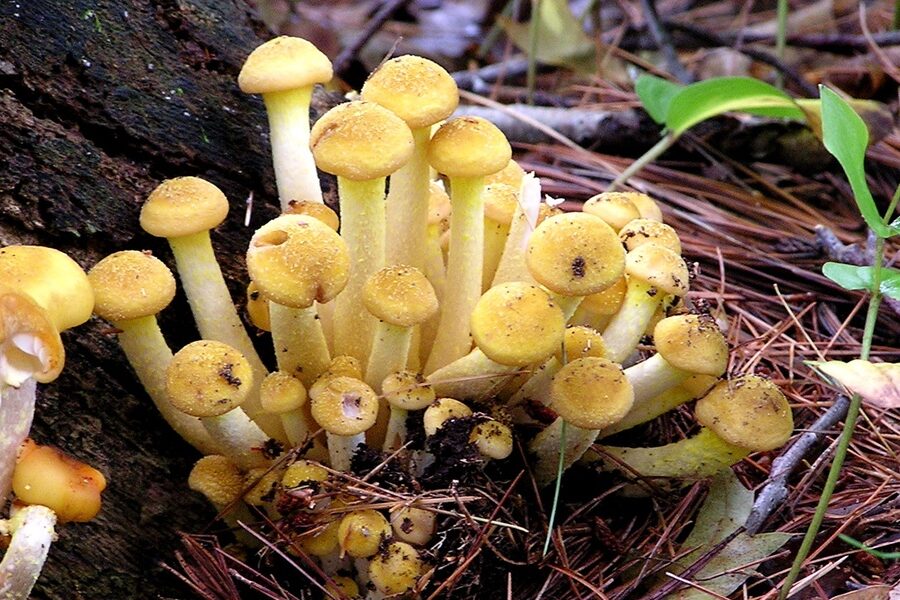
Many modern medicines originate from natural compounds. Examples include aspirin from willow bark, paclitaxel from the Pacific yew used in cancer treatment, and artemisinin from sweet wormwood for malaria therapy.
A significant share of approved drugs are natural products or derivatives discovered through bioprospecting over the past decades. Conserving species and ecosystems preserves the biochemical library scientists draw on for future therapies.
Ethical bioprospecting and benefit-sharing with source communities help align medical discovery with conservation and local rights.
Resilience, Culture and Knowledge

Ecology contributes to resilience against climate impacts, supports disaster risk reduction, and holds cultural and educational value. Traditional ecological knowledge, scientific research and outdoor learning all rely on functioning ecosystems.
The final two benefits show how nature buffers extreme events and sustains non-material values that shape communities and individual well-being.
9. Climate resilience and disaster risk reduction
Ecosystems such as mangroves, coral reefs and wetlands reduce storm surge, erosion and flood risk. Studies in Southeast Asia and the Caribbean document lower wave energy and reduced property damage where natural buffers remain intact.
Mangrove belts, for instance, have been shown to cut wave height and lessen wind-driven flooding during major storms, saving reconstruction costs and lives. Wetlands and floodplains store excess water and reduce peak flows downstream.
Supporting natural buffers is often a cost-effective adaptation strategy compared with hard infrastructure alone.
10. Cultural, educational and intrinsic value
Beyond material goods, ecosystems provide cultural identity, recreation, learning opportunities and mental-health benefits. Time spent in nature is linked to reduced stress, improved attention and better mood in numerous studies.
Indigenous ecological knowledge guides sustainable stewardship in many regions and informs modern conservation. Outdoor classrooms, seasonal festivals and local parks also teach ecological cycles and strengthen community ties.
These non-market values motivate stewardship and justify conservation choices that keep nature accessible and meaningful for future generations.
Summary
- Recognize the tangible benefits of ecology: nature provides clean air, water, food, medicines and economic value measurable in trillions of dollars.
- Protecting and restoring ecosystems is a cost-effective way to reduce disaster risk, support livelihoods and prevent some disease risks.
- Practical steps matter: support habitat-friendly products, volunteer or donate to local restoration, and use or expand green spaces and pollinator habitats in your neighborhood.