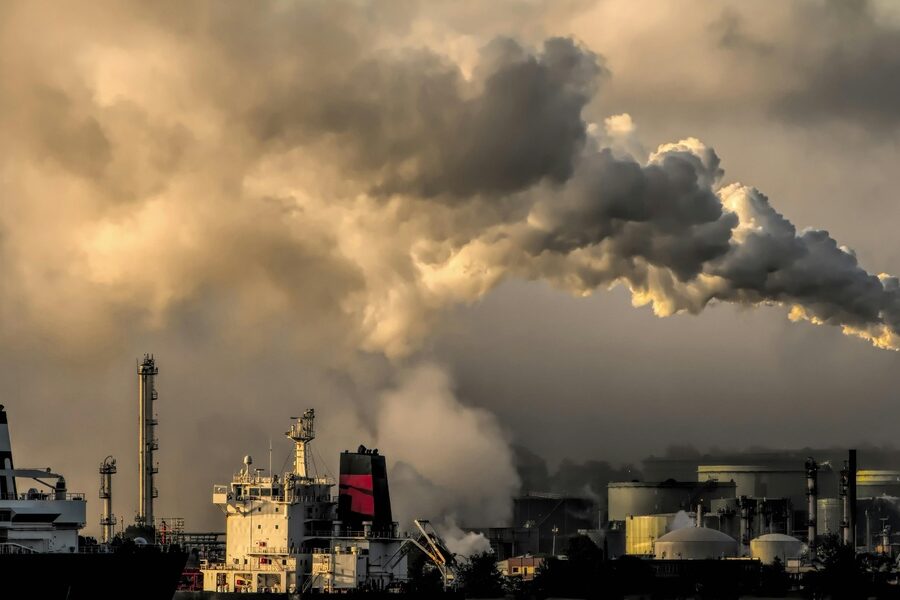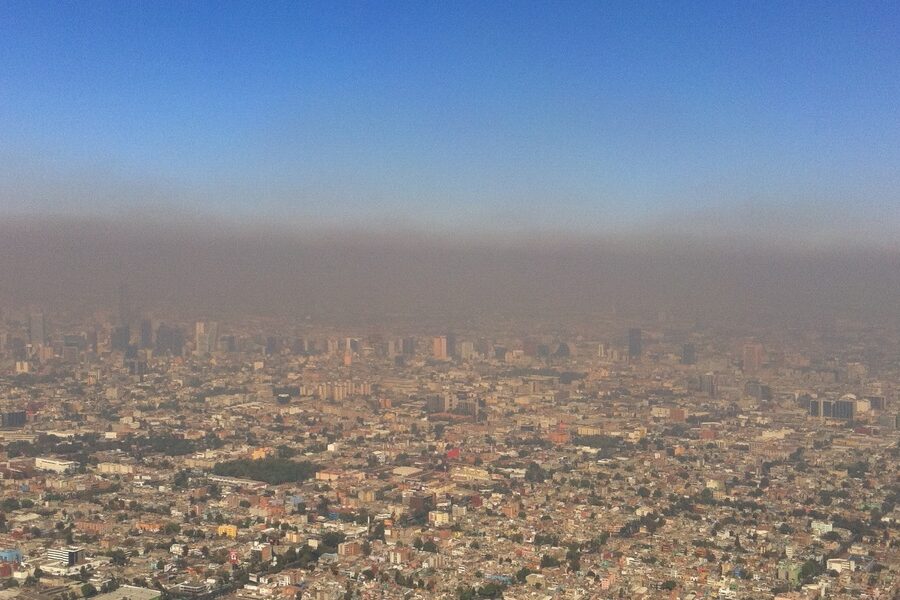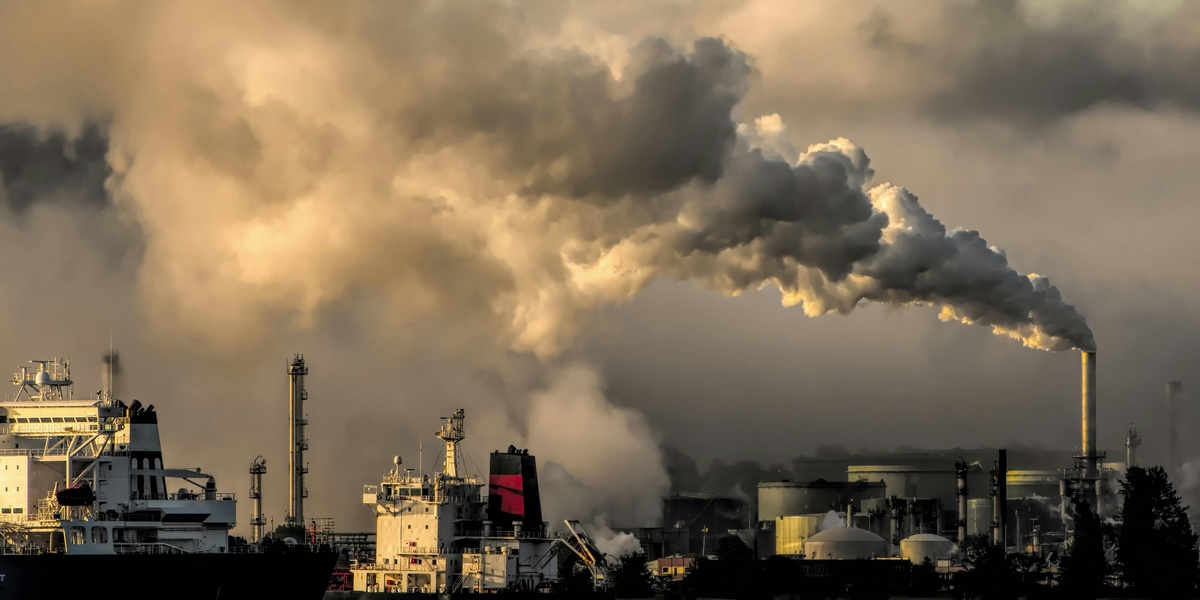
The history of pollution spans millennia but became especially visible with industrialization. Pollution refers to the introduction of harmful substances or energy into the environment, and it takes many forms—from airborne particles and chemical runoff to noise and light at night. Its effects can be local, like contaminated drinking water, or global, such as rising greenhouse gas concentrations that affect climate systems. Understanding the variety of sources, pathways, and receptors helps communities, scientists, and policymakers reduce harm and protect public and ecological health.
Context
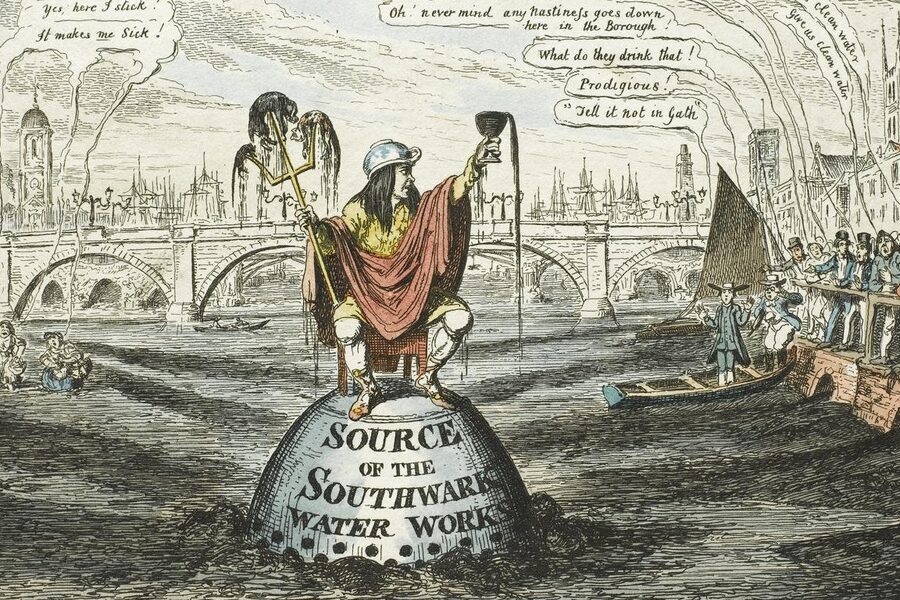
Industrial-scale pollution accelerated during the 18th and 19th centuries as factories, fossil-fuel combustion, and intensive agriculture expanded. Landmark events and responses include severe urban smogs in the mid-20th century that focused attention on air quality and the 1972 United Nations Conference on the Human Environment in Stockholm, which helped spur international coordination. Scientific monitoring shows long-term changes: carbon dioxide concentrations have risen from about 280 parts per million before the industrial era to well over 400 parts per million today, driving climate concerns. Public health organizations link outdoor air pollution to millions of premature deaths globally each year, while researchers estimate millions of metric tons of plastic and other debris enter marine environments annually. These verifiable patterns make pollution both a scientific and policy priority worldwide.
Scope and coverage
This collection of Types of Pollution encompasses the major categories and cross-cutting topics that explain how contaminants move, accumulate, and affect living systems. The lineup includes air and atmospheric pollution, water and marine contamination, soil and agricultural pollution, industrial and chemical contaminants, noise and light pollution, and radioactive and thermal impacts. It also presents material on monitoring methods, health and ecological impacts, mitigation technologies, regulatory frameworks, and notable case studies from different regions. Content focuses on widely recognized scientific findings and practical approaches to measurement, prevention, and remediation without promising exhaustive treatment of every subtopic.
Little-known facts about pollution:
- In 2016, the World Health Organization estimated that outdoor (ambient) air pollution was associated with about 4.2 million premature deaths worldwide.
- Carbon dioxide levels have increased from roughly 280 parts per million before industrialization to more than 400 parts per million in recent decades, a major driver of global climate change.
- Researchers estimated that roughly 8 million metric tons of plastic entered the oceans in 2010, an often-cited figure that highlights the scale of marine debris.
- The World Health Organization’s nighttime noise guideline recommends limiting long-term exposure to levels around 40 decibels to reduce adverse health effects.
- The global phase-out of leaded petrol concluded in 2021 when the last country stopped selling leaded gasoline, a milestone for public health.
- The 1952 Great Smog of London caused thousands of excess deaths and helped prompt major air-quality legislation in subsequent decades.