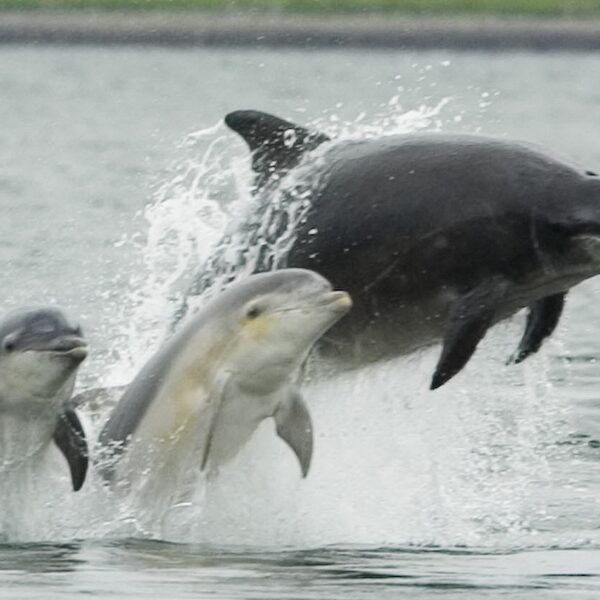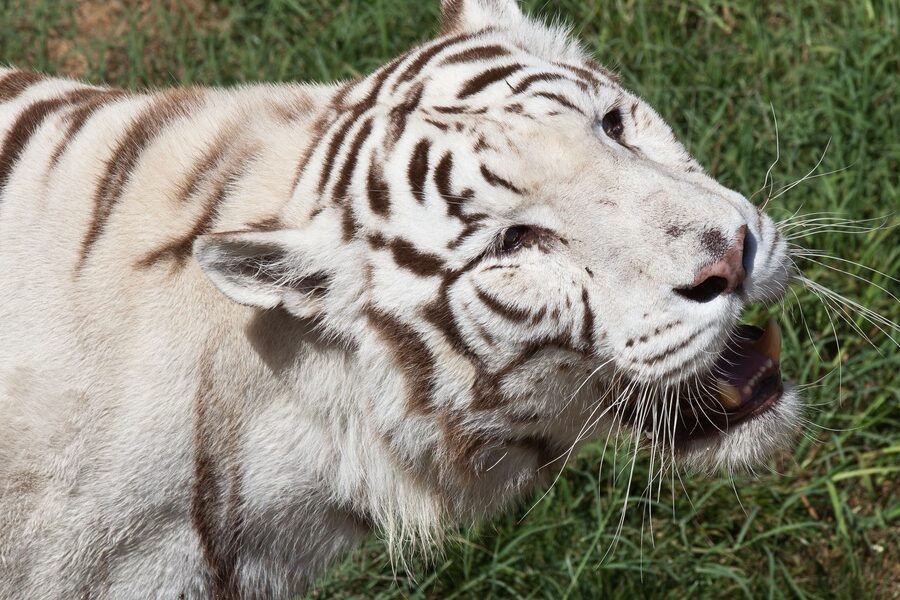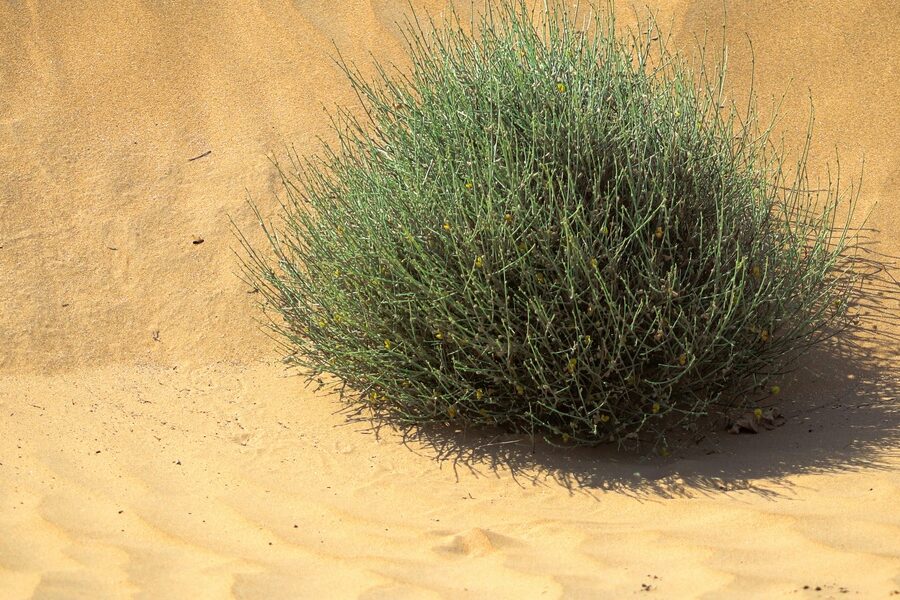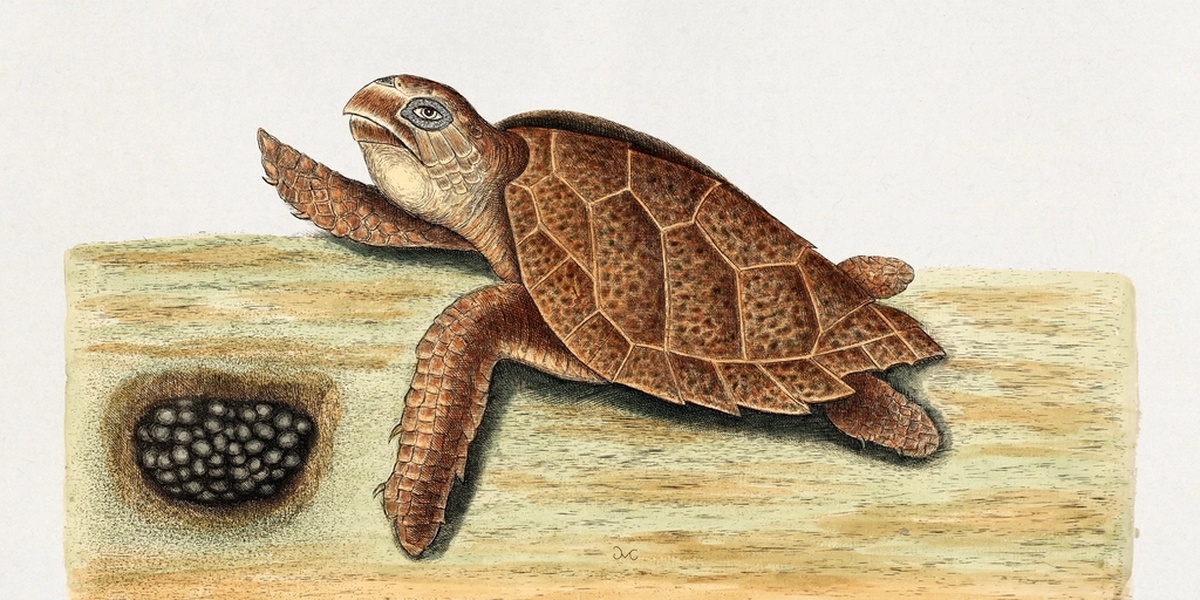
In 2019 the Intergovernmental Science-Policy Platform on Biodiversity and Ecosystem Services (IPBES) warned that around 1 million species are at risk of extinction.
When people hear the word biodiversity, many picture rainforests, coral reefs, or a panda on a fundraising poster. That mental shorthand matters because common beliefs shape policy, funding, and everyday choices.
There are a lot of biodiversity misconceptions out there—some harmless, others actively misleading. About 1.7 million species have been formally described, but that number understates global life’s variety and importance. Clearing up ten widespread myths helps clarify what biodiversity actually is, why it matters, and how we should act.
This piece groups the myths into four categories—scope & scale; causes & threats; conservation solutions; value & benefits—and ends with practical takeaways you can use locally or support at policy level.
Scope and Scale: What Biodiversity Really Includes
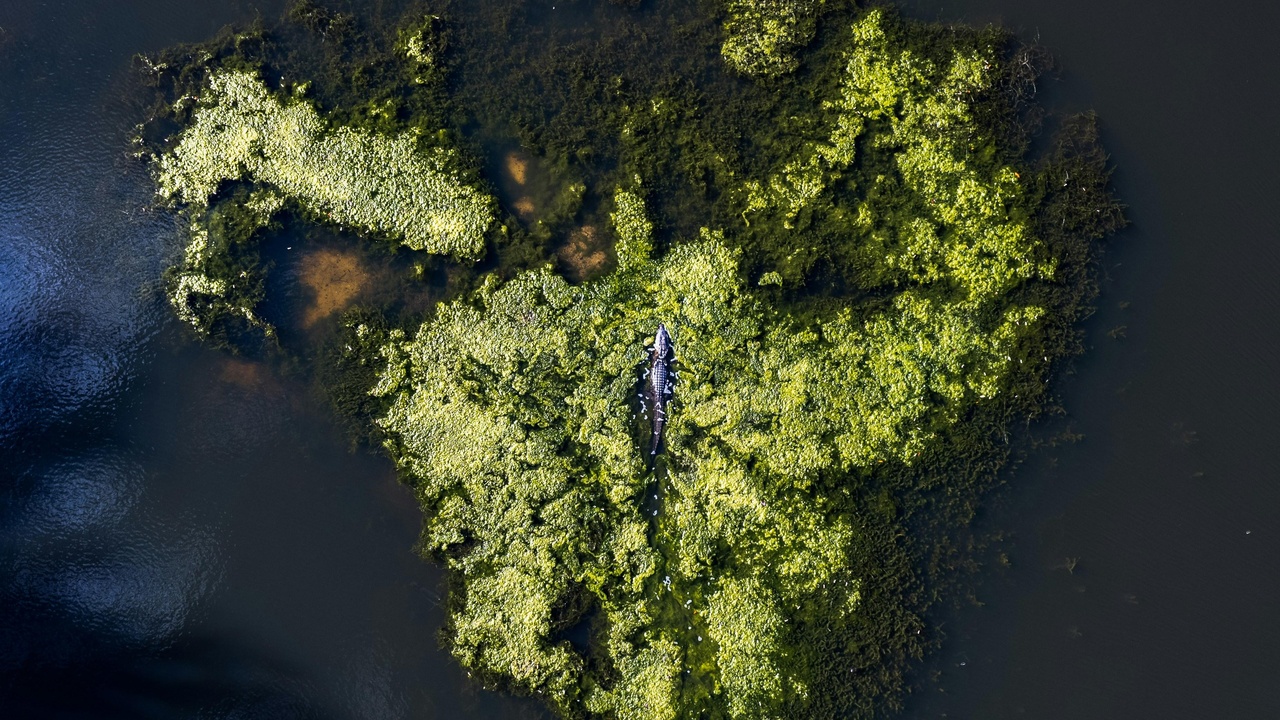
Biodiversity is not a single thing you can point at. It spans genes, species, and ecosystems: genetic variation within populations, the millions of different species that share the planet, and the communities and habitats those species form. Confusing the scale leads to conservation that favors only the visible or fashionable organisms.
The Intergovernmental Science-Policy Platform on Biodiversity and Ecosystem Services (IPBES) frames biodiversity across levels for a reason: microbes and fungi drive nutrient cycles, genetic diversity underpins crop resilience, and intact ecosystems deliver services like clean water. The IUCN Red List helps track species, but many crucial organisms—soil microbes, fungi, and tiny insects—are poorly represented in headline counts.
Urban parks, farmland hedgerows, and roadside verges are part of this picture. Overlooking less-visible organisms and everyday places means missing opportunities to protect functions that sustain food, health, and local economies.
1. Myth: Biodiversity just means big, charismatic animals
This is one of the most persistent misunderstandings. Biodiversity includes microbes, fungi, plants and the genes within species—not only large vertebrates.
Only about 1.7 million species have formal names, and most described taxa are plants, insects and microbes. Yet tiny organisms perform massive jobs: soil bacteria like Rhizobium fix nitrogen for crops, fungi such as Penicillium have yielded life-saving medicines, and non-bee pollinators like hoverflies and bats pollinate fruits and vegetables.
Farm yields, human health and ecosystem recovery often depend on the small and unseen. Widen your mental image of biodiversity to include the microbes beneath your feet and the insects that rarely make the evening news.
2. Myth: We’ve already discovered most species
It’s tempting to think science has cataloged life, but described species (roughly 1.7 million) are just a fraction of what may exist. A frequently cited estimate by Mora et al. (2011) suggested roughly 8.7 million eukaryotic species—a figure that highlights millions more waiting to be documented.
Microbial diversity is even harder to tally and likely far greater. Unknown species may contain new medicines, crops or ecosystem functions, and their absence from inventories limits conservation planning.
New species still turn up in well-studied regions—new frogs and insects in the Amazon, novel corals on reefs—and citizen science platforms like iNaturalist and museum taxonomy programs are vital for closing the gap.
3. Myth: Biodiversity only matters in remote forests and coral reefs
Biodiversity is everywhere: cities, farms and even highways host species and ecological interactions that matter to people. Urban greenspaces increase pollinator diversity and mental wellbeing, while agricultural biodiversity underpins resilient harvests.
Examples are practical. Urban bee initiatives help community gardens and local fruit trees. Agroforestry systems in Kenya and Indonesia improve soil health and yields. Rewilded brownfield sites in Europe provide habitat and recreational space.
Conservation planning that ignores cities and working landscapes misses large opportunities to support food security, reduce flood risk, and connect people to nature.
Causes and Consequences: Misreading the Drivers of Loss
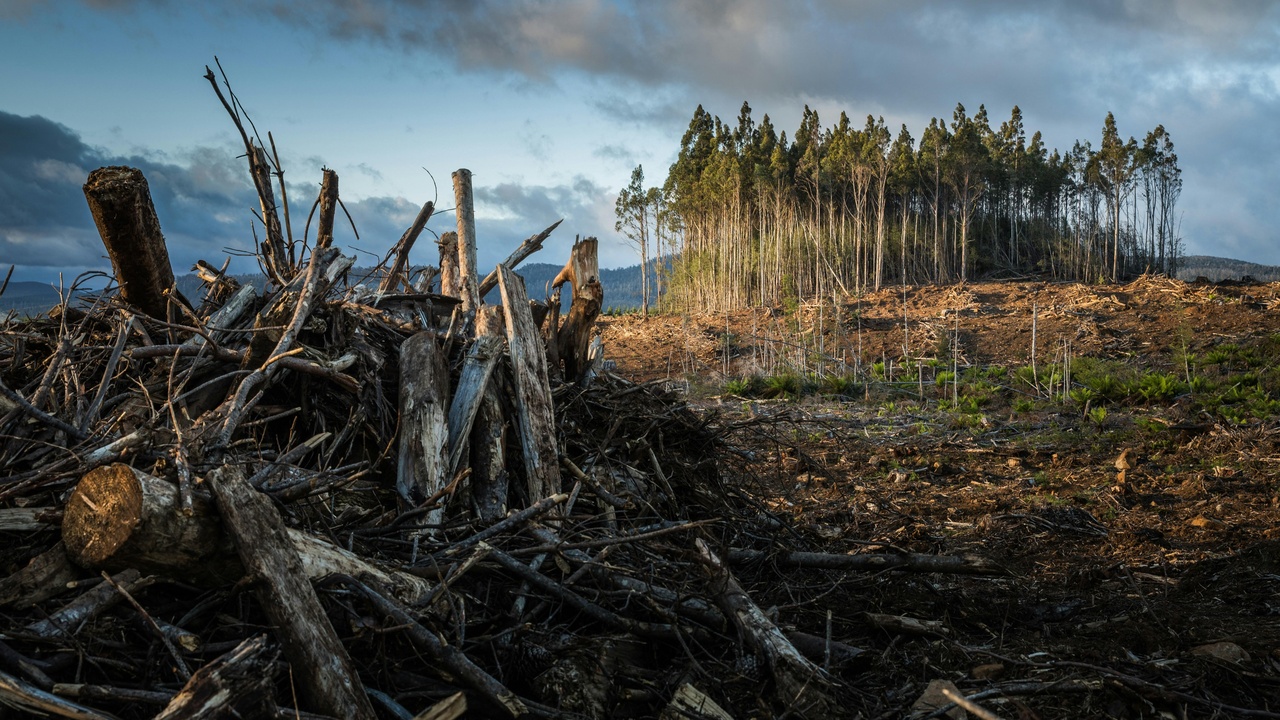
People often latch onto a single cause of biodiversity loss, but experts point to multiple, interacting drivers. The 2019 IPBES assessment lists land-use change, overexploitation, climate change, pollution and invasive species as principal threats. Getting the drivers wrong leads to weak policy and wasted effort.
The next three myths show where misattribution is common—either by exaggerating one factor or by assuming simple solutions will do the job.
4. Myth: Climate change is the only or main cause of biodiversity loss
Climate change is a major and growing threat, but it is not the only one and, in many places, not the most immediate. IPBES places land-use change and overexploitation at the top of the list for current losses.
Deforestation in the Amazon and Southeast Asia removes habitat at a rapid clip; overfishing has driven declines on many continental shelves and reefs; invasive species like the brown tree snake wiped out multiple bird species on Guam.
Effective responses target multiple drivers: protect habitat, regulate harvesting, reduce pollution and plan for climate impacts, rather than treating emissions reductions as a single fix for all biodiversity crises.
5. Myth: Extinctions are “natural” so current losses aren’t alarming
Extinction happens naturally, but modern rates are far above background levels. Scientists commonly estimate current extinction rates are 100–1,000 times higher than the background rate, and IPBES estimates roughly 1 million species are threatened.
When species disappear faster than they can be replaced, ecosystems lose unique functions and genetic diversity. Historical examples show the cost: the passenger pigeon was once the planet’s most numerous bird and went extinct in the early 1900s. More recently, chytrid fungus has driven regional extinctions of amphibians worldwide.
Those elevated rates increase the risk of cascading failures—loss of pollinators affecting crops, decline of predators altering food webs, or reduced genetic diversity weakening disease resistance.
6. Myth: Declaring protected areas solves biodiversity loss
Protected areas are essential, but designating land or sea on a map is only the start. Many reserves are underfunded, poorly enforced, too small, or isolated, producing so-called “paper parks” with little real protection.
Connectivity, adequate staffing and community support matter. Indigenous-managed territories in the Amazon often outperform top-down reserves, and ecological corridors help species shift ranges as climates change.
Conservation strategies must combine well-managed protected areas with sustainable use zones, restoration and locally led stewardship to be effective at scale.
Conservation Solutions: What Works — and What Doesn’t
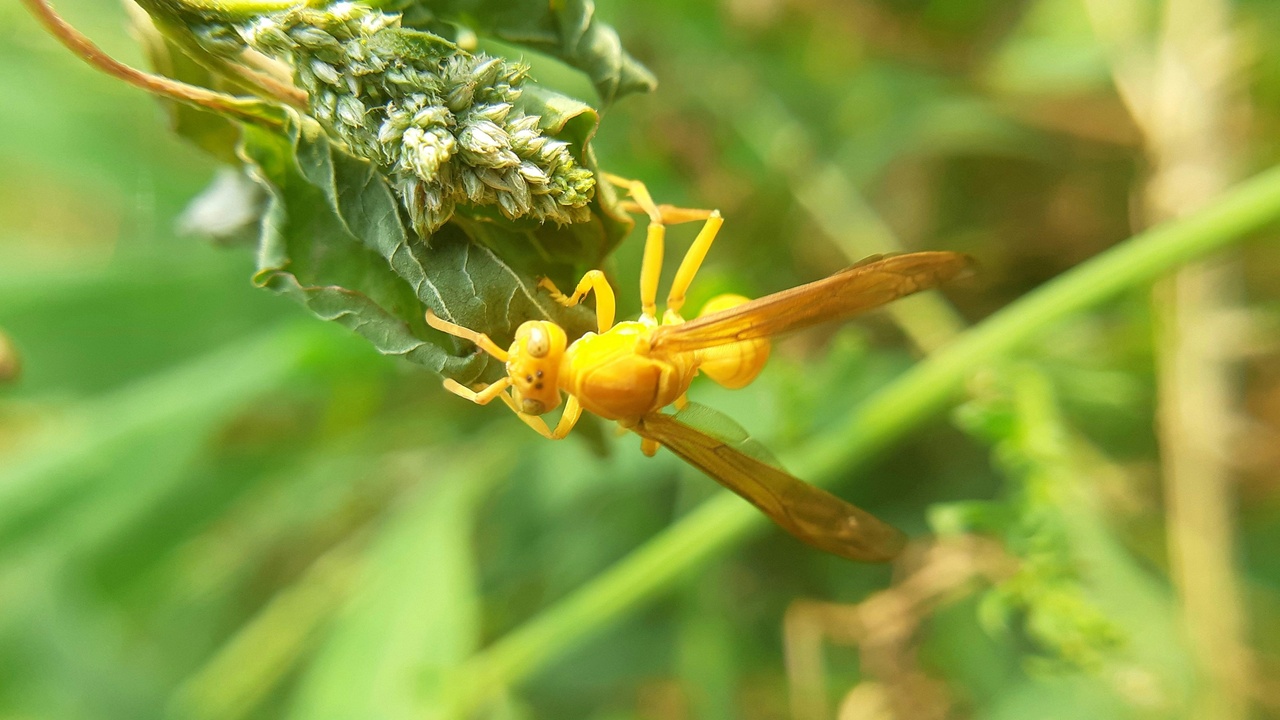
Conservation is plural: it includes in-situ protection, ex-situ safeguards, policy changes and community action. Treating any single tool as a panacea creates blind spots.
Below are two myths that often steer people toward simplistic or exclusionary approaches rather than integrated, people-centered solutions.
7. Myth: Conservation means stopping people from using nature
Exclusionary conservation has a place, but many successful models integrate sustainable use and local livelihoods. Community-managed fisheries, sustainable forest certification (FSC), and Indigenous stewardship blend cultural use with protection.
Community forestry in Nepal increased forest cover and household incomes. Namibia’s conservancies returned wildlife and tourism revenue to local people while reducing poaching. Where people have secure rights and incentives, ecological outcomes often improve.
Equitable, participatory approaches tend to be more durable and socially just than top-down bans that ignore local needs.
8. Myth: Captive breeding and seed vaults mean we can “save” species later
Captive breeding and seed banks are vital insurance policies, but they can’t replace functioning ecosystems. The Svalbard Global Seed Vault stores genetic material for crops, yet seeds alone do not rebuild soils, pollinator networks or landscapes.
Reintroductions—like the California condor and black-footed ferret—required long-term habitat management, disease control and high costs. Ex-situ programs face genetic bottlenecks and risk losing ecological interactions that shape species’ roles.
The sensible approach pairs ex-situ safeguards with habitat protection, restoration and policies that reduce the original threats so species can thrive in the wild again.
Value and Benefits: Why Biodiversity Matters to People
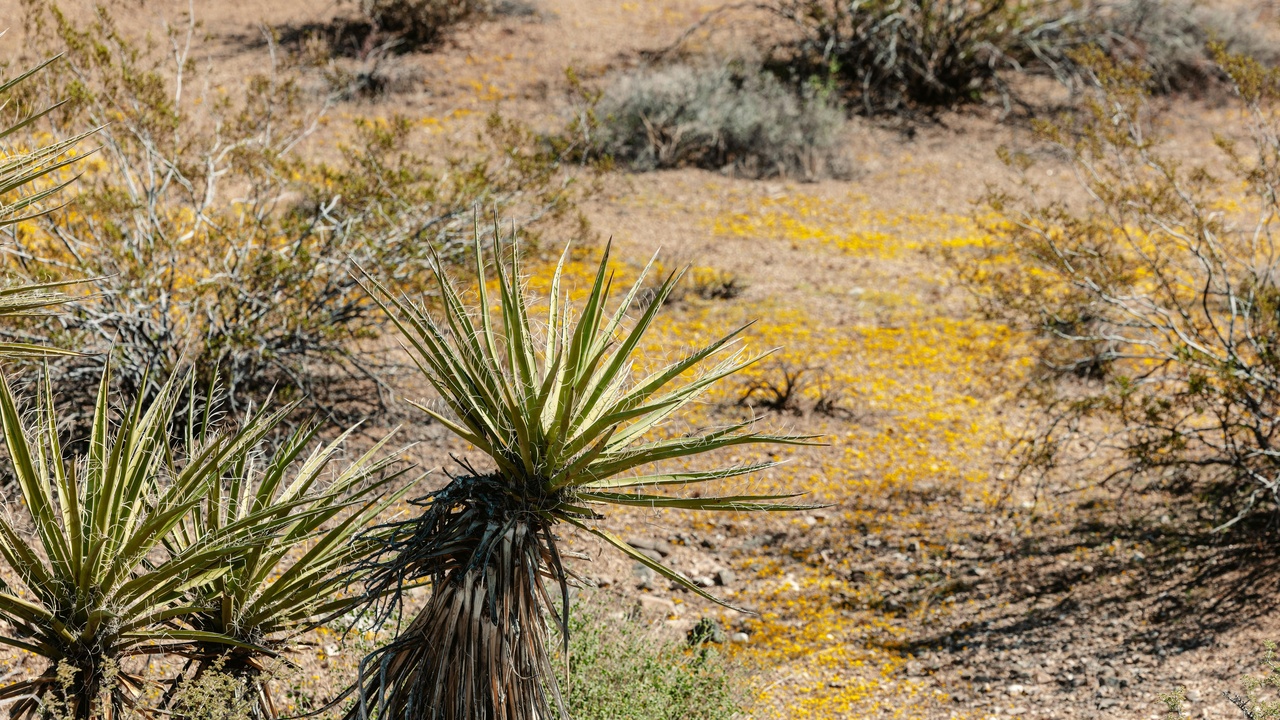
Biodiversity delivers ecosystem services—pollination, water filtration, carbon storage—along with cultural, recreational and economic value. Undervaluing those flows encourages the false idea that conservation is merely a cost rather than an investment in resilience and wellbeing.
Translating ecological function into practical terms—crop yields, avoided flood damage, medicines discovered—helps decision-makers weigh trade-offs and design win-win policies.
9. Myth: Biodiversity is only about saving pretty animals
Protecting beauty matters for culture and tourism, but biodiversity’s real-world value is often functional. Roughly 75% of leading global crops benefit in some way from animal pollinators, wetlands filter water for cities, and forests store carbon and prevent erosion.
Medical discoveries came from nature: aspirin traces back to willow chemistry, and paclitaxel from the Pacific yew became a key cancer drug. Mangroves reduce wave energy and storm damage for coastal communities, with clear economic benefits.
Shifting attention from only the picturesque to ecosystem services helps protect what sustains human life and livelihoods.
10. Myth: Protecting biodiversity is too expensive and harms the economy
Conservation requires investment, but many nature-based solutions pay off. Global assessments have placed the aggregate value of ecosystem services in the tens to hundreds of trillions of dollars—figures that caution against treating nature as free to degrade.
Restoring wetlands can cut flood damage costs; restoring mangroves lowers coastal vulnerability and supports fisheries. Payments for ecosystem services (PES) can boost farmer incomes, and urban green infrastructure often reduces stormwater and heat-related health expenses.
Well-designed conservation creates jobs, builds resilience to shocks and often proves more cost-effective than repeated emergency responses to declines and disasters.
Summary
- Think smaller and broader: biodiversity includes microbes, fungi, genes and everyday habitats—not just charismatic megafauna.
- Address multiple drivers: land-use change, overexploitation, pollution, invasive species and climate change often act together and require mixed responses.
- Use a toolbox approach: combine well-managed protected areas, community stewardship, restoration and targeted ex-situ safeguards like seed banks.
- Value nature practically: pollination, water filtration, medicines and coastal protection deliver measurable benefits that support economies and health.
- Take action locally: support habitat-friendly urban planning, join or fund local conservation groups, and contribute observations to platforms such as iNaturalist to help science and policy.