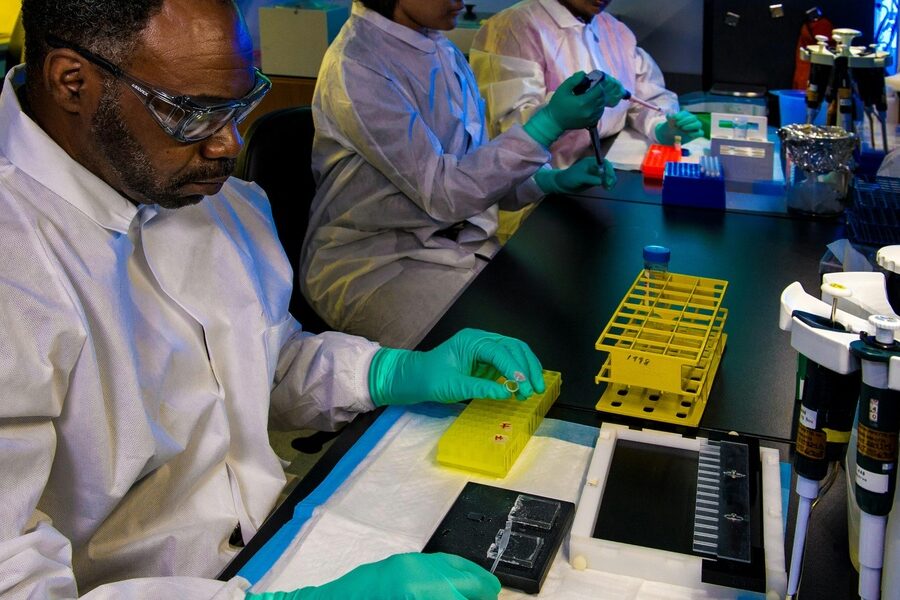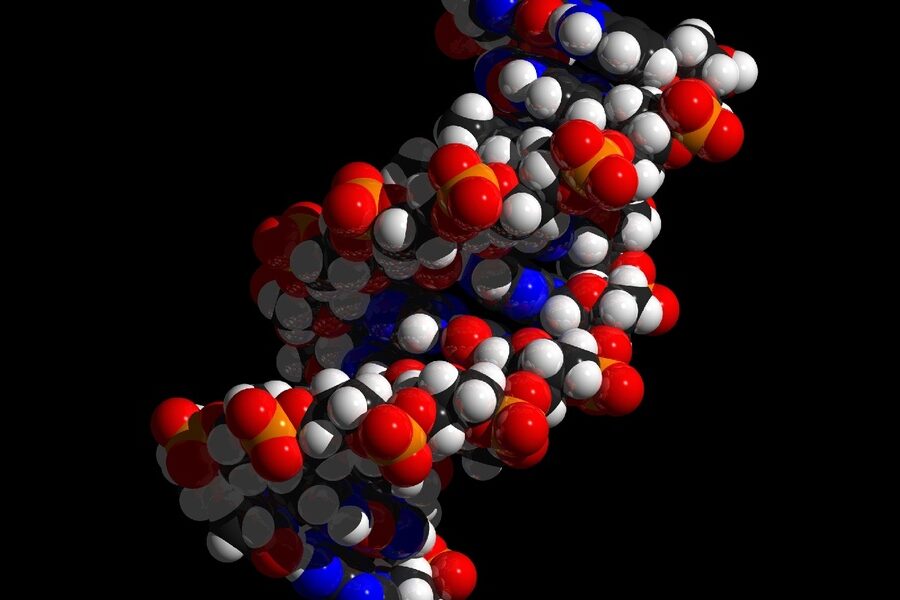
When CRISPR emerged around 2012, then rapidly spread through labs worldwide in 2013, gene editing suddenly became cheap, fast, and widely accessible. That shift unlocked powerful possibilities in medicine and agriculture — and some surprising downsides that few anticipated. Genetic engineering affects what we eat, how we treat disease, who controls biological tools, and what privacy looks like for our bodies and data. The trade-offs matter for everyday people as much as for scientists and policymakers. This piece lays out eight concrete disadvantages spanning ethical and social issues, ecological risks, health and biosafety concerns, and the economic and legal frictions that follow.
Ethical and Social Concerns

Altering genomes raises moral questions and social tensions that policy often lags behind. Debates over what should be allowed — and who gets access — influence public trust in science and shape whether breakthroughs help the many or benefit the few.
1. Moral and Ethical Dilemmas
Editing human embryos, making heritable (germline) changes, or pursuing enhancement traits forces hard ethical choices. The 2018 He Jiankui episode — where gene-edited babies were announced without clear oversight — became a global flashpoint and prompted calls for moratoriums and tighter rules.
Regulators and scientific bodies now draw sharp lines between somatic edits (treating a person) and germline edits (passed to descendants), but cultural and legal views differ around the world. That uncertainty affects what research gets funded, what clinics open, and whether patients trust therapies.
2. Social Inequality and Access
Advanced genetic therapies and improved seeds often carry very high price tags — some gene therapies cost six-figure amounts or more — which risks widening health and economic gaps. Patents and licensing can block researchers or make treatments unaffordable for lower-income countries.
Industry consolidation intensifies that risk. The 2018 Bayer–Monsanto merger is a concrete example of how seed and trait control can concentrate market power, leaving smallholder farmers and poorer nations with fewer affordable options.
3. Genetic Discrimination and Stigmatization
Genetic data can affect how people are treated at work, when buying insurance, or in social contexts. The U.S. Genetic Information Nondiscrimination Act (GINA) of 2008 addresses some employment and health-insurance concerns but leaves gaps — for example, life and disability insurers are often not covered.
Those gaps create a chilling effect: individuals may avoid testing or therapies for fear of insurance or job consequences, which undermines public health goals and widens disparities.
Environmental and Ecological Risks

Releasing engineered organisms into nature creates both local and far-reaching ecological uncertainties. Self-propagating technologies and modified crops can ripple through food webs, gene pools, and agricultural systems in ways that are hard to reverse.
4. Unintended Ecological Consequences
Once a modified organism enters the wild, predicting ecosystem responses is difficult. Gene drives, designed to spread a trait through a population, raise particular concern because their effects can be essentially permanent.
Target Malaria’s gene drive research has spurred extensive debate and regulatory caution about moving from lab studies to field trials. A released trait that suppresses mosquito populations could reduce disease burden — but it might also affect predators, pollination dynamics, or open ecological niches for other species.
That uncertainty creates monitoring and governance challenges: how long do you watch an altered ecosystem, who decides when to intervene, and how do you repair unexpected harms?
5. Loss of Biodiversity and Monoculture Risks
Widespread adoption of engineered, uniform crop varieties can shrink genetic diversity on farms. When farmers favor patented, high-yield strains, traditional local varieties can disappear, reducing the genetic options available to breed resilience into future crops.
Less diversity means higher systemic vulnerability: a single pest, disease, or climate shock can hit a large planted area hard. Seed banks and agrobiodiversity programs help, but they don’t remove market and policy pressures that favor consolidation.
Health and Safety Risks
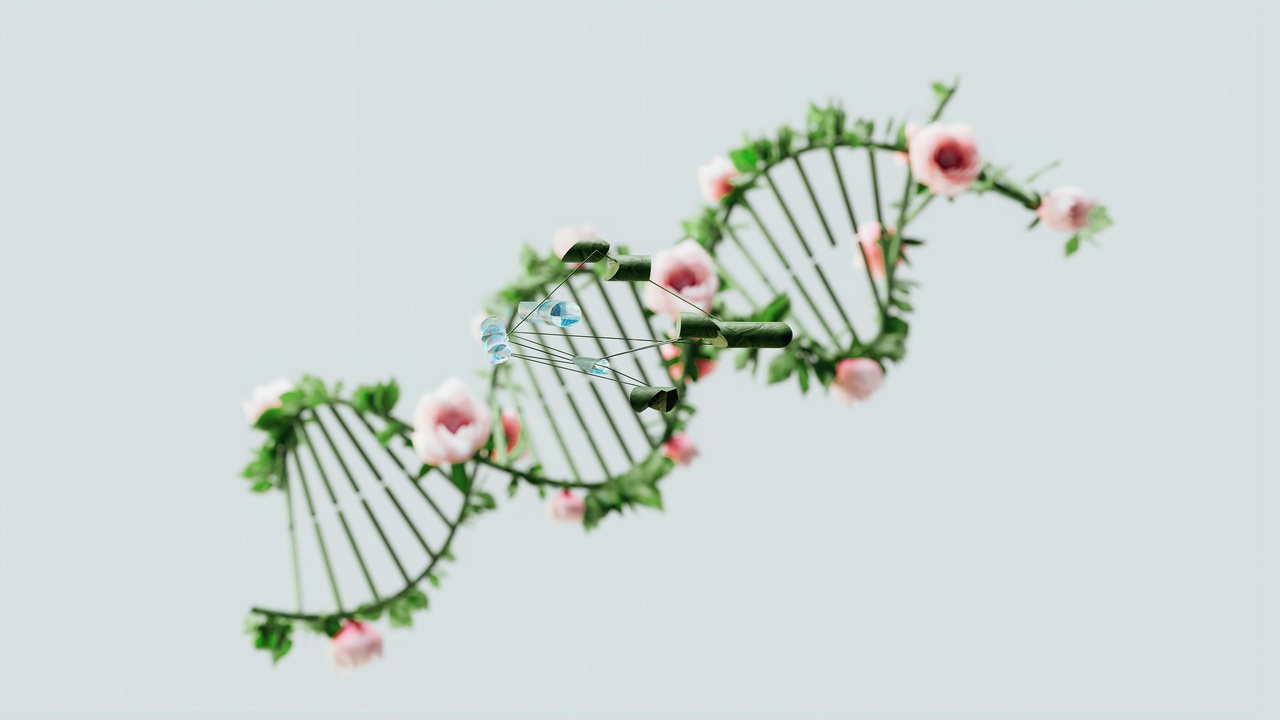
Gene editing brings clear clinical promise and simultaneous safety concerns. The two main worries are unintended molecular changes and the broader biosafety risks tied to laboratory work and dual-use potential.
6. Unpredictable Health Effects and Off-Target Edits
Techniques like CRISPR can produce off-target edits — unintended DNA changes — or mosaic outcomes where not all cells carry the intended edit. Such effects can create new mutations or unanticipated health problems.
The first human CRISPR uses appeared in the 2010s, and safety concerns from those early trials drove the need for long-term follow-up and improved editing fidelity. Researchers now invest heavily in measuring and reducing off-target rates, but long-term consequences still require years of monitoring.
7. New Pathogens and Biosafety Risks
Manipulating organisms can increase biosafety risk if laboratory oversight slips. Dual-use research — work that can be used for good or harm — is a persistent policy headache, and lab accidents have occurred in well-funded settings.
Global bodies like the WHO and national regulators have issued guidance to tighten oversight, yet standards vary by country. Weak systems raise the chance of accidental release or misuse, with consequences for public health and trust.
Economic, Legal, and Regulatory Challenges
Patents, uneven regulations, and concentrated market power shape who benefits from genetic technologies and who bears their risks. Legal disputes and regulatory lag can slow beneficial research and raise costs for patients and farmers.
8. Economic Disruption and Corporate Control
Patents can restrict research freedom and impose licensing fees that academic labs and small firms struggle to pay. Large mergers, notably Bayer’s acquisition of Monsanto in 2018, illustrate how consolidation can concentrate control over seeds, traits, and pricing.
For farmers, that can mean limits on seed saving and higher input costs. For patients, high prices for some gene therapies limit access. For researchers, fragmented regulations across countries increase compliance burdens and legal uncertainty.
Summary
- Ethical stakes are high — from the He Jiankui case (2018) to questions about germline editing — and laws such as GINA (2008) only partially address social harms.
- Ecological impacts can be long-lasting: gene drives (Target Malaria debates) and transgene flow threaten biodiversity and complicate restoration efforts.
- Health uncertainties remain, with off-target edits and biosafety lapses requiring long-term monitoring and stronger oversight of laboratories.
- Economic and legal structures — patenting, mergers like Bayer–Monsanto (2018), and regulatory differences — shape who benefits and who pays for risks, highlighting inequity concerns tied to the disadvantages of genetic engineering.
- Careful public debate, harmonized regulation, and transparent risk assessment can help maximize benefits while minimizing harms.