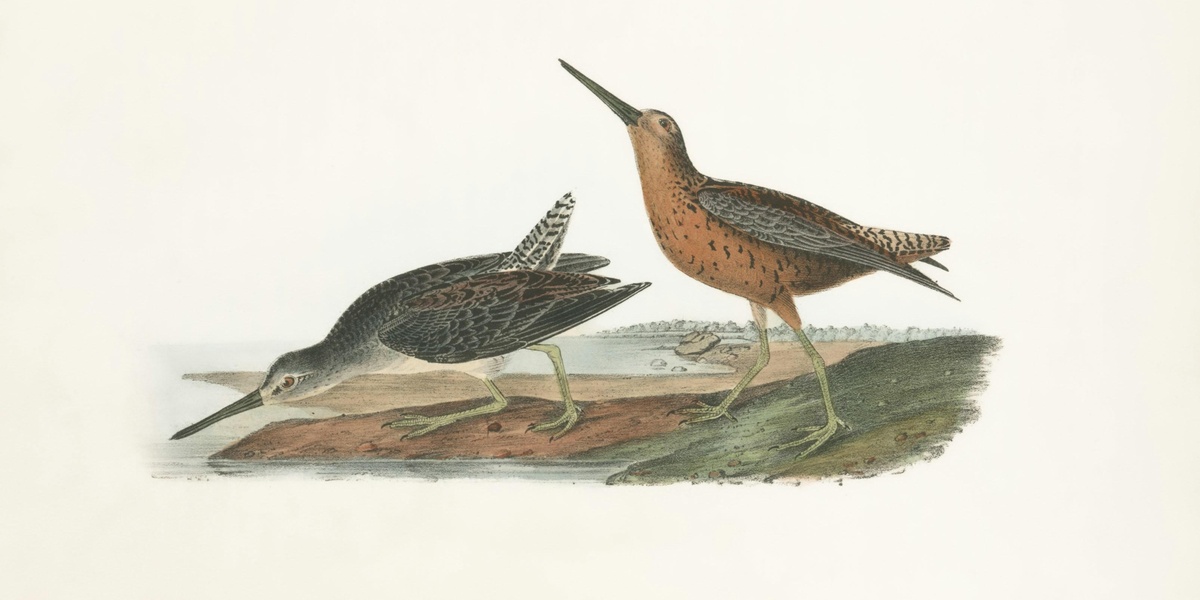
Birds represent one of the most visible and varied groups of animals on Earth. They range from tiny hummingbirds to large flightless species, occupy habitats from city parks to remote islands, and play key roles as pollinators, seed dispersers, predators, and indicators of ecosystem health. Their feathers, songs, and seasonal movements have shaped human culture, art, and science for centuries. Understanding patterns of where different species occur helps conservationists, researchers, and birdwatchers track change and protect important habitats.
Context
Birds evolved from theropod dinosaurs during the Mesozoic era, with early fossils such as Archaeopteryx dating to roughly 150 million years ago. Today there are around 10,000 to 11,000 recognized bird species worldwide, adapted to life in forests, wetlands, grasslands, mountains, and oceans. Many species migrate seasonally, sometimes traveling thousands of kilometres between breeding and wintering areas. Birds are widely used as ecological indicators because population trends and distribution shifts often reflect habitat loss, climate change, and other environmental pressures. Culturally, birds appear in mythology, religion, and literature across regions, while recreational birdwatching and organized citizen-science programs contribute valuable distribution and abundance data.
Scope and coverage
This collection encompasses regional treatments and overviews that focus on which bird species occur within individual constituent countries and their typical habitats. Coverage emphasizes resident and regular migratory species, coastal and inland waterbirds, raptors, forest and grassland specialists, and commonly encountered urban species. Materials present identification basics, range descriptions, habitat associations, and conservation context so readers can grasp how species composition varies by geography and land use. The approach highlights patterns and categories rather than exhaustive inventories, making it useful for comparisons and general reference.
Little-known facts about birds:
- There are roughly 10,000 to 11,000 bird species worldwide, a diversity shaped by millions of years of evolution.
- The peregrine falcon is among the fastest animals in the air, reaching well over 200 miles per hour in hunting dives.
- The smallest living bird, the bee hummingbird, weighs only a few grams, while the heaviest flying species, the great bustard, can weigh more than 15 kilograms.
- Many birds migrate incredible distances; for example, Arctic-breeding species may travel tens of thousands of kilometres between seasons.
- Hollow bones and a lightweight skeleton help reduce body weight for flight, while feathers provide insulation, waterproofing, and lift.
- Egg coloration and patterning arise from specific pigments and structural features, and can help camouflage or signal to parents and predators.