
In 1967, allergist Dr. Leonard Noon helped pioneer controlled allergen desensitization trials, an early sign that allergies could be treated rather than simply endured.
Allergic conditions are common and often misunderstood: more than 50 million Americans are affected by some form of allergy each year (CDC). These misunderstandings lead to missed diagnoses, unnecessary treatments, and real risks for people with severe reactions.
This article calmly debunks 10 common myths about allergies and gives practical guidance you can use: when to see a specialist, how testing should be interpreted, and which treatments are evidence-based.
Medical misunderstandings about allergies

Medical myths about allergic disease cause people to confuse infections with immune reactions, misread test results, and assume predictable outcomes where none exist.
These misunderstandings drive delayed care, repeated courses of unnecessary antibiotics, and anxiety for families. Many of the myths below concern symptoms, testing, and the natural history of allergic conditions—areas where clinical context matters as much as laboratory numbers.
What follows are four common medical myths, each paired with the evidence and clear guidance on what to do next.
1. Myth: Allergies are just a bad cold
Allergies and colds share symptoms, but their causes, timing, and treatments differ. Colds are viral infections that commonly last about 7–10 days and may include fever; allergic rhinitis is an immune response to airborne allergens that can persist for weeks to months during exposure and usually causes itchy eyes and sneezing rather than fever.
Guidelines from the CDC and the American Academy of Allergy, Asthma & Immunology (AAAAI) highlight seasonality and symptom pattern as key clues. For example, hay fever during spring pollen season is classic allergic rhinitis.
Mislabeling allergies as recurrent “colds” often leads to repeated antibiotic prescriptions and missed opportunities for effective therapies such as intranasal corticosteroids or allergen immunotherapy.
Practical takeaway: if symptoms repeat at the same time each year or include prominent itching and watery eyes, see an allergist rather than assuming another viral cold.
2. Myth: You can outgrow every allergy
Some childhood allergies, like milk and egg, are commonly outgrown by school age, but others—such as peanut, tree nut, and shellfish—often persist into adulthood.
Rates of tolerance vary by allergen and by the cohort studied. Because outcomes differ, families should not assume safety without specialist re-evaluation; many centers perform supervised oral food challenges to confirm whether a child has truly outgrown a food allergy.
The treatment landscape is also changing. For example, Palforzia (peanut oral immunotherapy) was approved by the FDA in 2020, offering a new option to reduce reaction risk in selected patients under medical supervision.
Practical takeaway: follow up with a board-certified allergist before stopping emergency medications or removing precautions, and consider supervised testing rather than assuming natural outgrowth.
3. Myth: Allergy tests always give clear answers
Skin-prick testing and blood tests for specific IgE are valuable tools, but they are not definitive on their own. Test accuracy depends on pre-test probability and on the allergen being measured.
False positives occur from cross-reactivity and low-level sensitization in people who do not actually react when exposed. False negatives can occur with non–IgE-mediated allergies. The AAAAI recommends interpreting tests in the context of a careful clinical history.
Practical consequences include unnecessary dietary restrictions and anxiety if a positive blood test is taken as proof of clinical allergy. The diagnostic gold standard for many food allergies remains the supervised oral food challenge.
Example: a patient may have low-level peanut IgE but routinely eat peanut at home without symptoms; in that case, tests alone would be misleading.
4. Myth: Allergies always cause the same symptoms
Allergic reactions range widely: from itchy eyes and sneezing to eczema flares, asthma exacerbations, gastrointestinal symptoms, and life-threatening anaphylaxis.
Because presentations are so varied, caregivers and clinicians can miss non-classic symptoms. For example, oral allergy syndrome produces tingling in the mouth after eating certain raw fruits in people with pollen sensitivity, while systemic anaphylaxis involves cardiovascular collapse and requires immediate epinephrine.
Documenting the pattern, timing, and severity of reactions helps clinicians identify the organ systems involved and determine urgency. If asthma worsens with seasonal exposure or skin disease flares after environmental contact, specialist input can change management.
Causes and trigger myths
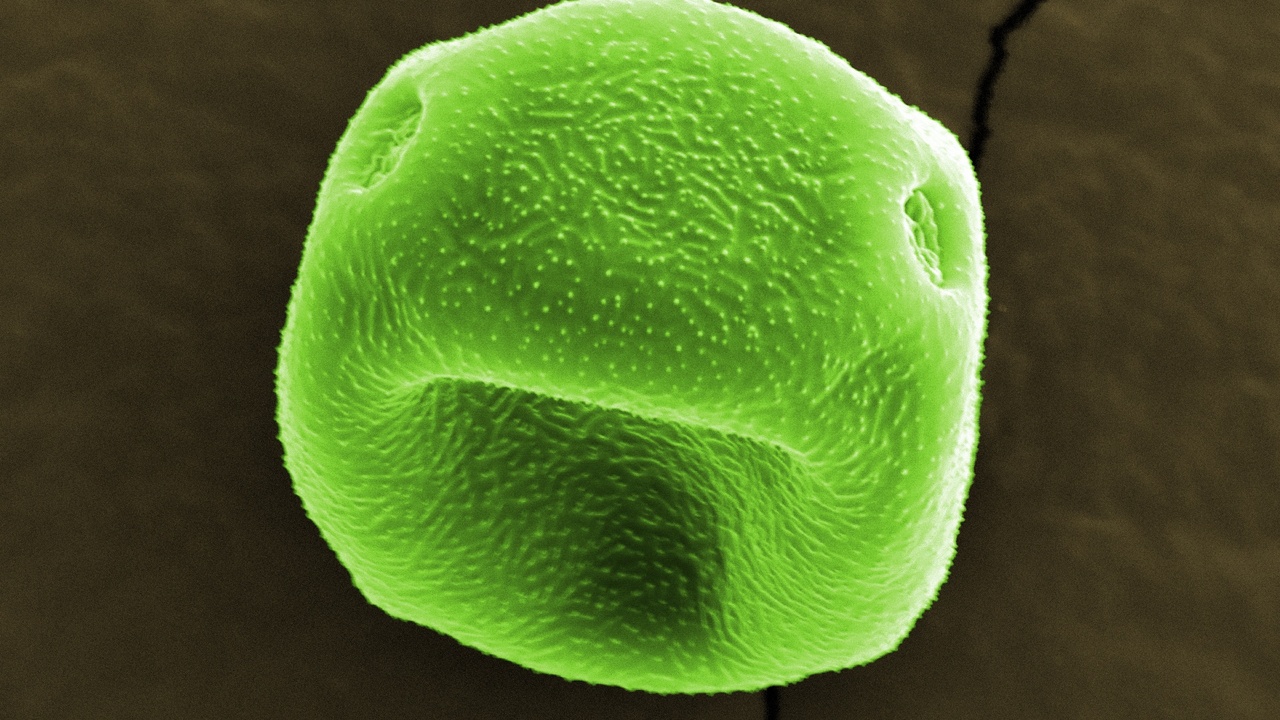
Many myths try to pin allergies on a single cause or promise an easy fix. The reality is multifactorial: genetics, environmental exposures, timing of first exposures, diet, and air pollution all interact to shape immune development.
David Strachan’s 1989 hygiene hypothesis started an important conversation, but later research has refined the idea. Current studies show that the relationship between microbes, early exposures, and allergy risk varies by population and context.
The next three myths focus on how triggers work and what reasonable exposure management looks like.
5. Myth: Modern cleanliness alone caused the allergy epidemic
Strachan’s 1989 paper noted that children with more siblings had lower hay fever rates, spawning the hygiene hypothesis: reduced microbial exposure might raise allergy risk.
Subsequent work shows that hygiene is only one piece of a complex puzzle that includes diet changes, urbanization, pollution, antibiotic use, and genetic susceptibility. Trends in allergy prevalence vary around the world rather than following a single pattern.
For parents, the practical message is moderate: routine cleanliness and hygiene are important for infection control, but extreme sterilization of a child’s environment is not shown to be protective. Research on probiotics and targeted microbial exposures is ongoing and not yet a general prescription.
6. Myth: Pets are always bad for people with allergies — just get rid of them
Pets produce allergenic proteins in dander, saliva, and urine that can trigger symptoms in sensitized people. But early-life exposure to dogs or farm animals has been associated with lower allergy risk in some cohorts.
Studies are mixed and results depend on timing, genetics, and environmental context. For many families, complete rehoming may not be necessary if symptoms are mild and manageable with environmental measures and medication.
Practical strategies include frequent grooming, HEPA filtration, vacuuming with a HEPA-equipped cleaner, and keeping pets out of bedrooms. For severe asthma or uncontrolled allergy, removal may be the safest option.
7. Myth: Food intolerance and food allergy are the same
Food allergy is an immune-mediated reaction that can be IgE-driven and life-threatening. Food intolerance is generally non-immune, such as lactase deficiency causing lactose intolerance, and rarely causes systemic, life-threatening reactions.
Diagnostic pathways differ: suspected IgE-mediated allergy requires allergy testing and potentially a supervised oral food challenge, whereas intolerance may be evaluated with breath tests or dietary trials under guidance.
Practical advice: take suspected food allergies seriously, carry epinephrine if prescribed, and seek specialist testing rather than assuming a digestive symptom always means an allergy or vice versa.
Treatment and prevention myths
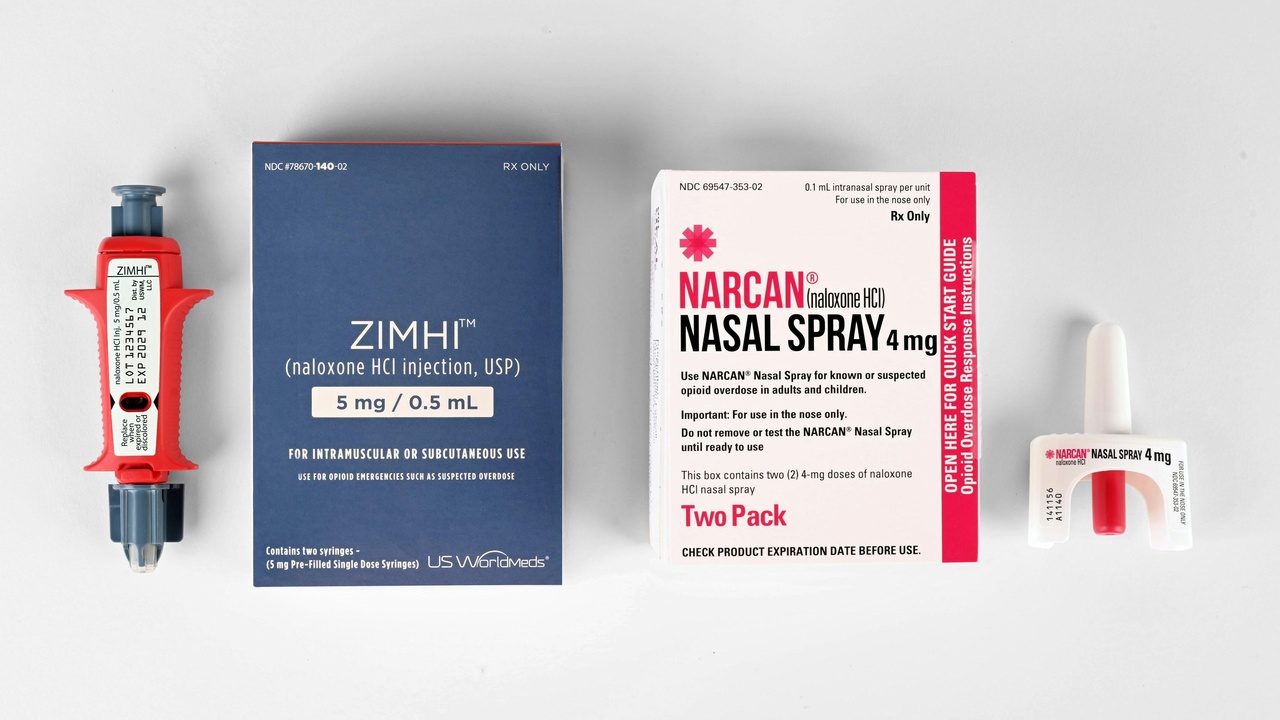
Misconceptions about treatments and “natural” remedies can delay effective care or cause harm. Evidence-based therapies exist across a spectrum from avoidance to immunotherapy and biologics.
Know when over-the-counter options are enough and when a specialist referral is appropriate. Several newer therapies have expanded options for people with moderate-to-severe disease.
The next three myths address common treatment myths and practical steps for safer, more effective care.
8. Myth: Allergies can’t be treated — you just have to suffer
This is not true. Many allergic conditions respond well to evidence-based care, including avoidance, symptom control with medications, allergen immunotherapy, and biologic agents for severe disease.
Immunotherapy, delivered subcutaneously or sublingually, can reduce symptom burden and medication needs for allergic rhinitis and insect-sting allergy. Palforzia (peanut oral immunotherapy) was approved by the FDA in 2020 for select pediatric patients, and monoclonal antibodies such as omalizumab are used for severe allergic asthma and chronic urticaria.
If symptoms interfere with daily life or require frequent rescue medications, a referral to a board-certified allergist can open options that substantially improve quality of life.
9. Myth: Over-the-counter antihistamines are always enough
OTC antihistamines help with itching, sneezing, and hives for many people, but they do not fully address all allergic inflammation. Older sedating agents like diphenhydramine cause drowsiness, while newer non-sedating choices such as cetirizine and loratadine have better daytime tolerability.
Nasal congestion often responds better to intranasal corticosteroids than to antihistamines alone, and eczema requires topical anti-inflammatory treatment. Relying only on OTC antihistamines can leave underlying inflammation uncontrolled and increase the risk of complications such as sinusitis or asthma flares.
Practical guidance: match treatment to symptom type and severity, and consult a clinician if OTC medications provide incomplete relief or if you need frequent dosing.
10. Myth: Natural remedies are safer and equally effective
Some supplements and herbal products have shown promise in small trials, but many lack robust, replicated evidence. Natural products are not regulated like prescription drugs, and studies have found variable dosing and occasional contamination.
Examples include mixed-quality trials of butterbur for seasonal allergy and probiotic studies for eczema prevention. Reports of herbal supplements contaminated with toxic compounds underscore the need for caution.
For true allergies that can cause anaphylaxis, natural remedies are not an alternative to epinephrine and emergency planning. Discuss any supplement use with your clinician and prioritize evidence-based therapies for serious conditions.
Summary
- Testing is a tool, not a verdict: interpret skin and blood results in clinical context and consider supervised oral challenges when appropriate.
- Not all allergies behave the same: some childhood allergies resolve, others persist, and presentations range from mild rhinitis to life-threatening anaphylaxis.
- Effective treatments exist, from nasal steroids and antihistamines to immunotherapy and biologics; consult a specialist for persistent or severe disease.
- Avoid knee-jerk solutions such as rehoming pets or relying solely on unproven natural remedies; use practical mitigation and evidence-based care instead.
- Track symptom patterns and timing, carry and know how to use epinephrine if you have a diagnosed anaphylactic food allergy, and see a board-certified allergist for unclear or recurrent problems related to myths about allergies.