Sudan’s landscape — from Red Sea hills to the Nile plains and remote deserts — hides a wide array of mineral resources that have long influenced local livelihoods and regional trade. Understanding that variety helps make sense of exploration reports, investment notes, and supply chains tied to the country.
There are 34 Minerals in Sudan, ranging from Wolframite (tungsten) to Zinc. For each entry you’ll find below the data organized as Category,Main locations,Production/reserves (t or bbl), so you can quickly compare type, where it’s found, and whether figures refer to tonnes or barrels — you’ll find below.
Where are the main mineral regions in Sudan?
Mineral occurrences cluster in recognizable belts: the Red Sea hills and eastern desert, northern and central shield areas, and localized deposits near river basins and mountainous zones; check the Main locations column in the list below for site-level detail and patterns by commodity.
What does “Production/reserves (t or bbl)” mean and how should I read it?
That column shows either mass (t = tonnes) for solids or volume (bbl = barrels) for liquids, and may present current annual production or estimated reserves—treat values as indicative and look for source notes or dates when comparing entries.
Minerals in Sudan
| Mineral | Category | Main locations | Production/reserves (t or bbl) |
|---|---|---|---|
| Gold | metallic | River Nile State; Red Sea Hills; North Kordofan; Darfur | 70 t/yr (estimate; artisanal+industrial) |
| Crude oil | energy | Muglad Basin; Melut Basin; Heglig area (disputed) | 600,000,000 bbl (est reserves; post‑2011 reduced) |
| Natural gas | energy | Associated with Muglad and Melut basins | unknown t (associated gas; limited commercial use) |
| Chromite | industrial | Red Sea Hills; northeastern Sudan | unknown t (small to medium deposits) |
| Iron ore | metallic | Northern State; Red Sea Hills; Kordofan regions | unknown t (several deposits reported) |
| Manganese | metallic | Kordofan region; parts of Darfur | unknown t (known occurrences) |
| Copper | metallic | Red Sea Hills; eastern desert; Kordofan | unknown t (disseminated and vein deposits) |
| Zinc | metallic | Kordofan; Darfur | unknown t (base-metal occurrences) |
| Lead | metallic | Kordofan; Darfur | unknown t (associated with zinc) |
| Silver | metallic | Associated with gold and base-metal deposits (various regions) | unknown t (byproduct of gold/base metal mining) |
| Nickel | metallic | Kordofan and scattered mafic units | unknown t (lateritic and sulfide targets) |
| Phosphate rock | industrial | River Nile region; central Sudan reports | unknown t (fertilizer potential) |
| Limestone | building material | Khartoum region; River Nile; Red Sea Hills | unknown t (widely quarried) |
| Gypsum | industrial | Northern State; Khartoum area; Red Sea region | unknown t (extensive deposits) |
| Kaolin/clay | industrial | Blue Nile; River Nile; Kordofan | unknown t (multiple deposits) |
| Silica sand (quartz) | industrial | Nile valley plains; Red Sea coastal areas | unknown t (commercial sand and silica reported) |
| Feldspar | industrial | Red Sea Hills; eastern Sudan | unknown t (feldspathic pegmatites) |
| Mica | industrial | Eastern desert and Red Sea Hills | unknown t (pegmatite-hosted) |
| Barite | industrial | Red Sea Hills; River Nile fringe areas | unknown t (vein and sedimentary occurrences) |
| Salt (halite) | industrial | Red Sea coast; salt flats (northern plains) | unknown t (sea and evaporite production) |
| Sulfur | industrial | Associated with hydrothermal/evaporitic systems in east | unknown t (minor occurrences) |
| Coal (lignite) | energy | Kordofan; Nuba Mountains (reported) | unknown t (lignite occurrences) |
| Granite (dimension stone) | building material | Khartoum environs; Red Sea Hills | unknown t (quarrying ongoing) |
| Sandstone (dimension stone) | building material | Northern State; Nile valley exposures | unknown t (sedimentary quarries) |
| Marble | building material | Eastern Sudan and scattered metamorphic belts | unknown t (small deposits) |
| Garnet | gemstone | Red Sea Hills; eastern desert areas | unknown t (gem and abrasive quality) |
| Tourmaline | gemstone | Red Sea Hills; pegmatite zones | unknown t (colourful gem varieties) |
| Beryl/Aquamarine | gemstone | Red Sea Hills; pegmatite occurrences | unknown t (gem-bearing pegmatites) |
| Agate/Onyx | gemstone | River Nile gravels; Red Sea Hills | unknown t (alluvial nodules) |
| Opal | gemstone | Red Sea Hills and eastern desert occurrences | unknown t (small occurrences) |
| Clay refractory/ball clay | industrial | Kordofan; Blue Nile regions | unknown t (clay deposits) |
| Dolomite | industrial | Sedimentary sequences across central Sudan | unknown t (carbonate deposits) |
| Talc | industrial | Metamorphic belts in east and central areas | unknown t (small metamorphic deposits) |
| Wolframite (tungsten) | metallic | Scattered vein occurrences reported in eastern regions | unknown t (minor occurrences) |
Images and Descriptions

Gold
Gold occurs in orogenic and alluvial placer deposits in eastern and central Sudan; used for jewelry, finance and exports. Production is dominated by artisanal mining with growing industrial projects and some government-regulated output.
Crude oil
Crude petroleum is Sudan’s major energy commodity from rift basins. Production has declined since South Sudan split; remaining fields and pipelines support limited export and domestic refining, with ongoing exploration for incremental reserves.
Natural gas
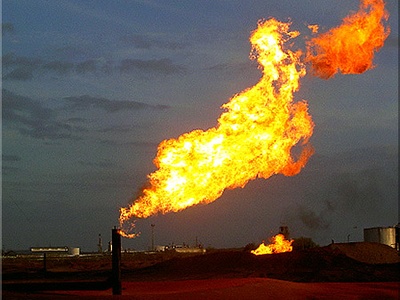
Natural gas occurs mainly as associated gas with oil fields; potential for power generation and fertilizer feedstock exists but commercial development is limited and largely flared or reinjected.
Chromite
Chromite (chrome ore) occurs in ultramafic-hosted lenses in the Red Sea Hills. It is used in stainless steel and ferrochrome production; historically mined locally with sporadic commercial interest.
Iron ore
Iron oxides and hematite deposits occur in banded iron formations and weathered profiles. Potential feedstock for steel; development constrained by infrastructure and market access rather than resource quality.
Manganese
Manganese oxide deposits are reported in west-central Sudan. Used in steel alloys and batteries; small-scale exploration exists but large commercial production is limited.
Copper
Copper occurs in hydrothermal and volcanogenic deposits. It is important for electrical and industrial uses; current production is minimal with exploration-driven interest.
Zinc
Zinc is found with lead and copper in sulfide deposits. Used for galvanizing and alloys; mining activity is limited to exploration and small operations.
Lead
Lead appears in polymetallic sulfide veins. Historically marginally produced; used in batteries and alloys though environmental concerns limit small-scale processing.
Silver
Silver occurs as a byproduct of gold, copper, and lead–zinc ores. Used in jewelry, industrial applications and electronics; production follows larger metal mining operations.
Nickel
Nickel mineralization is reported in ultramafic rocks and lateritic profiles. Potential for stainless steel and battery markets exists but no large-scale production yet.
Phosphate rock
Phosphate deposits occur as sedimentary phosphate-bearing horizons and are targeted for fertilizer manufacture. Exploitation is limited, with potential to support agriculture and local industry.
Limestone
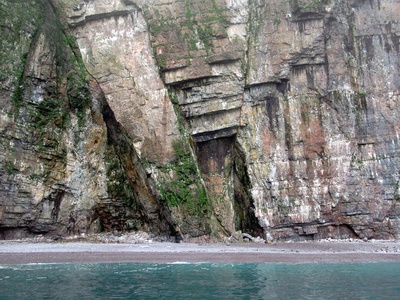
Widespread sedimentary limestone forms the basis of cement manufacture and building stone. Many quarries supply local construction; commercial cement plants use nearby limestone sources.
Gypsum
Gypsum beds are common and used for plaster, drywall and cement additives. Local production supplies construction markets; activity is steady but modest in scale.
Kaolin/clay
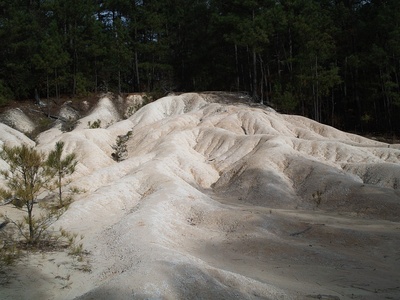
Kaolin and various clays derive from weathered rocks and sediments; used in ceramics, refractories, paper coating and bricks. Mostly quarried for local industries with limited exports.
Silica sand (quartz)
High‑purity silica sands and quartz veins are used in glassmaking, foundries and silica-based industries. Local extraction services construction and small industrial needs.
Feldspar
Feldspar from pegmatites supports ceramic and glass industries as a flux. Occurrences reported in eastern desert regions; production is small and mostly for domestic use.
Mica
Mica occurs in pegmatites and schists; used as insulator, filler in paints and cosmetics. Mining is artisanal to small-scale, supplying niche industrial markets.
Barite
Barite (baryte) is used as drilling mud weighting agent and in paints. Found in hydrothermal veins and sedimentary deposits; local supplies exist but limited commercial mining.
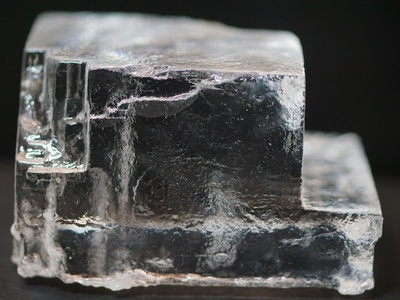
Salt (halite)
Rock salt and sea salt are produced from coastal evaporation and inland salt pans. Used for food, chemical industry and livestock; both artisanal and small commercial operations exist.
Sulfur
Native sulfur and sulfide-bearing zones occur in some hydrothermal settings; used in fertilizers and chemicals. Commercial sulfur production is minimal.
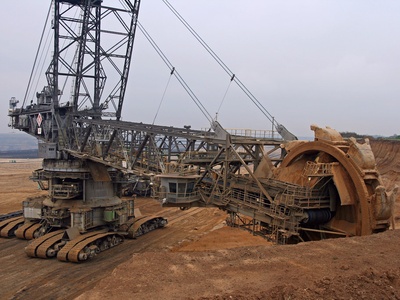
Coal (lignite)
Lignite and coal seams are reported in interior basins and uplands. Coal is suitable for local power or cement kilns but development is limited by infrastructure and environmental concerns.
Granite (dimension stone)
Granite and other intrusive rocks are quarried as dimension stone for buildings and monuments. Local demand for construction quality stone supports small to moderate quarry operations.
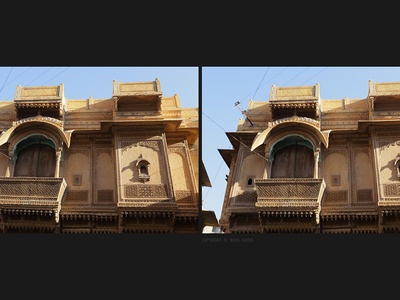
Sandstone (dimension stone)
Sandstone quarried for architecture and construction is widely available in the north. Used locally for building facades, paving and cultural stonework.
Marble
Marble and decorative carbonates occur in metamorphic terrains and are quarried for dimension stone. Production is niche and serves domestic construction and ornamental markets.
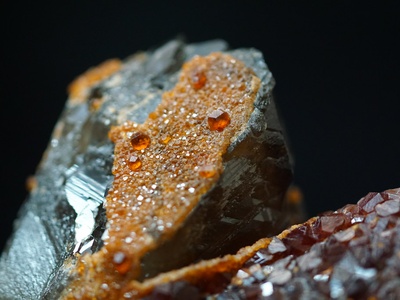
Garnet
Garnet occurs in metamorphic and alluvial deposits; gem-quality stones are prized for jewelry while lower-grade garnet serves as an abrasive. Small-scale artisanal mining supplies gems.
Tourmaline
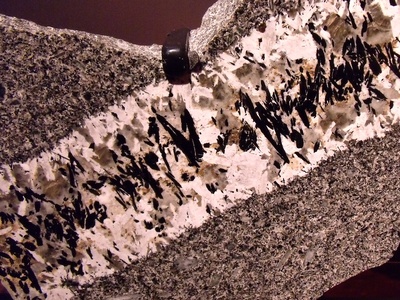
Tourmaline crystals are found in pegmatites in eastern Sudan. Gem varieties attract cutters and collectors; production is artisanal with occasional commercial parcels.
Beryl/Aquamarine
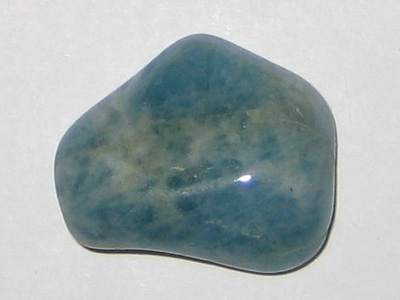
Beryl (including aquamarine) is found in pegmatites in the eastern desert. Gem-quality stones are produced sporadically; mining is small-scale and mainly artisanal.
Agate/Onyx
Agates and banded chalcedony occur in alluvial gravels and volcanic/igneous rocks. They are used for ornamental items and jewelry, mostly produced by artisanal collectors.
Opal
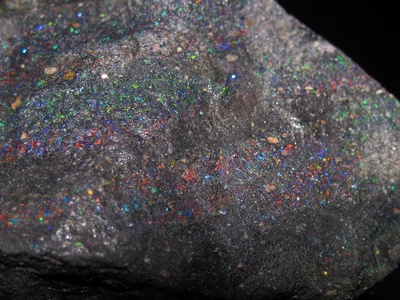
Opal is reported locally in silicified zones and weathered volcanic rocks. Gem-quality opal occurrences are episodic and exploited on a small artisanal scale.
Clay refractory/ball clay
High‑temperature clays suitable for bricks and refractories occur in sedimentary basins. Used by brick and ceramic producers; extraction is primarily for domestic construction markets.
Dolomite
Dolomite rock occurs with limestone in sedimentary basins; used as aggregate, in agriculture and metallurgical fluxes. Development is local and tied to construction demand.
Talc
Talc-bearing metamorphic rocks provide soft mineral for ceramics, paint and plastics fillers. Local occurrences are small and exploited intermittently.
Wolframite (tungsten)
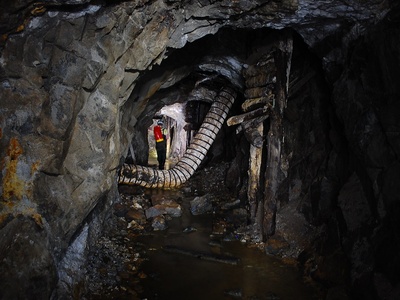
Tungsten minerals like wolframite are reported in vein systems; used in hard metals and tools. Known occurrences have seen limited exploration and no large-scale production.