Saint Vincent and the Grenadines packs a surprising amount of biodiversity into a small island chain. Volcanic peaks, remnant forests and coastal scrub create distinct habitats where species have evolved in isolation.
There are 2 Endemic Species of Saint Vincent and the Grenadines, ranging from the Saint Vincent amazon to the Whistling warbler. For each species you’ll find below Scientific name,Conservation status,Island range so you can quickly see identification, threat level and where each bird occurs — you’ll find below.
Where are the Saint Vincent amazon and the Whistling warbler most likely to be seen?
The Saint Vincent amazon is mostly found in remaining mature forests and upland ridges on Saint Vincent, while the Whistling warbler prefers scrubby edges and lower-elevation habitats; check the Island range column below for precise locations and seasonal variations.
What are the main conservation concerns for these endemic species?
Both species have very limited ranges, which makes them vulnerable to habitat loss, storms and invasive predators; consult the Conservation status column below for current listings and the notes on local protection efforts and monitoring.
Endemic Species of Saint Vincent and the Grenadines
| Name | Scientific name | Conservation status | Island range |
|---|---|---|---|
| Saint Vincent amazon | Amazona guildingii | Endangered (IUCN) | Saint Vincent |
| Whistling warbler | Catharopeza bishopi | Vulnerable (IUCN) | Saint Vincent |
Images and Descriptions
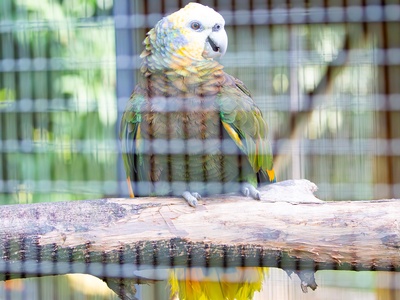
Saint Vincent amazon
Large green parrot with pale beak native to Saint Vincent’s montane rainforests and cloud forests. Feeds on fruits and seeds; endangered from habitat loss, illegal trade, and hurricanes. Protected by local reserves and conservation breeding programs.
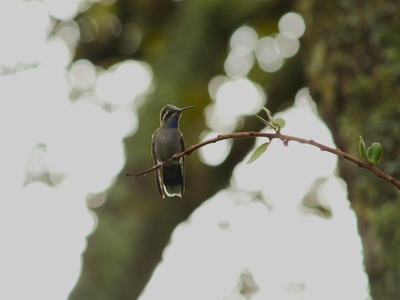
Whistling warbler
Small, secretive songbird found only on Saint Vincent’s humid forests and scrub. Notable metallic, whistling call and terrestrial habits. Vulnerable due to limited range, habitat degradation, and invasive predators; benefits from protected forest and habitat restoration.