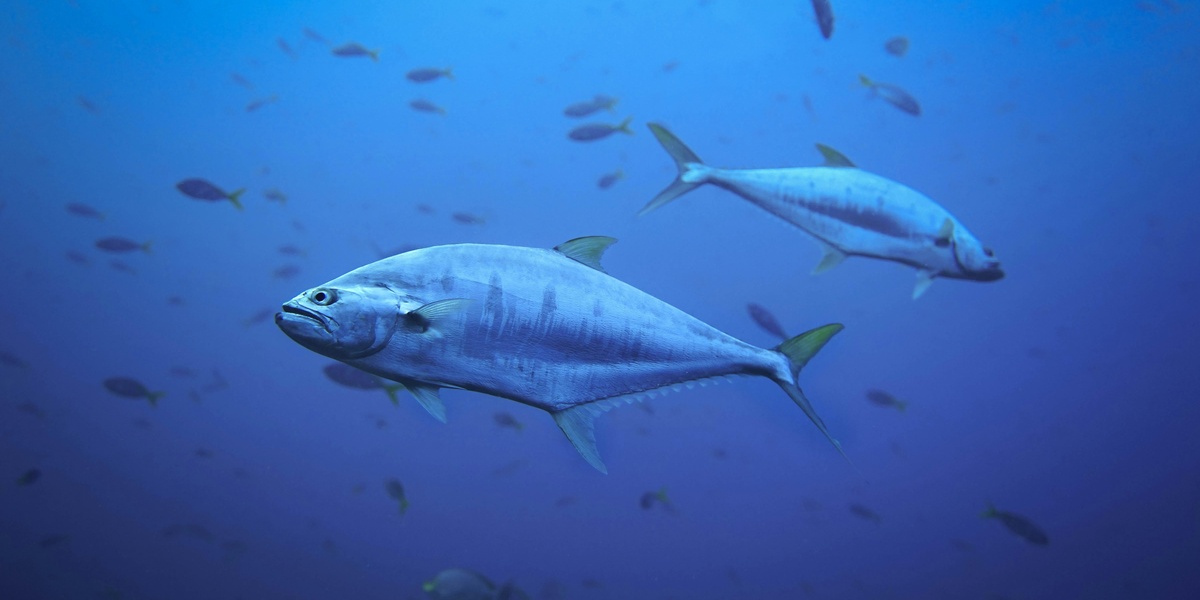
Tonga’s islands sit in the heart of the South Pacific, where reefs, forests and ocean resources shape daily life and the economy. Local communities rely on what the land and sea provide for food, construction and small-scale trade, so listing those assets helps with planning and sustainable use.
There are 16 Natural Resources of Tonga, ranging from Coastal beaches & sand to Tuna. Each entry is summarized using the columns Type,Common measure (amount & unit),Where found so you can quickly see what the resource is, how it’s measured and where it occurs — you’ll find below.
Which natural resources support most Tongan households?
Subsistence agriculture (root crops and fruit), small-scale fishing—especially tuna and nearshore catches—and coastal materials for building are the primary everyday supports. The list below highlights these alongside less common resources so you can spot what’s locally important versus what’s commercially exploited.
How should I interpret the measures and locations listed?
Treat the Common measure and Where found columns as a starting point: quantities are often estimates and locations may be regional rather than site-specific. For decisions or projects, cross-check with recent government reports or local surveys cited in the sources.
Natural Resources of Tonga
| Name | Type | Common measure (amount & unit) | Where found |
|---|---|---|---|
| Tuna | Marine | est. 2,000 t/year (EEZ catch) | Tonga EEZ; offshore waters around Vava’u, Ha’apai |
| Reef fish | Marine | est. 1,000 t/year (coastal catch) | Fringing reefs around main and outer islands |
| Sea cucumber (bêche-de-mer) | Marine | est. 50–200 t/year (wild harvest, variable) | Nearshore reefs and lagoons, outer islands |
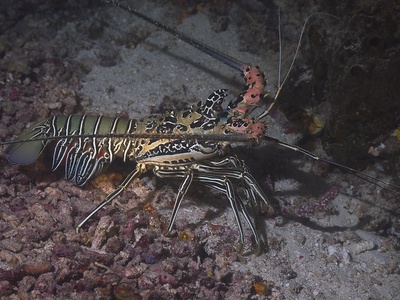
| Spiny lobster | Marine | est. 10–50 t/year (domestic landings) | Lagoon and fringing reefs around outer islands |
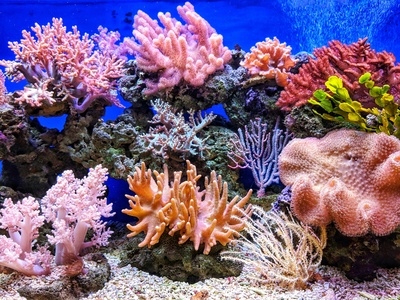
| Coral reefs | Coastal | reef area est. 1,000+ km2 (coastal and outer reef zones) | Fringing and barrier reefs around Tongatapu, Vava’u, Ha’apai |
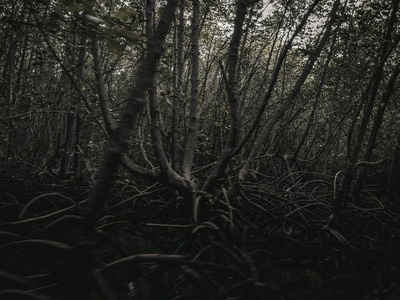
| Mangrove forests | Forestry | est. 1,000 ha (scattered stands) | Sheltered coasts and river mouths, Tongatapu, Vava’u |
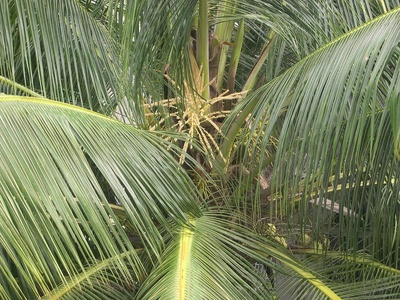
| Coconuts (copra/coconut products) | Agriculture | est. 20,000 t/year (nuts/est.) | All main and outer islands, extensive plantations |
| Taro and yams | Agriculture | est. 20,000 t/year (combined tubers) | Gardens across main islands and outer islands |
| Kava | Agriculture | est. 500–2,000 t/year (fresh roots, variable) | Cultivated gardens, especially Tongatapu, Vava’u |
| Native timber & forest resources | Forestry | native forest patches est. 5,000 ha | Steeper inland areas on main islands |
| Sand, coral sand & construction aggregates | Mineral | local production est. 10,000–50,000 m3/year | Coastal beaches and quarried volcanic rock sites |
| Groundwater (freshwater lens) | Water | local lens yield est. 500–5,000 m3/year per island (variable) | Low-lying reef islands and coastal plains (Tongatapu) |
| Rainwater (harvested) | Water | household tanks 1,000–50,000 L capacity typical | Nationwide; common on outer islands |
| Solar energy potential | Energy | est. rooftop/utility PV 10–20 MW potential | Nationwide rooftops and open land |
| Geothermal potential (volcanic heat) | Energy | prospective resource; small-scale MW potential | Volcanic islands (Tonga arc, Tofua, Late) |
| Coastal beaches & sand | Coastal | beach front kilometers (numerous) | Tongatapu, Vava’u, Ha’apai outer islands |
Images and Descriptions
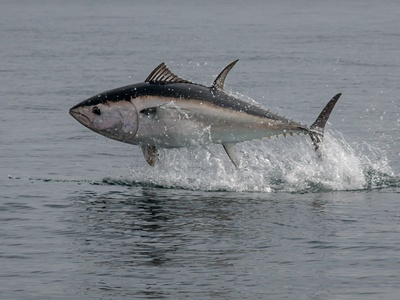
Tuna
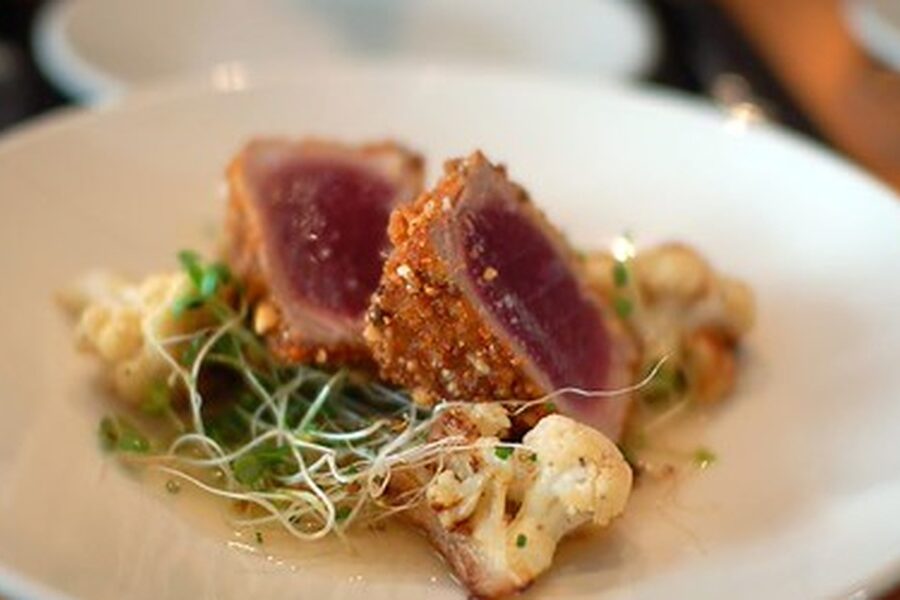
Tuna (albacore, yellowfin, skipjack) are the highest-value wild fish resource in Tonga’s EEZ. They support commercial longline fisheries, foreign access fees, and local livelihoods but are subject to stock management and distant-water fishing pressure.
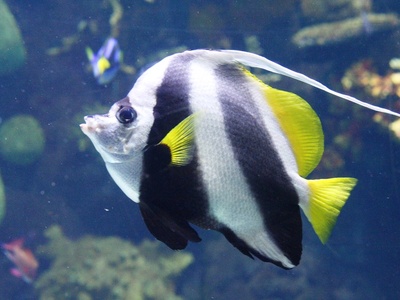
Reef fish
Diverse reef fish (groupers, snappers, parrotfish) provide daily protein and local markets. Reefs are biologically productive but face overfishing, habitat loss and coral bleaching risks that threaten food security and tourism.
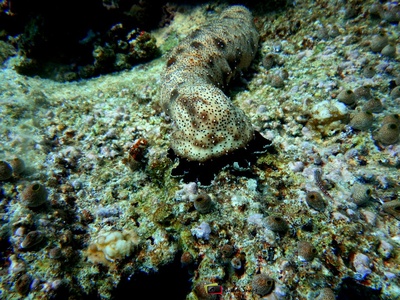
Sea cucumber (bêche-de-mer)
Sea cucumbers are harvested for export (bêche-de-mer) and offer high income for fishers. Stocks have been reduced by overharvest; management and seasonal closures aim to rebuild populations and conserve reef health.
Spiny lobster
Spiny lobster supports local consumption and small-scale commercial sales. Lobster populations are sensitive to reef degradation and overfishing; size limits and closed seasons are used to protect breeding stocks.
Coral reefs
Coral reef ecosystems are vital for fisheries, coastal protection and tourism. Tonga’s reefs host rich biodiversity but are threatened by warming oceans, cyclones and coastal development, affecting livelihoods and shoreline stability.
Mangrove forests
Mangroves stabilize shorelines, support juvenile fish species and store carbon. Though limited in area compared with larger countries, Tongan mangroves are important for coastal resilience and community subsistence resources.
Coconuts (copra/coconut products)
Coconuts are a traditional cash and subsistence crop. Copra and coconut derivatives provide income, local food and fuel. Production fluctuates with market demand, extreme weather and tree age structure.
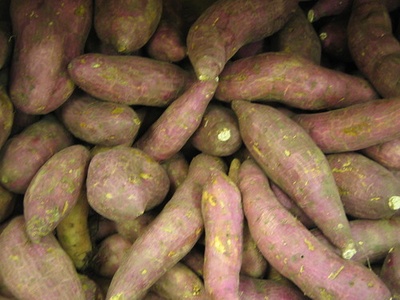
Taro and yams
Taro and yams are staple root crops central to Tongan diets, culture and roadside markets. They require fertile soils and freshwater access; pests, soil erosion and cyclones threaten yields and food security.
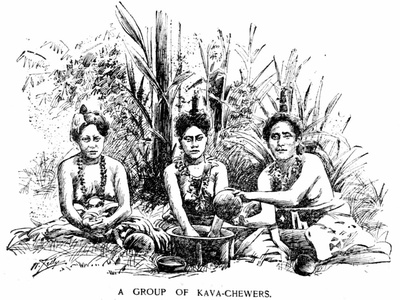
Kava
Kava (Piper methysticum) is a culturally important psychoactive root and growing export crop. It provides cash income but faces market fluctuations, quality control issues and land-use competition with subsistence crops.
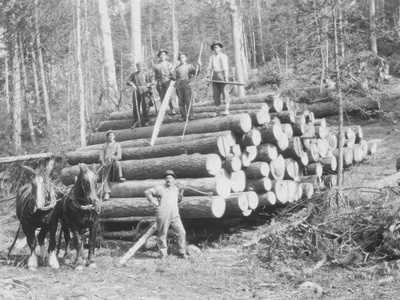
Native timber & forest resources
Small native forest remnants supply timber, medicinal plants and cultural materials. Forests have been reduced by clearing and introduced species; remaining patches are important for biodiversity and watershed protection.

Sand, coral sand & construction aggregates
Beach sand, coral sand and volcanic rock are used for coastal and building construction. Extraction supports local construction but can degrade beaches, coral habitats and increase erosion if unmanaged.
Groundwater (freshwater lens)
Shallow freshwater lenses beneath islands supply drinking water and irrigation. They are vulnerable to over-extraction, saltwater intrusion and contamination, making rainwater harvesting and careful management essential.
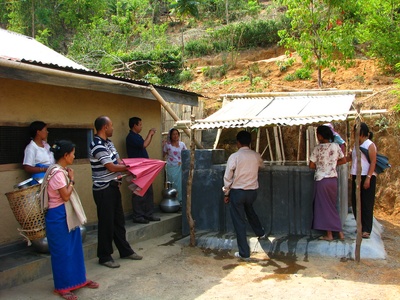
Rainwater (harvested)
Rainwater collection is a primary potable water source, especially on smaller islands without groundwater. Systems reduce dependence on limited aquifers but are sensitive to droughts and cyclone damage.
Solar energy potential
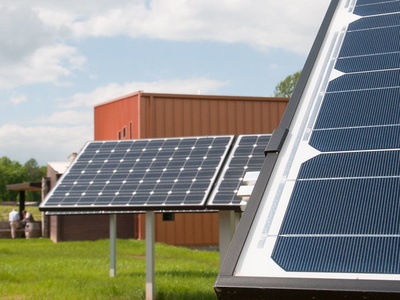
High solar irradiance across Tonga makes solar PV a practical renewable energy resource. Solar reduces diesel dependence for electricity; deployment is increasing but requires storage and grid upgrades for reliability.
Geothermal potential (volcanic heat)
Active volcanism suggests geothermal energy potential on some islands. Resource identification is at an early stage; development would offer baseload renewable power but requires exploration and environmental assessment.
Coastal beaches & sand
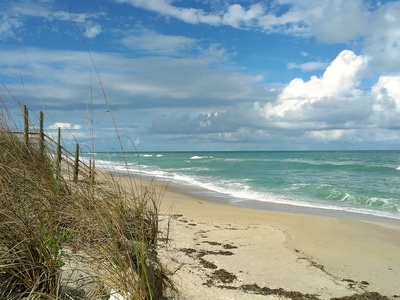
Beaches are natural assets for tourism, local recreation and coastal protection. Beach sand supports ecosystems and livelihoods but is threatened by erosion, sea-level rise and unsustainable sand removal.