Georgia’s varied terrain—from coastal marshes and river valleys to Piedmont hills and the Blue Ridge—supports a broad mix of materials, soils, and ecosystems that shape the state’s economy and land use. A quick look at what’s available helps residents, planners, and businesses see where resources are concentrated and how they’re used.
There are 22 Natural Resources of Georgia, ranging from Alluvial soils & fertile lowlands to Sand & Gravel (aggregate). For each entry the data are organized with Type,Main location,Scale & use (units) so you can compare what exists, where it’s found, and typical production or application — see the full list you’ll find below.
How were the items chosen for this list?
Items are included based on commonly reported geological, agricultural, and industrial materials and ecosystems documented in state surveys and resource assessments; the aim was to cover resources that are mapped, produced, or managed at a recognizable scale in Georgia.
Can this list help with local planning or investment decisions?
Yes—by summarizing where each resource occurs and its typical scale and use, the list provides a starting point for site selection, environmental review, or feasibility checks, but you should follow up with local maps, permits, and current production data for decisions.
Natural Resources of Georgia
| Name | Type | Main location | Scale & use (units) |
|---|---|---|---|
| Manganese | Mineral | Chiatura basin and Imereti region (country) | Est. reserves 100+ million tonnes; steel alloys, ferroalloys |
| Copper | Mineral | Bolnisi, Kazreti, Kvemo Kartli (country) | Est. resources hundreds of thousands–millions tonnes Cu; electrical, construction |
| Gold | Mineral | Bolnisi, Sakdrisi area, various alluvial sites (country) | Est. production hundreds of kg–tonnes/year; jewelry, investment, electronics |
| Oil (petroleum) | Energy | Samgori, Absheron foreland and Black Sea shelf (country) | Onshore fields smaller; offshore potential est. millions of barrels; fuels, petrochemicals |
| Natural gas | Energy | Kvemo Kartli, Black Sea offshore prospects (country) | Small onshore production; offshore potential billions of m³; heating, power |
| Coal (lignite/bituminous) | Energy | Tkibuli, Zestafoni and western basins (country) | Est. reserves millions tonnes; electricity, local industry |
| Barite | Mineral | Western Georgia and Lesser Caucasus outcrops (country) | Est. tens of thousands tonnes; drilling mud, weighting agent in oil/gas |
| Limestone & Marble | Mineral | Multiple regions incl. Imereti, Kvemo Kartli (country) | Quarry reserves millions m³; construction, cement, decorative stone |
| Mineral & Thermal Springs | Water | Borjomi, Tbilisi, many mountain locales (country) | Thousands of springs; bottling, tourism, therapeutic uses (litres/year) |
| Hydropower (river energy) | Energy | Rioni, Kura/Mtkvari, Enguri and mountain rivers (country) | Installed ~3,000 MW; annual gen est. ~10,000 GWh; electricity |
| Chromite & related oxides | Mineral | Southeast and Lesser Caucasus outcrops (country) | Small–medium deposits; metallurgical and refractory uses (tonnes) |
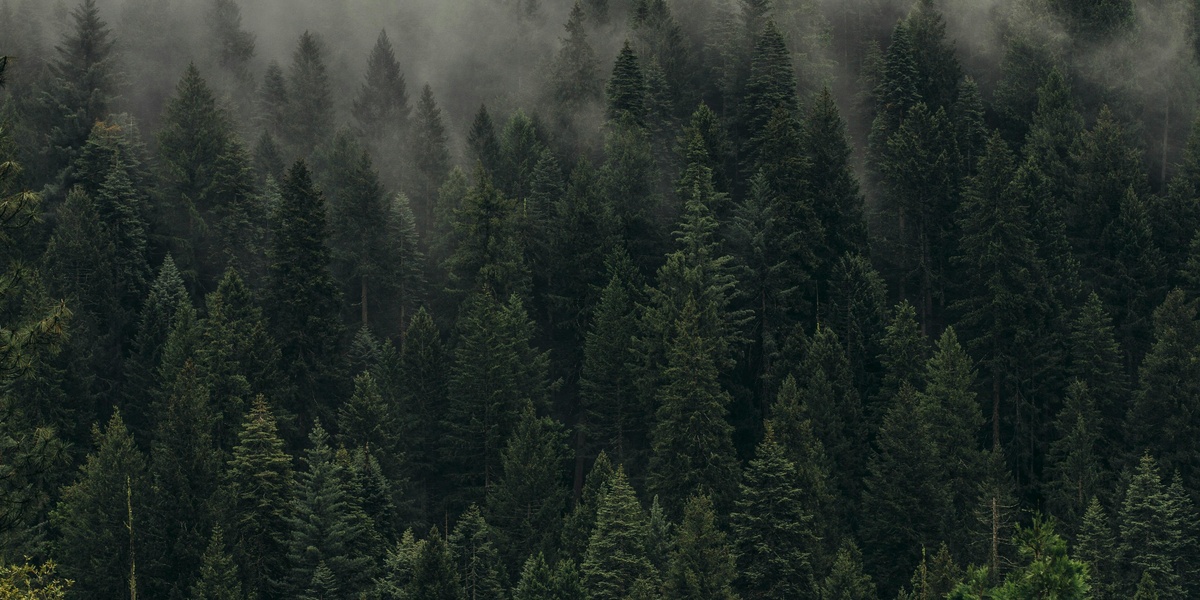
| Forest timber (mixed) | Forest | Greater Caucasus forests, Colchic lowland, Lesser Caucasus (country) | Forest cover ~40% in some regions; timber, fuelwood, biodiversity services (km²) |
| Kaolin (china clay) | Mineral | Sandersville-Washington area (US state) | Production ~3–5 million tonnes/year; paper, ceramics, paint |
| Granite (dimension stone) | Mineral | Elberton and north-central quarries (US state) | Production ~400,000 tonnes/year; monument and building stone |
| Sand & Gravel (aggregate) | Mineral | Statewide, Coastal Plain and river terraces (US state) | Production ~20 million tonnes/year; construction aggregate, concrete |
| Limestone & Dolomite | Mineral | North Georgia mountains and Piedmont quarries (US state) | Production ~5 million tonnes/year; cement, road base, agriculture |
| Forest timber (pine/hardwood) | Forest | Statewide; major tracts in Coastal Plain & Piedmont (US state) | Forest cover ~24 million acres (~9.7 million ha); timber, pulp, ecosystem services |
| Coastal fisheries (shrimp, oyster) | Fishery | Atlantic coast and estuaries (US state) | Commercial landings thousands tonnes/year; shrimp, oysters, blue crab |
| Freshwater fisheries (trout, bass) | Fishery | Mountain streams and reservoirs (country & US state) | Recreational and small commercial catches; species support tourism |
| Groundwater aquifers | Water | Kura plain, Colchis lowland (country); Floridan aquifer system (US state) | Major municipal/agricultural supply; withdrawals hundreds–thousands MCM/year |
| Alluvial soils & fertile lowlands | Soil | Kolkhida/Colchis plain (country); Coastal Plain (US state) | Extensive agricultural soils over thousands km²; high productivity |
| Peat & organic soils | Soil | Kolkheti marshes (country); Okefenokee-adjacent wetlands (US state) | Peat deposits tens–hundreds km²; carbon store, habitat |
Images and Descriptions
Manganese
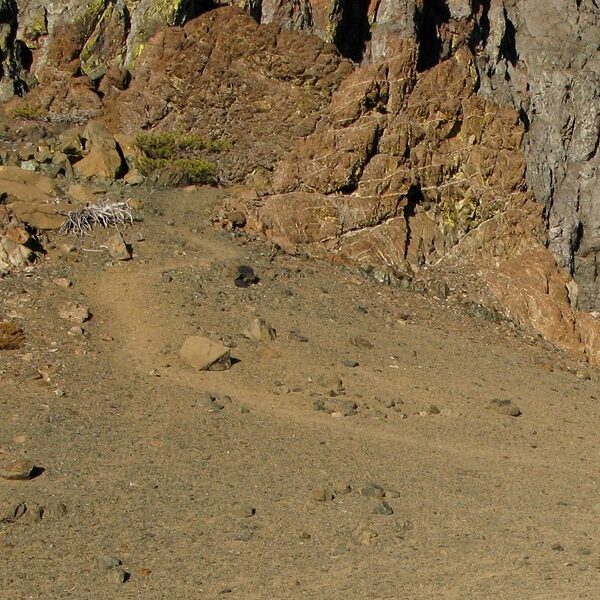
Georgia is famous for large manganese deposits around Chiatura, historically among the world’s biggest. Essential for steelmaking and alloys; mining has driven local economies while reclamation and pollution control remain ongoing environmental concerns.

Copper
Copper-bearing deposits in southern Georgia support mining and concentrate production. Important for electrical wiring and industry; exploration continues, with environmental monitoring and community impacts central to permitting.

Gold
Gold occurs as vein and placer deposits; small-to-medium mines produce concentrate and dore. Economically valuable for export and local jobs, but operations often raise water quality and heritage preservation concerns.
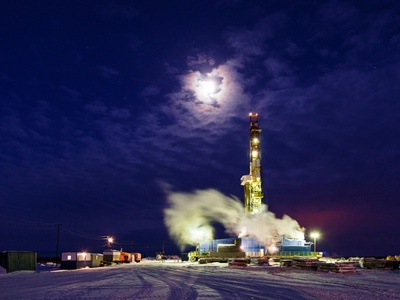
Oil (petroleum)
Georgia has modest onshore oil fields and growing offshore exploration in the Black Sea. Domestic output is limited; most refined products are imported, so oil is strategically important for energy and transit.
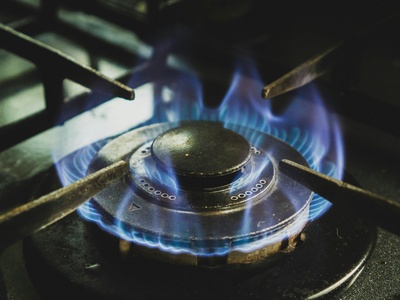
Natural gas
Onshore gas production is modest; offshore basins hold promising resources. Natural gas is key for heating and power, and new discoveries could reduce reliance on imports.
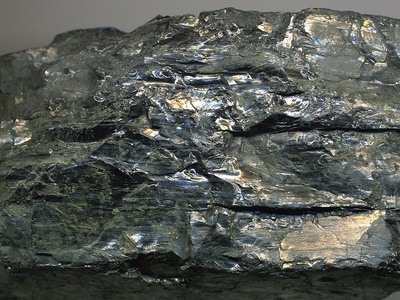
Coal (lignite/bituminous)
Georgia holds coal deposits used historically for power and industry. Production declined, but coal remains an energy-resource legacy with environmental and reclamation issues.
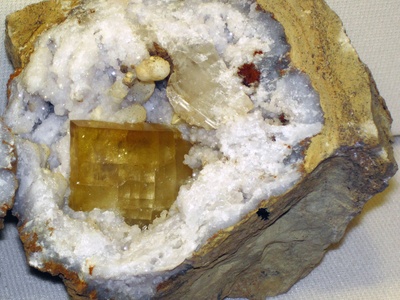
Barite
Barite occurs in vein deposits and is used primarily in drilling fluids. Local deposits supply regional industry, with mining often small-scale and geographically focused.
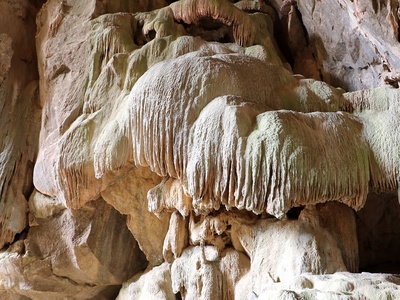
Limestone & Marble
Georgia has abundant building stones and decorative marble used domestically and exported. Quarrying supports construction but requires landscape and water management.
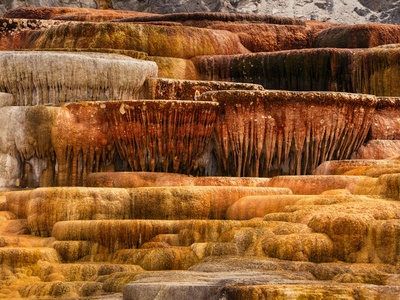
Mineral & Thermal Springs
Georgia’s mineral and thermal waters (Borjomi, Nabeglavi) are globally renowned for bottling and spa tourism. These natural springs have cultural and economic importance; sustainable extraction is monitored to protect sources.
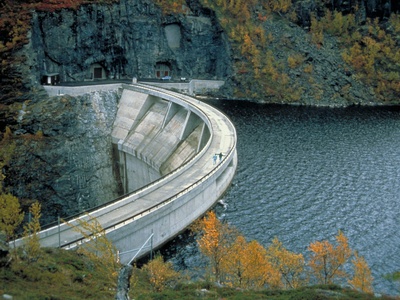
Hydropower (river energy)
Mountain rivers give Georgia high hydropower potential and current generation capacity. Hydropower supplies most domestic electricity, drives exports, but dam projects raise ecological and social concerns.

Chromite & related oxides
Chromite occurrences support limited domestic use in stainless steel and refractory materials. Deposits are less extensive than manganese or copper but locally important for industry.
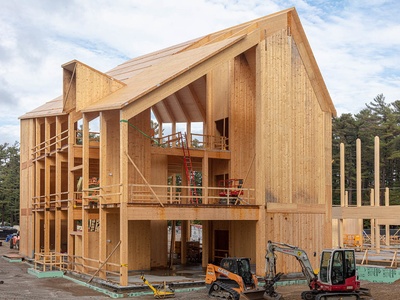
Forest timber (mixed)
Georgia’s diverse forests supply timber, fuel, and ecosystem services. Beech, oak and conifer stands are economically and ecologically important; conservation addresses logging, biodiversity and wildfire risks.
Kaolin (china clay)
East-central Georgia (US) is a world-class kaolin province. Kaolin is a cornerstone of the state’s mining economy, used in paper, ceramics and coatings; operations require careful water and land reclamation.
Granite (dimension stone)
Elberton-area granite is famed for dimension stone and monuments. Quarrying is a longstanding local industry with export markets; visual impacts and dust control are key environmental issues.
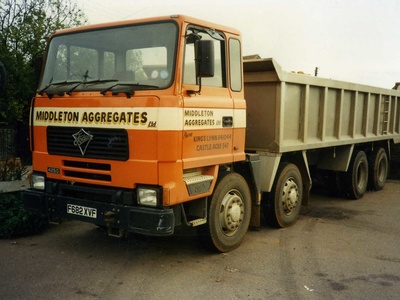
Sand & Gravel (aggregate)
Sand and gravel are widely extracted across Georgia for construction. These aggregates underpin infrastructure but mining can affect watercourses, wetlands and land use.
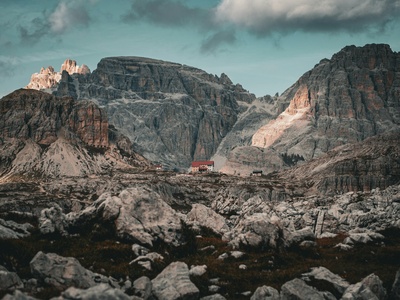
Limestone & Dolomite
Limestone and dolomite supply construction, lime for agriculture and cement. Karst landscapes and quarry impacts require management to protect groundwater and habitats.
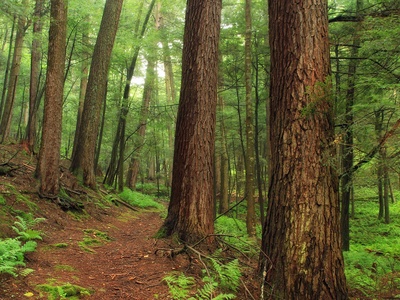
Forest timber (pine/hardwood)
Georgia (US) is heavily forested with loblolly and longleaf pine plantations and hardwoods. Forestry supports timber, paper and bioenergy; sustainable management and biodiversity conservation are priorities.
Coastal fisheries (shrimp, oyster)
Georgia’s coastal fisheries support commercial shrimping, oyster aquaculture and crab harvests. These resources support local economies and recreation, while facing pressures from water quality and habitat loss.
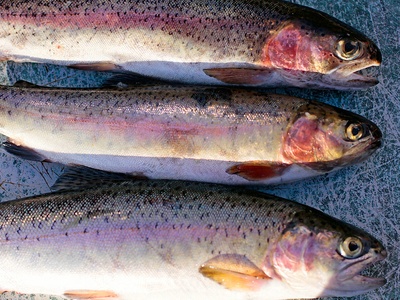
Freshwater fisheries (trout, bass)
Mountain rivers in both Georgias host trout and other gamefish; reservoirs and lakes support bass fisheries. These fisheries have high recreational value and conservation focus on water quality and habitat.
Groundwater aquifers
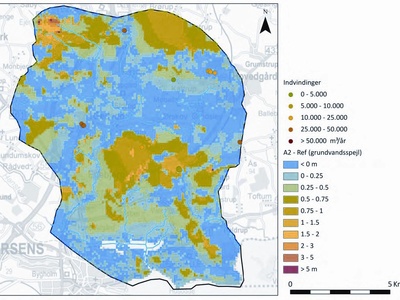
Both Georgias rely on groundwater aquifers for drinking water and irrigation. The Floridan aquifer supports coastal Georgia (US); managing recharge, contamination and overuse is critical.
Alluvial soils & fertile lowlands
Rich alluvial soils in Georgia (country) and the Coastal Plain (US) underpin fertile landscapes and natural wetlands. Soils support ecosystem productivity and require erosion and salinity management.
Peat & organic soils
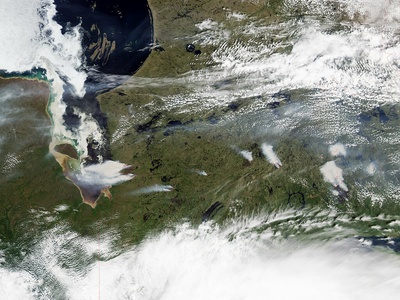
Peatlands in western Georgia and southeastern US are important carbon stores and biodiversity hotspots. They are sensitive to drainage and peat extraction, with conservation and climate implications.