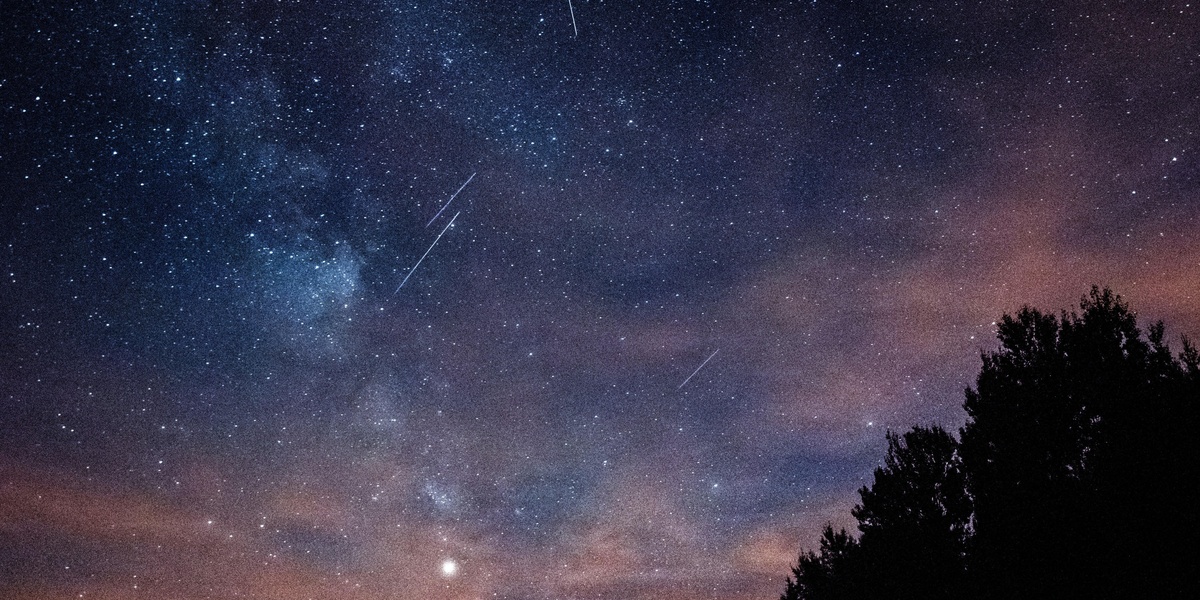
From backyard spots to dark‑sky parks, a little planning can turn a casual evening into a night of swift streaks and steady observing. Knowing which showers peak when — and what to expect from each — helps you pick the best nights and locations to watch the sky.
There are 27 Meteors, ranging from Alpha Capricornids to Ursids. For each entry you’ll find below the columns Type,Peak date(s),Velocity (km/s),ZHR (per hr) so you can quickly compare origins, timing, typical speed, and expected hourly rates to plan your viewing; you’ll find below.
When is the best time of night and month to watch these meteor showers?
Aim for the nights around each shower’s listed peak date, and watch after local midnight into the pre-dawn hours when your hemisphere faces the incoming particle stream; choose a dark site away from lights, check the moon phase and local weather, and allow your eyes 20–30 minutes to adapt for the best chance to see more meteors.
How should I use the table to prioritize which showers to observe?
Use ZHR to gauge typical activity, Velocity to know how fast meteors will appear (fast ones leave longer trails), and Peak date(s) to schedule nights; combine that with moon brightness and your available observing windows to pick the showers most likely to produce visible activity for your location.
Meteors
| Name | Type | Peak date(s) | Velocity (km/s) | ZHR (per hr) |
|---|---|---|---|---|
| Quadrantids | Shower | Jan 3–4 | 41 | 120 |
| Lyrids | Shower | Apr 22 | 49 | 18 |
| Eta Aquariids | Shower | May 5–6 | 66 | 60 |
| Camelopardalids | Shower | May 24 | 17 | varies |
| Arietids | Shower | Jun 7 | 39 | 60 |
| June Bootids | Shower | Jun 27–28 | 18 | varies |
| Delta Aquariids (S) | Shower | Jul 28–Aug 1 | 41 | 20 |
| Alpha Capricornids | Shower | Jul 30–Aug 2 | 23 | 5 |
| Perseids | Shower | Aug 12 | 59 | 100 |
| Southern Delta Aquariids | Shower | Jul 29 | 41 | 20 |
| Draconids | Shower | Oct 8 | 20 | varies |
| Orionids | Shower | Oct 21–22 | 66 | 20 |
| Taurids (Southern) | Shower | Nov 5–12 | 28 | 5 |
| Taurids (Northern) | Shower | Shower peak Nov 11–12 | 29 | 5 |
| Leonids | Shower | Nov 17–18 | 71 | varies |
| Geminids | Shower | Dec 13–14 | 35 | 120 |
| Ursids | Shower | Dec 22–23 | 33 | 10 |
| Coma Berenicids | Shower | Dec 14 | 65 | 5 |
| Monocerotids | Shower | Dec 9 | 41 | 5 |
| Sigma Hydrids | Shower | Nov 23 | 58 | 5 |
| Piscids? (Southern) | Shower | Apr 20 | 29 | 5 |
| Chelyabinsk | Event/bolide | Feb 15, 2013 | 19 | varies |
| Tunguska | Event/bolide | Jun 30, 1908 | 15 | varies |
| Sikhote‑Alin | Event/bolide | Feb 12, 1947 | 14 | varies |
| Tagish Lake | Event/bolide | Jan 18, 2000 | 12 | varies |
| Peekskill | Event/bolide | Oct 9, 1992 | 14 | varies |
| Park Forest | Event/bolide | Mar 26, 2003 | 14 | varies |
Images and Descriptions
Quadrantids
A strong winter shower best seen from northern mid-latitudes around Jan 3–4. Short sharp peak with many bright meteors and occasional fireballs. Notable for brisk, brief maxima and clear-sky planning; parent body is asteroid 2003 EH1.
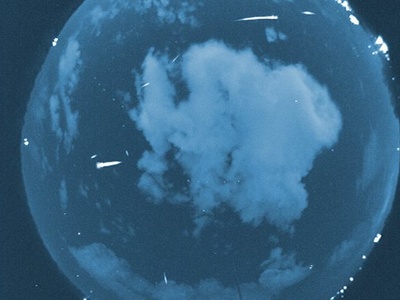
Lyrids
Spring shower visible in both hemispheres from a radiant near Lyra. Produces fast, occasionally bright meteors around Apr 22. Historic outbursts recorded for millennia; good for late-night to pre-dawn observers in April.
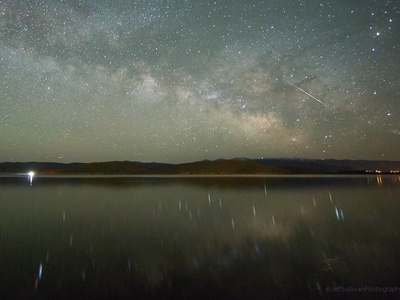
Eta Aquariids
A fast, bright shower from Halley’s Comet best seen pre-dawn in the Southern Hemisphere and low in the north. Peak around May 5–6 yields swift meteors; excellent for southern sky watchers and early-morning viewing.
Camelopardalids
A slow, fragile-meteor shower noted for an unexpected 2014 outburst. Best for northern observers late May; usually weak but can surprise with brief activity when Earth crosses dust streams from comet 209P/LINEAR.
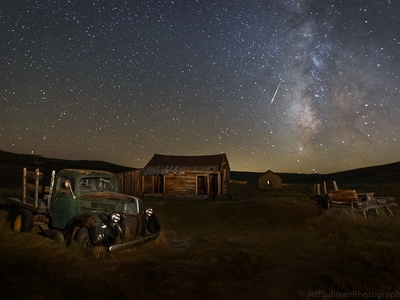
Arietids
A strong daytime shower peaking around June 7, visible mainly via radar or low-sun-angle twilight. Produces many bright meteors seen from both hemispheres; excellent for daytime meteor studies rather than casual night-sky watching.
June Bootids
A variable, often weak shower from comet 7P/Pons–Winnecke that produced dramatic outbursts (e.g., 1998). Best viewed late June from northern and southern mid-latitudes; expect low average rates but possible surprises.

Delta Aquariids (S)
A summer shower strongest in the Southern Hemisphere, peaking late July. Produces moderately fast meteors from a low southern radiant; good for summer evenings and southern-latitude observers.
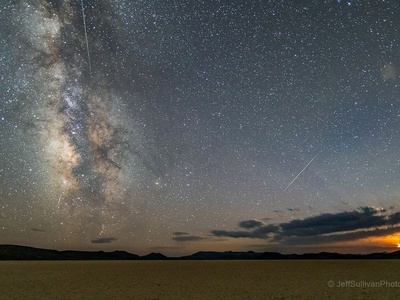
Alpha Capricornids
A slow, scarce shower peaking around late July with unusually bright fireballs and long-lasting trails. Best seen from both hemispheres in late July to early August; parent comet is 169P/NEAT.
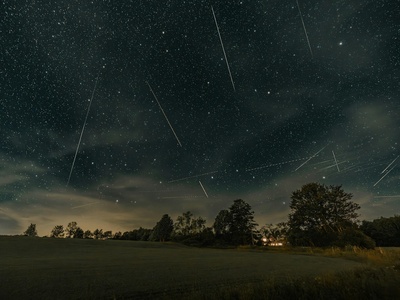
Perseids
One of the most popular summer showers for northern observers, peaking Aug 12 with many bright, fast meteors and often numerous persistent trains. Excellent for family-friendly viewing; active in mid-August evenings and pre-dawn.
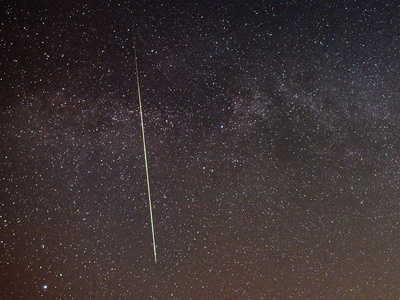
Southern Delta Aquariids
Similar to the Delta Aquariids above, often listed as southern component peaking Jul 29. Best seen from southern latitudes with steady rates of moderate-speed meteors under dark summer skies.
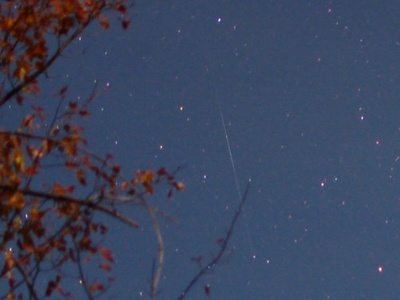
Draconids
A slow, northern shower that can suddenly explode into spectacular outbursts (notable storms in 1933 and 1946). Peak around Oct 8 favors early evening viewing from northern latitudes; otherwise usually weak and unpredictable.
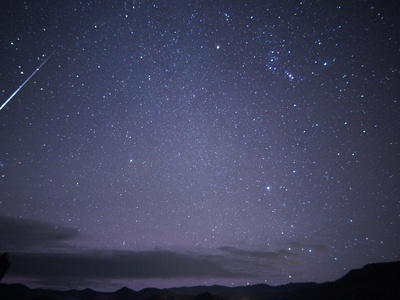
Orionids
Fast meteor shower from Halley’s Comet peaking late Oct, visible from both hemispheres with best views pre-dawn. Produces bright, swift meteors and occasional fireballs; great for late-October skywatching.
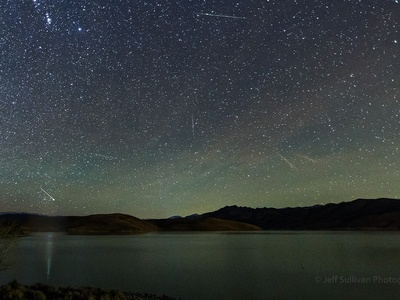
Taurids (Southern)
A long‑lasting, slow-moving stream active through autumn with modest hourly rates but many bright fireballs. Southern Taurids peak in early November; best for observers watching for rare, large bolides.
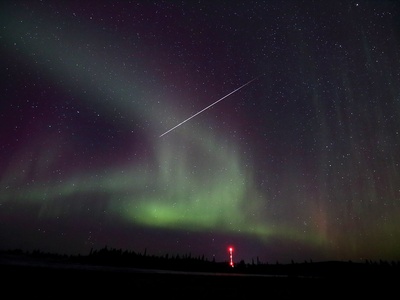
Taurids (Northern)
Northern Taurids peak around Nov 11–12 and are part of the same broad stream as the Southern Taurids. Slow meteors and exceptional fireballs make them interesting despite low average rates.
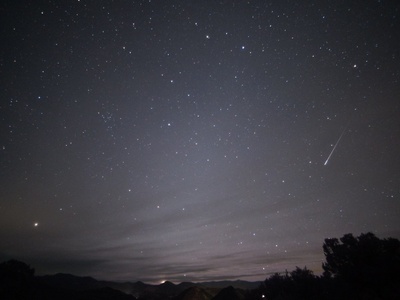
Leonids
A very fast, historically storm‑capable shower from comet 55P/Tempel–Tuttle. Peaks Nov 17–18 and is famous for periodic storms (e.g., 1833, 1966). Typical years are moderate; best seen from both hemispheres at night.
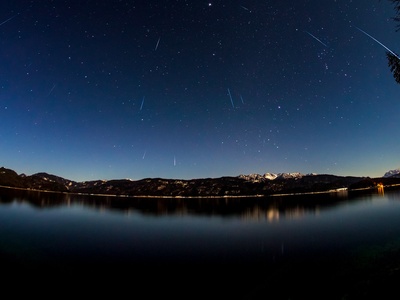
Geminids
A prolific, reliable winter shower peaking Dec 13–14, excellent for both hemispheres but best in the north. Produces many bright, slow-to-moderate meteors and frequent fireballs; parent body is asteroid 3200 Phaethon.
Ursids
A December shower from a radiant near Ursa Minor, peaking Dec 22–23. Best for northern viewers around late-night to early morning; usually modest but occasionally produces stronger displays.
Coma Berenicids
A modest shower peaking around Dec 14, near Coma Berenices. Produces fast meteors and can be seen from both hemispheres late at night; generally low rates but sometimes rewarding under dark skies.
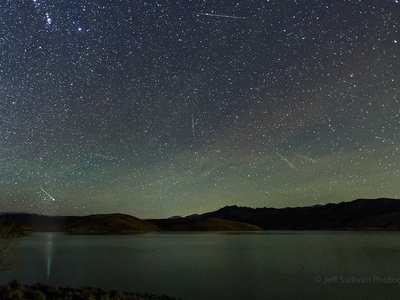
Monocerotids
Peaks around Dec 9 with moderate, sometimes bright meteors from a radiant near Monoceros. Visible in both hemispheres during winter nights; occasional activity spikes reported historically.
Sigma Hydrids
A lesser-known late-November shower with moderately fast meteors, best for southern and mid-northern observers. Peak around Nov 23; low average rates but can provide interesting sporadic fireballs.
Piscids? (Southern)
A minor April shower best seen from southern latitudes, producing slow-to-moderate meteors. Low typical rates but occasionally noted by dedicated observers in the deep southern sky.
Chelyabinsk
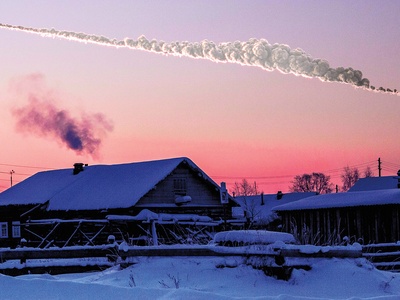
A powerful Russian airburst that injured ~1,500 people and shattered windows; widely recorded on video. Best-known modern urban bolide, illustrated risk of small asteroid airbursts; produced many meteorites recovered near Chelyabinsk.
Tunguska
A historic, enormous airburst over Siberia flattening ~2,000 km² of forest. Notable for its scale and lasting scientific debate about the impactor type; visible as a daytime sky phenomenon across vast distances.
Sikhote‑Alin
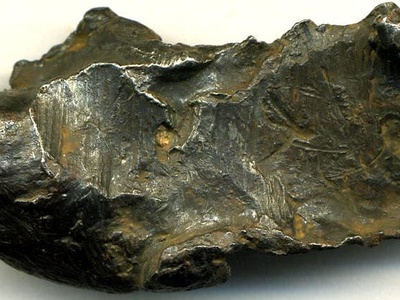
A witnessed iron meteorite fall over eastern Russia with dramatic multiple fireballs and large strewn fields. Well-documented by eyewitness accounts and recovered mass fragments; classic example of a witnessed fall producing many meteorites.
Tagish Lake
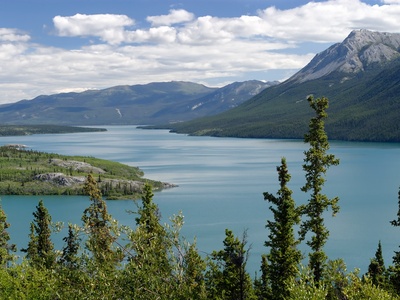
A slow, bright fireball over Canada that produced rare carbonaceous meteorites recovered from ice. Scientific treasure for pristine samples; widely studied for organic compounds and solar-system history.
Peekskill
A famous suburban fireball whose meteorite struck a parked car in Peekskill, New York; extensively videotaped. Notable for clear eyewitness and camera records linking a meteoroid to a recovered meteorite.
Park Forest
A bright fireball that produced meteorites falling near Park Forest, Illinois, with multiple eyewitnesses and recovered fragments. Well-documented modern fall useful for public interest and meteorite recovery efforts.