Inside every living tissue, cells juggle energy, building blocks and waste products through a web of biochemical routes that shift with diet, oxygen and stress. That shifting network determines how organisms grow, move and respond to their environment.
There are 35 Types of Cellular Metabolism, ranging from Aerobic respiration to Urea cycle. For each entry I show Category,Primary pathway or key reaction(s),Typical organisms or cells so you can quickly compare function, mechanism and where each pathway is found — you’ll find below.
How can I use the table to pick pathways relevant to a specific organism or tissue?
Look first at the Category and Typical organisms or cells columns to narrow candidates (for example, pathways common in bacteria vs. liver cells). Then check the Primary pathway or key reaction(s) to match biochemical needs like energy, biosynthesis or nitrogen disposal; environmental factors such as oxygen or nutrient availability will further guide which types are active.
Do cells use just one metabolic type or several at once?
Cells commonly run multiple metabolic types concurrently or switch between them as conditions change: e.g., many cells favor Aerobic respiration when oxygen is available but shift toward fermentation under hypoxia, while specialized tissues (like liver) also run the Urea cycle for nitrogen removal alongside energy metabolism.
Types of Cellular Metabolism
| Name | Category | Primary pathway or key reaction(s) | Typical organisms or cells |
|---|---|---|---|
| Glycolysis | Catabolic | Embden-Meyerhof pathway (glucose → pyruvate) | Most cells (animals, plants, microbes) |
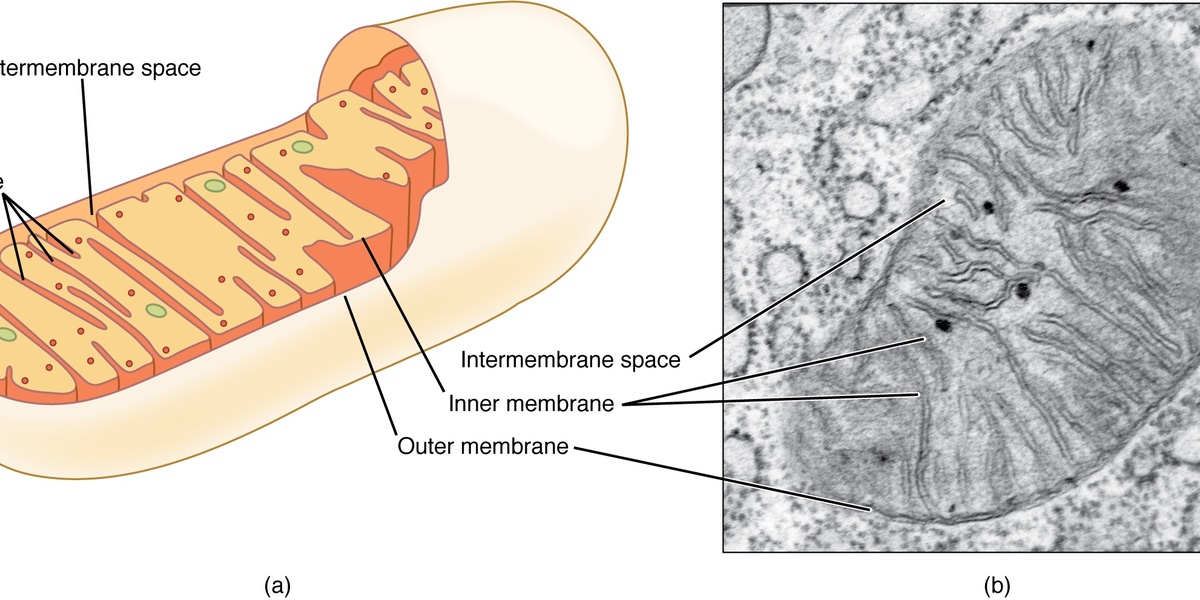
| TCA cycle | Catabolic | Citric acid (Krebs) cycle oxidations (acetyl-CoA → CO2) | Mitochondria of eukaryotes, aerobic bacteria |
| Oxidative phosphorylation | Catabolic | Electron transport chain + ATP synthase (proton motive force) | Mitochondria, aerobic bacteria |
| Aerobic respiration | Catabolic | Complete oxidation with O2 as terminal electron acceptor | Most animals, plants, many bacteria |
| Anaerobic respiration | Catabolic | ETC using alternative electron acceptors (NO3−, SO4^2−, Fe3+) | Many bacteria and archaea |
| Fermentation | Catabolic | Substrate-level phosphorylation regenerating NAD+ (pyruvate → reduced products) | Anaerobic microbes, muscle cells |
| Lactic fermentation | Catabolic | Pyruvate → lactate (NAD+ regeneration) | Muscle cells, lactic acid bacteria |
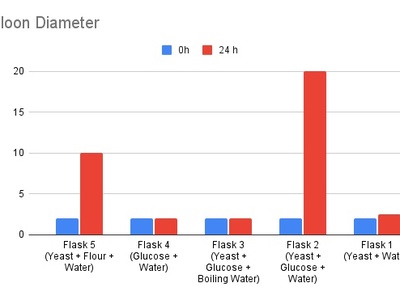
| Alcoholic fermentation | Catabolic | Pyruvate → ethanol + CO2 (via acetaldehyde) | Yeasts, some bacteria |
| Pentose phosphate pathway | Anabolic | Glucose-6P → ribose-5P + NADPH | All cells, dividing cells, liver |
| Gluconeogenesis | Anabolic | Synthesis of glucose from noncarbohydrates (lactate, amino acids) | Liver, kidney, some microbes |
| Glycogen metabolism | Anabolic/Catabolic | Glycogen synthesis and breakdown (glycogen ↔ glucose) | Liver, muscle, fungi |
| Beta-oxidation | Catabolic | Fatty acids → acetyl-CoA (chain shortening) | Mitochondria, peroxisomes, many bacteria |
| Fatty acid synthesis | Anabolic | Acetyl-CoA → fatty acids (FAS pathway) | Liver, adipose, bacteria |
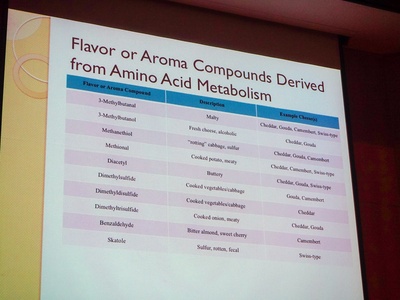
| Amino acid metabolism | Anabolic/Catabolic | Transamination and deamination networks | All cells, especially liver and microbes |
| Amino acid biosynthesis | Anabolic | Pathways forming essential and nonessential amino acids | Plants, bacteria, fungi |
| Urea cycle | Catabolic | Ammonia → urea detoxification | Liver (animals) |
| One-carbon metabolism | Anabolic | Folate and methionine cycles (methyl transfers) | All cells, highly active in liver and dividing cells |
| Glyoxylate cycle | Anabolic/Catabolic | Isocitrate → succinate bypassing CO2 loss | Bacteria, plants, fungi, seedlings |
| Entner–Doudoroff pathway | Catabolic | 6-phosphogluconate → pyruvate + glyceraldehyde-3P | Many bacteria (Pseudomonas) |
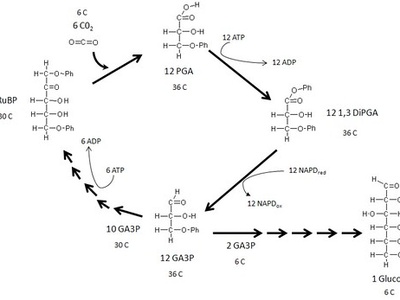
| Calvin cycle | Autotrophy | RuBP carboxylation and CO2 fixation | Plants, cyanobacteria, algae |
| Reverse TCA cycle | Autotrophy | TCA enzymes run reductively to fix CO2 | Some bacteria and archaea (thermophiles) |
| Reductive acetyl-CoA pathway | Autotrophy | CO2 → acetyl-CoA via carbon monoxide dehydrogenase | Acetogens, some anaerobic bacteria |
| Hydroxypropionate cycle | Autotrophy | Alternative CO2 fixation via hydroxypropionate intermediates | Some bacteria (Chloroflexi) and archaea |
| Photosynthesis (oxygenic) | Phototrophy | PSII/PSI light-driven water oxidation → NADPH/ATP | Plants, cyanobacteria, algae |
| Anoxygenic photosynthesis | Phototrophy | Light-driven cyclic electron flow using reduced S or organics | Purple and green sulfur bacteria |
| Chemolithotrophy | Chemotrophy | Oxidation of inorganic donors (H2, NH3, Fe2+, S compounds) | Nitrifiers, sulfur oxidizers, iron oxidizers |
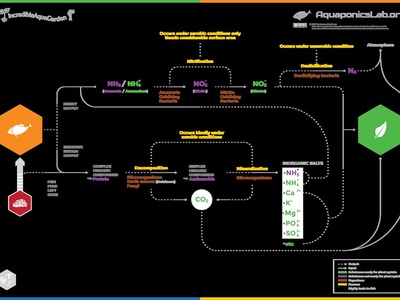
| Nitrification | Chemotrophy | Ammonia → nitrite → nitrate oxidation | Nitrifying bacteria and archaea |
| Denitrification | Chemotrophy | Stepwise reduction NO3− → N2 (gaseous nitrogen) | Denitrifying bacteria |
| Nitrogen fixation | Chemotrophy | N2 → NH3 (nitrogenase-driven reduction) | Rhizobia, cyanobacteria, free-living diazotrophs |
| Methanogenesis | Chemotrophy | CO2/H2 or methyl compounds → CH4 | Methanogenic archaea |
| Sulfate reduction | Chemotrophy | SO4^2− → H2S (dissimilatory reduction) | Sulfate-reducing bacteria and archaea |
| Sulfur oxidation | Chemotrophy | Reduced sulfur compounds → sulfate (Sox, sulfide oxidases) | Sulfur-oxidizing bacteria |
| Aerobic respiration (mitochondrial) | Catabolic | TCA cycle feeding mitochondrial ETC using O2 | Animal and plant mitochondria, aerobic fungi |
| Sterol synthesis | Anabolic | Mevalonate pathway → cholesterol and sterols | Animals, fungi, plants (different sterols) |
| Peroxisomal beta-oxidation | Catabolic | Shortened fatty acid oxidation in peroxisomes | Eukaryotic cells (liver, kidney) |
Images and Descriptions

Glycolysis
Central breakdown of glucose to pyruvate, generating ATP and NADH by substrate-level phosphorylation. Found in virtually all cells; fuels respiration or fermentation and is clinically relevant in cancer cell metabolism and muscle exercise.
TCA cycle
Core oxidative pathway that fully oxidizes acetyl-CoA to CO2 while producing NADH and FADH2 for ATP production. Critical for energy, biosynthesis precursors and metabolic integration in aerobic organisms.
Oxidative phosphorylation
High-yield ATP production using electrons from NADH/FADH2 to reduce O2. Essential for aerobic life, disrupted in mitochondrial diseases and targeted by many toxins and antibiotics.
Aerobic respiration
Energy-generating respiration using oxygen to accept electrons, giving high ATP yield. Occurs in mitochondria and aerobic microbes; supports complex multicellular life and high-energy tissues like brain and muscle.
Anaerobic respiration
Respiration that uses non-oxygen electron acceptors, allowing energy production in anoxic environments. Important in soils, sediments, and pathogens that survive low-oxygen niches.

Fermentation
Low-oxygen ATP production where pyruvate is reduced to recycle NAD+, producing lactate, ethanol or mixed acids. Important in food production, muscle fatigue, and microbial ecology.

Lactic fermentation
Rapid ATP production without oxygen, converting pyruvate to lactate. Used in exercise, dairy fermentation, and by pathogens; influences pH and metabolic signaling in tissues.
Alcoholic fermentation
Microbial pathway producing ethanol and carbon dioxide from pyruvate. Key to brewing and baking; low-energy metabolism that enables growth in anaerobic environments.
Pentose phosphate pathway
Generates NADPH for biosynthesis and ribose sugars for nucleotides. Vital for antioxidant defense, fatty acid synthesis, and rapidly dividing cells like bone marrow and tumors.
Gluconeogenesis
Pathway making glucose during fasting or high demand. Maintains blood sugar, supports brain and red blood cells, and is clinically important in diabetes and metabolic adaptation.
Glycogen metabolism
Storage and mobilization of glucose as glycogen. Regulates blood sugar and supplies quick energy during exercise; defects cause glycogen storage diseases.
Beta-oxidation
Major route for fatty acid catabolism producing acetyl-CoA and NADH/FADH2. Fuels prolonged energy needs in liver and muscle; defects lead to hypoglycemia and energy failure.
Fatty acid synthesis
Constructs fatty acids for membranes and storage using NADPH. Central to energy storage and membrane biogenesis; targeted in metabolic disease and antibiotic development.
Amino acid metabolism
Interconverts amino acids for protein synthesis and degrades them for energy or nitrogen disposal. Provides precursors for neurotransmitters and influences nitrogen balance in health and disease.
Amino acid biosynthesis
Cellular routes to make amino acids from central metabolites. Essential in microbes and plants; antibiotic targets exploit differences between microbes and animals.
Urea cycle
Removes toxic ammonia by converting it to urea for excretion. Central to nitrogen metabolism in vertebrates; defects cause hyperammonemia and neurological disease.
One-carbon metabolism
Transfers one-carbon units for nucleotide synthesis and methylation reactions. Critical for DNA synthesis, epigenetics, and clinical folate/vitamin B12 deficiency outcomes.
Glyoxylate cycle
Allows net conversion of acetyl-CoA (from fats) into carbohydrates, enabling growth on fats during seedling germination and in microbes; absent in animals.
Entner–Doudoroff pathway
An alternative glucose catabolism pathway in some bacteria, producing NADPH and ATP differently from glycolysis; relevant to bacterial ecology and biotechnology.
Calvin cycle
Primary route for converting CO2 into organic carbon in oxygenic phototrophs. Central to global carbon fixation, agriculture productivity, and plant growth.
Reverse TCA cycle
Ancestral CO2 fixation pathway that synthesizes building blocks by running the TCA sequence in reverse. Found in hot, anaerobic environments and interesting for origin-of-life studies.
Reductive acetyl-CoA pathway
Highly efficient anaerobic CO2 fixation producing acetyl-CoA for biomass or acetate fermentation. Important in sediments, industrial gas fermentation, and carbon cycling.
Hydroxypropionate cycle
Less common CO2 fixation route that builds cell carbon via hydroxypropionate steps. Shows diversity of autotrophy across microbes and ecological niches.
Photosynthesis (oxygenic)
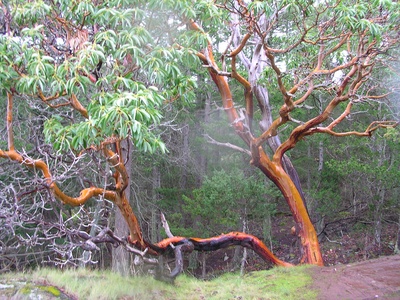
Light-driven energy capture that splits water to produce O2 while making ATP and NADPH for carbon fixation. Foundation of most ecosystems and global oxygen production.
Anoxygenic photosynthesis
Phototrophy that doesn’t produce oxygen; uses sulfur or organics as electron donors. Important in microbial mats and early Earth analogs.
Chemolithotrophy
Microbes harvest energy by oxidizing inorganic molecules to generate ATP and reducing power. Drives biogeochemical cycles and supports life in extreme environments.
Nitrification
Two-step aerobic oxidation that converts ammonia to nitrate, crucial for soil fertility, wastewater treatment, and global nitrogen cycling.
Denitrification
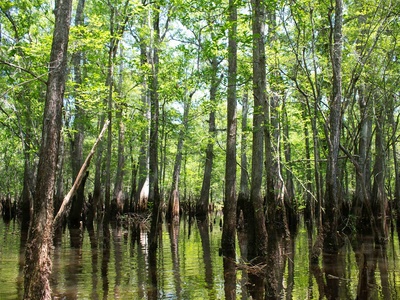
Anaerobic respiration returning fixed nitrogen to the atmosphere as N2. Important in soils, water quality, and greenhouse gas emissions (N2O intermediate).
Nitrogen fixation
Energy-intensive conversion of atmospheric nitrogen to ammonia, enabling biologically available nitrogen for plants. Fundamental for agriculture and dependent on O2-sensitive nitrogenase enzymes.
Methanogenesis
Unique archaeal pathway producing methane in anoxic habitats like wetlands and guts. Major contributor to the global carbon cycle and natural greenhouse gas emissions.
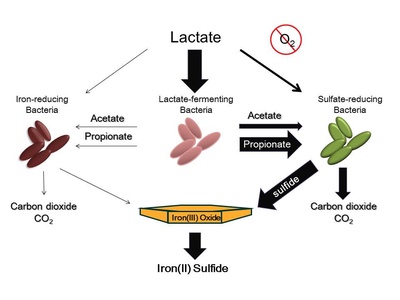
Sulfate reduction
Anaerobic energy metabolism producing hydrogen sulfide. Important in sediments, petroleum souring, and anaerobic digestion processes.
Sulfur oxidation
Oxidizes sulfide or thiosulfate to sulfate, supporting chemolithotrophic growth and influencing sulfur cycling near hydrothermal vents and polluted waters.
Aerobic respiration (mitochondrial)
Eukaryotic mitochondrial pathway coupling substrate oxidation to ATP generation using oxygen. Central to multicellular energy demand and affected in many metabolic diseases.
Sterol synthesis
Builds membrane sterols like cholesterol, crucial for membrane fluidity, hormone precursors and human health; targeted by statin drugs in cardiovascular disease.
Peroxisomal beta-oxidation
Specialized oxidation of very-long-chain and branched fatty acids producing shortened acyl chains and H2O2; complements mitochondrial beta-oxidation and affects lipid disorders.