Have you ever watched a gecko on a wall and wondered how much of what you know about lizards is true? Misunderstandings about these reptiles shape public attitudes, influence pet-care decisions, and even affect conservation priorities. With roughly 6,000 described lizard species worldwide, a few vivid stories can distort how we treat them. This piece debunks ten widespread misconceptions, grouping them into three practical categories—biology & behavior, human interactions & pets, and ecology & culture—and pairs each correction with species examples and actionable takeaways for pet owners and nature lovers.
Biology & Behavior Myths
Many myths originate from a few visible behaviors that get misread. Below are four common biology- and behavior-related misconceptions, each corrected with physiology, research, and species examples you can observe in the field or at home.
1. Myth: All lizards are poisonous or dangerous to humans
People often assume any big or strange-looking lizard is venomous or deadly. In reality, medically significant venom exists in only a handful of species (classically the Gila monster and the Mexican beaded lizard), and most of the ~6,000 species pose little direct threat to people.
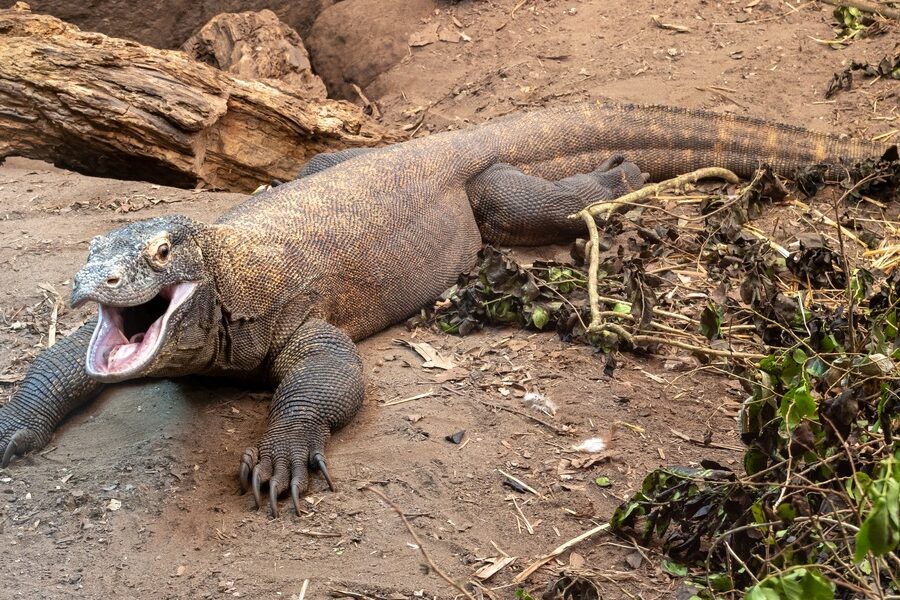
Research and museum summaries show that true venom production in lizards is rare and not the same as toxicity from ingesting a creature. Komodo dragons (up to about 3 meters long) were once thought dangerous mainly because of bacteria in their saliva; recent studies indicate they also have venom-like glands, but attacks on humans are uncommon and context-dependent (Natural History Museum).
Practical takeaway: don’t assume danger based on looks alone. Learn species IDs, follow species-specific handling guidance, and for pets consult a reptile-experienced veterinarian. For wild encounters, give large lizards space and never try to pick up unfamiliar animals (Gila monster, Heloderma suspectum, is a good example to avoid handling).
2. Myth: Lizards are slimy or wet to the touch
Contrary to the “slimy” trope, lizards have dry, keratinized scales rather than mucous-coated skin. The integument provides water retention, abrasion resistance, and, in some species, specialized textures for climbing.
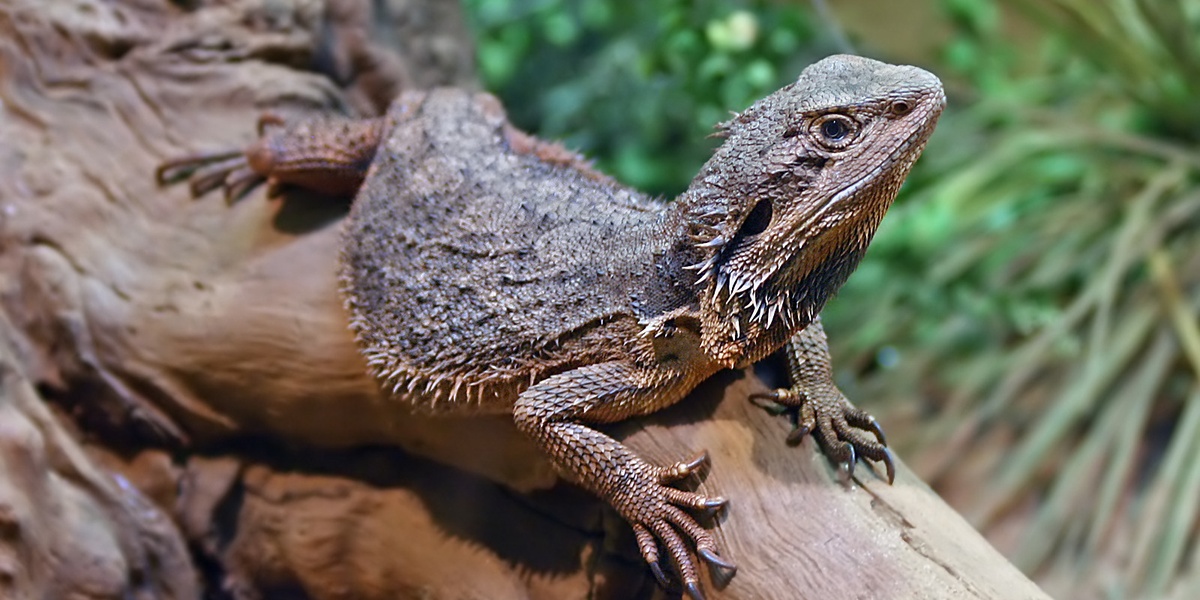
Scale types range from rough, spiny plates to smooth, overlapping scales. Reptiles routinely shed their skin (ecdysis); juveniles shed more often than adults. Examples include the dry, rough scales of bearded dragons and the relatively smoother scales of many skinks.
Practical takeaway: handling myths can lead to improper humidity control for captive lizards. Match humidity and substrate to species needs—bearded dragons prefer arid setups, while some skinks benefit from slightly higher humidity during shedding.
3. Myth: Chameleons change color to match their background
Chameleons do change color, but not primarily to blend into every background. Studies show color shifts serve social signaling, temperature regulation, and stress responses more often than precise background-matching.
Work on species such as the panther chameleon (Furcifer pardalis) links bright displays to courtship or aggression and darker tones to thermoregulation. Zoo husbandry notes also emphasize that lighting and temperature influence color, so captive keepers should prioritize proper UVB and thermal gradients.
Practical takeaway: interpret chameleon color changes as behavioral cues rather than flawless camouflage. Manage light and temperature in enclosures and observe color shifts for signs of stress or social dynamics.
4. Myth: Lizards’ tails regrow instantly and perfectly after they drop
Tail autotomy is an effective escape tactic, but regrowth is neither instant nor identical to the original. Many lizards can autotomize a tail, and regrowth takes weeks to months, producing a tail with different internal structure—often cartilaginous rather than bony—and altered coloration.
Regeneration capacity varies by species and age: small house geckos can regrow a tail over several weeks, while larger species or repeated losses recover more slowly and suffer energetic costs. Repeated autotomy can reduce growth and reproductive output.
Practical takeaway: for pet owners, prevent stress and rough handling that trigger autotomy. If a tail is lost, provide supportive care and consult a vet to reduce infection risk and support recovery.
Human Interactions & Pet Myths
Misconceptions about how lizards behave around people and how to care for them cause real harm. Below are three myths that influence urban attitudes, pet welfare, and public health, with practical corrections and examples.
5. Myth: Urban lizards are pests and should be eradicated
Seeing a lizard in your home often triggers calls for removal, but many urban lizards provide useful ecosystem services such as insect control. Removing them can increase pest insect numbers and disrupt local food webs.
Species like common house geckos and Anolis lizards hunt mosquitoes, flies, and cockroaches, offering natural pest suppression. Municipal wildlife guidance tends to favor coexistence and humane deterrence (sealing entry points, reducing outdoor lighting that attracts insects).
Practical takeaway: favor non-lethal strategies—exclude access, reduce attractants, and use humane removal if necessary. Community education reduces unnecessary killing and supports urban biodiversity.
6. Myth: All lizards eat only insects
Lizard diets range from strict insectivory to largely herbivorous or carnivorous. Feeding a green iguana like an insectivore or a leopard gecko like a browser will cause nutritional disease.
Leopard geckos (Eublepharis macularius) are essentially insectivores, while green iguanas (Iguana iguana) are primarily herbivorous. Monitors often need a carnivorous diet. In captivity, mismatched diets cause metabolic bone disease and malnutrition—calcium-to-phosphorus balance and UVB exposure for vitamin D synthesis are critical.
Practical takeaway: use species-appropriate feeding plans, dust live prey with calcium supplements when required, and provide full-spectrum UVB and proper thermal gradients to support digestion and bone health.
7. Myth: Reptiles are unsafe because they commonly spread diseases to people
Reptiles can carry Salmonella, so they are a zoonotic risk, but the risk is manageable with straightforward hygiene and husbandry. The U.S. Centers for Disease Control and Prevention provides guidance to reduce transmission.
Simple measures—thorough handwashing after handling, keeping reptiles out of food-preparation areas, supervising children, and sourcing animals from reputable breeders—cut risk dramatically. The CDC documents reptile-associated salmonellosis cases and recommends these precautions (CDC).
Practical takeaway: responsible ownership and routine veterinary care protect both animals and people. Reptiles make healthy, rewarding pets when owners follow hygiene protocols and seek vets experienced with reptiles.
Ecology, Conservation & Cultural Myths
Myths shape which species receive attention, how communities treat lizards, and whether traditional knowledge is respected. The three points below show how misconceptions affect conservation outcomes and how accurate information helps.
8. Myth: Common-looking lizards are abundant and not at risk
Local abundance can mask broader declines. Many species that seem common in a neighborhood are actually habitat specialists or island endemics vulnerable to development, invasive predators, and climate change.
The IUCN Red List documents hundreds of lizard species facing elevated extinction risk, and population trends can be steep—local sightings don’t guarantee species security. Citizen science platforms such as iNaturalist help detect declines and inform conservation assessments.
Practical takeaway: support monitoring efforts and report sightings to local surveys; protecting habitat patches and reducing invasive predators is often more effective than simple tolerance or removal.
9. Myth: Lizard myths have no real conservation consequences
Misconceptions lead directly to harmful actions: persecution, inappropriate control measures, or neglecting protection funding. Historic examples include the introduction of the small Indian mongoose to Caribbean islands (late 1800s–early 1900s) to control rodents, which instead drove declines in native lizards and ground-nesting birds.
Education campaigns have reversed negative outcomes elsewhere: community outreach and school programs that teach species identification and ecosystem roles reduce lethal responses and increase support for local conservation programs.
Practical takeaway: conservation success often starts with correcting myths—engage communities with clear, species-specific information and involve local stakeholders in management decisions.
10. Myth: Cultural tales about lizards are just folklore without scientific value
Cultural narratives often encode long-observed patterns—seasonal behavior, habitat associations, and species interactions. Treating those stories as worthless can alienate communities and discard useful ecological clues.
Collaborative programs that integrate Indigenous knowledge and scientific monitoring have informed habitat management and species surveys in places such as northern Australia, where ranger programs combine traditional observation with modern techniques.
Practical takeaway: respect and include traditional knowledge in conservation planning; community-led monitoring can reveal subtle patterns scientists might miss.
Summary
Key takeaways that cut through the most persistent misunderstandings and point to better care, safer interactions, and more effective conservation.
- Very few species produce venom dangerous to people; learning species IDs and handling guidelines reduces fear and improves protection.
- Diet, skin type, and regenerative abilities vary widely—match husbandry (food, UVB, humidity) to the species to avoid health problems.
- Reptile-associated disease risk (e.g., Salmonella) is real but manageable with hygiene, vet care, and responsible sourcing (CDC).
- Myths influence policy and behavior; support citizen science (e.g., iNaturalist) and local education to improve conservation outcomes.
- When in doubt about a pet, consult a reptile-experienced veterinarian and follow species-specific care—small steps prevent common problems.