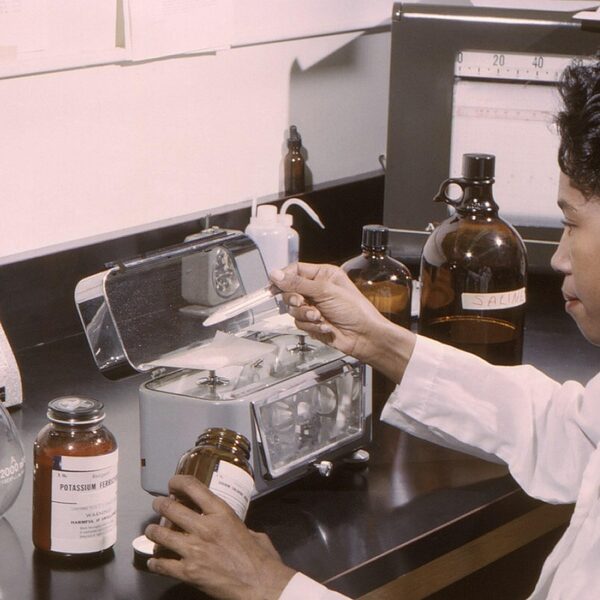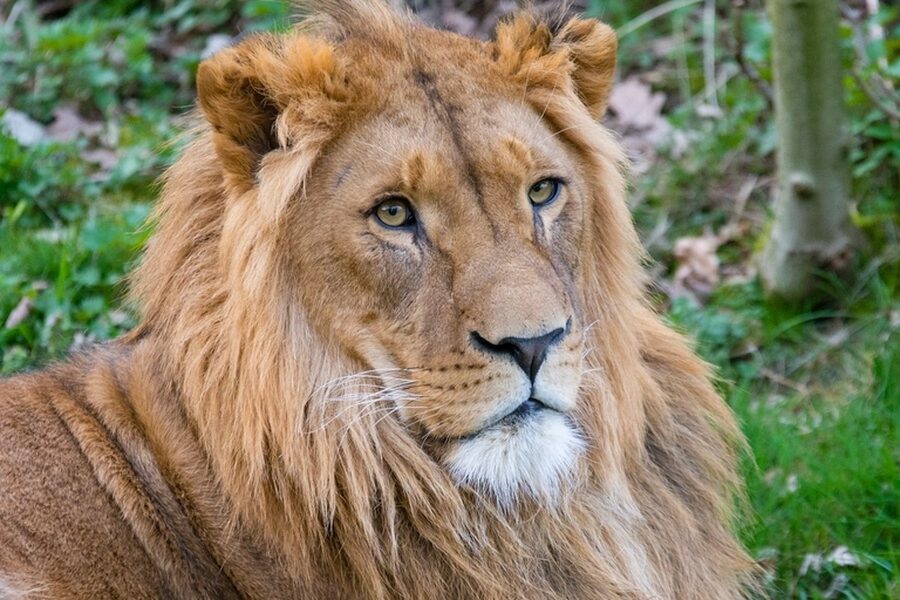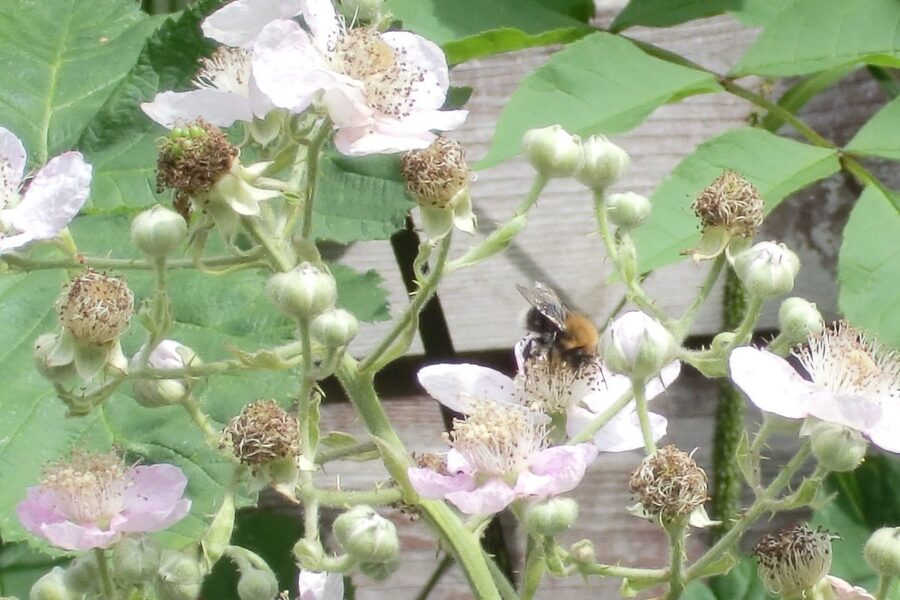
From university labs and medical centers to farms and field stations, biological sciences shape how we understand living systems and solve practical problems like food security, disease control and conservation. The field connects hands-on work with theory, and each specialty points to different everyday settings and career options.
There are 71 Examples of Biological Sciences, ranging from Agricultural Science to Zoology. For each entry, data are organized with Core topics,Typical settings,Example careers so you can quickly compare focus areas, typical workplaces and job paths — see the list you’ll find below.
How can I use this list to decide which biological science fits me?
Look at the Core topics to match subjects you enjoy, then check Typical settings to see whether you prefer fieldwork, lab research or applied roles; the Example careers column shows common job outcomes and required qualifications, helping you weigh study options against real-world work.
Do I need an advanced degree for most of these fields?
Not always — many applied areas like agricultural technology or wildlife management offer technician and technician-to-supervisor paths with bachelor’s or associate degrees, while research-heavy fields (e.g., molecular biology, ecology research) typically require a master’s or PhD for independent research or academic positions.
Examples of Biological Sciences
| Field | Core topics | Typical settings | Example careers |
|---|---|---|---|
| Biology | Evolution, cell structure, ecology, genetics | Universities, research institutes, museums | Researcher, educator, science communicator |
| Botany | Plant structure, physiology, taxonomy, ecology | Universities, botanical gardens, agricultural research | Plant scientist, curator, agronomist |
| Zoology | Animal anatomy, behavior, taxonomy, ecology | Museums, zoos, universities, field sites | Zoologist, wildlife manager, curator |
| Microbiology | Bacteria, archaea, microbes, microbial ecology | Labs, hospitals, environmental agencies | Microbiologist, quality control analyst, researcher |
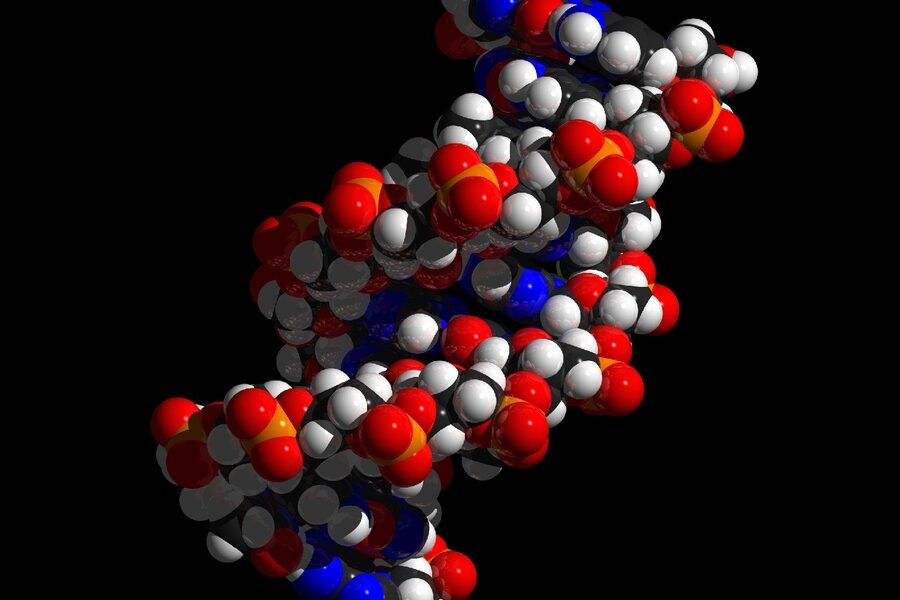
| Molecular Biology | DNA, RNA, gene expression, proteins | Research labs, biotech companies, universities | Molecular biologist, lab manager, biotechnologist |
| Cell Biology | Cell structure, organelles, signaling, division | Research labs, medical schools, industry | Cell biologist, research scientist, educator |
| Genetics | Inheritance, gene function, genetic variation | Universities, clinics, research institutes | Geneticist, genetic counselor, researcher |
| Genomics | Genome sequencing, comparative genomics, bioinformatics | Sequencing centers, research labs, biotech | Genomic scientist, bioinformatician, researcher |
| Evolutionary Biology | Natural selection, speciation, phylogenetics | Universities, museums, field research | Evolutionary biologist, researcher, lecturer |
| Ecology | Ecosystems, populations, food webs, interactions | Field sites, universities, agencies | Ecologist, conservationist, environmental consultant |
| Conservation Biology | Biodiversity loss, protected areas, restoration | NGOs, parks, research groups | Conservation scientist, park manager, policy advisor |
| Marine Biology | Marine organisms, ocean ecosystems, physiology | Coastal labs, aquariums, research ships | Marine biologist, fisheries scientist, technician |
| Biological Oceanography | Ocean processes, marine food webs, biogeochemistry | Research vessels, coastal institutes | Oceanographer, research scientist, environmental analyst |
| Fisheries Science | Fish biology, population dynamics, management | Fisheries agencies, research institutes | Fisheries scientist, stock assessor, resource manager |
| Neuroscience | Neural circuits, brain function, behavior | Universities, hospitals, research centers | Neuroscientist, research associate, data analyst |
| Developmental Biology | Embryogenesis, differentiation, morphogenesis | Research labs, universities | Developmental biologist, researcher, educator |
| Physiology | Organ systems, homeostasis, functional biology | Universities, research institutes, industry | Physiologist, research scientist, educator |
| Immunology | Immune response, vaccines, host-pathogen interactions | Research labs, hospitals, biotech firms | Immunologist, vaccine researcher, clinical researcher |
| Virology | Virus biology, infection, antiviral strategies | Labs, public health institutes, biotech | Virologist, public health scientist, researcher |
| Parasitology | Parasite life cycles, host interactions, control | Research labs, public health, agriculture | Parasitologist, epidemiologist, control specialist |
| Mycology | Fungal biology, ecology, systematics | Universities, labs, industry | Mycologist, researcher, plant pathologist |
| Entomology | Insect taxonomy, behavior, pest management | Universities, agriculture, museums | Entomologist, pest control specialist, researcher |
| Ornithology | Bird biology, migration, behavior, conservation | Field stations, museums, universities | Ornithologist, conservationist, researcher |
| Herpetology | Reptile and amphibian biology, ecology | Fieldwork, zoos, research centers | Herpetologist, conservationist, educator |
| Ichthyology | Fish biology, systematics, ecology | Museums, fisheries labs, universities | Ichthyologist, fisheries manager, researcher |
| Mammalogy | Mammal biology, behavior, conservation | Museums, wildlife agencies, academia | Mammalogist, wildlife biologist, researcher |
| Paleontology | Fossils, ancient life, macroevolution | Museums, universities, field expeditions | Paleontologist, museum curator, researcher |
| Paleobiology | Fossil organisms, evolutionary history, paleoecology | Universities, museums, field sites | Paleobiologist, researcher, curator |
| Animal Behavior (Ethology) | Behavioral mechanisms, social systems, learning | Laboratories, field studies, zoos | Behavioral ecologist, ethologist, researcher |
| Biochemistry | Metabolism, enzymes, macromolecules | Universities, pharma, biotech labs | Biochemist, research scientist, lab technician |
| Biophysics | Physical principles, biomolecules, imaging techniques | Research institutes, universities, biotech | Biophysicist, structural analyst, researcher |
| Structural Biology | Protein structure, macromolecular complexes, methods | Research labs, universities, pharma | Structural biologist, crystallographer, cryo-EM specialist |
| Systems Biology | Network modeling, integrative analysis, multi-omics | Research centers, biotech, universities | Systems biologist, computational analyst, researcher |
| Synthetic Biology | Genetic circuits, engineered organisms, design principles | Biotech labs, research institutes | Synthetic biologist, biotech entrepreneur, researcher |
| Biotechnology | Applied biology, bioprocessing, product development | Industry, startups, research labs | Biotech researcher, process engineer, product developer |
| Bioinformatics | Sequence analysis, databases, computational tools | Universities, biotech, sequencing centers | Bioinformatician, data analyst, researcher |
| Computational Biology | Modeling, algorithm development, data analysis | Research institutes, universities, industry | Computational biologist, modeler, data scientist |
| Proteomics | Protein expression, identification, interactions | Research labs, pharmaceutical industry | Proteomics scientist, mass spec analyst, researcher |
| Metabolomics | Metabolic profiling, pathways, biomarker discovery | Research labs, clinical research, industry | Metabolomics analyst, researcher, lab specialist |
| Microbial Ecology | Microbe communities, nutrient cycles, symbioses | Field sites, labs, environmental agencies | Microbial ecologist, environmental microbiologist, researcher |
| Plant Physiology | Photosynthesis, growth regulation, stress responses | Universities, agricultural labs, greenhouses | Plant physiologist, crop scientist, researcher |
| Plant Pathology | Plant diseases, pathogens, disease management | Agricultural labs, extension services, universities | Plant pathologist, extension agent, researcher |
| Plant Ecology | Plant communities, competition, succession | Field research, universities, conservation groups | Plant ecologist, restoration specialist, researcher |
| Agricultural Science | Crop production, soil health, pest management | Farms, research stations, extension services | Agronomist, crop consultant, researcher |
| Horticulture | Garden crops, plant propagation, landscape science | Nurseries, botanical gardens, farms | Horticulturist, landscape manager, nursery manager |
| Forestry Science | Forest ecology, silviculture, resource management | National forests, research institutes, industry | Forester, forest ecologist, resource manager |
| Wildlife Biology | Wild animal ecology, population monitoring, management | Parks, NGOs, research groups | Wildlife biologist, conservation officer, researcher |
| Population Biology | Population dynamics, genetics, modeling | Universities, research institutes, conservation NGOs | Population biologist, modeler, conservation scientist |
| Limnology | Freshwater ecosystems, lakes, wetlands, water quality | Research stations, environmental agencies | Limnologist, aquatic ecologist, water quality scientist |
| Environmental Biology | Pollution impacts, ecology, conservation biology | NGOs, agencies, research centers | Environmental biologist, consultant, conservationist |
| Toxicology | Chemical effects on organisms, dose responses | Industry, regulatory agencies, research labs | Toxicologist, safety assessor, researcher |
| Endocrinology | Hormones, signaling, physiological regulation | Research labs, universities, biomedical centers | Endocrinologist (research), physiologist, researcher |
| Evolutionary Developmental Biology | Developmental mechanisms, evolutionary change, gene regulation | Universities, research institutes | Evo-devo researcher, academic, evolutionary biologist |
| Human Biology | Human physiology, genetics, evolution, behavior | Universities, research institutes, public health | Human biologist, researcher, educator |
| Comparative Anatomy | Body plans, homology, functional morphology | Universities, museums, research labs | Comparative anatomist, researcher, educator |
| Morphology | Form, structure, developmental origin, variation | Academic labs, museums, field studies | Morphologist, researcher, taxonomist |
| Reproductive Biology | Reproduction systems, gametogenesis, reproductive ecology | Research labs, academic departments | Reproductive biologist, fertility researcher, ecologist |
| Stem Cell Biology | Stem cells, differentiation, regenerative potential | Research labs, biotech, universities | Stem cell researcher, regenerative medicine scientist |
| Regenerative Biology | Tissue repair, regeneration mechanisms, organismal recovery | Research institutes, academic labs | Researcher, tissue engineer, academic |
| Cancer Biology | Tumor biology, oncogenes, tumor microenvironment | Research labs, universities, biotech | Cancer researcher, translational scientist, lab scientist |
| Biogeography | Species distributions, historical patterns, dispersal | Universities, research institutes, conservation agencies | Biogeographer, conservation planner, researcher |
| Chronobiology | Biological rhythms, circadian clocks, timing systems | Universities, research centers, labs | Chronobiologist, sleep researcher, academic |
| Soil Biology | Soil organisms, nutrient cycling, decomposition | Field stations, agricultural research, universities | Soil biologist, ecologist, agronomist |
| Microbiome Science | Host-associated microbes, community function, health links | Clinical labs, research centers, agriculture | Microbiome scientist, researcher, consultant |
| Nematology | Nematode biology, soil interactions, pest management | Agricultural research, labs, universities | Nematologist, pest management specialist, researcher |
| Phycology | Algae diversity, ecology, physiology | Universities, aquaculture, research labs | Phycologist, algal biotechnologist, researcher |
| Cryobiology | Low-temperature biology, freezing tolerance, preservation | Research labs, tissue banks, universities | Cryobiologist, preservation scientist, researcher |
| Astrobiology | Origins of life, extremophiles, habitability | Universities, space agencies, research centers | Astrobiologist, researcher, science communicator |
| Biogeochemistry | Element cycles, organism-environment exchange | Research institutes, environmental agencies | Biogeochemist, researcher, environmental scientist |
| Conservation Genetics | Genetic diversity, population structure, management | Universities, conservation NGOs, zoos | Conservation geneticist, researcher, advisor |
| Behavioral Ecology | Evolution of behavior, cost-benefit analysis, mating systems | Field sites, research labs, universities | Behavioral ecologist, researcher, conservationist |
Images and Descriptions
Biology
Biology is the broad study of life, covering cells, genes, evolution, and ecosystems. It’s taught in universities and used across research, education, and policy. Careers range from lab scientist to conservationist, making it a foundation for many life-science professions.
Botany
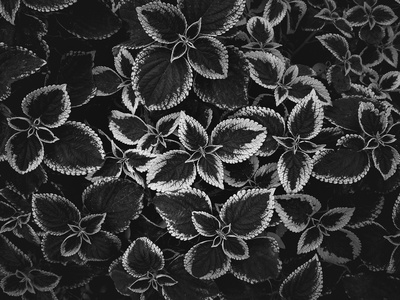
Botany focuses on plant life from cellular physiology to whole-plant ecology. Botanists work in academia, gardens, or agriculture, improving crops, conserving flora, and explaining plant roles in ecosystems and human well-being.
Zoology
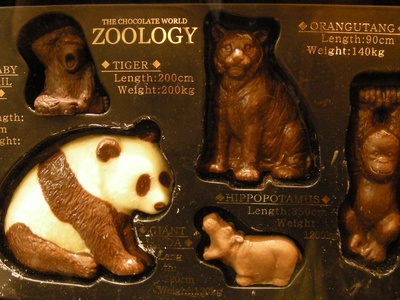
Zoology studies animals’ form, function, behavior, and classification. Zoologists can work in research, wildlife management, zoos, or education, helping conserve species and understand animal roles in ecosystems.
Microbiology
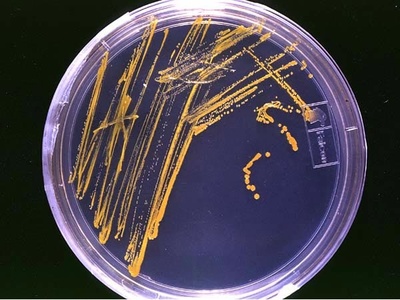
Microbiology examines microscopic life—bacteria, archaea, fungi, and protists. It’s central to health, industry, and ecology, informing disease control, fermentation, environmental monitoring, and biotechnology.
Molecular Biology
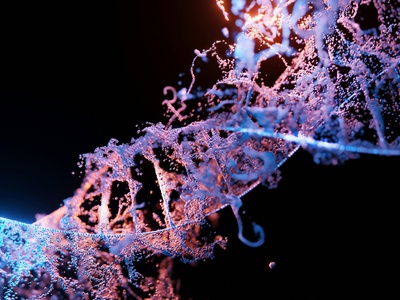
Molecular biology explores molecules that make life work, such as genes and proteins. Practitioners decode mechanisms of heredity and regulation, providing foundations for genetics, medicine, and biotech innovations.
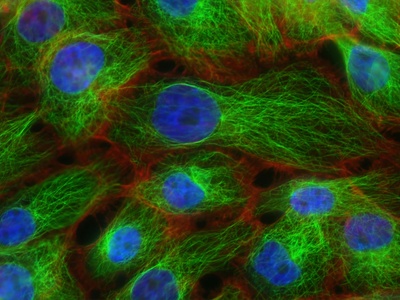
Cell Biology
Cell biology studies the structure and function of cells, the basic units of life. It underpins many applied fields, from medicine to biotechnology, by revealing how cells grow, communicate, and respond to stress.
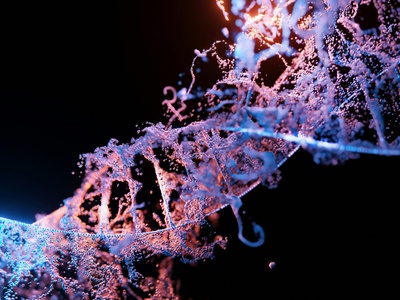
Genetics
Genetics investigates how traits are passed and how genes operate. Geneticists work on population genetics, molecular genetics, or applied breeding and inform medicine, conservation, and agriculture.
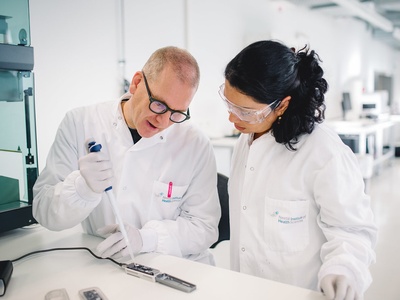
Genomics
Genomics analyzes whole genomes to understand organismal biology, evolution, and disease. It combines sequencing technologies with computation and has transformed personalized medicine, ecology, and evolutionary studies.
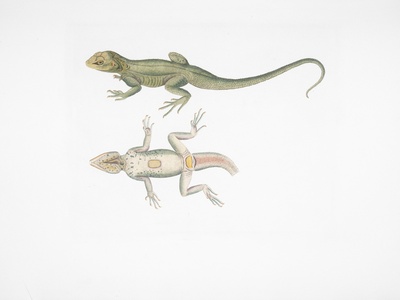
Evolutionary Biology
Evolutionary biology explains how life diversifies and adapts over time. Researchers study fossils, genes, and current populations to infer histories and processes shaping biodiversity, with implications for conservation and medicine.
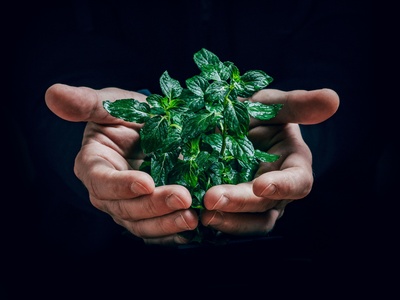
Ecology
Ecology examines relationships among organisms and their environments, balancing field observation with modeling. Ecologists inform habitat management, conservation planning, and environmental impact assessments.
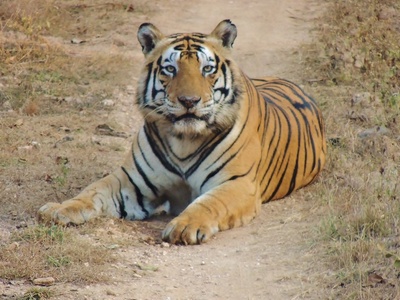
Conservation Biology
Conservation biology applies ecological and genetic knowledge to protect species and habitats. Practitioners design reserves, manage populations, and advise policy to halt biodiversity declines and restore ecosystems.
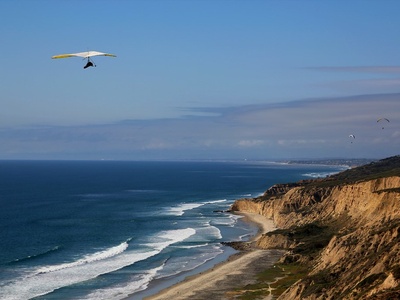
Marine Biology
Marine biology studies life in oceans and seas, from microbes to whales. Marine biologists work on biodiversity, fisheries, and conservation and often combine fieldwork, lab analysis, and policy engagement.
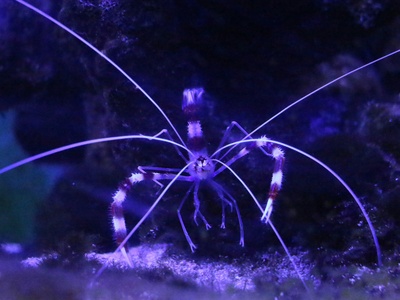
Biological Oceanography
Biological oceanography focuses on how biological processes interact with ocean physics and chemistry. It informs fisheries, climate studies, and carbon cycling research through ship-based and remote observations.
Fisheries Science
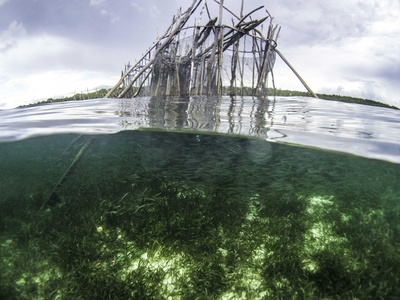
Fisheries science blends ecology and management to sustain fish stocks. Specialists assess populations, advise harvest limits, and develop aquaculture practices to balance food production with conservation.
Neuroscience
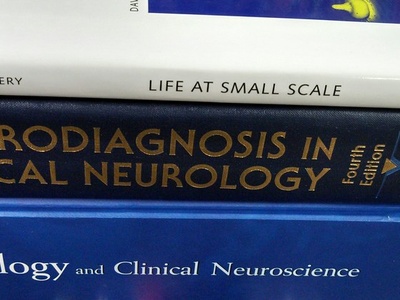
Neuroscience investigates nervous systems, from molecules to behavior. It spans basic research into learning and perception and applied work in brain health, neurotechnology, and cognitive sciences.
Developmental Biology
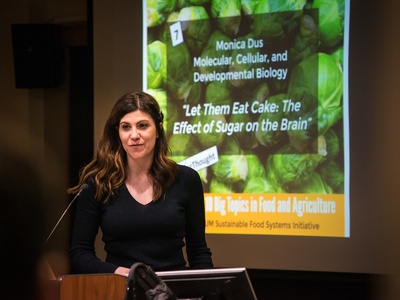
Developmental biology studies how organisms grow and form shape from fertilized egg to adult. Insights into cell fate, patterning, and regeneration inform developmental disorders, stem cell science, and evolutionary questions.
Physiology
Physiology explores how organisms function, from cellular processes to organ systems maintaining balance. This field supports medicine, vet science, sports science, and comparative studies across species.
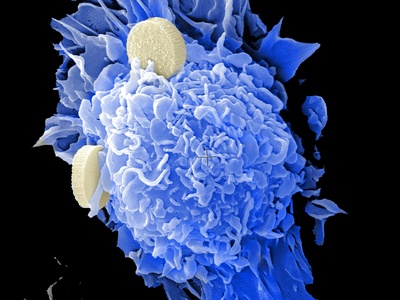
Immunology
Immunology investigates immune systems and defense against pathogens. It drives vaccine development, immunotherapies, allergy research, and understanding of autoimmune diseases through lab and clinical research.
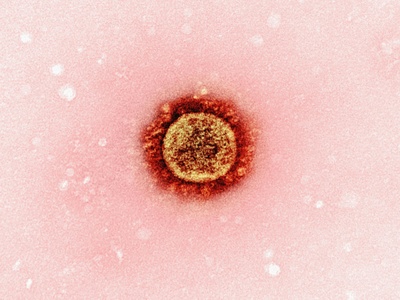
Virology
Virology focuses on viruses—how they infect cells, spread, and evolve. Virologists work on diagnostics, vaccines, antiviral drugs, and public health responses to outbreaks.

Parasitology
Parasitology studies organisms that live on or in hosts, their life cycles, and impacts. Applications include disease control, veterinary care, and agricultural pest management.
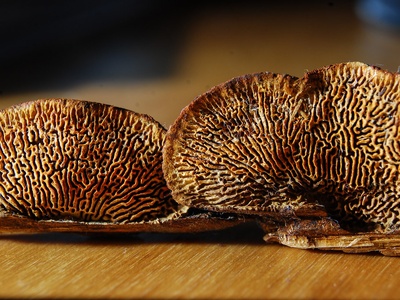
Mycology
Mycology explores fungi’s diversity, ecology, and roles in decomposition, symbiosis, and disease. Mycologists work in forestry, agriculture, biotechnology, and medicine, studying useful and harmful fungi.
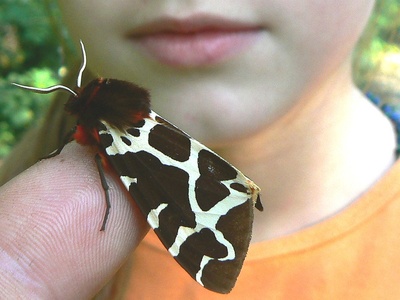
Entomology
Entomology studies insects’ biology, ecology, and interactions with humans and crops. Practitioners support pest management, pollinator conservation, and forensic investigations.
Ornithology
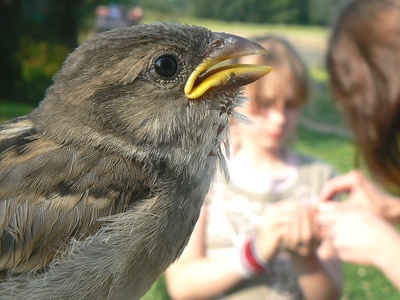
Ornithology focuses on bird life—anatomy, migration, songs, and conservation. Bird scientists work in research, monitoring, habitat restoration, and public education.
Herpetology
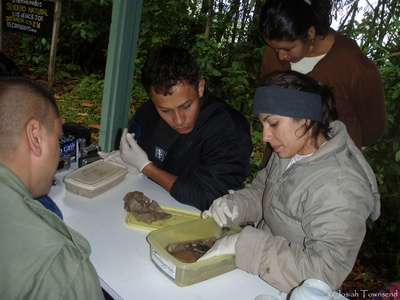
Herpetology studies reptiles and amphibians’ ecology, physiology, and conservation. Work ranges from field surveys and captive breeding to disease research and habitat protection.
Ichthyology
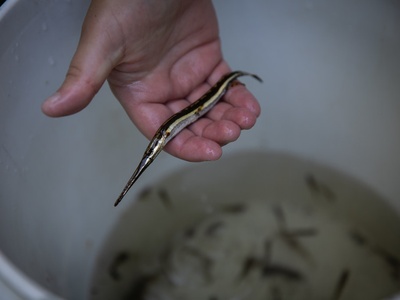
Ichthyology examines fish diversity, anatomy, life histories, and fisheries. Ichthyologists advise sustainable management, study evolution, and support aquaculture development.
Mammalogy
Mammalogy studies mammals’ biology and ecology, including behavior and conservation. Mammalogists contribute to species recovery, ecological research, and public education about mammals.
Paleontology
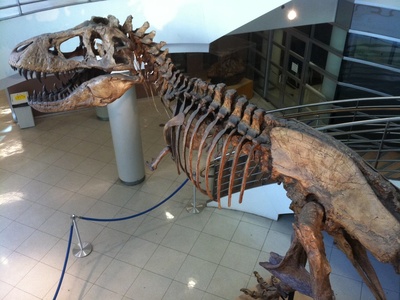
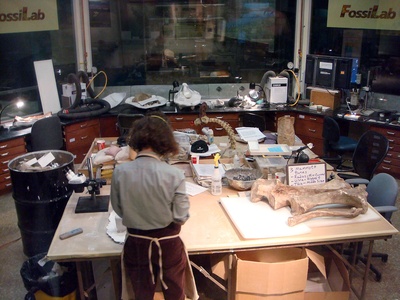
Paleontology reconstructs past life and environments using fossils. Paleontologists study evolution, extinction, and ancient ecosystems, blending fieldwork, lab analysis, and geological context.
Paleobiology
Paleobiology emphasizes the biological aspects of fossils, interpreting ancient organisms’ biology and evolution to understand long-term patterns in life’s history.
Animal Behavior (Ethology)
Animal behavior explores why animals act as they do, from instinct to learning. Ethologists study communication, mating systems, and cognition, informing conservation, welfare, and evolutionary theory.
Biochemistry
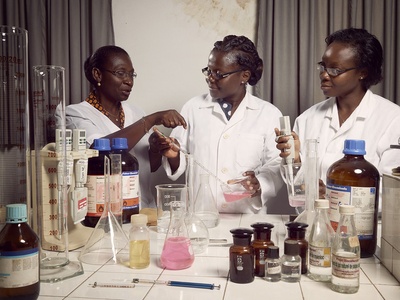
Biochemistry studies chemical processes within living systems, such as metabolism and enzyme action. It bridges biology and chemistry, underpinning drug development, diagnostics, and molecular research.
Biophysics
Biophysics applies physics and quantitative methods to biological problems, from protein dynamics to cellular mechanics, enabling advanced imaging, modeling, and nanobiology applications.
Structural Biology
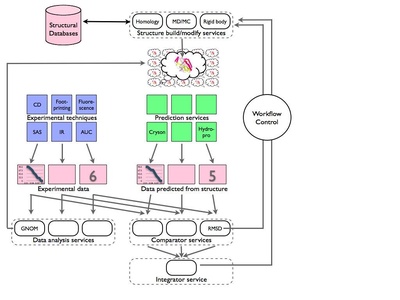
Structural biology determines three-dimensional structures of biological macromolecules to understand function. It’s central to drug design, enzyme engineering, and understanding molecular mechanisms.
Systems Biology
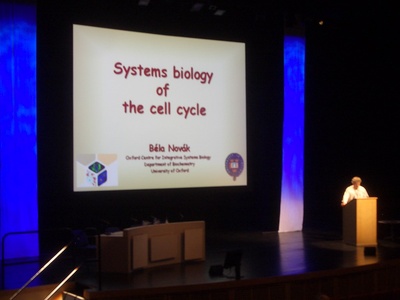
Systems biology integrates data across scales to model biological networks and emergent properties. It helps predict system responses, design interventions, and inform synthetic biology efforts.
Synthetic Biology
Synthetic biology designs and builds new biological functions or organisms using engineering principles. It enables novel therapeutics, biosensors, sustainable materials, and advances in applied life sciences.
Biotechnology
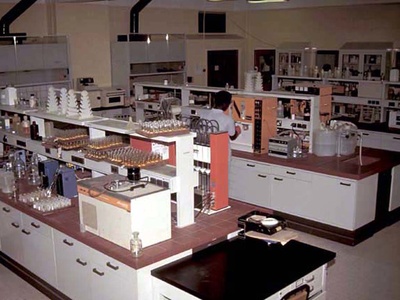
Biotechnology applies biological systems for practical use—drugs, diagnostics, agriculture, and industrial processes. It merges biology with engineering and commercialization to create real-world products and solutions.
Bioinformatics
Bioinformatics uses computational methods to analyze biological data like DNA sequences. Specialists build pipelines, interpret genomics data, and support research in medicine, ecology, and evolution.
Computational Biology
Computational biology develops algorithms and models to simulate biological systems. It answers questions about dynamics, evolution, and molecular interactions and supports experimental design and interpretation.
Proteomics
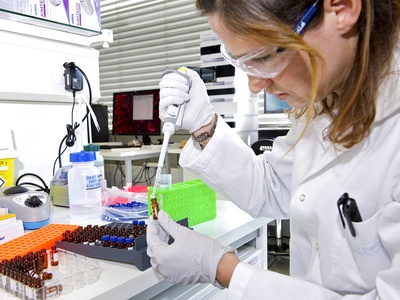
Proteomics studies the full set of proteins in a cell or organism, revealing expression patterns, modifications, and interactions useful for biomarker discovery and understanding cellular responses.
Metabolomics
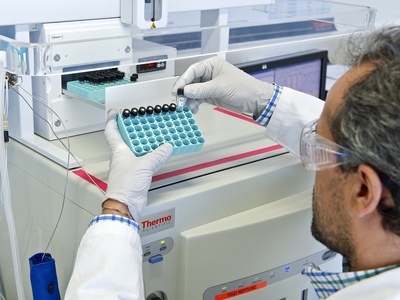
Metabolomics analyzes small-molecule metabolites to profile physiological states and responses. It supports disease biomarker identification, nutritional studies, and environmental impact assessments.
Microbial Ecology
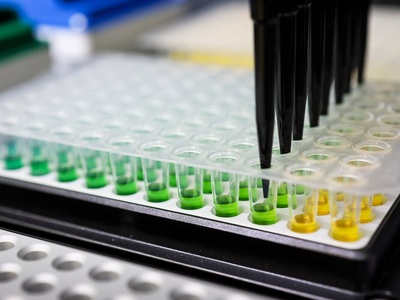
Microbial ecology explores how microbial communities function, interact, and influence ecosystems. It informs soil health, water quality, bioremediation, and human microbiome research.
Plant Physiology
Plant physiology studies how plants function, from photosynthesis to hormone signaling and stress responses. It helps improve crop yields, resilience, and sustainable agriculture practices.
Plant Pathology
Plant pathology investigates diseases affecting crops and wild plants, identifying pathogens and developing control strategies to protect food security and ecosystems.
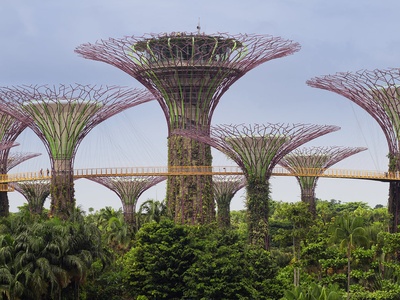
Plant Ecology
Plant ecology examines how plant populations and communities interact with each other and the environment. It informs habitat restoration, invasive species management, and ecosystem services studies.
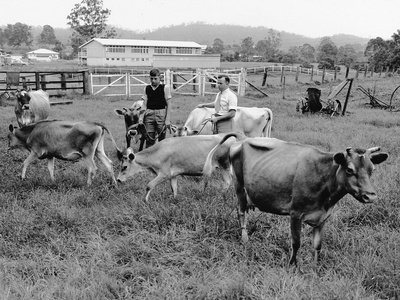
Agricultural Science
Agricultural science applies biological knowledge to optimize food production, improve soils, manage pests, and develop sustainable farming systems supporting global food supply and rural economies.
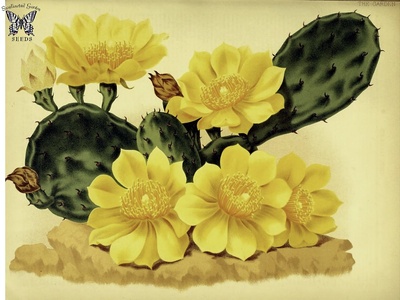
Horticulture
Horticulture focuses on cultivating garden plants, fruits, and ornamentals, combining plant science with practical production, breeding, and landscape design for food, aesthetics, and biodiversity.
Forestry Science
Forestry science studies forest ecosystems and sustainable management. Foresters balance timber production, biodiversity, and ecosystem services through planning, restoration, and conservation work.
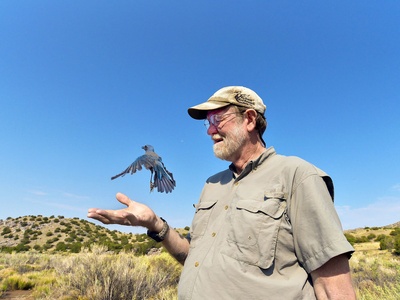
Wildlife Biology
Wildlife biology focuses on wild animal populations and their habitats. Practitioners conduct surveys, design conservation plans, and manage human-wildlife interactions to conserve species and ecosystems.
Population Biology
Population biology studies the factors affecting species’ population sizes and structures. It blends genetics, ecology, and theory to guide harvesting, conservation, and disease management decisions.
Limnology
Limnology studies inland waters—lakes, rivers, and wetlands—examining physical, chemical, and biological processes to inform water management, biodiversity protection, and pollution control.
Environmental Biology
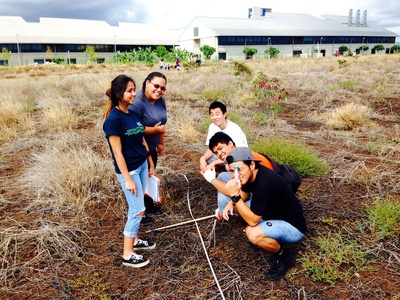
Environmental biology investigates how organisms interact with changing environments, including pollution and land-use change, providing evidence for policy, remediation, and conservation strategies.
Toxicology
Toxicology studies how chemicals affect living organisms and ecosystems. Specialists assess risk, set safety standards, and develop tests to protect human health and environmental integrity.
Endocrinology
Endocrinology studies hormones and regulatory systems across organisms. In a biological science context it explores physiological control, development, and behavior rather than clinical practice.
Evolutionary Developmental Biology
Evo-devo links development and evolution to understand how changes in developmental processes drive morphological diversity. It offers insights into evolutionary innovation and constraints across species.
Human Biology
Human biology treats humans as biological organisms, integrating evolution, genetics, physiology, and behavior. It underlies anthropology, health sciences, and biomedical research while remaining distinct from clinical medical practice.
Comparative Anatomy
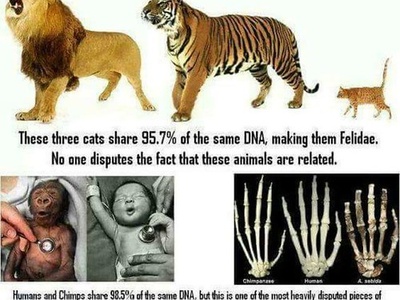
Comparative anatomy examines structural similarities and differences across species to infer function and evolutionary relationships, supporting paleontology, developmental biology, and functional morphology studies.
Morphology
Morphology studies organisms’ shapes and structural organization, linking form with function, development, and evolution. It supports taxonomy, ecology, and evolutionary inference across diverse life forms.
Reproductive Biology
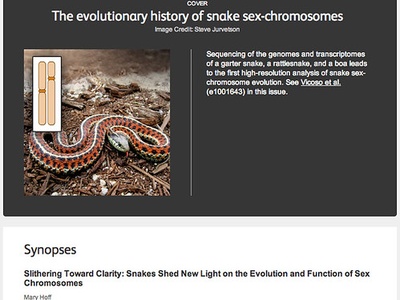
Reproductive biology explores how organisms reproduce, from molecular gamete processes to mating systems and reproductive strategies, informing conservation, agriculture, and fertility research.
Stem Cell Biology
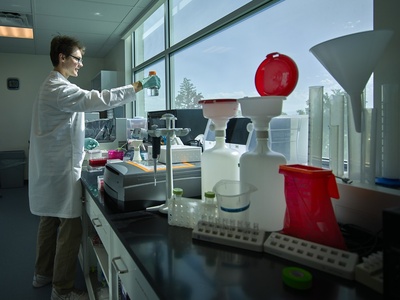
Stem cell biology investigates cells with the ability to self-renew and differentiate. It underpins regenerative medicine, developmental research, and tissue engineering applications.
Regenerative Biology
Regenerative biology studies how organisms replace or regrow tissues and organs. Findings inform medicine, biomaterials, and understanding of evolutionarily variable regenerative capacities.
Cancer Biology
Cancer biology investigates cellular and molecular mechanisms driving uncontrolled cell growth. It fuels drug discovery, diagnostics, and translational research to prevent, detect, and treat cancers.
Biogeography
Biogeography studies where species live and why, combining ecology, evolution, and geology to explain distribution patterns and inform conservation and biodiversity management.
Chronobiology
Chronobiology examines biological timing systems like circadian rhythms, influencing behavior, physiology, and health. It supports research in sleep, shift-work health, agriculture, and chronotherapy.
Soil Biology
Soil biology explores organisms living in soil and their roles in nutrient cycling and plant health. It’s essential for agriculture, ecosystem services, and restoration ecology.
Microbiome Science
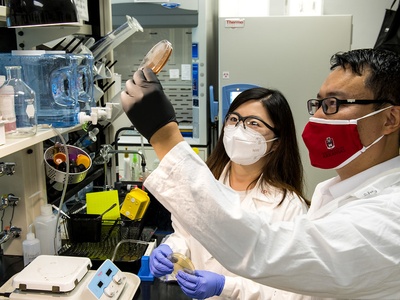
Microbiome science studies microbial communities associated with hosts or environments and how they influence health, nutrition, and ecosystem function, driving applications in medicine, agriculture, and biotechnology.
Nematology
Nematology focuses on roundworms’ biology and impacts in soil, plants, and animals. Nematologists develop control strategies and study ecological roles of these abundant organisms.
Phycology
Phycology studies algae, from microscopic phytoplankton to seaweeds, with applications in biofuels, aquaculture, carbon cycling, and aquatic ecosystem health.
Cryobiology
Cryobiology investigates how life survives low temperatures and develops preservation methods for cells, tissues, and organisms, enabling biobanking, assisted reproduction, and cold-climate biology studies.
Astrobiology
Astrobiology explores life’s origins and potential beyond Earth by studying extreme environments, planetary conditions, and biochemical possibilities. It connects biology with astronomy and planetary science.
Biogeochemistry
Biogeochemistry examines how living organisms influence chemical cycles like carbon and nitrogen. It informs climate science, ecosystem function, and pollution mitigation strategies.
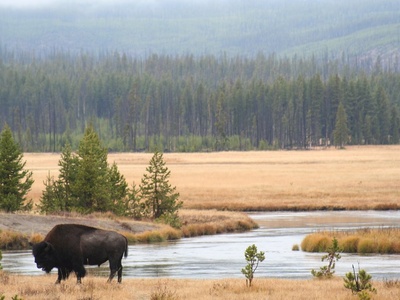
Conservation Genetics
Conservation genetics applies genetic tools to conserve species, assess genetic health, design breeding programs, and guide reintroductions to maintain viable populations.
Behavioral Ecology
Behavioral ecology studies how ecological pressures shape animal behavior and strategies. It links behavior with fitness, evolution, and conservation planning in natural and managed populations.