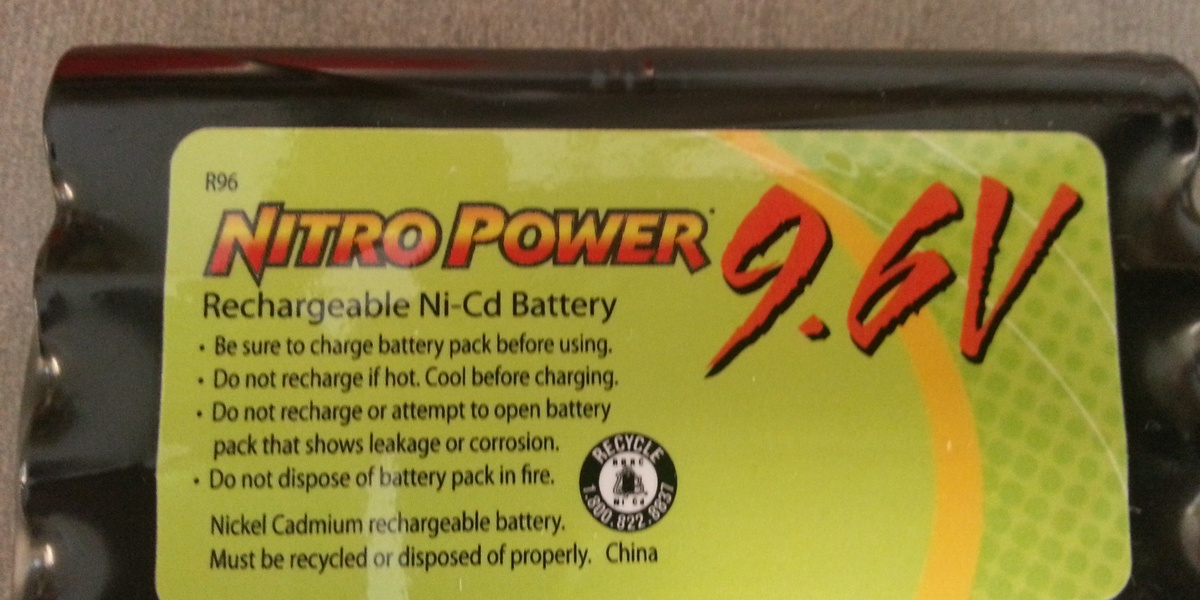
In the early 19th century, cadmium was identified as a trace product of zinc smelting (around 1817), and it soon found uses in pigments, batteries, and electronic materials (PubChem; historical smelting accounts summarized in modern reviews).
Knowing how cadmium behaves chemically matters for several reasons: it determines which materials it forms, how toxic species can be released into the environment, and which compounds make useful semiconductors and pigments.
This piece lists 10 elements cadmium reacts with, grouped into three practical categories — the chalcogens and oxygen, the halogens, and selected metalloids/nonmetals — plus a short note on alloying with other metals. Along the way I’ll point out why each reaction matters for industry, safety, or recycling (and cite authoritative sources where helpful, for example NIOSH for occupational controls).
Chalcogens and Oxygen: Oxides, Sulfides, Selenides, and Tellurides
The chalcogen group (oxygen, sulfur, selenium, tellurium) yields the most industrially important cadmium compounds. Under oxidizing or chalcogen-rich conditions cadmium converts predictably to binary compounds — oxides, sulfides, selenides, and tellurides — each with distinct properties that industry exploits.
1. Oxygen (forms cadmium oxide, CdO)
Cadmium metal oxidizes to cadmium oxide when heated in air: 2 Cd + O2 → 2 CdO. Formation is common in smelting fumes and high-temperature processes.
CdO is a basic, crystalline oxide used as a precursor for other cadmium salts, in ceramic glazes, and historically in electrodes and glass additives. Its melting point is high — roughly 1,925 °C — which is why it’s stable in many high-temperature manufacturing steps (PubChem: CdO).
From a safety perspective, oxide dust can be inhaled and is a regulated industrial hazard; engineering controls and respirators are often required where CdO fumes or powders may form.
2. Sulfur (forms cadmium sulfide, CdS)
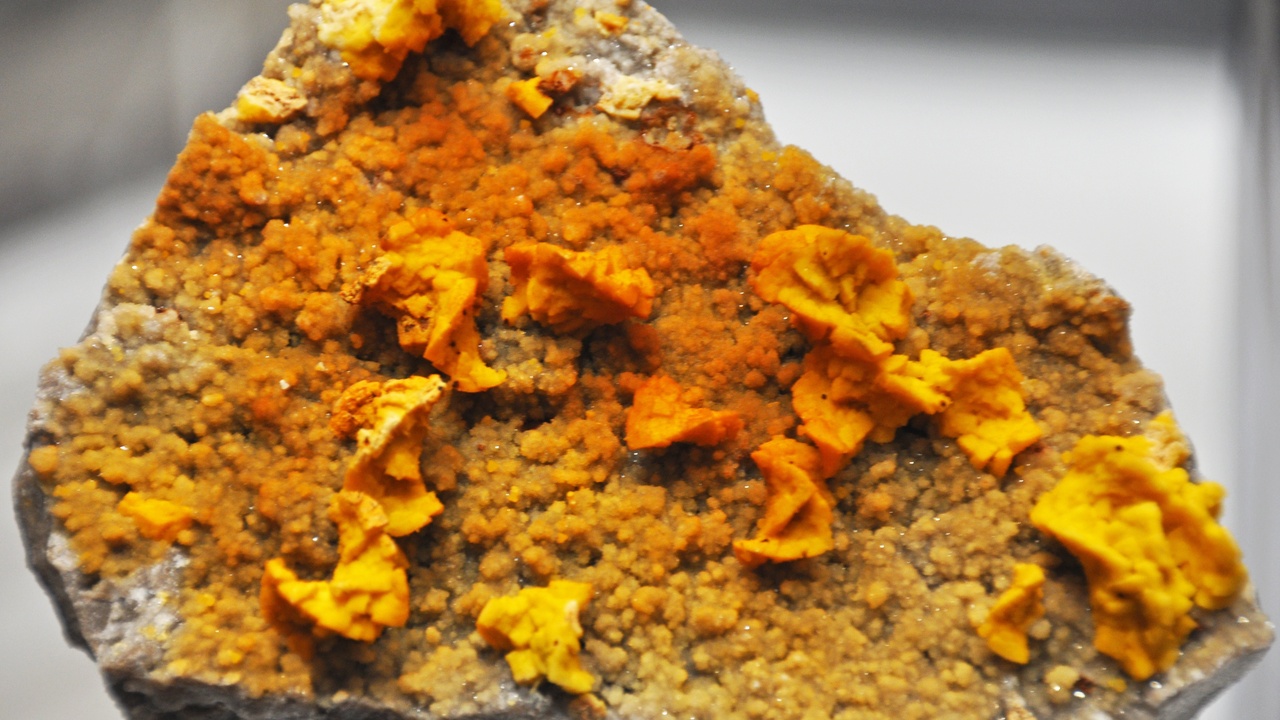
Cadmium sulfide is one of the oldest industrial cadmium compounds. It precipitates readily from cadmium salts and sulfide sources and appears as a bright yellow powder used historically as the artist’s pigment “Cadmium Yellow.”
CdS is also a semiconductor with a direct bandgap around 2.4 eV in bulk form, which made it useful in early photodetectors and photocells. Typical syntheses in the lab involve adding H2S or sulfide salts to aqueous cadmium solutions to produce CdS precipitate.
While attractive for color and optical properties, CdS dust and degraded paint films are toxic, so modern use is limited and disposal is regulated to prevent environmental release.
3. Selenium and Tellurium (CdSe and CdTe semiconductors)
Cadmium forms II–VI semiconductors with selenium and tellurium that are central to optoelectronics. CdSe (bandgap roughly 1.7 eV for some nanostructures; variable with particle size) and CdTe (bandgap ~1.44 eV in bulk) have complementary optical properties.
CdSe is widely used in quantum dots for displays and imaging, where size-tunable emission is a key advantage. CdTe is the basis for a commercially deployed thin-film photovoltaic technology — companies like First Solar produce CdTe modules at scale.
Manufacturing and end-of-life recycling require strict environmental and worker protections because of cadmium’s toxicity; many producers implement closed-loop recycling for CdTe modules to limit release.
Halogens: Chlorides, Bromides, and Iodides
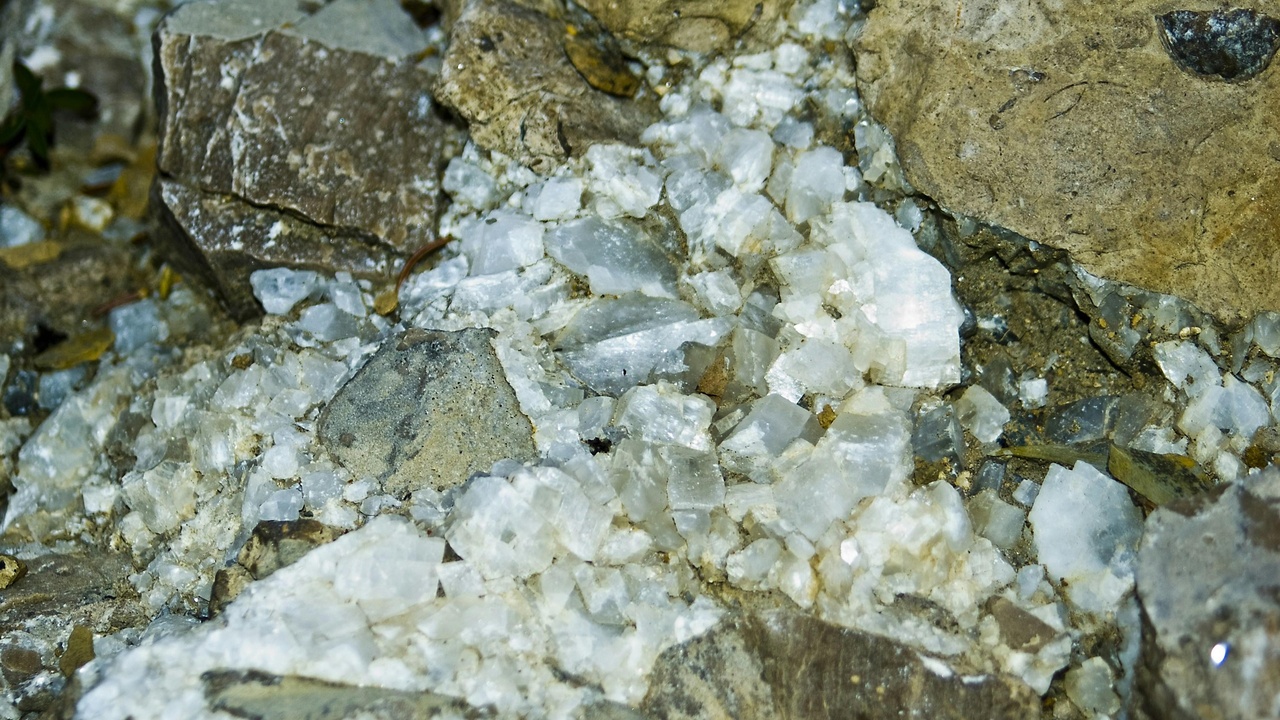
Halogens form a family of soluble cadmium salts with predictable coordination chemistry. Chlorides, bromides, and iodides are useful in synthesis, electroplating, and materials research because they dissolve or crystallize in convenient ways.
4. Chlorine (forms cadmium chloride, CdCl2)
Cadmium reacts with chlorine to give cadmium chloride, either by direct combination at elevated temperature or by dissolving cadmium metal/oxide in hydrochloric acid. CdCl2 is water-soluble and commonly used as a reagent and plating precursor.
Electroplating baths typically use metal salt concentrations in the 0.1–1.0 M range depending on process parameters, and cadmium chloride solutions have historically been part of cadmium plating recipes for corrosion-resistant coatings.
Because CdCl2 dissolves readily, spills and wastewater must be controlled; occupational guidance treats soluble cadmium salts as significant inhalation and ingestion hazards (PubChem: CdCl2).
5. Bromine (forms cadmium bromide, CdBr2)
Cadmium bromide is chemically analogous to the chloride and is commonly prepared by reacting cadmium metal or oxide with hydrobromic acid. It forms crystalline, water-soluble salts used mainly in research and specialized syntheses.
CdBr2’s solubility and ionic behavior make it useful for halide-exchange chemistries, but like other soluble cadmium salts, it is handled under strict controls to avoid inhalation or contamination of waste streams.
6. Iodine (forms cadmium iodide, CdI2)
Cadmium iodide is known for its layered, CdI2-type crystal structure, which has been a model system in solid-state chemistry. It is prepared by mixing cadmium salts with iodide and is studied for intercalation and layered-material behavior.
Industrial use is limited, but CdI2 remains important in academic contexts. As with other cadmium halides, environmental persistence and toxicity require careful laboratory practices and waste capture.
Metalloids and Nonmetals: Arsenides, Phosphides, and Nitrides
Certain metalloids and nonmetals pair with cadmium to make niche but high-value semiconductors and research materials. These compounds often require controlled, high-temperature, or vapor-phase syntheses and are central to advanced optoelectronic studies.
7. Arsenic (forms cadmium arsenide, Cd3As2)
Cd3As2 is noteworthy in condensed-matter physics as a topological semimetal and a platform for studying 3D Dirac fermions. Researchers have reported very high electron mobilities in carefully grown crystals, with some studies quoting mobilities exceeding 1×10^5 cm2·V−1·s−1 under specific conditions.
Typical syntheses involve vapor transport or melt-growth techniques under inert atmospheres. Because both cadmium and arsenic are toxic, labs use sealed reactors, fume containment, and strict waste protocols during production and characterization.
8. Phosphorus (forms cadmium phosphide, Cd3P2)
Cadmium phosphide is a narrow-bandgap semiconductor studied for infrared detection. Its bandgap and optical absorption make it attractive for mid-infrared photodetector research.
Preparation typically requires combining cadmium and phosphorus in sealed ampoules or performing high-temperature syntheses in inert atmospheres to prevent oxidation and control stoichiometry. Handling protocols are strict because of the toxicity of both components.
9. Nitrogen (forms cadmium nitride, Cd3N2)
Cadmium nitride is less common but known in thin-film and academic contexts. Researchers have produced Cd3N2 by ammonolysis of cadmium precursors, by reactive sputtering in nitrogen plasmas, or by direct reaction with activated nitrogen species.
Such thin films are explored for unusual electronic behavior and as part of layered heterostructures. Deposition temperatures and plasma conditions matter a lot; many groups use low-temperature reactive sputtering to get reproducible films while minimizing cadmium volatilization.
Alloys and Metal Interactions: Practical Notes (Zinc and Mercury examples)
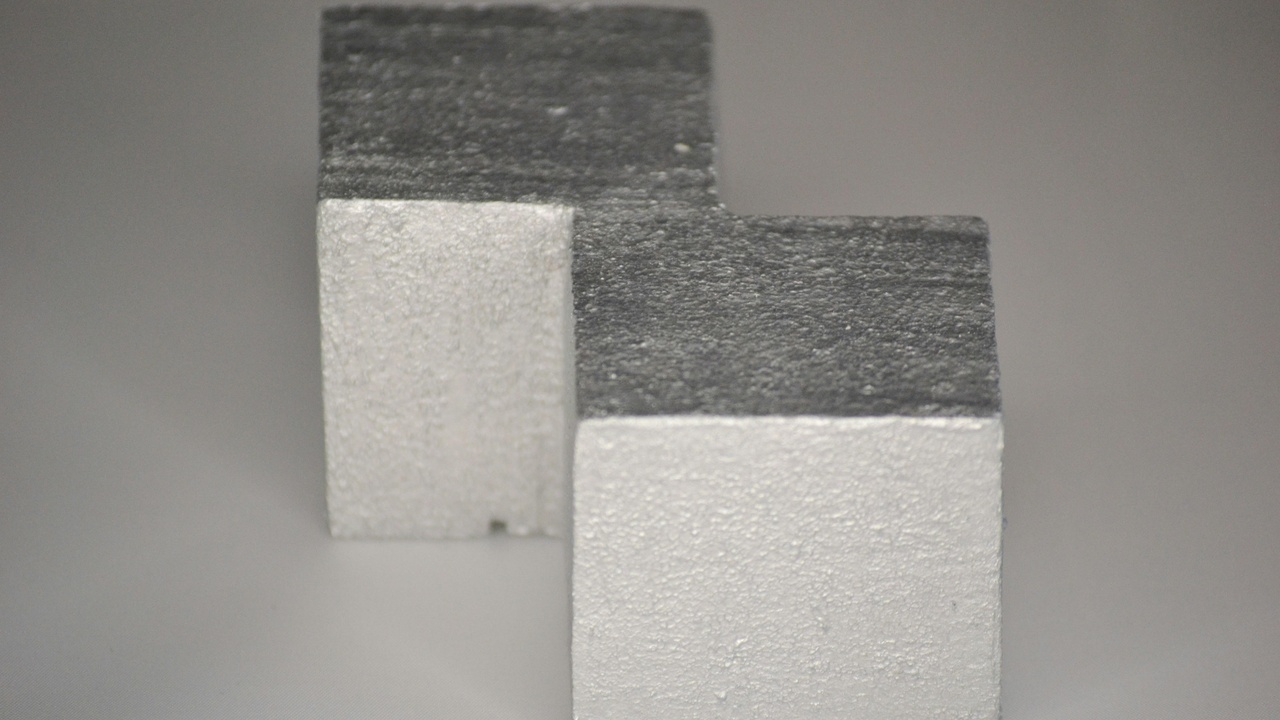
Beyond discrete compounds with nonmetals, cadmium also interacts with other metals to form alloys and intermetallic phases. These interactions change melting points, mechanical strength, and corrosion behavior — and they carry different regulatory implications than soluble cadmium salts.
10. Zinc and Mercury (examples of metal interactions/alloying)
Cadmium and zinc form solid solutions and intermetallics; small cadmium additions (often a few percent by weight in specialty coatings) can affect galvanic behavior and sacrificial-corrosion characteristics in metal finishes.
Mercury forms amalgams with cadmium. Historically, amalgams had niche uses, but modern practice has phased out mercury-containing devices in favor of safer alternatives. Both kinds of metal mixtures complicate recycling streams and are subject to regulation when they enter electronics waste.
Practically, alloying is different from forming a chemical compound: alloys are metallic solutions or intermetallics, not ionic salts, and recovery usually requires metallurgical routes rather than chemical precipitation.
Summary
- Chalcogens (O, S, Se, Te) produce the most industrially important cadmium products — CdO, CdS, CdSe, and CdTe — used in pigments, LEDs, and photovoltaic cells.
- Halogens (Cl, Br, I) yield soluble cadmium salts widely used in electroplating and synthesis; their solubility makes containment and wastewater control essential.
- Metalloids and nonmetals (As, P, N) form niche semiconductors such as Cd3As2 and Cd3P2 that are valuable in research but require sealed, tightly controlled synthesis due to toxicity.
- Cadmium also alloys with metals like zinc and mercury, altering corrosion and mechanical behavior; alloy-containing wastes have different recycling paths and regulatory rules than cadmium salts.
- Understanding the elements cadmium reacts with helps prioritize safety, material choices (for example, CdTe solar panels), and proper disposal or recycling of cadmium-containing products.