Nicaragua’s mix of Caribbean lowlands, Pacific dry forests, wetlands and cloud forests supports a wide variety of birdlife, from common garden species to specialists found only in particular habitats. This list brings those species together to help both first-time visitors and seasoned birders get oriented.
There are 60 Birds of Nicaragua, ranging from the Baltimore Oriole to the Yellow-naped Amazon. Each entry includes Scientific name,Length (cm),Status in Nicaragua — you’ll find below.
How can I use this list on a birding trip in Nicaragua?
Treat the list as a practical checklist: plan by habitat and season, prioritize species marked as rare or of conservation concern, download offline maps and checklists (eBird is useful), bring binoculars and a field guide, and consider hiring local guides for target birds and tricky identifications.
Where can I find up-to-date information on protection status and sightings?
Consult the Status in Nicaragua column for local notes, then verify with recent publications, national wildlife agencies, and local birding groups; online platforms like eBird and regional conservation NGOs also provide current sightings and alerts that can affect access or seasonality.
Birds of Nicaragua
| Common name | Scientific name | Length (cm) | Status in Nicaragua |
|---|---|---|---|
| Great Tinamou | Tinamus major | 40 | Resident/rare |
| Least Grebe | Tachybaptus dominicus | 22 | Resident/common |
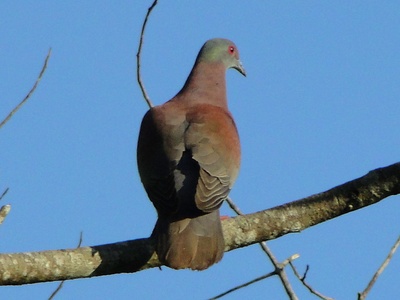
| Pale-vented Pigeon | Patagioenas cayennensis | 32 | Resident/common |
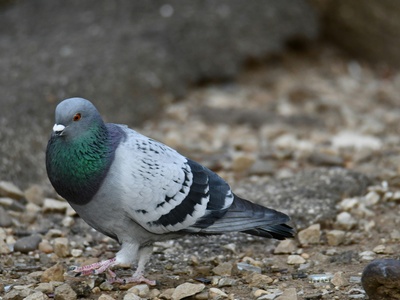
| Rock Pigeon | Columba livia | 32 | Resident/common |
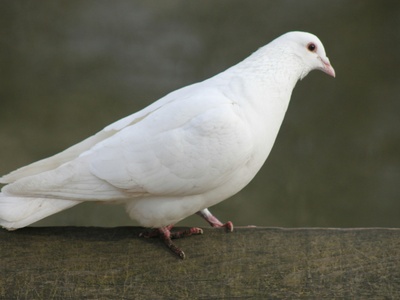
| White-tipped Dove | Leptotila verreauxi | 28 | Resident/common |
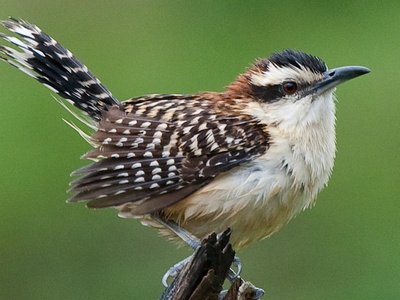
| Rufous-naped Wren | Campylorhynchus rufinucha | 20 | Resident/common |
| House Wren | Troglodytes aedon | 13 | Resident/common |
| Tropical Kingbird | Tyrannus melancholicus | 22 | Resident/common |
| Social Flycatcher | Myiozetetes similis | 20 | Resident/common |
| Great Kiskadee | Pitangus sulphuratus | 25 | Resident/common |
| Mangrove Swallow | Tachycineta albilinea | 12 | Resident/common |
| Barn Swallow | Hirundo rustica | 17 | Migrant/common |
| Purple Martin | Progne subis | 19 | Migrant/regular visitor |
| Gray-breasted Martin | Progne chalybea | 15 | Resident/common |
| Black Vulture | Coragyps atratus | 56 | Resident/common |
| Turkey Vulture | Cathartes aura | 70 | Resident/common |
| Roadside Hawk | Rupornis magnirostris | 38 | Resident/common |
| Broad-winged Hawk | Buteo platypterus | 45 | Migrant/common |
| Swallow-tailed Kite | Elanoides forficatus | 55 | Migrant/regular visitor |
| Great Black Hawk | Buteogallus urubitinga | 52 | Resident/rare |
| Ferruginous Pygmy-Owl | Glaucidium brasilianum | 15 | Resident/common |
| Spectacled Owl | Pulsatrix perspicillata | 45 | Resident/rare |
| Common Pauraque | Nyctidromus albicollis | 27 | Resident/common |
| Lesser Nighthawk | Chordeiles acutipennis | 23 | Migrant/regular visitor |
| Resplendent Quetzal | Pharomachrus mocinno | 36 | Resident/rare |
| Keel-billed Toucan | Ramphastos sulfuratus | 55 | Resident/rare |
| Collared Aracari | Pteroglossus torquatus | 38 | Resident/common |
| Lineated Woodpecker | Dryocopus lineatus | 36 | Resident/common |
| Golden-fronted Woodpecker | Melanerpes aurifrons | 21 | Resident/common |
| Rufous-tailed Hummingbird | Amazilia tzacatl | 9 | Resident/common |
| White-necked Jacobin | Florisuga mellivora | 11 | Resident/common |
| Sparkling Violetear | Colibri coruscans | 12 | Resident/regular visitor |
| Yellow-naped Amazon | Amazona auropalliata | 36 | Resident/rare |
| Scarlet Macaw | Ara macao | 85 | Resident/rare |
| Orange-chinned Parakeet | Brotogeris jugularis | 20 | Resident/common |
| Blue-crowned Motmot | Momotus momota | 38 | Resident/common |
| Clay-colored Thrush | Turdus grayi | 26 | Resident/common |
| Swainson’s Thrush | Catharus ustulatus | 16 | Migrant/common |
| Bananaquit | Coereba flaveola | 10 | Resident/common |
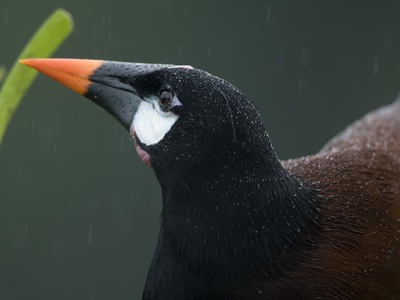
| Montezuma Oropendola | Psarocolius montezuma | 45 | Resident/common |
| Baltimore Oriole | Icterus galbula | 20 | Migrant/regular visitor |
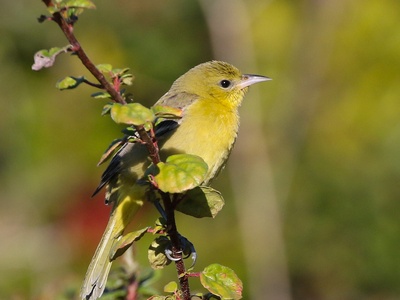
| Orchard Oriole | Icterus spurius | 15 | Migrant/regular visitor |
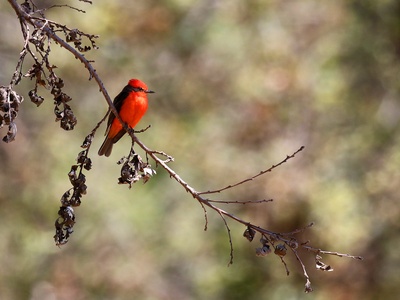
| Vermilion Flycatcher | Pyrocephalus rubinus | 13 | Resident/rare |
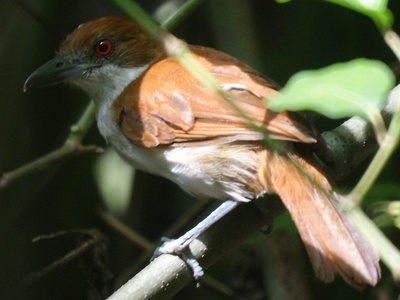
| Great Antshrike | Taraba major | 20 | Resident/rare |
| White-collared Manakin | Manacus candei | 11 | Resident/common |
| Red-capped Manakin | Ceratopipra mentalis | 9 | Resident/common |
| Golden-hooded Tanager | Stilpnia larvata | 13 | Resident/common |
| Rufous-tailed Jacamar | Galbula ruficauda | 20 | Resident/common |
| Green Ibis | Mesembrinibis cayennensis | 55 | Resident/rare |
| Jabiru | Jabiru mycteria | 120 | Resident/rare |
| Snowy Egret | Egretta thula | 56 | Resident/common |
| Great Egret | Ardea alba | 100 | Resident/common |
| Green Heron | Butorides virescens | 44 | Resident/common |
| Yellow-crowned Night Heron | Nyctanassa violacea | 61 | Resident/rare |
| Laughing Falcon | Herpetotheres cachinnans | 46 | Resident/rare |
| White-tailed Kite | Elanus leucurus | 37 | Resident/rare |
| Belted Kingfisher | Megaceryle alcyon | 28 | Migrant/regular visitor |
| Ringed Kingfisher | Megaceryle torquata | 42 | Resident/common |
| Green-and-rufous Kingfisher | Chloroceryle inda | 22 | Resident/rare |
| Black-cowled Oriole | Icterus prosthemelas | 20 | Resident/common |
Images and Descriptions
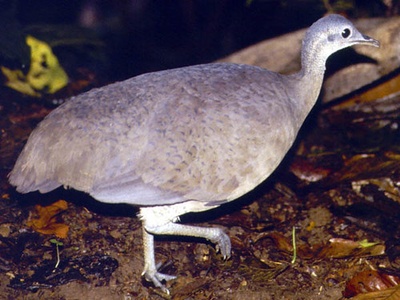
Great Tinamou
Shy ground-dwelling bird with cryptic brown plumage and deep low calls at dawn. Secretive in mature lowland forest and tall second growth; best heard at dawn in Bosawás and other protected reserves. Hard to see but distinct voice makes detection possible.
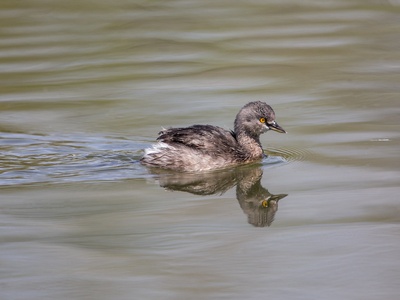
Least Grebe
Small compact grebe with dark plumage, yellow bill in breeding plumage and rapid diving behavior. Found on quiet ponds, lakes, and marshes across Nicaragua; watch for their popping calls and sudden dives while boating or at wetlands like Río San Juan.
Pale-vented Pigeon
Stocky pigeon with pale vent and subtle pinkish neck wash; soft cooing on mornings. Widespread in open woodland, agricultural edges, and towns. Easily seen perched conspicuously or feeding on fruits in riparian corridors and farm hedgerows.
Rock Pigeon
Introduced city pigeon familiar on buildings and plazas with variable gray plumage and iridescent neck. Common resident in urban and coastal towns throughout Nicaragua; vocal cooing and ground‑feeding habits make it obvious in human-dominated landscapes.
White-tipped Dove
Plump brown dove with subtle white-tipped tail, soft mournful cooing and shy terrestrial foraging habits. Frequent in gardens, forest edges, and clearings. Often heard before seen; common throughout lowlands and foothills.
Rufous-naped Wren
Large, noisy wren with rufous nape, barred tail, and loud cascading songs from exposed perches. Found in dry forest, scrub, and farm borders; conspicuous and often in family groups along Pacific lowlands and central regions.
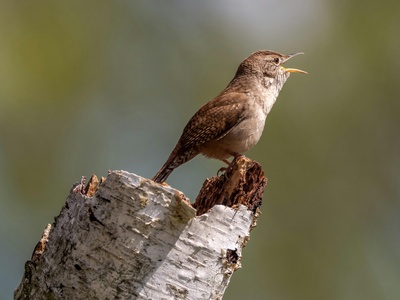
House Wren
Tiny, brown, highly active singer with bubbly, emphatic songs. Occupies gardens, forest edges, and human-modified habitats; nests readily in cavities and nest boxes. Common throughout Nicaragua and often the background soundtrack for birdwatchers.
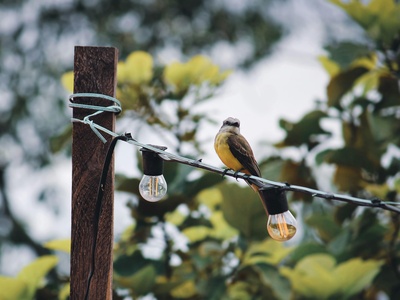
Tropical Kingbird
Bold yellow-bellied flycatcher with grey head and dark mask, perching conspicuously while hawking insects from exposed wires and snags. Extremely common in open areas, pastures, and near water across the country. Loud sharp calls.
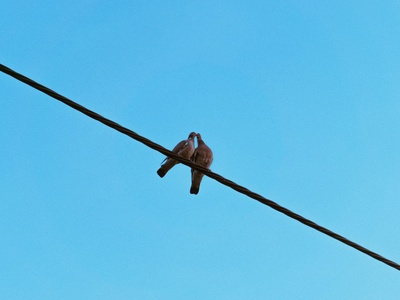
Social Flycatcher
Medium flycatcher with bold black-and-white head pattern, pale belly and red rump, often seen near water and human habitations. Sits conspicuously and sallies for insects; common in lowland forests, plantations, and parks.
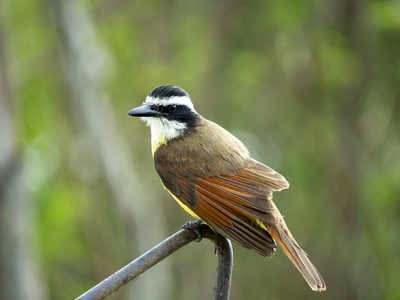
Great Kiskadee
Large, noisy flycatcher with bright yellow belly, brown back and black‑and‑white head pattern; characteristic loud kis-ka-dee call. Ubiquitous in open woodlands, towns, and along waterways; easily attracted to edges and clearings.
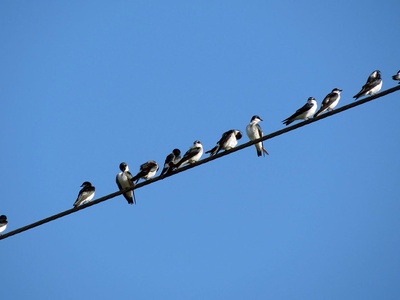
Mangrove Swallow
Small glossy swallow with white underparts and metallic blue-green upperparts, found along mangroves and coastal waterways. Agile over water catching insects; common along Pacific and Caribbean coasts, often nesting in cavities and holes near mangrove stands.
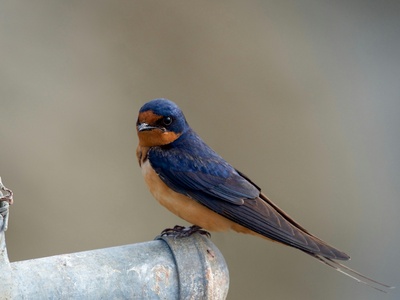
Barn Swallow
Familiar migratory swallow with forked tail, steel-blue upperparts and rufous underparts; swift in flight and often in flocks. Regular winter visitor and passage migrant in Nicaragua; common over fields, wetlands, and coastlines.
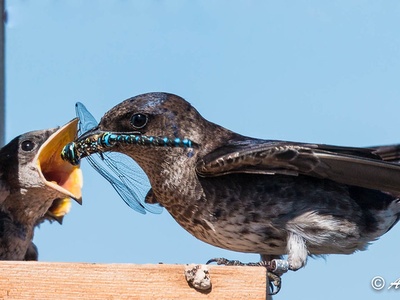
Purple Martin
Large swallow with glossy blue-black plumage; nests in cavities and gourds when available. Regular migratory visitor, especially in the Pacific lowlands and near human settlements where nest sites are provided; often forms communal roosts.
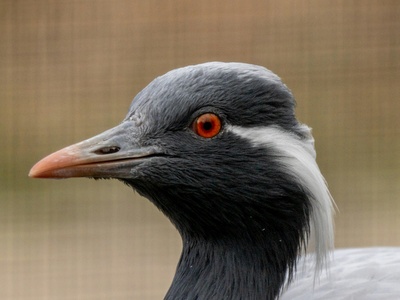
Gray-breasted Martin
Small dark martin with pale throat and stout shape, frequent near water and open areas. Common resident in lowland Nicaragua; often seen perched on wires and catching insects over rivers and fields.
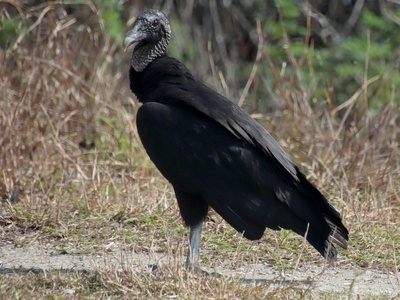
Black Vulture
Large black scavenger with bare head, broad wings and slow soaring flight. Very common around roadsides, garbage dumps, and open areas; frequently seen in groups and at roadkills, often outcompeting other scavengers.
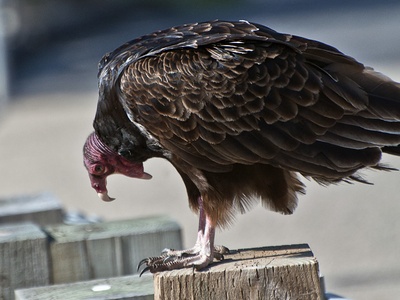
Turkey Vulture
Large vulture with red head and long wings, soaring in thermals with characteristic V-shaped wing posture. Widespread and common across habitats; often seen over open countryside, wetlands and along coasts searching for carrion.
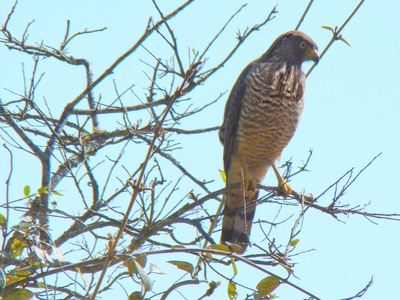
Roadside Hawk
Small hawk with barred underparts and short tail, perching conspicuously along roads and forest edges. Hunts perched for small birds and reptiles; common throughout lowland and foothill forests and agricultural areas.
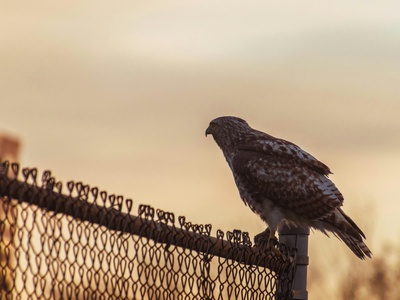
Broad-winged Hawk
Compact migrant raptor with brown upperparts and barred underparts, forming large migration kettles. Regular passage migrant and seasonal visitor en route between North and South America; seen over forested corridors and coastlines.
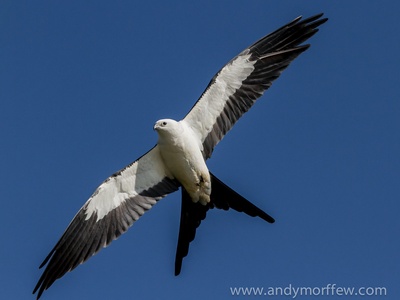
Swallow-tailed Kite
Graceful black‑and‑white raptor with deeply forked tail, aerial hunting acrobatics over forest canopies. Regular seasonal visitor in migration and during breeding dispersal; best seen over river corridors and lowland forests.
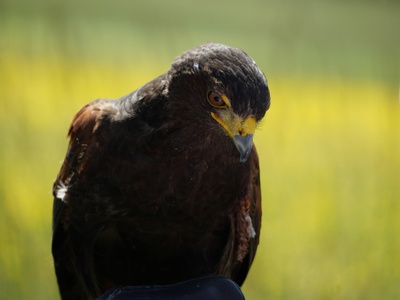
Great Black Hawk
Powerful dark hawk with broad wings and heavy bill, often hunting along rivers and wetlands for reptiles and crabs. Locally uncommon but conspicuous where present; found in lowland forests and mangroves, notably around Río San Juan.
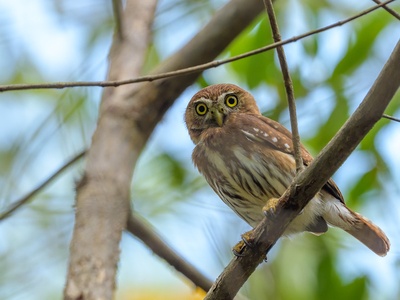
Ferruginous Pygmy-Owl
Small active owl with rufous or gray morphs, bold spotted plumage and repetitive two-note whistle. Diurnally active, often perching in open forest and edges; surprisingly common and vocal in gardens and forest fragments.
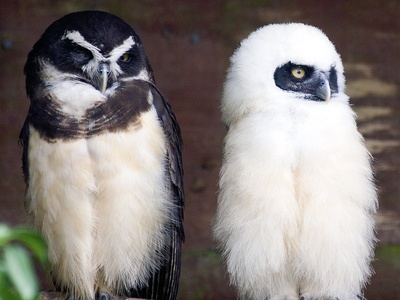
Spectacled Owl
Large nocturnal owl with dark face and striking pale facial disks resembling spectacles. Secretive in dense forest; best located by deep hoots at night in mature lowland and foothill forests, where it remains uncommon.
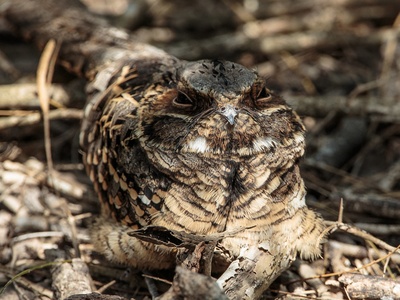
Common Pauraque
Cryptic nightjar with mottled plumage and long wingbeats at dusk, often perched along paths or on the ground. Nocturnal insectivore commonly seen at dusk and nighttime in open woodland, clearings and fields across Nicaragua.
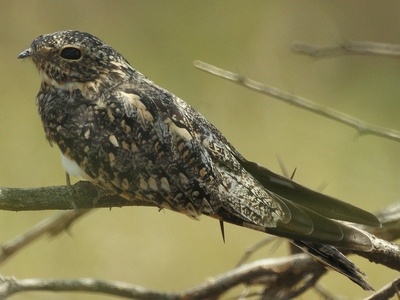
Lesser Nighthawk
Small, rapidly bobbing nightjar with intricate wing pattern and silent dusk flights. Regular migrant and passage visitor along coasts and open habitats in migration seasons, feeding on aerial insects at twilight.
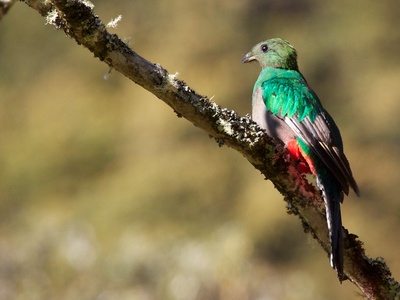
Resplendent Quetzal
Iconic emerald-green trogon with brilliant plumage and long tail streamers in males; produces soft, resonant whistles. Restricted to highland cloud forests in Nicaragua; a prized, rare sight in protected montane areas like Miraflor and other cloud forest patches.
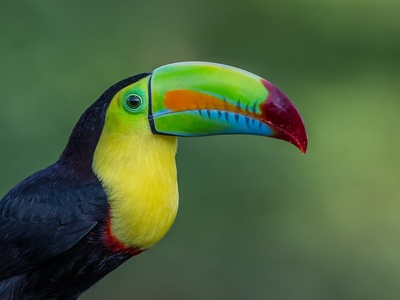
Keel-billed Toucan
Large, social toucan with oversized multicolored bill, black body and bright throat. Uses riverside and lowland forests, fruiting trees; conspicuous yet patchily distributed, seen in lowland forest reserves and rarely in well-forested agricultural areas.
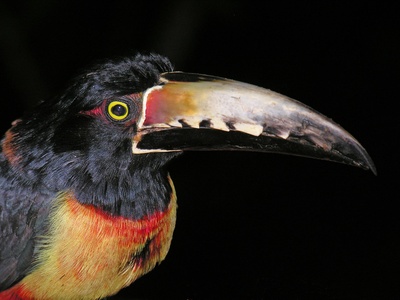
Collared Aracari
Small, colorful toucan with a serrated bill, black collar and red belly. Social and noisy in forest edges and cacao plantations; commonly encountered in small flocks feeding on fruit in open lowland and foothill forests.
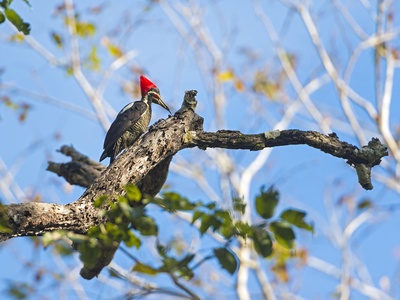
Lineated Woodpecker
Big, striking woodpecker with black body, white stripes on face and red crest in males. Drums and excavates in large trees across forest, plantations, and parks; conspicuous and common in mature stands.
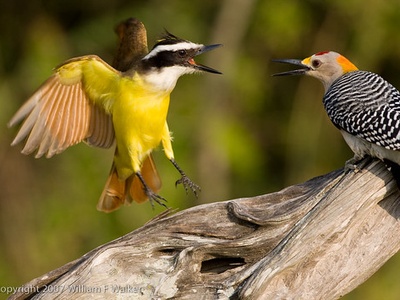
Golden-fronted Woodpecker
Medium woodpecker with yellowish forehead, barred back and red crown patch in males. Frequent in open woodlands, savannas and coffee plantations; perches conspicuously and drills palm and dead wood for insects and sap.
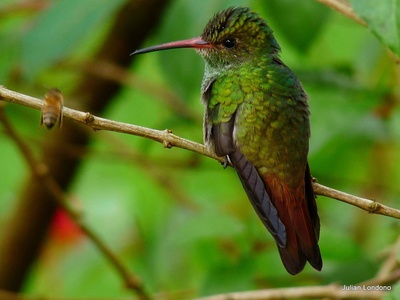
Rufous-tailed Hummingbird
Bright green hummingbird with rufous tail and straight bill; territorial at flowers and feeders. Common in gardens, forest edges and plantations throughout Nicaragua; audible rapid wing trill and frequent chases around feeders.
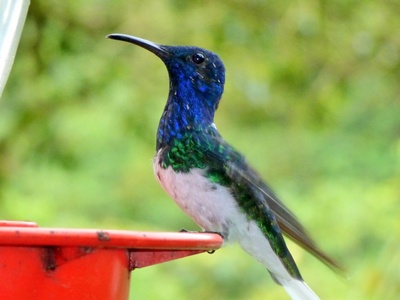
White-necked Jacobin
Large hummingbird with dazzling white neck patch on males, deep blue head and green back. Perches openly and feeds at large flowers and feeders; common in lowland forests, gardens and shaded coffee areas.
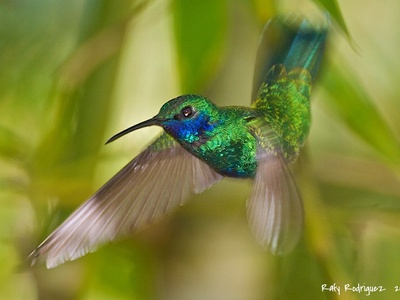
Sparkling Violetear
Iridescent hummingbird with bright violet ear patch and green body; favors mountainous habitats. Regular in highland gardens and edges; watch for rapid hovering displays and high-pitched calls in cloud forest zones.
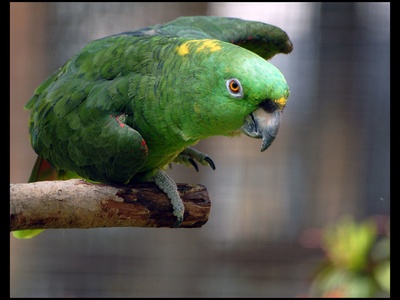
Yellow-naped Amazon
Large green parrot with distinctive yellow nape and loud raucous calls; highly social but declining from trapping and habitat loss. Found in Pacific coastal dry forest and mangroves; local and rare, often in small flocks where protected.

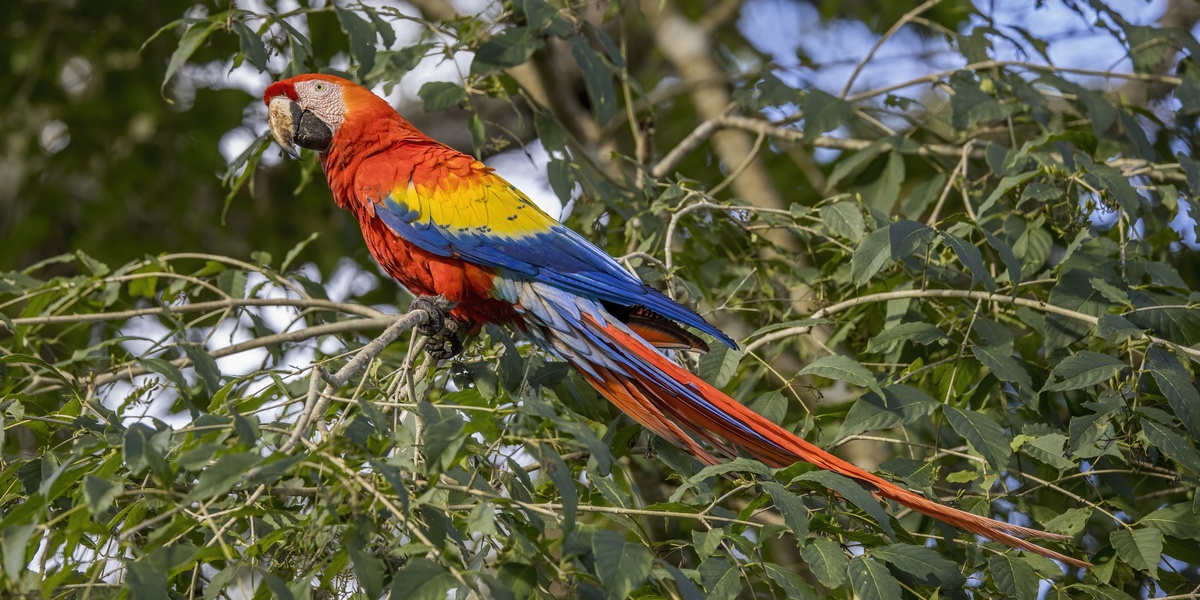
Scarlet Macaw
Spectacular large parrot with brilliant red, yellow and blue plumage, noisy calls and strong flight. Historically widespread but now rare and localized to protected lowland forests and river corridors like the Río San Juan; high priority for conservation.
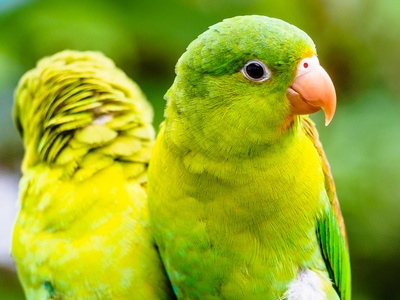
Orange-chinned Parakeet
Small slender parakeet with green plumage and orange chin patch; very vocal in fast chattering flocks. Common in lowland forest edges, gardens and agricultural areas; often seen flying in noisy groups at dawn and dusk.
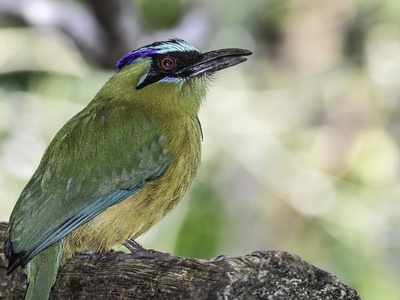
Blue-crowned Motmot
Emerald-blue and green motmot with racket-tipped tail and slow wagging behavior. Sits quietly in forest interior and edges, emitting low nasal calls; found across lowland and foothill forests, often near trails and clearings.
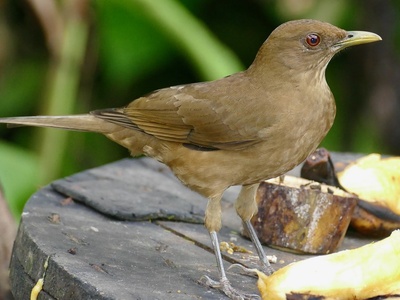
Clay-colored Thrush
Plain brown thrush with melodious song and steady posture; common and tame in gardens and cities. Widespread across Nicaragua and frequently encountered in parks, forest edges, and plantations; often sings at dawn and dusk.
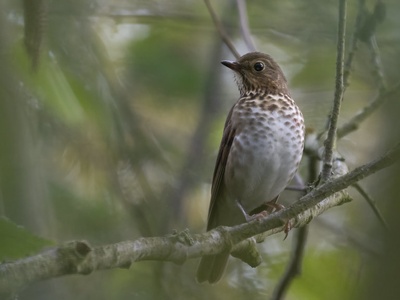
Swainson’s Thrush
Slender migratory thrush with spotted breast and rising flute-like song; migrates through Central America each spring and fall. Regular passage migrant in forested lowlands and edges; often secretive but detectable by song and behavior.
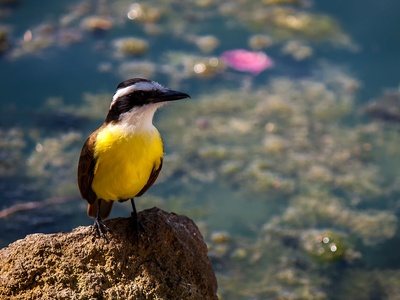
Bananaquit
Tiny hyperactive nectar-feeder with curved bill, black head and yellow underparts. Frequent at feeders, gardens and edge habitats; bold and conspicuous, often feeding beside hummingbirds and other small birds.
Montezuma Oropendola
Large black-and-yellow icterid with long hanging nests, deep gurgling calls and colonial breeding. Found in tall forest and forest edge, often in cacao and banana plantations; conspicuous and common where habitat intact.

Baltimore Oriole
Smart black-and-orange oriole visiting during migration with flutelike whistles; frequents trees and edges. Regular passage visitor and occasional wintering bird in Nicaragua; attracted to fruit, nectar and open woodland.
Orchard Oriole
Small slim oriole with glossy black and rufous plumage in males during breeding plumage; migrates through Central America. Regularly encountered during migration in riparian woodlands and open areas; often skulks in canopy.
Vermilion Flycatcher
Bright crimson male and plain brown female; perches openly on wires and posts scanning for insects. Local and patchy in Nicaragua, more common in open habitats near water and scrubby areas; showy but not widespread.
Great Antshrike
Large, heavy-billed antbird with sexual dimorphism; male black-and-white, female rufous. Prefers dense second-growth and forest edges; locally uncommon but detectable by deep loud calls in understory.
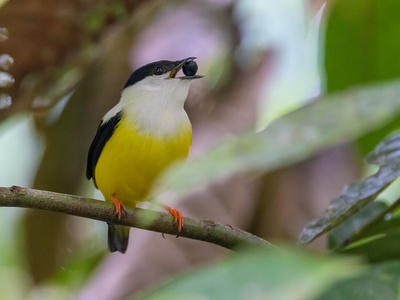
White-collared Manakin
Small stout bird with striking male courtship displays, white collar and rapid wing snaps. Inhabits lowland forest and secondary growth, where males display in leks; often seen near trails in protected reserves.
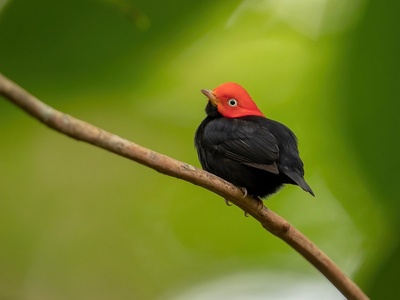
Red-capped Manakin
Tiny, active manakin with brilliant red cap on males and acrobatic courtship hops. Frequent in shady understory and along forest trails; males display rapid movements and wing snaps at leks. Often seen in lowland rainforest.
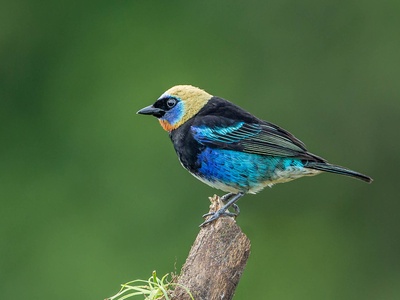
Golden-hooded Tanager
Vivid black-body bird with golden hood and blue facial markings; lively flocks in canopy and edges. Often seen in mixed-species flocks in lowland forest, plantations and gardens; striking and frequent at fruiting trees.
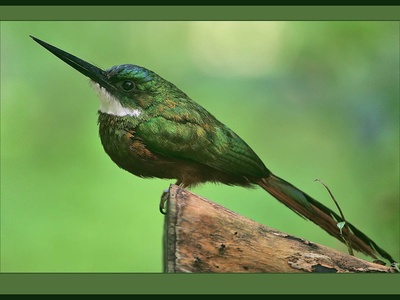
Rufous-tailed Jacamar
Slim metallic green jacamar with long bill and rufous tail, perching upright and sallying for insects. Found along forest edges, riverbanks and clearings; common and conspicuous where open perches are available near water.
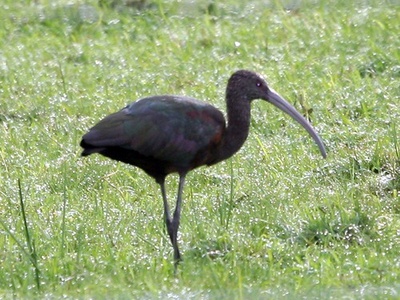
Green Ibis
Dark greenish ibis with long decurved bill and secretive habits in marshes and flooded forest. Local and uncommon; best sought in remote wetlands and riverine forests where it forages for aquatic prey among reeds.
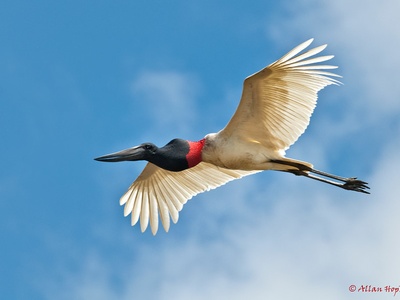
Jabiru
Massive white stork with black head and enormous heavy bill, striking silhouette in wetlands. Rare and localized in large marshes and river floodplains such as Río San Juan; an impressive and unmistakable species for wetland birding.
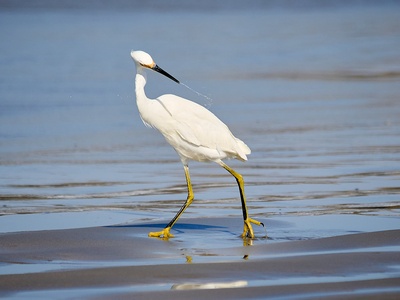
Snowy Egret
Elegant white heron with slender black bill and distinctive yellow feet, active in shallow water probing and stirring prey. Common in wetlands, estuaries and mangroves across Nicaragua; conspicuous and often forages close to shorelines and mudflats.
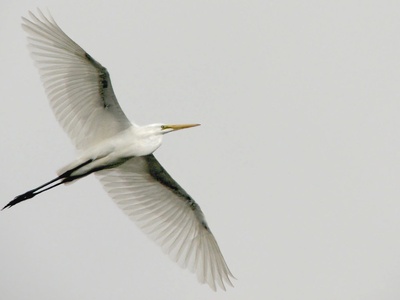
Great Egret
Tall, majestic white heron with long neck and yellow bill; slow deliberate stalker in shallow water. Widespread and common in marshes, lagoons and coastal wetlands throughout Nicaragua, especially during the dry season.
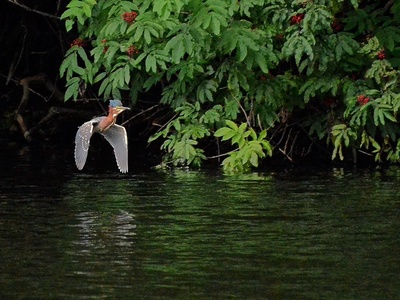
Green Heron
Small stocky heron with greenish back and chestnut neck, patient hunter that uses baiting behavior. Common along streams, ponds and mangroves; often seen perched and striking suddenly for fish and frogs.
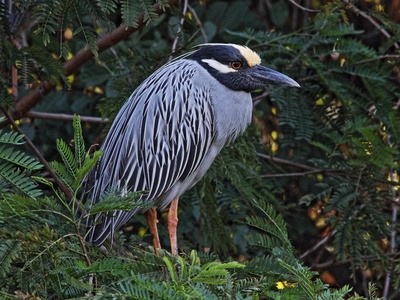
Yellow-crowned Night Heron
Nocturnal heron with stocky body, yellow crown and slow deliberate feeding for crabs and crustaceans in mangroves. Locally uncommon in coastal areas and estuaries; best observed at dusk or by spotlight.
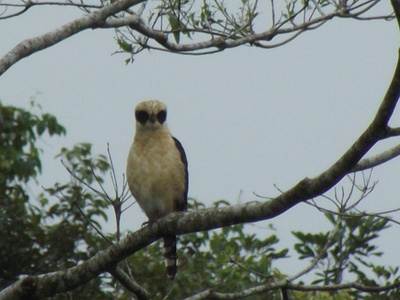
Laughing Falcon
Striking falcon with barred underparts and loud laughing call; specializes on snakes and arboreal reptiles. Secretive and patchily distributed in lowland forest and gallery woodlands; localized but unmistakable where present.
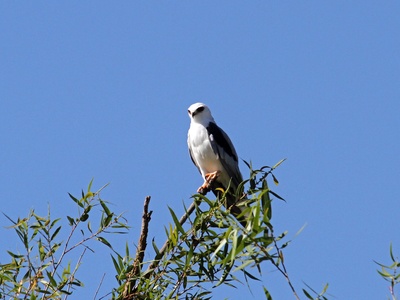
White-tailed Kite
Graceful white-and-gray raptor with buoyant hovering and black shoulder patches; hunts over open pasture for rodents. Local and uncommon in open country and wetlands; often seen hovering over fields and rice paddies.
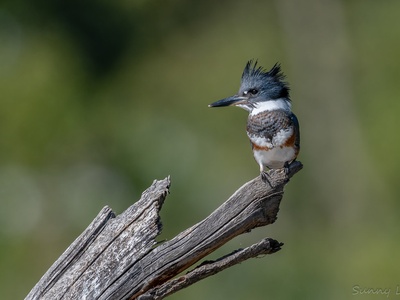
Belted Kingfisher
Stocky fishing bird with shaggy crest and loud rattling call; dives from perches into water. Regular migrant and winter visitor along rivers and coasts in Nicaragua, occasionally abundant during migration periods.
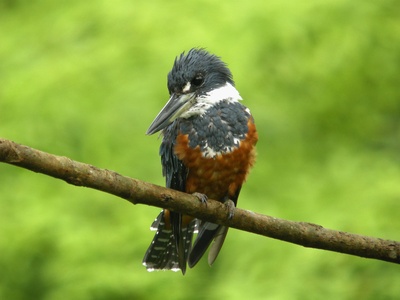
Ringed Kingfisher
Large kingfisher with blue-gray upperparts and rust underparts; perches boldly above waterways before plunging for fish. Common along rivers, lagoons and mangroves; frequently encountered on boat trips and riverine habitats.
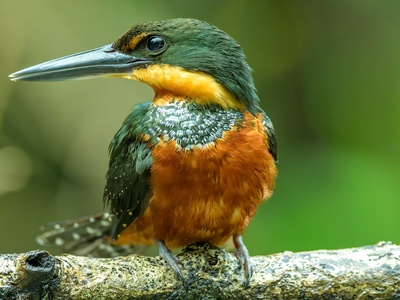
Green-and-rufous Kingfisher
Small, compact kingfisher with green upperparts and rufous belly; shy and specialized to shaded forest streams. Local and uncommon, best sought along forested rivers and small clear streams in lowland and foothill forests.
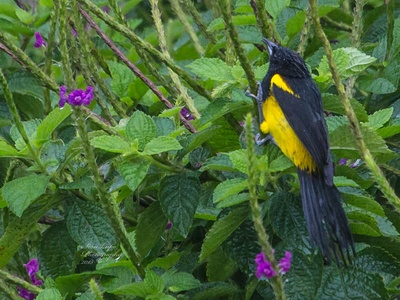
Black-cowled Oriole
Striking oriole with glossy black head and yellow body; loud bubbly songs and harsh calls. Common in humid lowland forest, forest edges and cacao plantations; often conspicuous in the canopy and at fruiting trees.