In the late 1800s naturalists exploring coral reefs noticed two very different kinds of animals side-by-side: patchy, porous sponges and the colorful, stinging corals and jellyfish that build reefs and capture swimmers’ attention.
Distinguishing these groups matters: sponges help clean and recycle nutrients in coastal waters, corals form reef structures that underpin fisheries and tourism, and jellyfish can create harmful blooms that disrupt ports and power stations. Both groups also offer biomedical promise—some sponge chemicals led to antiviral and anticancer drugs—so knowing which is which matters for ecology, human health, and conservation planning.
Porifera (sponges) are simple, mostly sessile animals built from specialized cells that filter water. Cnidaria (jellyfish, corals, sea anemones, hydroids) are diploblastic animals with tissues, a simple nervous system, and stinging cells for capturing prey.
This piece explains seven clear, evidence-backed differences with concrete examples—Spongia officinalis, Aurelia aurita, Hydra, Acropora, Chironex fleckeri, and Tethya crypta among them—and gives numeric facts and human-relevance notes to help readers understand why the distinctions matter.
H2: Body plan and cellular organization
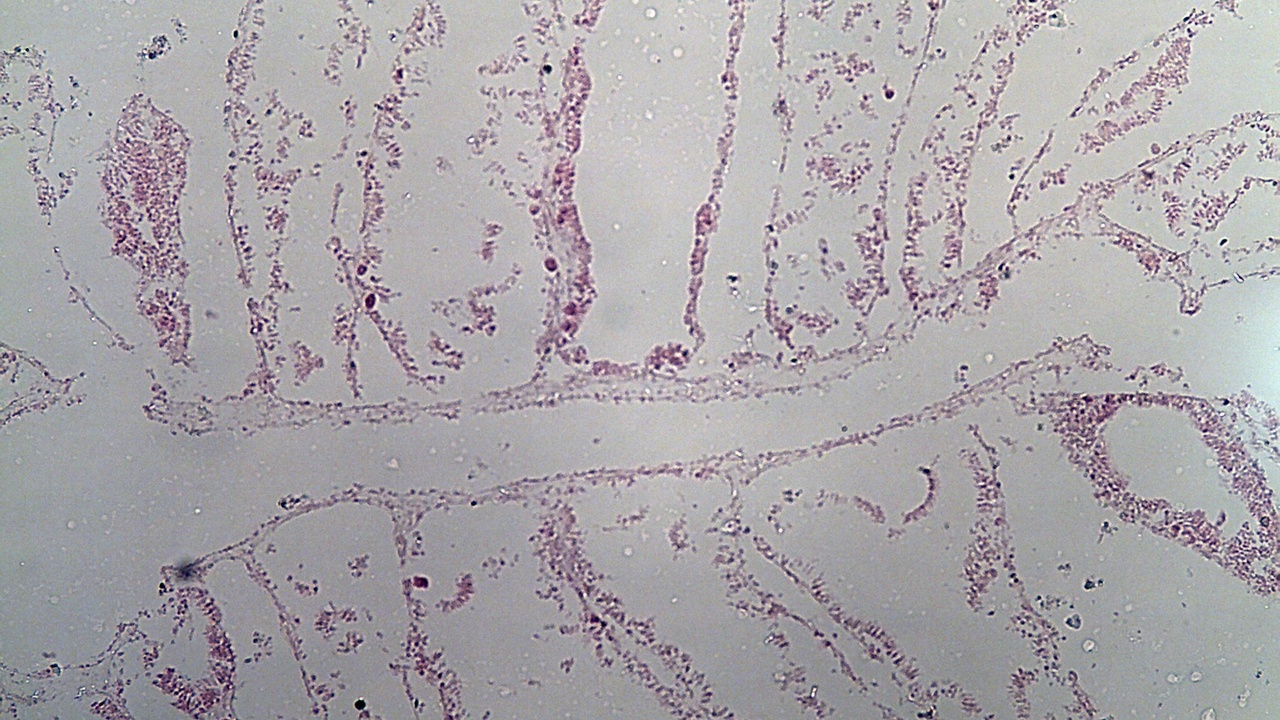
At the most basic level, these phyla follow different organizational strategies; the differences between sponges and cnidarians show up in cell types, germ layers, and overall symmetry.
1. Cellular organization: no true tissues in sponges vs tissues in cnidarians
Sponges operate at a cellular level rather than a tissue level: they rely chiefly on three major cell types—choanocytes (flagellated collar cells), pinacocytes (surface cells), and archaeocytes (totipotent interior cells)—to move water, capture food, and digest it intracellularly. By contrast, cnidarians are diploblastic, developing two germ layers (ectoderm and endoderm) that form discrete tissues such as epidermis and gastrodermis and support a simple nerve net.
Because tissues allow coordinated contractions and localized responses, cnidarians can perform patterned behaviors—tentacle movements, mouth opening, body contractions—while sponges respond primarily through changes in water flow and local cell activity. Choanocyte chambers in Spongia officinalis demonstrate how cellular filtering is organized, whereas the epidermis and gastrodermis of Hydra illustrate tissue-level digestion and coordinated feeding.
2. Symmetry and body plans: asymmetry or irregular forms vs radial symmetry
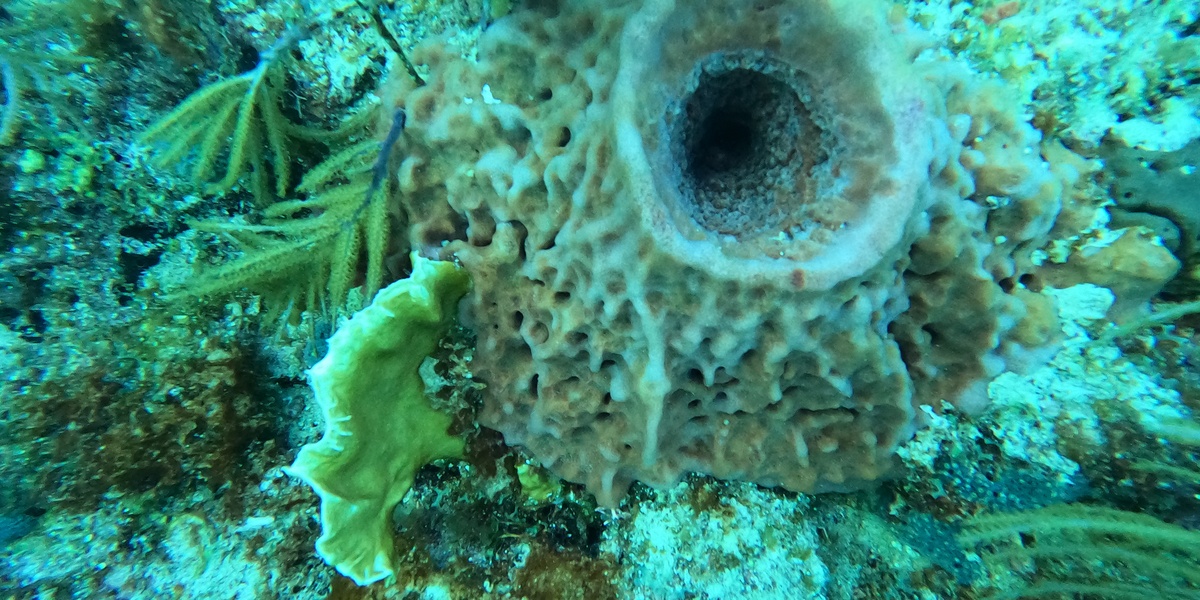
Most sponges are asymmetrical or show only irregular organization; their shapes reflect growth around currents and substrates rather than a body axis. Cnidarians, by comparison, typically exhibit radial symmetry in both polyp and medusa forms, allowing equal reception of stimuli from multiple directions.
This symmetry links directly to lifestyle: sessile, filter-feeding sponges (vase-shaped or encrusting forms) don’t need a defined front or back, while radially symmetric animals like the moon jelly, Aurelia aurita, and many sea anemones encounter prey and threats from any side and benefit from a body plan that responds in all directions.
3. Structural support: spicules and spongin vs hydrostatic skeleton and calcareous exoskeletons
Sponges get internal support from mineral spicules (silica in glass sponges, calcium carbonate in calcareous sponges) and proteinaceous spongin fibers that form a loose skeletal mesh. Glass sponges (class Hexactinellida) are famous for silica spicules arranged into rigid frameworks.
Cnidarians rely largely on a hydrostatic skeleton—fluid-filled cavities and tissue tension—for movement and shape; reef-building scleractinian corals (genera such as Acropora) secrete external calcium carbonate skeletons that accumulate as reef framework. Coral skeletons are literally the substrate for reef ecosystems, while sponge spicules leave a paleontological record of past communities.
H2: Feeding, digestion, and defense
4. Feeding method: suspension/filter feeding in sponges vs predation in cnidarians
Sponges are passive suspension feeders: choanocytes create water currents through canals and chambers, trapping bacteria, detritus, and planktonic particles. Some sponges can process large volumes—many species filter hundreds to thousands of liters per day per individual depending on size and flow—so they strongly influence local water clarity and nutrient cycling.
Cnidarians are active predators. Tentacles lined with cnidocytes capture and immobilize prey, drawing food to a mouth and digestive cavity. Box jellyfish such as Chironex fleckeri are an extreme predatory example with powerful, rapidly firing nematocysts, while Aurelia aurita captures zooplankton more gently using mucus and ciliary currents.
5. Digestion and defense: intracellular digestion vs gastrovascular cavity and nematocysts
Sponges digest food intracellularly: archaeocytes and choanocytes phagocytize particles and process nutrients inside cells. That intracellular route ties sponges tightly to microbial loops and nutrient turnover on reefs and in benthic systems.
Cnidarians perform extracellular digestion in a central gastrovascular cavity followed by intracellular finishing in gastrodermal cells. Their defining defensive and predatory organelle is the cnidocyte containing a nematocyst—a spring-loaded, harpoon-like capsule that injects venom. Encounters with nematocysts cause the familiar jellyfish sting felt by swimmers and can be medically significant in species like Chironex.
H2: Life cycles, ecology, and human relevance
Reproductive modes, mobility, ecological functions, and human impacts differ sharply between the two phyla and drive distinct conservation priorities.
6. Reproduction and life cycle: mostly asexual and simple larvae in sponges vs alternation of generations in many cnidarians
Sponges commonly reproduce asexually by budding, fragmentation, or gemmule formation and also reproduce sexually to produce short-lived, free-swimming larvae that settle nearby. A freshwater sponge may reproduce by budding, allowing rapid local recovery after disturbance.
Many cnidarians display alternation of generations: a sessile polyp phase can clonally produce medusae, and medusae release gametes to form planula larvae that settle as new polyps. Aurelia aurita, for example, cycles between polyp and medusa stages. Reef-building corals (Acropora and other scleractinians) are largely polyp-dominant and commonly participate in synchronized broadcast spawning events, releasing billions of gametes during mass spawning that promote wider dispersal.
7. Ecological roles and human relevance: filtration and biochemical discoveries vs reef building and societal impacts
Functionally, sponges act as living filters and microbial hubs; they host complex microbiomes and recycle dissolved organic matter. There are roughly 8,000 described sponge species worldwide, and many species filter substantial water volumes, influencing local productivity and clarity.
Cnidarians include about 10,000 described species and some of the planet’s most consequential ecosystem engineers: coral reefs support roughly 25% of marine species despite covering less than 1% of the seafloor. Reef ecosystems provide fisheries, coastal protection, and tourism services valued in the tens to hundreds of billions of dollars annually (NOAA, UNEP estimates).
Human relevance goes beyond ecosystem services. Sponge-derived natural products have led to important pharmaceuticals: nucleoside analogs isolated from the Caribbean sponge Tethya crypta were precursors to antiviral and anticancer drugs such as vidarabine and cytarabine (Ara-C). Cnidarians matter in fisheries and tourism (healthy Acropora reefs sustain reef fisheries) but also as nuisances—large jellyfish blooms can clog nets, damage fishing gear, and force power plants to shut intake systems.
Conservation implications follow: protecting sponges helps preserve water quality and benthic food webs, while protecting corals safeguards biodiversity, fisheries, and coastal resilience—both require addressing warming, pollution, and overfishing to maintain their distinct but complementary roles.
Summary
- Sponges operate at a cellular level (choanocytes, pinacocytes, archaeocytes) and rely on spicules/spongin; cnidarians are diploblastic, have a gastrovascular cavity, and possess cnidocytes with nematocysts.
- Most sponges are asymmetrical filter feeders that influence water clarity; cnidarians are radially symmetric predators and reef-builders (e.g., Acropora) that support ~25% of marine species.
- Reproduction differs: sponges commonly bud or produce short-lived larvae (~8,000 described species), while many cnidarians alternate between polyp and medusa stages (~10,000 described species) and coral spawning promotes wider dispersal.
- Practical stakes are high—sponge chemistry (Tethya crypta → Ara-C/vidarabine) has yielded drugs, while coral ecosystems underpin fisheries, tourism, and coastal protection; jellyfish blooms pose economic and health challenges.