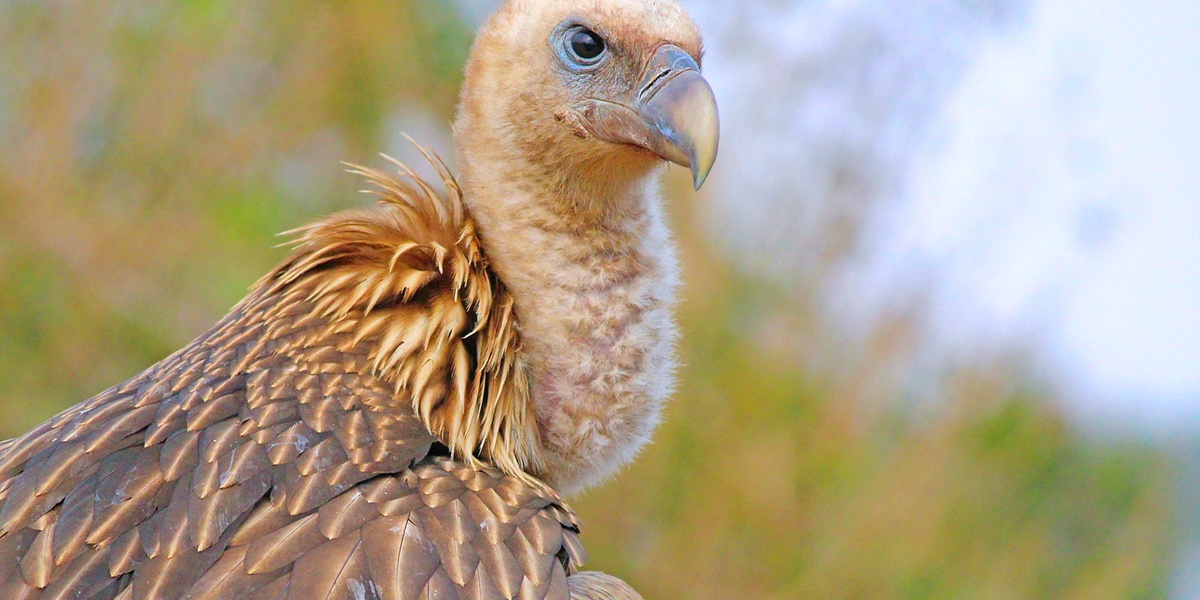
Afghanistan’s varied landscapes—from the Hindu Kush peaks to river valleys and desert margins—support a surprising diversity of birds. Whether you’re a local birder or researching the region, a focused species list makes it easier to understand what to look for where.
There are 100 Birds of Afghanistan, ranging from Alpine Chough, Willow Warbler to show the geographic and ecological breadth. For each species the entries are organized with Scientific name, Length (cm), Status & region so you can quickly compare identification and distribution; you’ll find the full list below.
How can I use this list to plan birdwatching in Afghanistan?
Use the Status & region column to identify which areas and seasons are best for particular species, and the Scientific name and Length (cm) to confirm identifications in the field; combine the list with local guides or recent checklists for up-to-date sightings and access information.
Does the list indicate which species are threatened or protected?
Yes—the Status & region field flags conservation status and typical range; for legal protections and detailed conservation assessments, cross-check species with IUCN Red List entries and local wildlife authorities before any fieldwork.
Birds of Afghanistan
| Common name | Scientific name | Length (cm) | Status & region |
|---|---|---|---|
| Chukar | Alectoris chukar | 34 | Resident in rocky hills and mountains |
| Gray Partridge | Perdix perdix | 32 | Resident in agricultural lowlands and steppe |
| MacQueen’s Bustard | Chlamydotis macqueenii | 72 | Rare resident and migrant in arid plains and deserts |
| Common Pheasant | Phasianus colchicus | 60 | Resident in scrub, farmland and river valleys |
| Ruddy Shelduck | Tadorna ferruginea | 58 | Resident and migrant on lakes, rivers and wetlands |
| Greylag Goose | Anser anser | 76 | Regular migrant and winter visitor to wetlands |
| Bar-headed Goose | Anser indicus | 66 | Migratory passage and highland wetlands |
| Mallard | Anas platyrhynchos | 60 | Common resident and migrant in wetlands and rivers |
| Northern Shoveler | Spatula clypeata | 50 | Migratory on shallow wetlands and marshes |
| Northern Pintail | Anas acuta | 60 | Migratory visitor to lakes and marshes |
| Common Pochard | Aythya ferina | 44 | Migratory and wintering on lakes and reservoirs |
| Ferruginous Duck | Aythya nyroca | 44 | Migratory and scarce breeder in marshes and lakes |
| Common Crane | Grus grus | 115 | Passage migrant and winter visitor on wetlands and plains |
| Demoiselle Crane | Anthropoides virgo | 85 | Passage migrant; open steppes and agricultural plains |
| Common Moorhen | Gallinula chloropus | 32 | Resident in freshwater marshes, reedbeds and lakes |
| Eurasian Coot | Fulica atra | 38 | Resident on lakes, reservoirs and slow rivers |
| Little Grebe | Tachybaptus ruficollis | 25 | Resident in ponds, lakes and slow rivers |
| Black-necked Grebe | Podiceps nigricollis | 28 | Migratory breeder on saline and freshwater lakes |
| Dalmatian Pelican | Pelecanus crispus | 170 | Rare visitor to large lakes and wetlands |
| Great White Pelican | Pelecanus onocrotalus | 175 | Occasional visitor to large lakes and reservoirs |
| Greater Flamingo | Phoenicopterus roseus | 120 | Seasonal visitor to saline lakes and shallow wetlands |
| Common Shelduck | Tadorna tadorna | 63 | Passage migrant and local winterer on wetlands |
| Saker Falcon | Falco cherrug | 52 | Resident and migratory raptor of open country |
| Peregrine Falcon | Falco peregrinus | 34 | Migratory and resident on cliffs and urban areas |
| Common Kestrel | Falco tinnunculus | 34 | Resident in open fields, steppes and urban edges |
| Eurasian Hobby | Falco subbuteo | 29 | Summer migrant through wooded valleys and wetlands |
| Lanner Falcon | Falco biarmicus | 48 | Scarce resident in rocky and semi-desert areas |
| Golden Eagle | Aquila chrysaetos | 80 | Resident in high mountains and open uplands |
| Steppe Eagle | Aquila nipalensis | 75 | Migratory and winter visitor on plains and semi-desert |
| Imperial Eagle | Aquila heliaca | 85 | Rare resident and migrant in open woodlands and plains |
| Tawny Eagle | Aquila rapax | 70 | Resident and migrant across arid plains and savanna-like areas |
| Eurasian Griffon | Gyps fulvus | 95 | Resident on cliffs, mountains and open landscapes |
| Cinereous Vulture | Aegypius monachus | 100 | Scarce resident and mountain-steppe regions |
| Bearded Vulture | Gypaetus barbatus | 100 | Resident in high rocky mountains and gorges |
| Egyptian Vulture | Neophron percnopterus | 60 | Summer visitor in open country and cliffs |
| Eurasian Eagle-Owl | Bubo bubo | 63 | Resident in cliffs, rocky outcrops and semi-desert |
| Little Owl | Athene noctua | 21 | Resident in farmland, orchards and rocky areas |
| Short-eared Owl | Asio flammeus | 34 | Winter visitor in open grasslands and marshes |
| Long-eared Owl | Asio otus | 35 | Resident and migrant in wood edges and reedbeds |
| Common Swift | Apus apus | 16 | Summer migrant over cities, cliffs and river valleys |
| Alpine Swift | Tachymarptis melba | 20 | Summer migrant in mountain valleys and cliffs |
| Common Nightjar | Caprimulgus europaeus | 24 | Migratory in dry open woodlands and scrub |
| Rock Dove | Columba livia | 32 | Resident in cliffs, cities and villages |
| Eurasian Collared-Dove | Streptopelia decaocto | 33 | Resident in towns, villages and agricultural areas |
| European Turtle Dove | Streptopelia turtur | 28 | Migratory summer visitor in scrub and farmland |
| Laughing Dove | Spilopelia senegalensis | 25 | Resident in arid scrub, gardens and oases |
| Common Cuckoo | Cuculus canorus | 32 | Summer migrant across wood edges and open country |
| Common Sandpiper | Actitis hypoleucos | 19 | Migratory along rivers, lakeshores and mudflats |
| Green Sandpiper | Tringa ochropus | 26 | Passage migrant in freshwater marshes and wooded streams |
| Marsh Sandpiper | Tringa stagnatilis | 25 | Migratory visitor to shallow wetlands and mudflats |
| Common Redshank | Tringa totanus | 28 | Migratory on marshes, mudflats and wetlands |
| Little Ringed Plover | Charadrius dubius | 18 | Migratory on gravel rivers, lakeshores and wetlands |
| Kentish Plover | Charadrius alexandrinus | 16 | Passage and some resident on saline lakes and shores |
| Northern Lapwing | Vanellus vanellus | 35 | Winter visitor and passage migrant on agricultural plains |
| Sociable Lapwing | Vanellus gregarius | 34 | Rare breeder; steppe and arid grasslands |
| Black-winged Stilt | Himantopus himantopus | 36 | Breeds and migrates in shallow wetlands and salt pans |
| Common Snipe | Gallinago gallinago | 26 | Migratory in marshes, wet meadows and bogs |
| Little Stint | Calidris minuta | 16 | Passage migrant on mudflats and shallow wetlands |
| Eurasian Curlew | Numenius arquata | 55 | Migratory on coastal-like wetlands, lakes and marshes |
| House Sparrow | Passer domesticus | 16 | Common resident in towns, villages and farmland |
| Eurasian Tree Sparrow | Passer montanus | 14 | Resident in rural villages, orchards and farmland |
| White Wagtail | Motacilla alba | 18 | Common migrant and resident near water and open ground |
| Grey Wagtail | Motacilla cinerea | 18 | Resident along fast-flowing streams and mountain rivers |
| Tawny Pipit | Anthus campestris | 17 | Resident and migrant on dry open steppe and semi-desert |
| Water Pipit | Anthus spinoletta | 17 | Summer breeder and migrant on alpine streams and marshes |
| Eurasian Skylark | Alauda arvensis | 18 | Resident and migrant in open fields and steppes |
| Shore Lark | Eremophila alpestris | 16 | Resident in high plateaus and cold steppe |
| Common Starling | Sturnus vulgaris | 21 | Migratory and resident in towns, farmland and open areas |
| Rosy Starling | Pastor roseus | 23 | Summer migrant in flocks on plains and orchards |
| Common Blackbird | Turdus merula | 25 | Resident in gardens, woodlands and valleys |
| Fieldfare | Turdus pilaris | 26 | Winter visitor in orchards, open woodland and farmland |
| Common Chiffchaff | Phylloscopus collybita | 11 | Spring-summer migrant in woodlands and scrub |
| Willow Warbler | Phylloscopus trochilus | 11 | Spring-summer migrant in woodlands and riparian scrub |
| Eurasian Blackcap | Sylvia atricapilla | 14 | Summer migrant and occasional resident in woodlands |
| Lesser Whitethroat | Curruca curruca | 13 | Breeding migrant in scrub, orchards and steppe edges |
| Common Linnet | Linaria cannabina | 13 | Resident and migrant in open farmland and scrub |
| Eurasian Siskin | Spinus spinus | 12 | Winter visitor in wooded valleys and riparian belts |
| Common Chaffinch | Fringilla coelebs | 15 | Resident in woodlands, orchards and towns |
| European Goldfinch | Carduelis carduelis | 12 | Resident and migrant in gardens, orchards and grasslands |
| Rock Thrush | Monticola saxatilis | 22 | Breeding migrant on rocky hills and mountain crags |
| Blue Rock Thrush | Monticola solitarius | 22 | Resident and migrant on cliffs, ruins and rocky slopes |
| Wallcreeper | Tichodroma muraria | 17 | Resident in high rocky cliffs and canyon walls |
| White-throated Dipper | Cinclus cinclus | 20 | Resident along fast mountain streams and rivers |
| Common Raven | Corvus corax | 63 | Resident in mountains, deserts and open country |
| Hooded Crow | Corvus cornix | 48 | Resident in plains, towns and farmland |
| Rook | Corvus frugilegus | 45 | Resident in agricultural areas and open countryside |
| Eurasian Jay | Garrulus glandarius | 34 | Resident in woodlands and foothills |
| Red-billed Chough | Pyrrhocorax pyrrhocorax | 40 | Resident on cliffs and high mountain pastures |
| Alpine Chough | Pyrrhocorax graculus | 42 | Resident in high mountains and plateaus |
| Eurasian Magpie | Pica pica | 44 | Resident in farmland, scrub and towns |
| Isabelline Shrike | Lanius isabellinus | 17 | Summer breeding migrant in open scrub and steppe |
| Great Grey Shrike | Lanius excubitor | 25 | Resident and migrant in open countryside and scrub |
| Eurasian Wryneck | Jynx torquilla | 18 | Spring-summer migrant in orchards and open woodland |
| Great Spotted Woodpecker | Dendrocopos major | 23 | Resident in woodlands, orchards and river valleys |
| Common Kingfisher | Alcedo atthis | 16 | Resident along clear rivers, streams and lakes |
| Northern Wheatear | Oenanthe oenanthe | 15 | Spring-summer migrant in open ground and rocky edges |
| Desert Wheatear | Oenanthe deserti | 14 | Resident and migrant in arid deserts and semi-desert |
| Pied Wheatear | Oenanthe pleschanka | 16 | Breeding migrant on stony slopes and rocky steppe |
| Crested Lark | Galerida cristata | 17 | Common resident in open fields, roadsides and semi-desert |
| Pallid Harrier | Circus macrourus | 40 | Passage migrant over steppe and agricultural plains |
Images and Descriptions
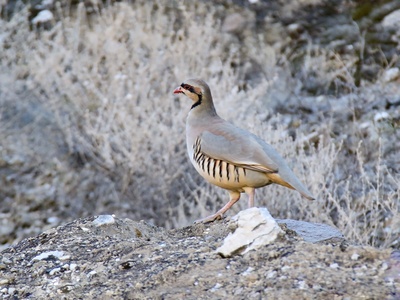
Chukar
Bold, partridge-like bird with barred flanks and red bill. Often seen on cliffs and terraces, vocal call betrays presence. Nationally familiar gamebird; tolerant but declining locally due to hunting and habitat change.
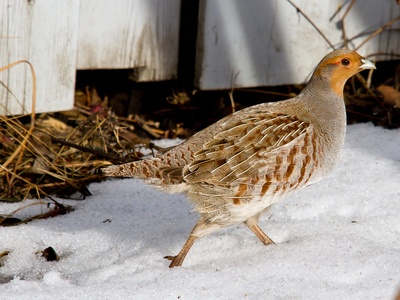
Gray Partridge
Chunky, ground-dwelling partridge with greyish-brown plumage and orange face. Prefers cereal fields and dry grasslands. Often seen in small coveys; populations sensitive to intensive farming and pesticide use.
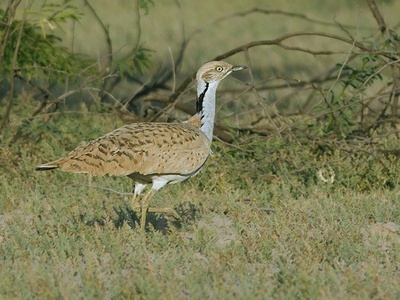
MacQueen’s Bustard
Large, sandy-coloured bustard with dramatic courtship display and long stride. Iconic Central Asian species vulnerable to hunting and habitat loss; secretive but visible on open desert and steppe at dawn and dusk.
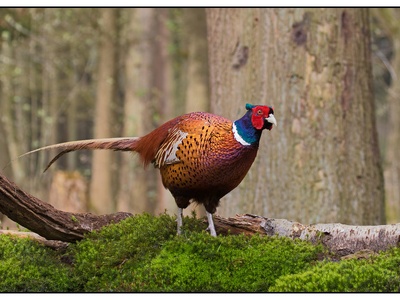
Common Pheasant
Flashy male with long tail and iridescent plumage; hens are mottled brown. Widespread where cover and grassland remain. Popular gamebird introduced to many areas; conspicuous in winter fields.
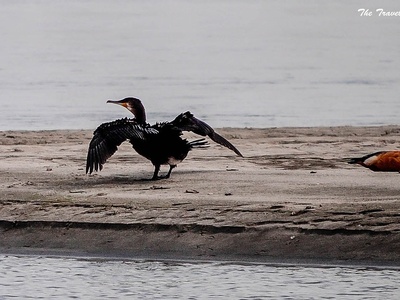
Ruddy Shelduck
Striking orange-buff waterfowl with black flight feathers and white head patch. Vocal and often tame near water. Uses wetland networks across Afghanistan as breeding and passage habitat.
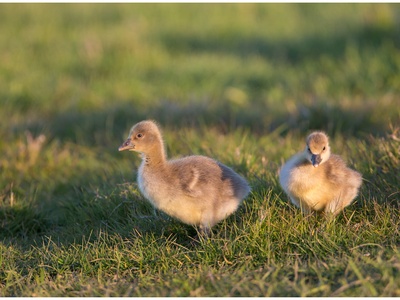
Greylag Goose
Large grey goose with pink bill and legs. Seen in flocks on lakes and agricultural fields during migration and winter. Ancestral wild species of domestic geese; commonly observed in wetland complexes.
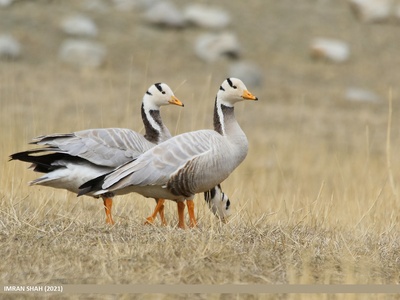
Bar-headed Goose
Slim grey goose with distinctive two dark head bars; famed for high-altitude migration over the Himalaya. Seen at high-elevation lakes and wetlands during migration and winter.
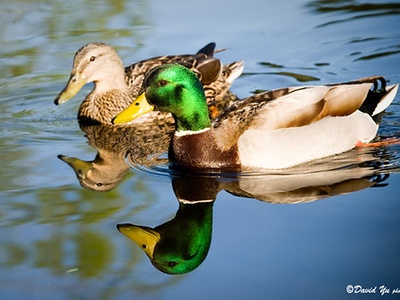
Mallard
Familiar dabbling duck; male glossy green head, female mottled brown. Occurs on most water bodies, adaptable and often populous. Source species for many domestic duck breeds.
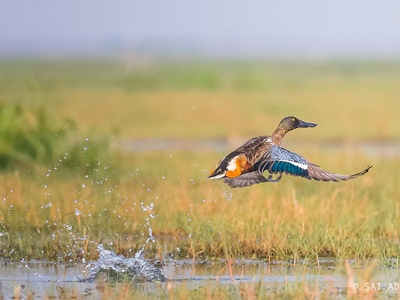
Northern Shoveler
Distinct broad bill adapted for filtering; males show green head and white flank. Occurs in spring and autumn migration and on wetlands; easily identified by feeding posture.
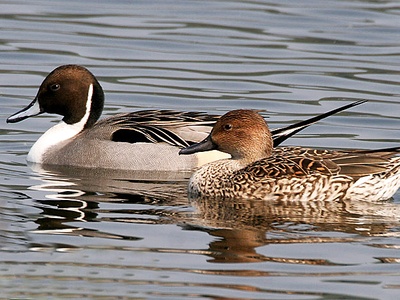
Northern Pintail
Elegant dabbling duck with long pointed tail and sleek profile. Males have slender neck and distinctive pattern. Seen during migration and winter on open wetlands and flooded fields.
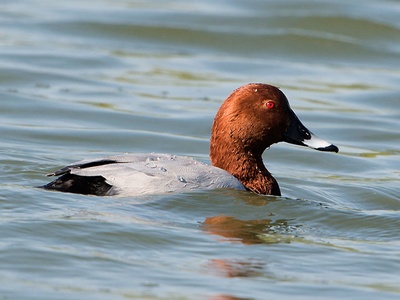
Common Pochard
Diving duck with chestnut head and black breast in males. Declining globally due to wetland loss; still encountered on deeper lakes where it feeds on submerged plants.
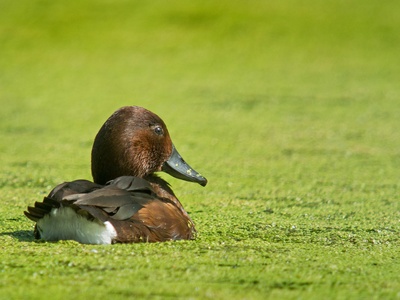
Ferruginous Duck
Dark-rufous diving duck, glossy in good light; prefers reed-fringed lakes and slow rivers. Populations vulnerable to disturbance and habitat loss; prized by birders when located.
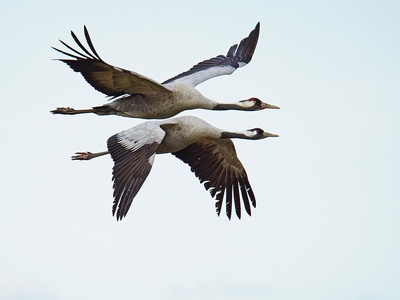
Common Crane
Tall grey crane with black-and-white head pattern; loud trumpeting calls in flight. Moves through Afghanistan during migration in flocks, often using wetlands and agricultural fields to rest.
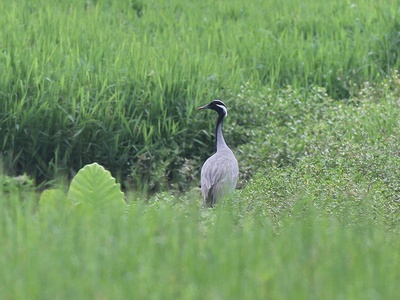
Demoiselle Crane
Smaller, elegant crane with slate-grey body and long neck plumes. Migratory flocks pass over and stop on grassy plains; notable for graceful courtship dances.
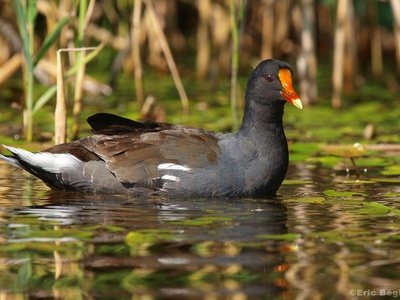
Common Moorhen
Dark rail with red frontal shield and yellow-tipped bill, walks on floating vegetation. Secretive but common where reeds and emergent plants provide cover for feeding and nesting.
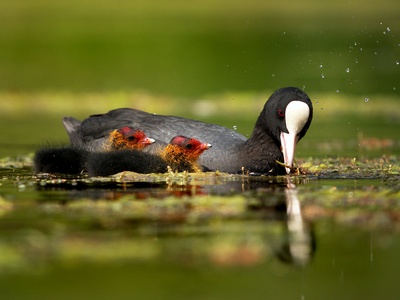
Eurasian Coot
Chunky black waterbird with white facial shield and lobed feet. Bold and gregarious on freshwater bodies; often seen diving for vegetation and defending territories in breeding season.
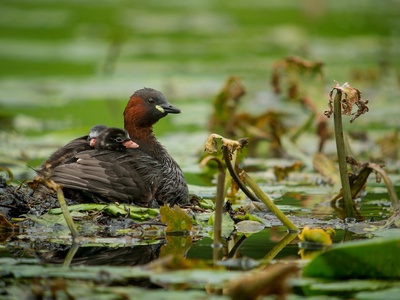
Little Grebe
Small diving waterbird with compact shape and dark plumage; pops up and dives frequently. Prefers vegetated freshwater and is often shy but visible in quiet marshes.
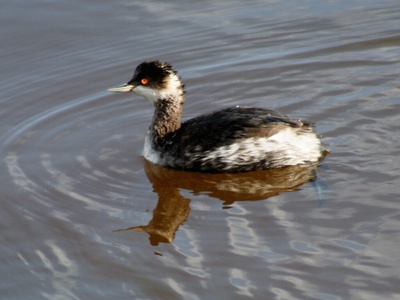
Black-necked Grebe
Elegant breeding plumage with golden ear tufts; small diving grebe. Favors shallow lakes and salt pans; spectacular flocks can form during migration.
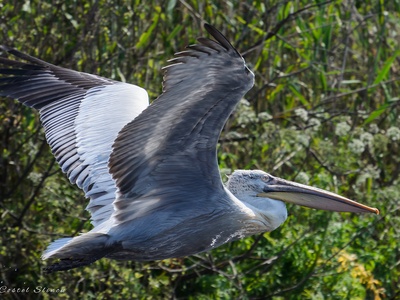
Dalmatian Pelican
Massive white pelican with curly nape feathers and huge bill pouch. Globally threatened; occasional visitor to major wetland sites where it forages for large fish.
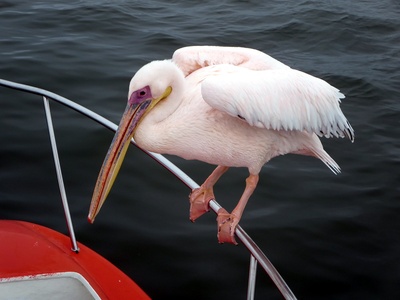
Great White Pelican
Very large white pelican with pinkish bill and pouch. Seen in suitable big wetlands during migration; impressive flocks are memorable but records are local and seasonal.
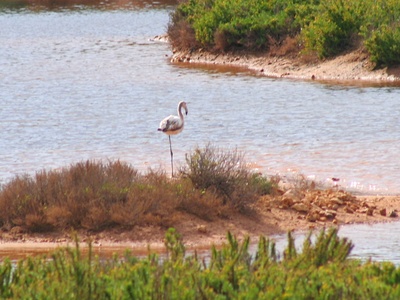
Greater Flamingo
Tall, pink wading bird with curved bill and long legs. Feeds by filter-feeding algae and small invertebrates; appears at saline lakes and mudflats in good seasons.
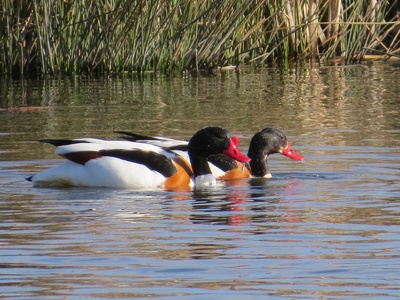
Common Shelduck
Large, colourful duck with chestnut band on white body and greenish head in males. Found on estuary-like wetlands and saline lakes, usually in small flocks.
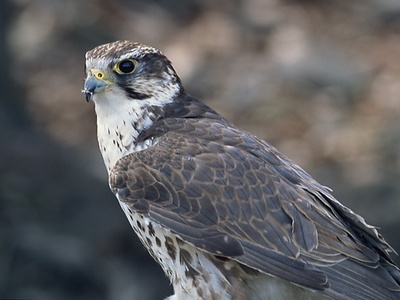
Saker Falcon
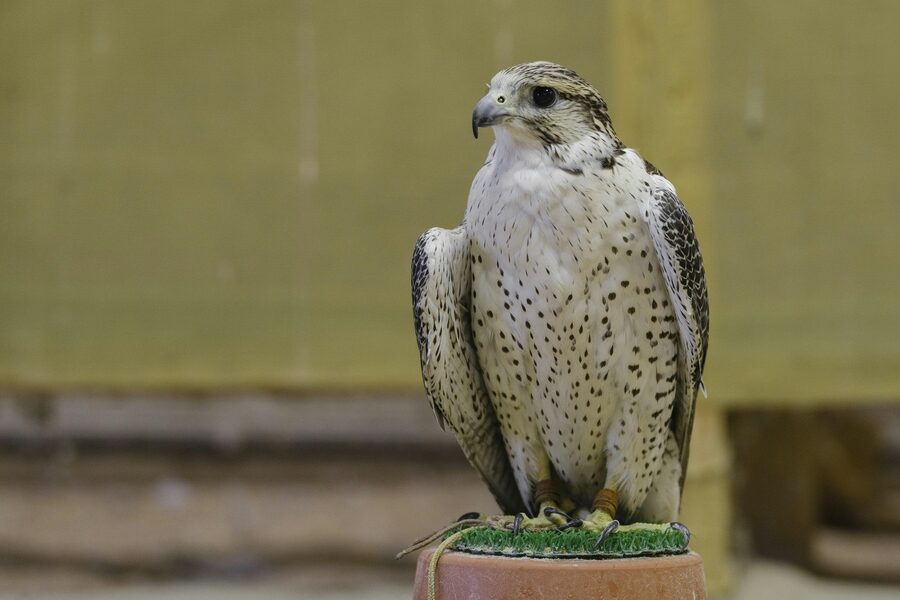
Large, powerful falcon prized in falconry; sandy brown plumage and strong flight. Threatened by illegal capture and persecution; best seen perched on pylons and cliffs hunting open plains.
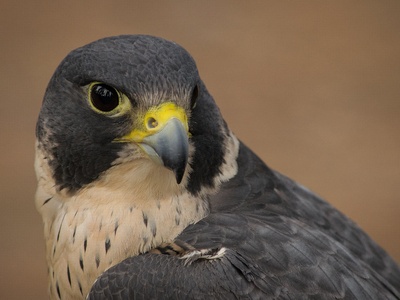
Peregrine Falcon
Famous high-speed hunter with slate-blue back and barred underparts. Nests on cliffs and tall structures; occurs widely during migration and year-round in some areas.
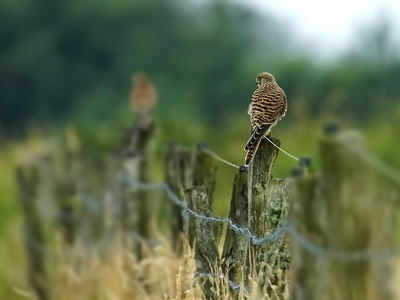
Common Kestrel
Small falcon often seen hovering over fields. Rusty back and spotted breast; adaptable hunter of small mammals and large insects.
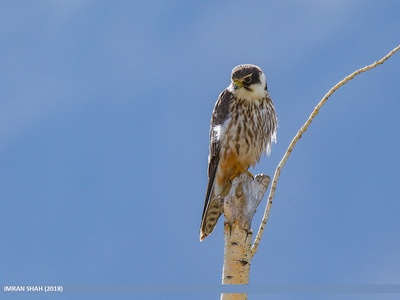
Eurasian Hobby
Slim, fast falcon that catches swifts and dragonflies on the wing. Dark back and rufous underparts; migratory spring-summer visitor that passes through open river corridors.
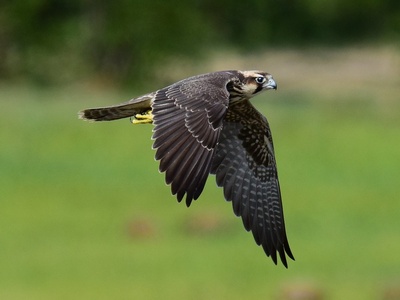
Lanner Falcon
Large falcon of arid zones with powerful flight and streaked underparts. Prefers cliffs for nesting; uncommon but recorded in dry open landscapes.
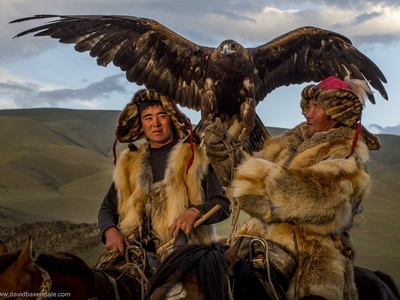
Golden Eagle
Majestic large raptor with dark plumage and golden nape. Soars over mountain ranges hunting hares and marmots; culturally significant and locally persecuted, though still widespread in remote areas.
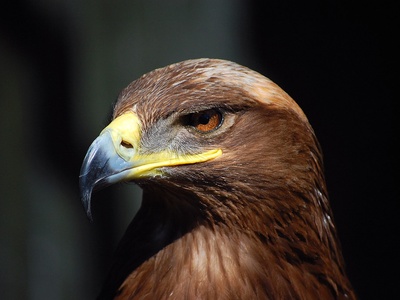
Steppe Eagle
Large dark eagle that uses open steppe and agricultural lands. Passage and wintering species that scavenges and hunts; populations declining across its range.
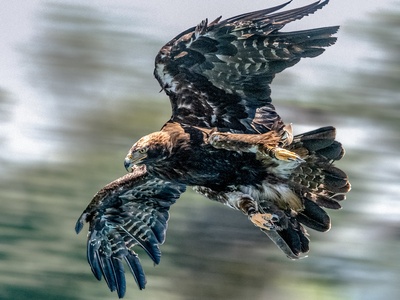
Imperial Eagle
Large, pale-headed eagle that nests in trees and hunts over grassland. Threatened species with fragmented populations; highly prized by conservationists.
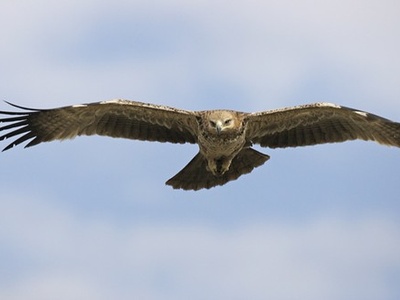
Tawny Eagle
Medium-large eagle with tawny brown plumage. Scavenges and hunts small vertebrates; seen across lowland dry habitats and around carcasses.
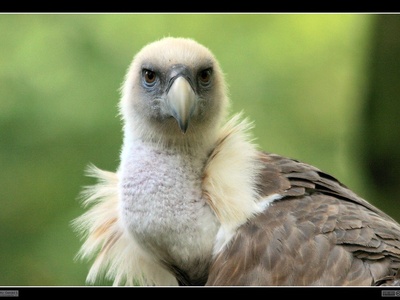
Eurasian Griffon
Large, pale vulture that soars in thermals over mountains. Social scavenger of carcasses; nests on cliffs and crucial for ecosystem cleanup, but vulnerable to poisoning.
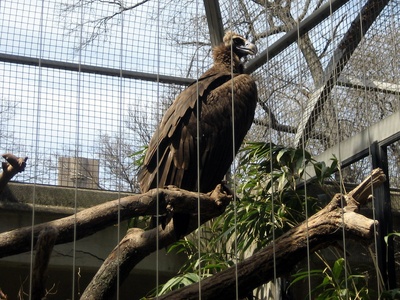
Cinereous Vulture
One of the largest vultures with dark plumage and heavy bill. Solitary to small groups; declining due to poisoning and disturbance but still occurs in rugged areas.
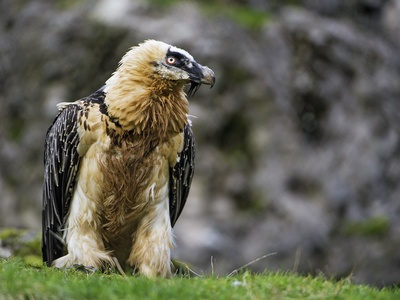
Bearded Vulture
Distinctive large vulture with long wedge tail and beard-like facial feathers; feeds on bone fragments. Culturally iconic and conservation priority in high ranges.
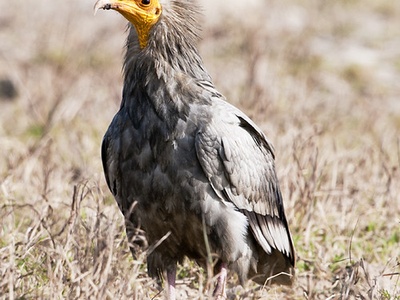
Egyptian Vulture
Small pale vulture with yellow face and slender wings. Uses tools and marks occasion of food changings; globally vulnerable and declining on migration routes.
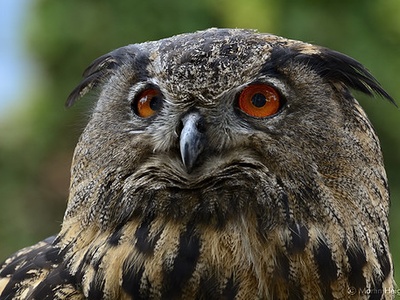
Eurasian Eagle-Owl
Largest owl with ear tufts and orange eyes. Nocturnal predator of mammals and birds; roosts in rocky refuges and is rarely seen in daylight.
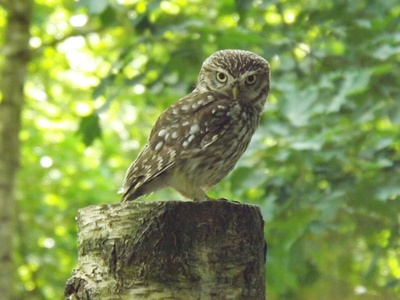
Little Owl
Small, stocky owl with speckled plumage and big yellow eyes. Diurnal tendencies make it easier to spot perching on posts and branches in open country.
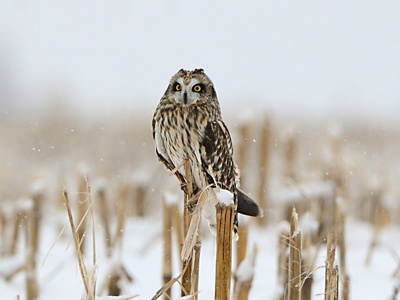
Short-eared Owl
Medium-sized, pale owl that hunts by day over open fields. Moth-like silhouette in flight; winters in steppe and wet grasslands in variable numbers.
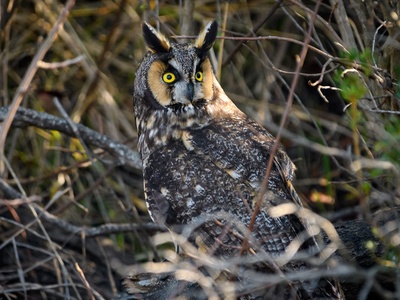
Long-eared Owl
Slender ear-tufted owl that roosts communally in dense vegetation. Nocturnal and secretive, often detected by distinctive calls in winter roosts.
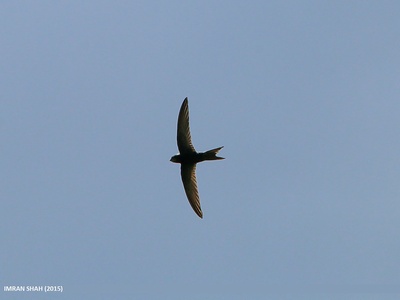
Common Swift
Aerial specialist spending most of life on the wing. Dark silhouette with scythe-like wings; nests in buildings and cliff holes during the brief summer.
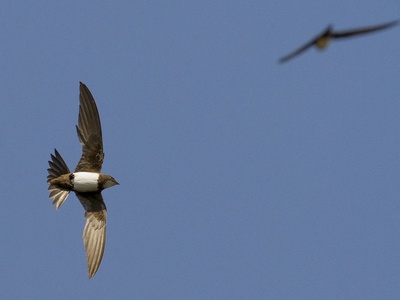
Alpine Swift
Large swift with pale belly and robust body. Breeds on cliffs and sometimes buildings; high-flying insectivore during warmer months.
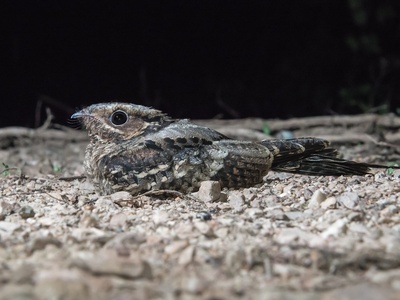
Common Nightjar
Cryptic, moth-like nocturnal bird that roosts on the ground by day. Silent fluttering flight at dusk; feeds on flying insects and blends into leaf litter.
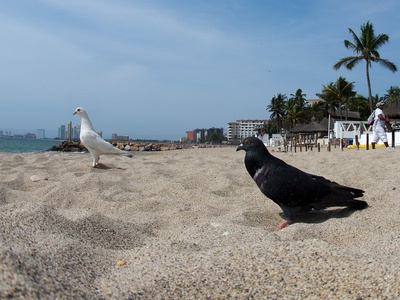
Rock Dove
Wild ancestor of domestic pigeons; wild and feral forms common. Cliff-nesting and ubiquitous in human settlements, variable plumage with iridescent neck sheen.
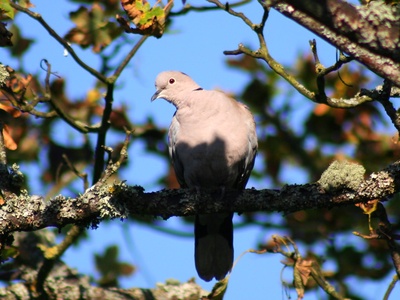
Eurasian Collared-Dove
Pale, plump dove with black neck crescent. Rapidly expanded range in recent decades; common in human-dominated landscapes and quiet orchards.
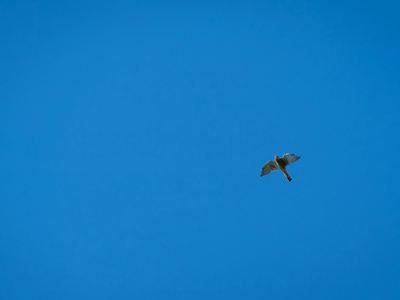
European Turtle Dove
Delicate dove with patterned neck and soft purring song. Declining steeply across its range due to habitat loss and hunting; seen during spring-summer migration.
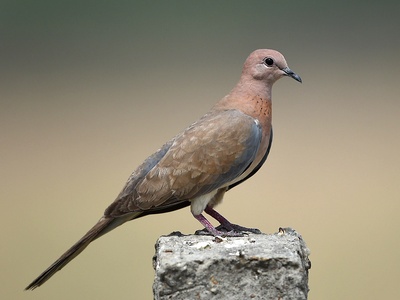
Laughing Dove
Small, slender dove with warm buff tones and spotted neck. Tame and often found near water in towns and rural areas across dry lowlands.
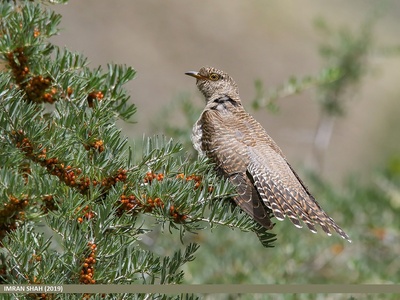
Common Cuckoo
Familiar brood parasite whose distinctive two-note call announces arrival. Slender grey bird that lays eggs in other species’ nests, a notorious but charismatic migrant.
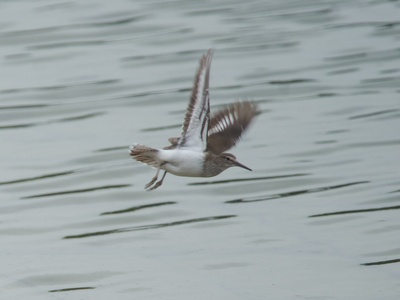
Common Sandpiper
Small, bobbing shorebird with white underparts and brown upperparts. Runs along water edges probing for invertebrates; common on migration and during stopovers.
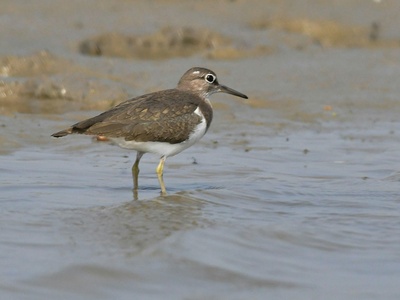
Green Sandpiper
Dark-backed sandpiper with bright white underparts when in flight. Prefers small ponds and shaded pools during migration; skulking but distinctive in flight.
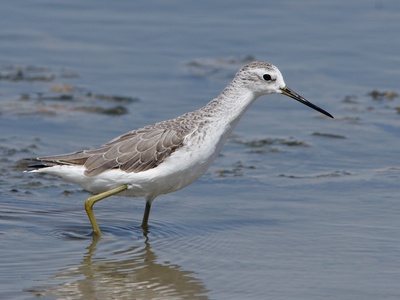
Marsh Sandpiper
Delicate, long-legged sandpiper with slender bill. Seen during migration on marshes and flooded fields; favors shallow saline and freshwater wetlands.
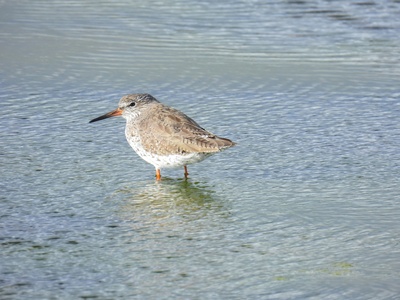
Common Redshank
Vocal, medium-sized wader with red legs and mottled plumage. Breeds in northern areas but migrates through and winters in wetland sites across Afghanistan.
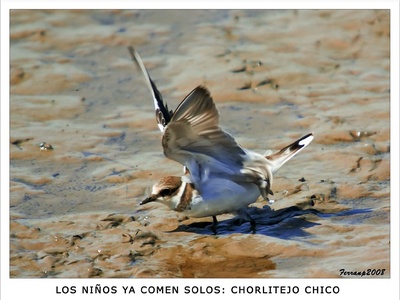
Little Ringed Plover
Small plover with black forehead band and yellow eye-ring. Prefers bare shingle and gravel riverbanks during breeding migration; alert and quick-moving.
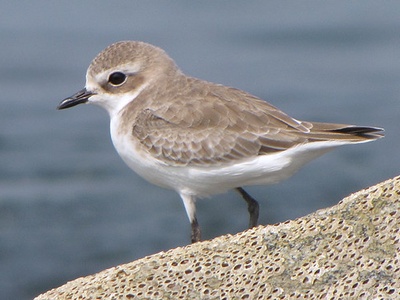
Kentish Plover
Tiny plover with pale plumage and fine bill. Found on saline flats and lake margins; often in small flocks or singletons at shorelines.
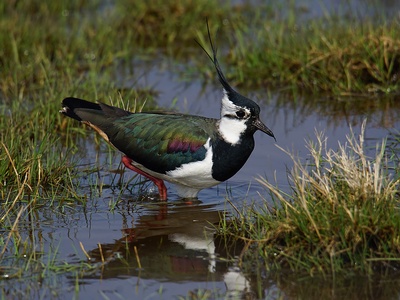
Northern Lapwing
Distinctive crested shorebird with iridescent back and bold flight display. Uses wet fields and pastures during migration and winter; numbers fluctuate widely.
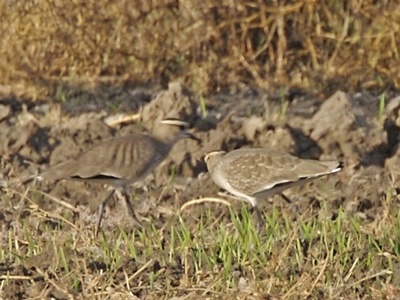
Sociable Lapwing
Critically endangered, gregarious lapwing of open steppe. Formerly widespread but now rare; conservation focus in Afghanistan where remnant breeding and passage sites occur.
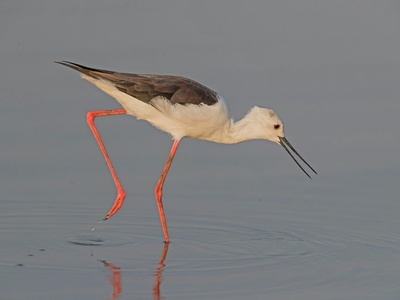
Black-winged Stilt
Elegant long-legged wader with striking black-and-white plumage and long pink legs. Wades in shallow water for invertebrates; often conspicuous in suitable wetlands.
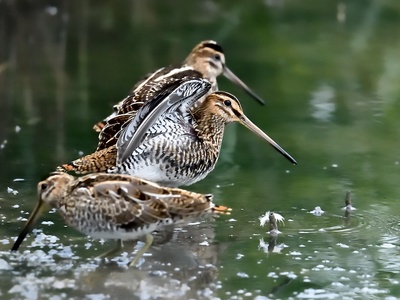
Common Snipe
Cryptic, streaky wader with long bill used to probe mud. Booming and zig-zag flight during display; common on migration and in wet habitats.
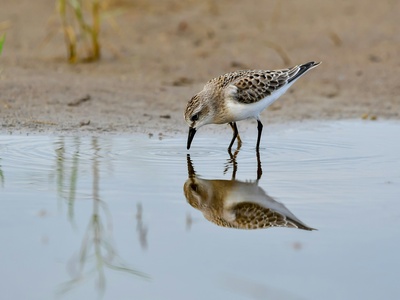
Little Stint
Tiny sandpiper with fine bill and rapid movements. Stops briefly at shallow ponds and lakes during migration; often in mixed flocks with other waders.
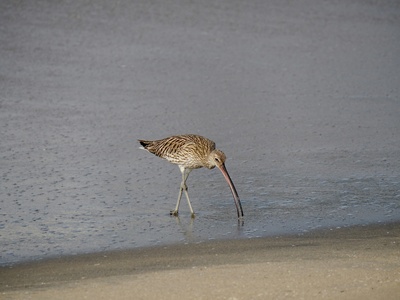
Eurasian Curlew
Large wader with long down-curved bill and plaintive call. Uses mudflats and lakeshores in migration and winter; population declines worry conservationists.
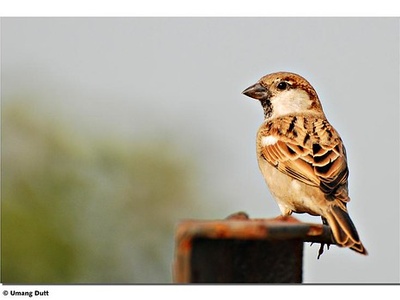
House Sparrow
Familiar small brown sparrow of human settlements. Social and noisy, nests in buildings and eaves; close association with people makes it one of the most recognized birds.
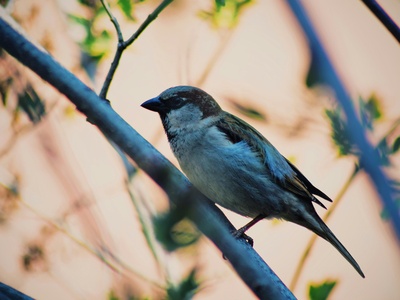
Eurasian Tree Sparrow
Smaller, chestnut-capped sparrow frequenting rural human habitats. Often found around farmsteads and orchards, tolerant of people and common where villages provide nesting niches.
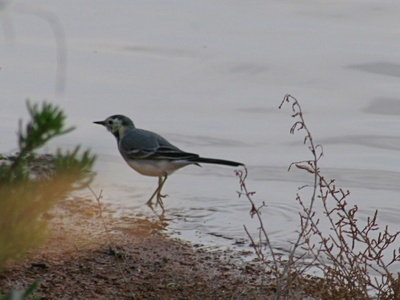
White Wagtail
Bold, pied wagtail with constant tail-bobbing. Found along rivers, fields and towns; many regional subspecies occur and it is often a conspicuous roadside bird.
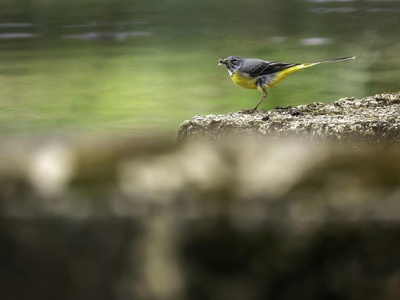
Grey Wagtail
Slender wagtail with olive-grey back and yellow underparts. Favors tumbling mountain streams and riverbanks, often bobbing on rocks close to water.
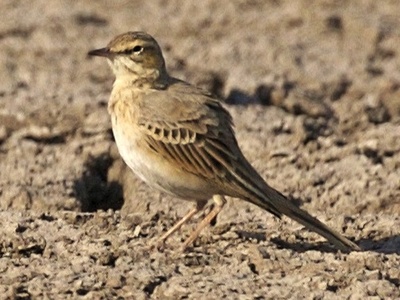
Tawny Pipit
Sandy-coloured pipit of open ground with upright stance and melodious song. Often seen running on bare soil; favors steppes and arid grasslands.
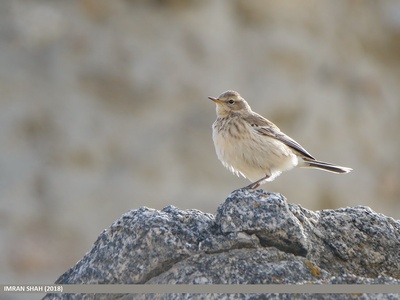
Water Pipit
Plain, water-loving pipit found on high-altitude streams and wet meadows. Distinctive in flight with pale outer tail feathers; moves lower in winter.
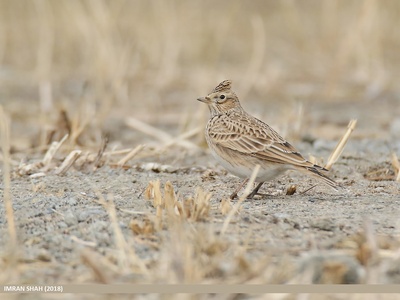
Eurasian Skylark
Famous singer of the sky with rising song-flights. Brown-streaked and ground-nesting, its aerial song is a hallmark of open landscapes and agricultural plains.
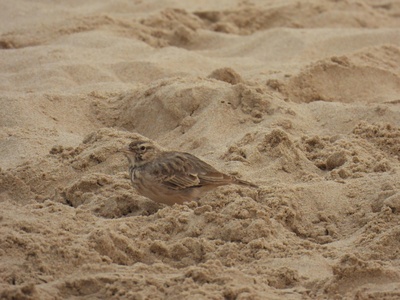
Shore Lark
Small, stocky lark with crested head in some seasons. Prefers rocky or stony high ground and cold steppes; often seen in small flocks outside breeding season.
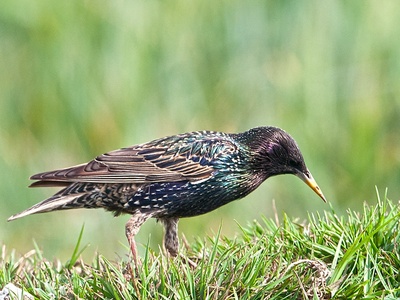
Common Starling
Glossy blackbird with iridescent sheen and complex vocalizations. Forms large flocks and is adaptable to human landscapes, but declining in parts of its range.
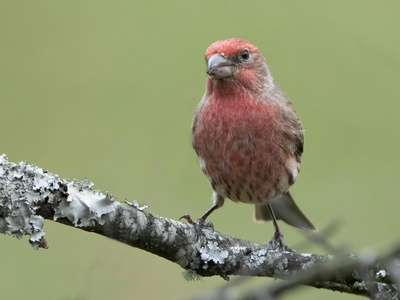
Rosy Starling
Gregarious, pink-and-black starling that forms immense flocks in migration and breeding season. Eats fruit and insects; spectacular concentrations occur when locusts or fruiting trees abound.
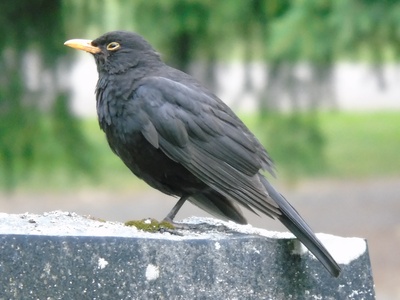
Common Blackbird
Black male and brown female thrush with melodious song. Widespread in towns and countryside, often the first thrush learned by new birdwatchers.
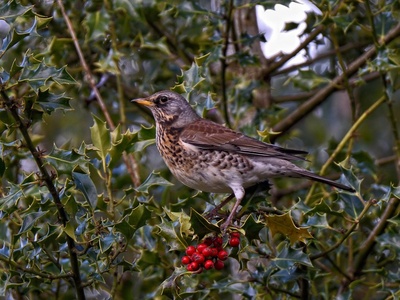
Fieldfare
Grey-backed thrush that arrives in winter in flocks. Eats fruit and invertebrates on the ground; noisy and conspicuous during cold months.
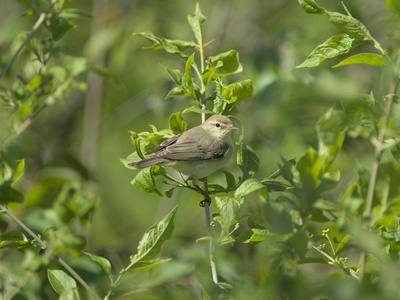
Common Chiffchaff
Tiny greenish warbler with repetitive “chiff-chaff” song. Active in foliage gleaning insects; one of the early migrants returning to breed.
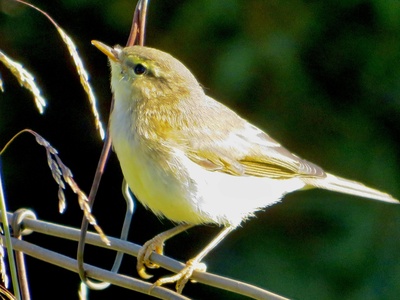
Willow Warbler
Delicate, pale warbler with descending song and thin bill. Favors damp willow-lined habitats on migration and breeding stopovers.
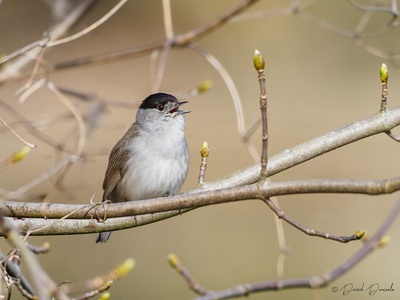
Eurasian Blackcap
Greyish warbler with black (male) or brown (female) cap and melodious song. Feeds on insects and fruit, common in hedgerows and gardens during the breeding season.
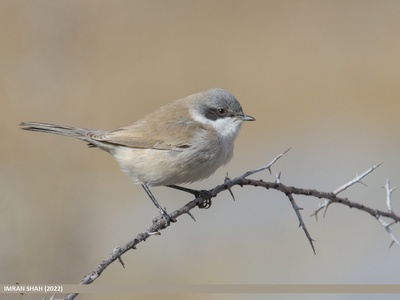
Lesser Whitethroat
Small grey-backed warbler with white throat and sharp call. Secretive in thick scrub but sings from exposed perches; widespread in breeding season.
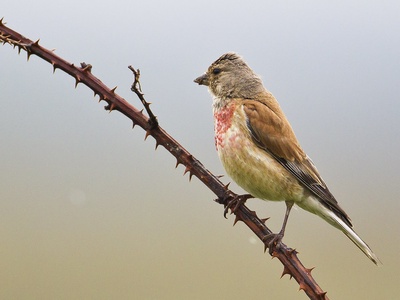
Common Linnet
Small finch with red forehead in males during breeding. Favors hedgerows and scrubby fields; sings a pleasant warbling flight-song during the season.
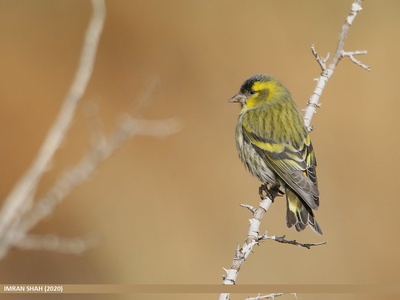
Eurasian Siskin
Small green-and-yellow finch that visits floodplain and riparian trees in winter. Feeds on alder and birch seeds in flocks with other finches.
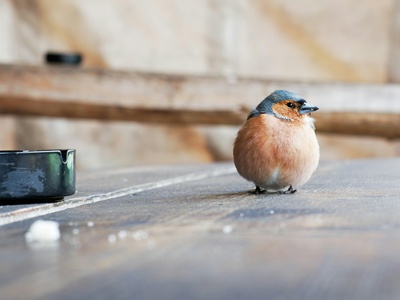
Common Chaffinch
Stocky finch with strong wing bars and varied song. Males are colorful in breeding season; common across varied habitats with trees.
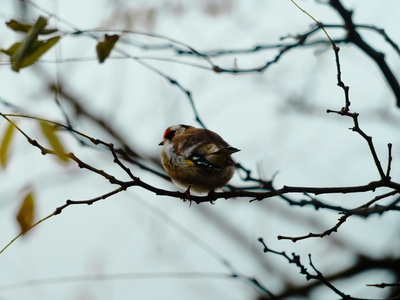
European Goldfinch
Colourful finch with red face and black-and-white head. Flits among thistles and seedheads; popular and conspicuous at feeders and in open country.
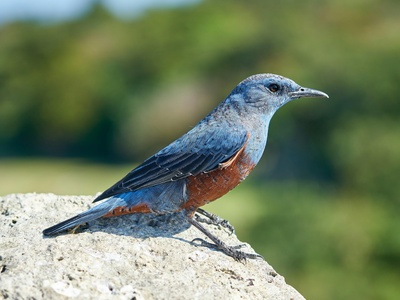
Rock Thrush
Colourful male rock thrush often perches on bare rock; insectivorous and territorial. Seen on mountain crags and cliffs during breeding season.
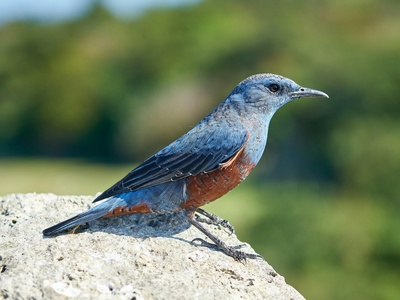
Blue Rock Thrush
Slaty-blue male with melodious song; common on rocky outcrops and old walls. Perches conspicuously while hunting insects and small prey.
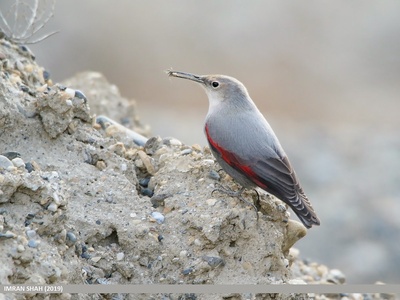
Wallcreeper
Striking crimson, grey and black bird that creeps on vertical rock faces. Charismatic and sought-after by birders; feeds on insects on cliff surfaces.
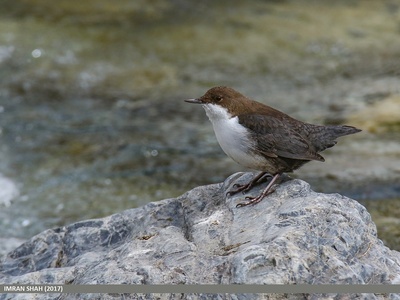
White-throated Dipper
Dark, compact bird with white throat and chest; often bobs and dives among rocks. Indicative of clean, oxygen-rich mountain watercourses.
Common Raven
Huge, intelligent corvid with deep croak. Extremely adaptable, ranging from high mountains to lowlands; known for problem-solving and strong social bonds.
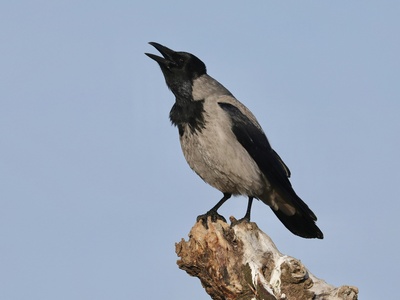
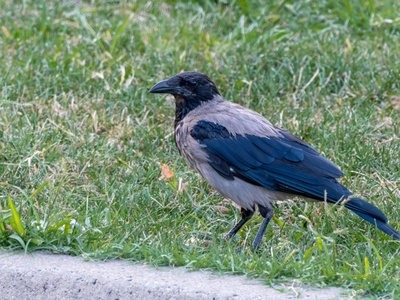
Hooded Crow
Grey-bodied crow with black head and wings. Common across lowlands and steppe, often near human settlements and farmland where it scavenges opportunistically.
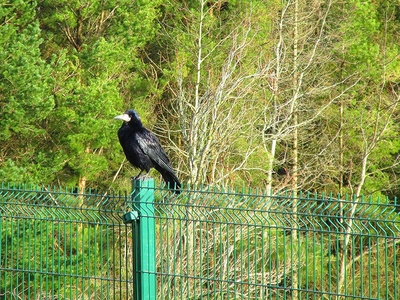
Rook
Social crow with glossy black plumage and bare grey facial skin in adults. Nests colonially in trees and feeds in open fields on invertebrates and grains.
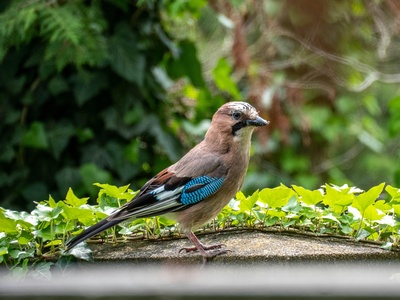
Eurasian Jay
Colourful corvid with pinkish body, black-and-white wing patches and blue wing panel. Vocal and secretive, caches acorns and plays important ecological role in oak forests.
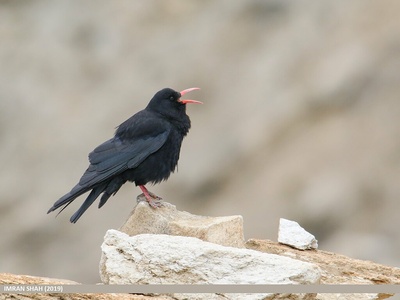
Red-billed Chough
Glossy black corvid with red bill and legs; acrobatic in flight. Prefers cliff habitats and alpine meadows where it feeds on invertebrates.
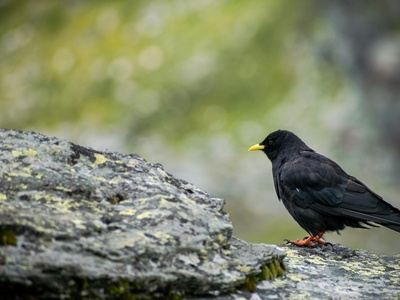
Alpine Chough
Yellow-billed black corvid adapted to high altitudes. Bold and social, often seen near human mountain refuges and passes feeding opportunistically.
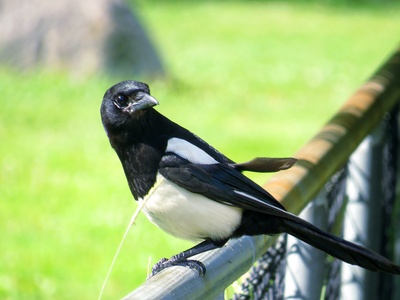
Eurasian Magpie
Black-and-white long-tailed corvid with metallic sheen. Bold omnivore that thrives near people; personal and noisy, often seen in pairs or family groups.
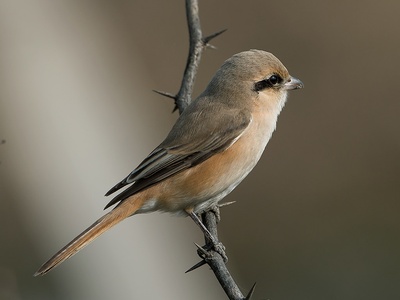
Isabelline Shrike
Pale sandy shrike with hooked bill and habit of impaling prey. Common in Central Asian steppes during breeding season; conspicuous and diagnostic.
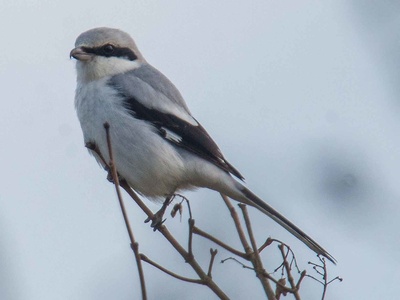
Great Grey Shrike
Large, grey shrike that perches conspicuously to hunt small vertebrates. Known as the “butcher bird” for storing prey on thorns and twigs.
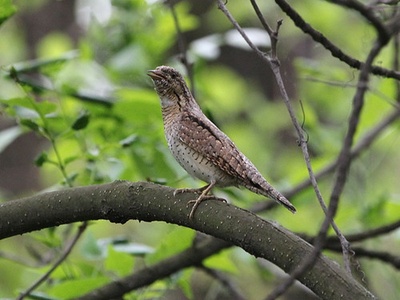
Eurasian Wryneck
Cryptic, streaky woodpecker relative with twisting neck display. Eats ants from trunks and branches and often nests in cavities during breeding season.
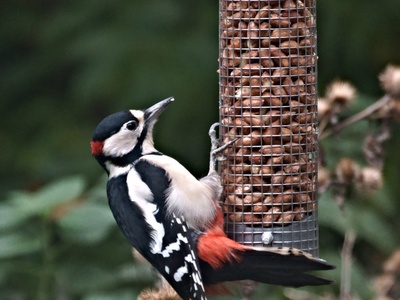
Great Spotted Woodpecker
Striking black-and-white woodpecker with red under-tail. Drills into trees for insects and nests in cavities; conspicuous pecking and drumming in wooded areas.
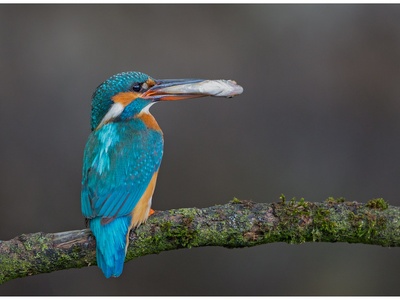
Common Kingfisher
Tiny, bright-blue and orange fish-eating bird that perches over water before diving. Prefers clear, slow-flowing water with suitable perches and banks for nesting holes.
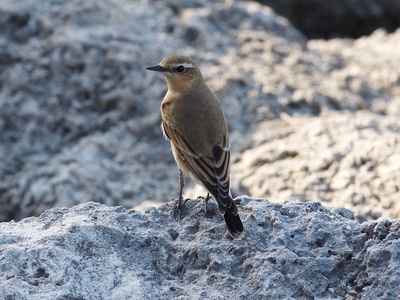
Northern Wheatear
Small insectivorous bird with upright posture and pale plumage. Breeds on open ground and rocky outcrops, notable for long-distance migration to Africa.
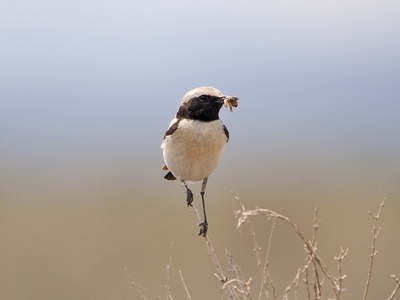
Desert Wheatear
Pale wheatear adapted to sandy habitats with upright stance and tail flicking. Often seen on desert plains and stony ground, unobtrusive but distinctive.
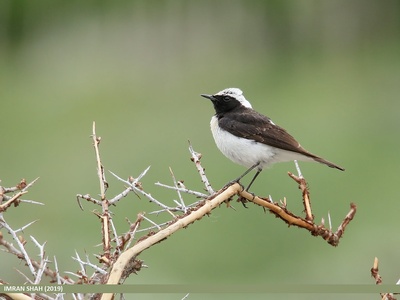
Pied Wheatear
Black-and-white wheatear with dapper male plumage. Prefers open rocky hills and plateaus during breeding season; perches on stones and low bushes.
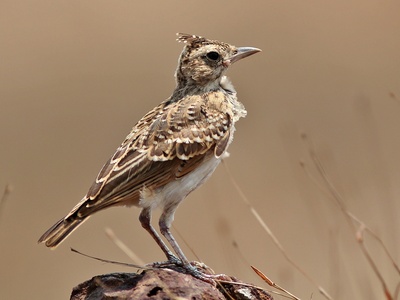
Crested Lark
Fluffy-crested lark with streaky brown plumage and melodious song from elevated perch. Ubiquitous in dry farmland and roadside verges across lowlands.

Pallid Harrier
Slender harrier with pale plumage and buoyant flight hunting rodents and birds. Migratory passage species that drifts low over grasslands and stubble fields during migration.