From the produce aisle to your kitchen plate, minerals are the quiet partners in every meal that keep bones, blood and metabolism working. A quick look at labels or a balanced grocery cart shows how iron, potassium and other elements move from soil to fork and into daily health.
There are 16 Examples of Minerals in Food, ranging from Calcium to Zinc. For each mineral, you’ll find below Type,Top food sources,RDA/NRV (per day) presented clearly so you can compare sources and recommended intakes — see the list you’ll find below.
Which minerals are most commonly lacking in typical diets?
Iron, calcium, magnesium and sometimes zinc tend to be underconsumed depending on age, sex and eating patterns; low intake shows up in fatigue, bone issues or muscle cramps. Look for varied whole foods—leafy greens, dairy or fortified alternatives, nuts, seeds and lean meats—to cover gaps.
How should I use the RDA/NRV (per day) column when planning meals?
Treat RDA/NRV values as daily targets rather than strict limits: combine foods across meals to meet needs, adjust for life stage (pregnancy, age), and use fortified foods or supplements only when diet alone can’t reach the recommended intake or a clinician advises it.
Examples of Minerals in Food
| Name | Type | Top food sources | RDA/NRV (per day) |
|---|---|---|---|
| Calcium | Major | Milk; Yogurt; Cheese; Sardines with bones | 1,000 mg/day (varies by age/sex; older adults often 1,200 mg) |
| Phosphorus | Major | Meat; Dairy; Fish; Legumes | 700 mg/day |
| Magnesium | Major | Almonds; Spinach; Pumpkin seeds; Whole grains | 310–420 mg/day (varies by sex/age) |
| Sodium | Major | Table salt; Processed foods; Cured meats; Soy sauce | 1,500 mg/day (AI); upper limit 2,300 mg/day |
| Potassium | Major | Bananas; Potatoes; Beans; Spinach | 2,600–3,400 mg/day (varies by sex) |
| Chloride | Major | Table salt; Seaweed; Tomatoes; Olives | About 2,300 mg/day (AI) |
| Sulfur | Major | Eggs; Meat; Cruciferous vegetables; Garlic | No RDA; adequate from protein-rich foods |
| Iron | Trace | Red meat; Liver; Lentils; Spinach | 8–18 mg/day (8 mg for men/postmenopausal women; 18 mg for menstruating women) |
| Zinc | Trace | Oysters; Beef; Pumpkin seeds; Legumes | 8–11 mg/day (varies by sex) |
| Copper | Trace | Oysters; Liver; Cashews; Sunflower seeds | 900 µg/day |
| Selenium | Trace | Brazil nuts; Seafood; Meat; Eggs | 55 µg/day |
| Iodine | Trace | Iodized salt; Seaweed; Fish; Dairy | 150 µg/day |
| Manganese | Trace | Whole grains; Nuts; Tea; Leafy greens | 1.8–2.3 mg/day (varies by sex) |
| Chromium | Trace | Broccoli; Meat; Whole grains; Nuts | 25–35 µg/day (varies by sex) |
| Molybdenum | Trace | Legumes; Peas; Lentils; Grains | 45 µg/day |
| Fluoride | Trace | Fluoridated water; Tea; Seafood | 3–4 mg/day (varies by sex) |
Images and Descriptions
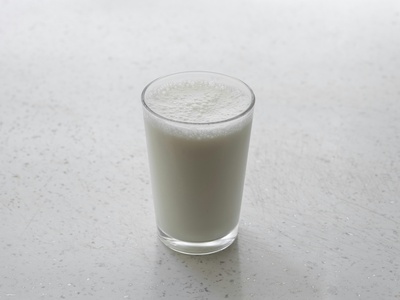
Calcium
Key for bones, teeth, nerve signaling and muscle contraction. Deficiency leads to bone loss, fractures and muscle cramps. Excess—usually from supplements—can cause kidney stones and interfere with iron absorption; balance with vitamin D and magnesium.

Phosphorus
Critical for bone mineralization, ATP energy, DNA/RNA and cell membranes. Deficiency is rare but can cause muscle weakness and bone pain. High intakes from additives may stress kidneys and disrupt calcium balance in susceptible people.
Magnesium
Supports muscle and nerve function, energy production, bone health and hundreds of enzyme reactions. Low intake can cause cramps, fatigue and irregular heartbeat. High supplemental doses may cause diarrhea and can be unsafe with kidney disease.
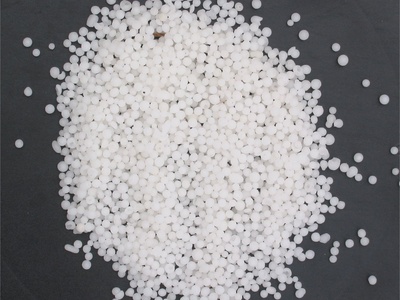
Sodium
Maintains fluid balance, nerve transmission and muscle function. Deficiency (hyponatremia) causes weakness and confusion but is rare from diet alone. Excess sodium raises blood pressure and cardiovascular risk—limit added salt and processed foods.

Potassium
Essential for heart, nerve and muscle function and helps lower blood pressure. Deficiency (from poor intake or losses) causes weakness, cramps and arrhythmias. High intakes from food are safe; supplements can be risky with kidney disease.
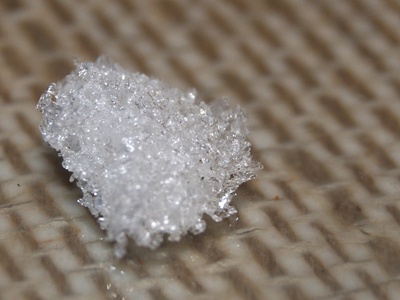
Chloride
Works with sodium to maintain fluid balance and make stomach acid (HCl); supports nerve function. Deficiency is uncommon except with excessive vomiting or sweating. Excess chloride mirrors sodium risks and may worsen hypertension when from salt.
Sulfur
Component of amino acids (methionine, cysteine), glutathione and some vitamins; supports protein structure and detoxification. Deficiency is rare with normal protein intake. No formal RDA; excess isolated supplements may cause odor or digestive upset.
Iron
Carries oxygen in hemoglobin and supports energy metabolism and immunity. Deficiency causes anemia, fatigue and cognitive issues; overload causes organ damage. Supplements can be toxic in excess—keep to recommended doses.
Zinc
Needed for immunity, wound healing, DNA synthesis and taste. Deficiency causes growth retardation, hair loss and impaired immunity. Excess zinc impairs copper absorption and can cause nausea; avoid high-dose supplements without guidance.

Copper
Supports iron metabolism, connective tissue formation and nervous system health. Deficiency can produce anemia, bone and neurological problems. Excess copper (rare from food) can be toxic; high environmental or supplemental exposure may harm the liver.
Selenium
Antioxidant component of selenoproteins important for thyroid function and immune defense. Deficiency may cause muscle weakness and, rarely, cardiomyopathy in low-selenium regions. Excess (often from supplements or very high Brazil nut intake) causes hair loss, nail changes and garlic odor.
Iodine
Required for thyroid hormones that regulate metabolism, growth and brain development. Deficiency causes goiter and impaired fetal/neonatal development. Excess iodine can trigger thyroid dysfunction in sensitive individuals.

Manganese
Cofactor for enzymes in metabolism, bone formation and antioxidant defenses. Dietary deficiency is rare but may affect growth and bone health. Excess manganese—mainly from industrial exposure—can cause neurological symptoms; avoid high-dose supplements.
Chromium
Plays a role in insulin action and macronutrient metabolism though evidence is limited. Deficiency is rare but can impair glucose tolerance. High supplemental chromium may harm liver or kidneys; dietary sources are safe.
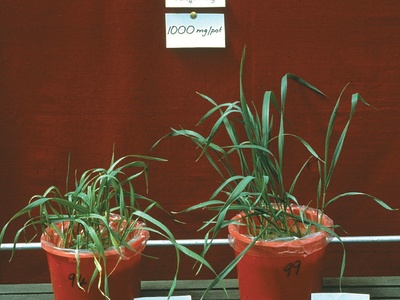
Molybdenum
Cofactor for enzymes that metabolize sulfur-containing amino acids, drugs and purines. Deficiency is extremely rare except with specialized IV feeding. Excessive intake may interfere with copper; normal food amounts are safe.
Fluoride
Helps strengthen tooth enamel and prevent cavities when present in water and foods. Low fluoride increases dental decay risk; excess—usually from high water levels or supplements—causes dental fluorosis and, rarely, skeletal issues.