Chemical compounds are part of everyday life — in the food we eat, the cleaning products we use, and the experiments done in labs. A clear, compact list helps you spot patterns, compare properties, and pick the right substance for a task without wading through dense textbooks.
There are 20 Examples of Chemical Compounds, ranging from Acetic acid to Water. For each entry you’ll find below data organized in columns: Formula,Molar mass (g/mol),Class to make quick comparisons easy and practical — ideal whether you’re studying, teaching, or checking a reference you’ll find below.
How can I quickly compare compounds for a specific application?
Scan the Class column to narrow types (acid, alcohol, salt, etc.), then use Formula and Molar mass (g/mol) to assess molecular size and stoichiometry; together those fields let you shortlist candidates for solubility, reactivity, or formulation testing.
Are safety precautions included or where should I look?
This list focuses on basic identification and properties; for handling, consult material safety data sheets (MSDS/SDS) or reliable databases linked from each compound’s entry to get hazard, storage, and PPE guidance.
Examples of Chemical Compounds
| Name | Formula | Molar mass (g/mol) | Class |
|---|---|---|---|
| Water | H2O | 18.02 | Inorganic solvent |
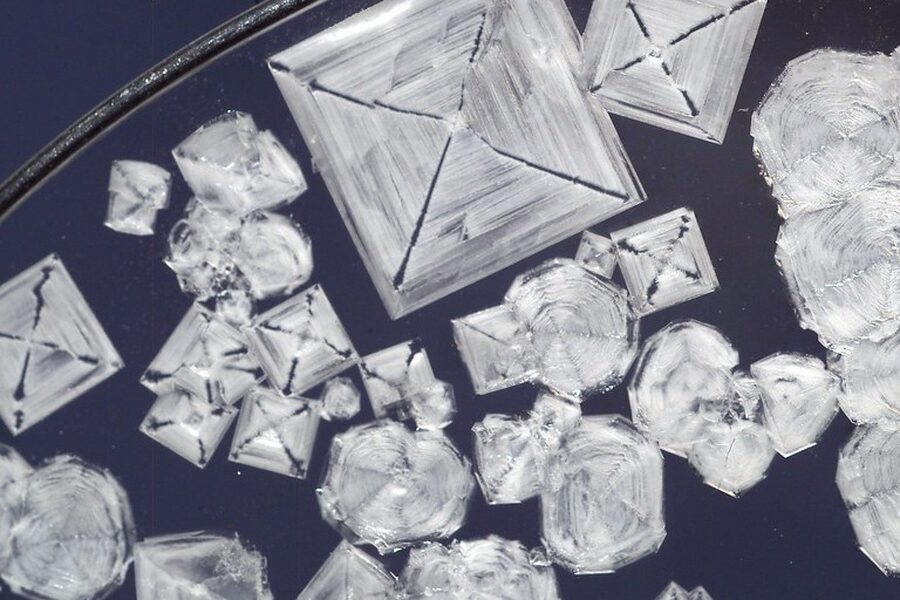
| Sodium chloride | NaCl | 58.44 | Ionic salt |
| Ethanol | C2H5OH | 46.07 | Alcohol, solvent, fuel |
| Glucose | C6H12O6 | 180.16 | Monosaccharide, biomolecule |
| Carbon dioxide | CO2 | 44.01 | Gaseous molecule |
| Ammonia | NH3 | 17.03 | Inorganic base (gas) |
| Sulfuric acid | H2SO4 | 98.08 | Strong mineral acid |
| Acetic acid | CH3COOH | 60.05 | Organic acid (vinegar component) |
| Hydrogen peroxide | H2O2 | 34.01 | Oxidizing agent |
| Calcium carbonate | CaCO3 | 100.09 | Inorganic salt/mineral |
| Methane | CH4 | 16.04 | Simple hydrocarbon gas |
| Benzene | C6H6 | 78.11 | Aromatic hydrocarbon |
| Acetone | (CH3)2CO | 58.08 | Solvent, ketone |
| Sodium bicarbonate | NaHCO3 | 84.01 | Weak base, salt |
| Sodium hydroxide | NaOH | 40.00 | Strong base (caustic) |
| Hydrochloric acid | HCl | 36.46 | Strong mineral acid |
| Urea | CH4N2O | 60.06 | Organic nitrogen compound |
| Aspirin | C9H8O4 | 180.16 | Analgesic (drug) |
| Formaldehyde | CH2O | 30.03 | Aldehyde, preservative |
| Nitric acid | HNO3 | 63.01 | Strong oxidizing acid |
Images and Descriptions

Water
Essential liquid for life, common in rivers, oceans, and tap water. Used as solvent, coolant, and in reactions. Non-toxic but contaminated water can harm health. Boiling and filtration commonly used to make it safe for drinking.
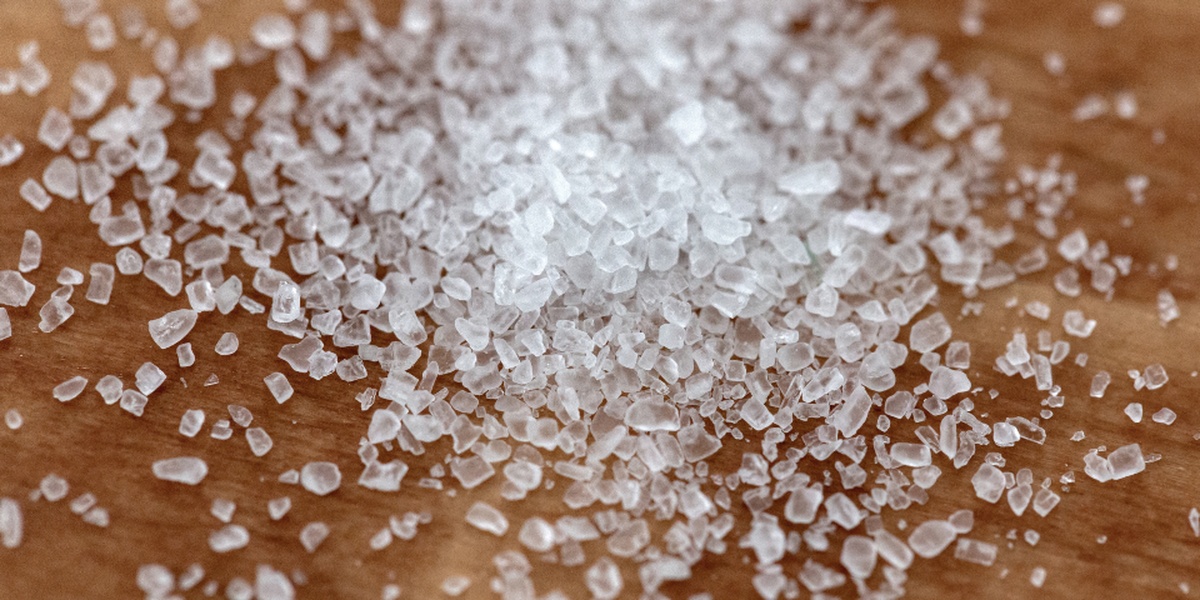
Sodium chloride
Common table salt found in food and seawater. Used for seasoning, food preservation, de-icing roads, and industrial chemical production. Generally safe in moderate amounts; excessive intake can contribute to high blood pressure and health problems.

Ethanol
Alcohol used as beverage ingredient, solvent, and fuel additive. Found in alcoholic drinks, sanitizers, and laboratories. Flammable and intoxicating; ingestion in excess causes impairment and poisoning. Handle away from flames and use proper ventilation when evaporating.

Glucose
Simple sugar present in fruits, blood, and many foods. Primary energy source for cells and used in medical IV fluids and food industry. Excessive blood glucose requires medical attention; consume as part of balanced diet to avoid metabolic issues.

Carbon dioxide
Colorless gas produced by respiration, combustion, and fermentation. Used in carbonated drinks, fire extinguishers, and as refrigerant in solid form (dry ice). High concentrations can displace oxygen and cause asphyxiation; ventilate enclosed spaces.
Ammonia
Pungent, colorless gas used in fertilizers, cleaning products, and industrial refrigeration. Found in agriculture and household cleaners. Corrosive and irritating to eyes and lungs; avoid mixing with bleach and use protective equipment to prevent burns and inhalation injuries.
Sulfuric acid
Strong mineral acid used in batteries, fertilizer production, and chemical manufacturing. Found in car batteries and industrial plants. Highly corrosive, can cause severe burns and eye damage; handle with appropriate protective gear and neutralize spills promptly.

Acetic acid
Main component of vinegar (diluted), used in food flavoring, chemical synthesis, and cleaning agents. Concentrated acid is corrosive and can irritate skin and eyes. Common household vinegar solutions are safe for cooking but not for concentrated industrial acid.
Hydrogen peroxide
Reactive oxygen compound used as antiseptic, bleaching agent, and disinfectant. Found in first-aid kits and hair dyes. Low concentrations are safe for minor wound cleaning; concentrated solutions can bleach skin and clothing and cause burns—handle carefully.
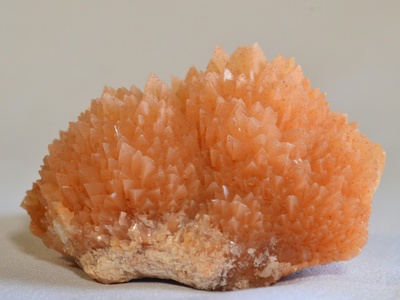
Calcium carbonate
White mineral compound present in limestone, chalk, and eggshells. Used in antacids, cement, and as filler in paper and plastics. Generally safe as dietary calcium or antacid, but inhaled dust or high ingestion has health risks.

Methane
Simple hydrocarbon gas produced by biological decomposition and fossil fuel extraction. Major component of natural gas used for heating and electricity. Highly flammable and a potent greenhouse gas when released; prevent leaks and avoid ignition sources.
Benzene
Aromatic hydrocarbon used as an industrial solvent and precursor to plastics and chemicals. Found in petroleum and cigarette smoke. Toxic and carcinogenic with long-term exposure; minimize exposure and follow strict handling regulations and protective measures.
Acetone
Common solvent used in nail polish remover, paint thinners, and laboratory cleaning. Found in cosmetics and industrial settings. Highly flammable and can irritate skin or eyes; use in well-ventilated areas and keep away from heat or open flames.
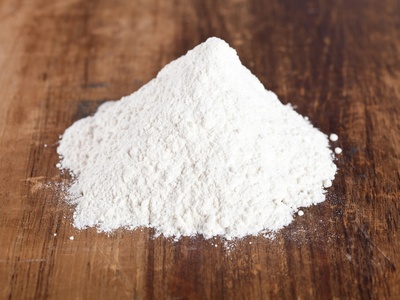
Sodium bicarbonate
Mild alkaline salt used in baking, cleaning, and antacid tablets. Found in kitchens and laboratories. Generally safe in normal use but can cause stomach upset if overconsumed; reacts with acids to produce carbon dioxide gas.
Sodium hydroxide
Strong base used in drain cleaners, soap making, and chemical synthesis. Found in industrial settings and some household products. Highly caustic, causes severe burns and eye damage; handle with gloves, eye protection, and neutralize spills carefully.
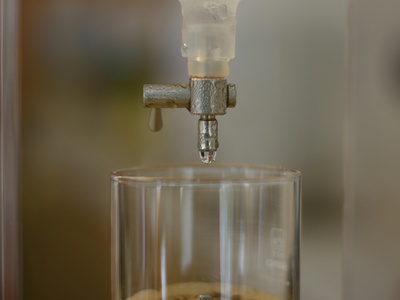
Hydrochloric acid
Strong acid used in metal pickling, pH control, and stomach digestion (gastric acid). Found in industrial processes and household cleaners diluted. Corrosive and can release harmful fumes; use ventilation and protective gear when handling concentrated solutions.
Urea
Nitrogen-rich organic compound produced in urine and widely used as fertilizer and in plastics. Found in biological organisms and agricultural products. Generally low in toxicity but can irritate skin and eyes; excessive environmental use can contribute to water pollution.
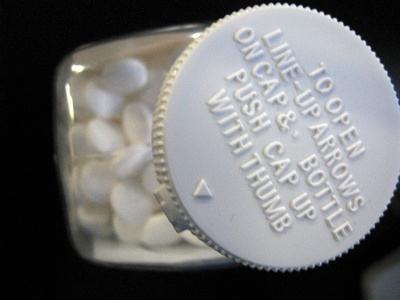
Aspirin
Common pain reliever and anti-inflammatory drug used for fever, pain, and cardiovascular protection in low doses. Found as over-the-counter tablets. Can cause stomach irritation or bleeding in some people; follow dosing guidelines and consult a doctor.
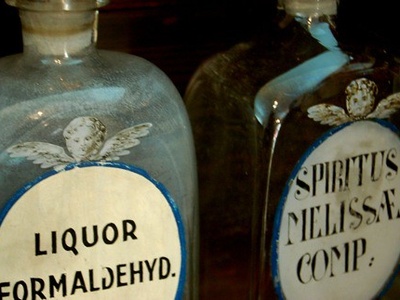
Formaldehyde
Simple aldehyde used in resins, disinfectants, and embalming fluids. Found in building materials and some preservatives. Toxic and a respiratory irritant; classified as a carcinogen with long-term exposure—minimize exposure and use proper ventilation and protective gear.
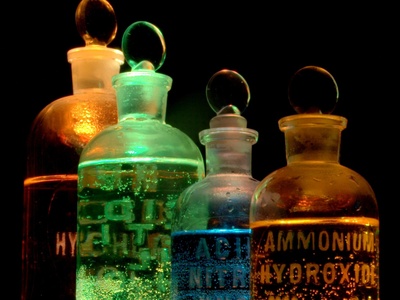
Nitric acid
Strong oxidizing acid used in fertilizer, explosives, and metal etching. Found in industrial chemical production. Corrosive and can cause severe burns and toxic nitrogen oxides fumes; handle with protective equipment and proper ventilation.