There are roughly 6,400 described mammal species on Earth, yet popular culture clings to a surprisingly small set of beliefs about what mammals are and how they behave.
Those beliefs matter: simplified ideas shape policy decisions, skew conservation priorities, influence pet ownership choices, and affect how we teach children about nature. A misplaced assumption—say, that all mammals give live birth—can obscure the very real needs of egg‑laying monotremes like the platypus and echidna.
Below I debunk ten common myths about mammals, grouped into biology & anatomy, behavior, ecology & conservation, and human–mammal interactions. Expect specific examples, a few numbers, and practical takeaways you can use when reading news stories or making local conservation choices.
Biology and Anatomy Myths
People often treat a short list of traits—warm‑blooded, hairy, live‑bearing—as universal, but those traits vary a lot across mammal lineages. That variation is not trivia: it reveals evolutionary solutions to very different environments, from burrows to the open ocean.
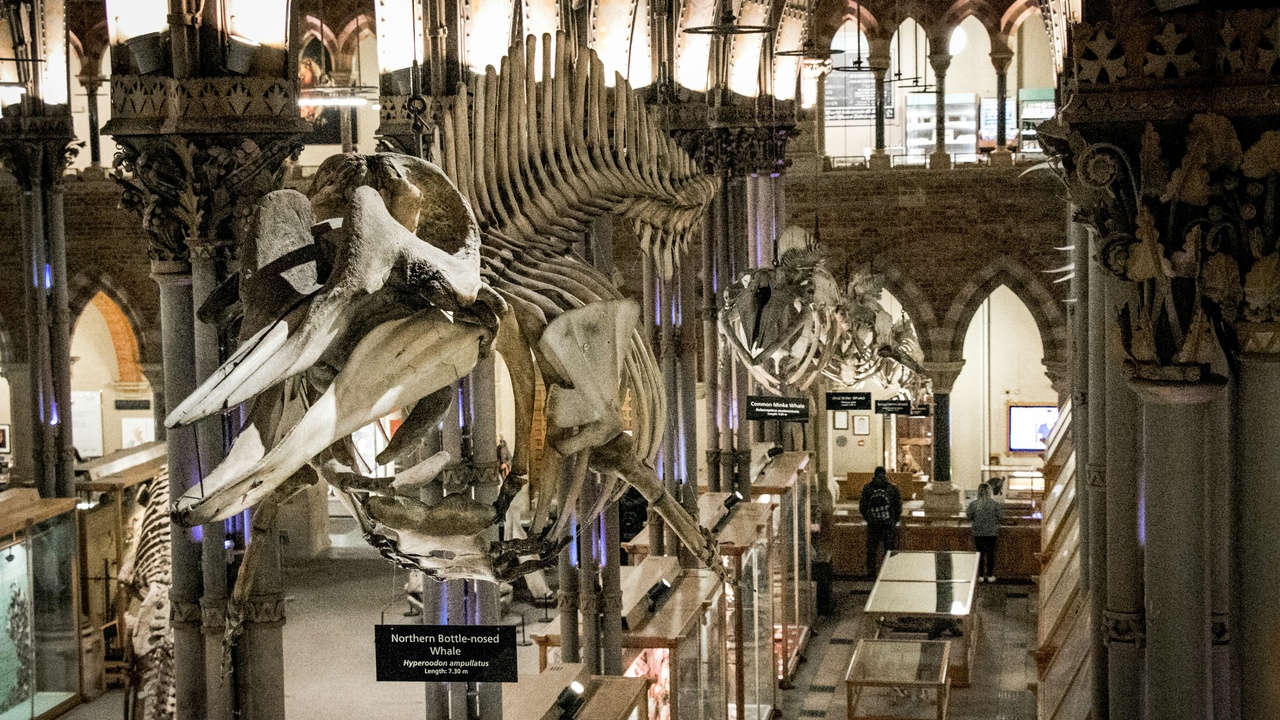
Monotremes (five living species) lay eggs; whales are huge yet largely hairless; some tiny desert rodents have very different thermoregulatory strategies than polar mammals. These exceptions complicate straightforward classroom statements and make science communication harder when the nuance is ignored.
Keeping those exceptions in mind helps educators, policy makers, and pet owners avoid one‑size‑fits‑all rules and better meet species’ needs.
1. Mammals are all warm-blooded in exactly the same way
Myth: “All mammals maintain a constant, high body temperature by the same mechanisms.” Reality: mammals are generally endothermic, but how strictly they regulate temperature varies.
Some species are heterothermic—able to let body temperature fall when advantageous. Hibernating bats and some small marsupials drop metabolic rate and temperature seasonally to survive food shortages. Bears show a moderated hibernation that’s different from small mammals’ torpor.
Monotremes (the platypus and four echidna species) have lower average body temperatures than most placentals, illustrating that “warm‑blooded” covers a spectrum of strategies.
Implication: captive care, metabolic research, and climate‑vulnerability assessments must account for this variation rather than treating all mammals as identical heat factories.
2. All mammals have thick fur or hair
Myth: “If it’s a mammal, it must be covered in fur.” Correction: hair is a defining mammalian trait, but its abundance ranges from dense pelage to near‑absence.
Cetaceans—whales and dolphins—have mostly lost external hair as they adapted to life in water, retaining only a few hairs on newborns or sensory areas. Elephants and rhinos have sparse hair across their bodies, a trait tied to large size and thermoregulatory needs.
Evolutionary loss of dense hair occurred tens of millions of years ago in some aquatic lineages, showing that hair reduction can be a long‑term adaptive change rather than a malformation.
Recognizing hair variation helps avoid faulty assumptions about insulation, identification, or an animal’s “warmth” when handling or studying specimens.
3. Mammals are defined by live birth
Myth: “All mammals give birth to live young.” Reality: mammalian reproductive strategies include egg‑laying, pouch development, and long placental gestation.
There are three major groups: monotremes (egg‑layers such as the platypus and echidnas), marsupials (kangaroos and opossums) whose young are born very underdeveloped and often finish development in a pouch, and placentals with prolonged in‑womb development.
These differences affect life history traits like litter size, gestation length, and population recovery rates—factors that matter for conservation planning and captive breeding programs.
Quick takeaway: “Live birth” describes most mammals but not all, and reproduction shapes vulnerability and management options.
Behavioral Myths
Behavior is molded by ecology, not simple stereotypes. When people assume uniform behaviors—aggression levels, parental roles, sensory reliance—they risk mismanaging wildlife, misdirecting research, and stoking needless fear.
Studying behavioral exceptions, such as species that buck sex‑role expectations or pair bonds that include active fathers, reveals the flexibility of mammalian social systems and improves human–wildlife interactions.
Below are three widespread behavior myths and the real patterns behind them.
4. Bats are blind (‘blind as a bat’)
Myth: “Bats are blind.” Correction: most bats have functional vision, and many species combine sight with echolocation for navigation and foraging.
There are roughly 1,400 bat species worldwide. Fruit bats (flying foxes) rely heavily on vision and smell, while many insectivorous microbats use ultrasonic echolocation to hunt at night but still see well enough for daytime roost selection and social cues.
Clearing this misunderstanding reduces irrational fear and helps conservation messages emphasize bats’ ecological roles as pollinators and insect controllers rather than portray them as blind pests.
Practical note: if you encounter a grounded bat, assume it can see some and avoid handling without guidance from wildlife professionals.
5. Female mammals are always less aggressive than males
Myth: “Females are inherently less aggressive.” Truth: aggression and dominance depend on ecology, mating systems, and social structure—not simply sex.
Spotted hyenas provide a stark counterexample: females are larger, more aggressive, and occupy dominant social ranks. Some primate groups also feature strong female hierarchies tied to resource defense and offspring survival.
Misreading these patterns can mislead zoo management, field studies, and public narratives; recognizing female aggression where it exists leads to better enclosure design and research questions.
Takeaway: expect variation, and let species‑level studies—not gendered assumptions—guide behavior predictions.
6. Male mammals never help rear the young
Myth: “Parental care is always a female job.” Correction: male parental care is more common than people assume and appears in diverse lineages.
Examples include the California mouse (Peromyscus californicus), where males groom and nest‑build, and New World primates like marmosets and tamarins, where males frequently carry infants. Social carnivores such as wolves and African wild dogs rely on group cooperation that includes male provisioning and defense.
From an evolutionary perspective, paternal care influences mating systems and population dynamics; for conservation and captive breeding, including males in rearing can improve survival and social outcomes.
Practical note: pet owners and breeders should consider the species’ natural parenting pattern when setting expectations for fathers.
Ecology and Conservation Myths
Simple ecological narratives often dominate headlines: reintroduce a predator and the whole ecosystem snaps back into balance. Reality is messier—habitat, human land use, disease, and climate interact with species roles.
Accurate conservation depends on recognizing context. Roughly a quarter of assessed mammals are threatened on the IUCN Red List, so misdirected single‑species solutions can waste limited resources and miss urgent needs.
The two myths below unpack why ecosystem thinking is essential for effective management and why activity patterns aren’t always fixed traits.
7. Apex predators single-handedly control ecosystems
Myth: “A single apex predator determines ecosystem health.” Reality: trophic cascades exist but their strength and direction vary with local conditions.
The Yellowstone wolf reintroduction (1995–1996) became a widely cited example of top‑down effects, but subsequent studies showed a complex mix of direct and indirect influences, including human hunting, climate variability, and vegetation history.
Management implication: predator reintroductions can contribute to restored function, but they are not universal fixes. Ecosystem‑based planning that considers habitat, prey populations, and human communities is a better path.
In short, predators matter—but they are one piece of a larger ecological puzzle.
8. Mammals are strictly nocturnal or diurnal
Myth: “Species are locked into being nocturnal or diurnal.” Correction: activity patterns are often flexible and responsive to predators, climate, or human presence.
About two‑thirds of mammal species tend toward nocturnality, but many are crepuscular (dawn and dusk) or shift behavior. Urban coyotes, for example, often become more nocturnal to avoid daytime humans while preserving access to food.
These shifts have practical consequences: altered activity affects collision risk, disease transmission, and how we schedule monitoring surveys for accurate population counts.
So avoid rigid labels—think of activity as a flexible trait influenced by context.
Human–Mammal Interaction Myths

Public beliefs drive decisions about which species get funding, how livestock and pets are managed, and whether wild animals are tolerated near towns. Misunderstanding domestication and assuming all species are well studied both lead to poor outcomes.
Domestication alters genetics and behavior over generations, and many wild species remain poorly known—especially cryptic tropical mammals—so sound policy requires both genetic understanding and more fieldwork.
The final two myths below tackle domestication and gaps in our knowledge about species’ statuses.
9. Domesticated mammals are just slightly tamer versions of wild ones
Myth: “Domestic animals are merely tamer wild animals.” Reality: domestication is a long process that reshapes genes, behavior, and often morphology.
Dmitri Belyaev’s silver fox experiment (started 1959) showed rapid changes when researchers selected for tameness: foxes became more docile and developed altered coat colors, floppy ears, and modified reproductive cycles within a few generations.
That experiment underscores that domestic populations are not interchangeable with wild relatives. Conservation breeding, rewilding, and the pet trade must respect those genetic and behavioral differences.
Bottom line: tame is not the same as wild genetically or ecologically.
10. All mammal species are well-studied and their status is known
Myth: “We know the status of nearly every mammal.” Correction: data gaps are common, especially among small, nocturnal, or tropical species.
About 25% of assessed mammal species are listed as threatened on the IUCN Red List, and many taxa are categorized as Data Deficient. Small populations—like the Ethiopian wolf, with fewer than 500 wild individuals—show how precarious and understudied some mammals are.
Practical consequences include misallocated funding, overlooked declines, and missed opportunities for early intervention. Expanding field surveys, citizen science, and targeted research can help close these gaps.
Summary
- Biology: Mammals share broad traits but show key exceptions—egg‑laying monotremes (platypus, echidnas) and largely hairless whales remind us of that diversity.
- Behavior: Sensory systems, aggression, and parenting are shaped by ecology; males can be devoted caregivers and females can be dominant in some species (e.g., spotted hyenas).
- Ecology: Apex predators influence systems but rarely operate alone; activity patterns are flexible, with many species shifting to nocturnality under human pressure.
- Human interactions: Domestication (Belyaev’s 1959 fox study) produces deep genetic change, and roughly 25% of assessed mammals are threatened, with numerous species still data‑deficient.
Question simple narratives, support local conservation efforts, and learn about lesser‑known species—accurate knowledge about myths about mammals helps protect the full breadth of mammalian life.