No strictly country-endemic species are known from Poland. There are no species that occur only inside Poland’s political borders and nowhere else.
Understand that using a strict “country-endemic” rule creates this result. Plants and animals do not follow political lines. Poland sits in a continuous temperate zone and shares habitats with neighbors. Most species extend across borders into Germany, Belarus, Ukraine, Slovakia or the Baltic region. Poland also lacks the extreme isolation (islands or very remote mountain chains) that often produces country-only endemics.
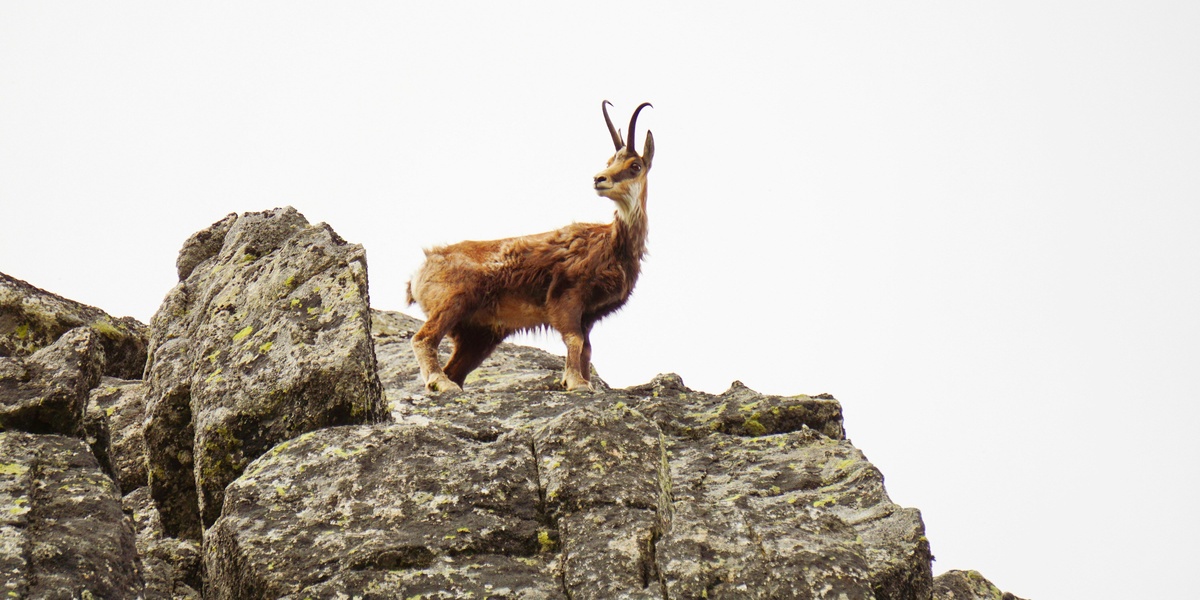
Recognize the technical and historical reasons behind this pattern. Last ice ages and post-glacial movements shaped ranges that cross today’s borders. Taxonomy and new research also move species between “national” lists and wider ranges. Close matches do exist, but they are regional rather than strictly Polish. Examples include Tatra Mountain endemics (plants and insects limited to the Tatra range shared by Poland and Slovakia), Carpathian specialists like the Carpathian newt (found across the Carpathians), and Baltic or forest habitat specialists confined to small cross-border areas.
Focus instead on useful alternatives. Examine regional endemics (Tatra, Carpathian, Sudeten), endemic subspecies and local forms, species listed on the Polish Red List, and habitat specialists of places like Białowieża and the Baltic coast. Explore those lists and protected-area species for the unique organisms most relevant to naturalists, students, and travelers.