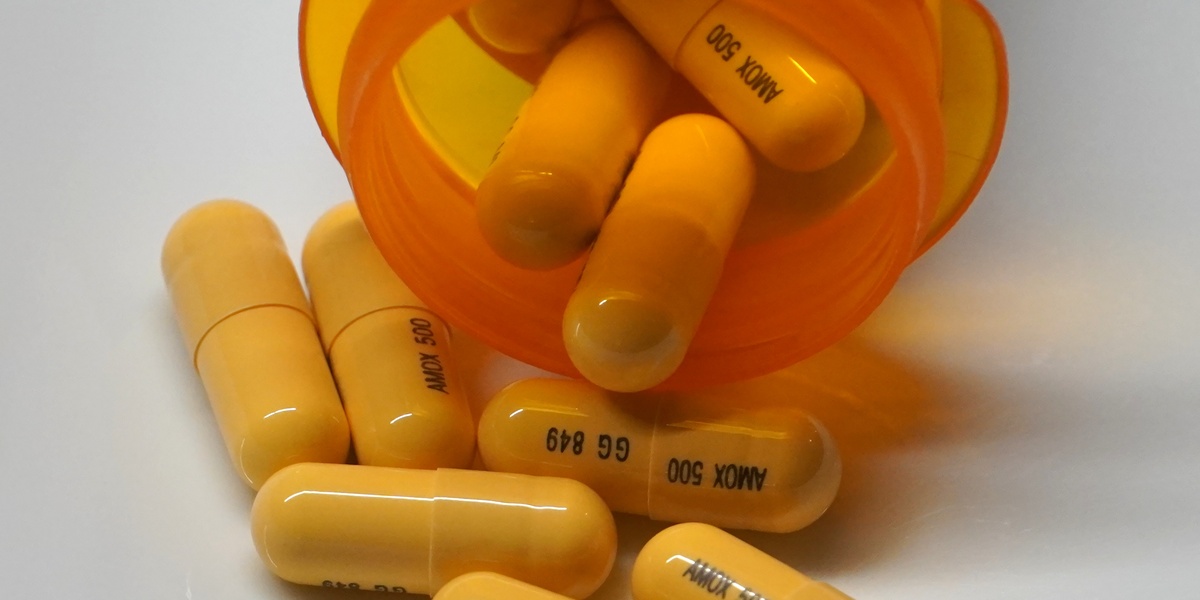
In hospitals and clinics around the world, quick access to a concise list of commonly used medications helps clinicians and trainees make faster, safer choices. This collection is meant as a straightforward reference you can scan before rounds or when reviewing treatment options.
There are 51 Antibiotics, ranging from Amikacin to Vancomycin. For each, you’ll find below Class,Spectrum & main uses,Route.
How should I choose the right drug from this list for a particular infection?
Pick based on the likely or confirmed pathogen and its susceptibility, the site and severity of infection, patient factors (allergies, pregnancy, kidney or liver function), and local resistance patterns; when in doubt, consult institutional guidelines or a microbiologist to match the agent’s spectrum and route to the clinical scenario.
What do the columns Class, Spectrum & main uses, Route actually tell me?
“Class” groups drugs by mechanism or family, “Spectrum & main uses” summarizes which organisms and conditions the agent targets, and “Route” indicates how it’s given (oral, IV, etc.), so together they help you compare efficacy, typical indications, and practical administration at a glance.
Antibiotics
| Name | Class | Spectrum & main uses | Route |
|---|---|---|---|
| Amoxicillin | Aminopenicillin | Streptococci, H. influenzae, some Enterobacterales; URTIs, otitis, skin | Oral, IV |
| Ampicillin | Aminopenicillin | Enterococci, Listeria, some Gram-negatives; meningitis, enteric, respiratory | Oral, IV |
| Penicillin G | Natural penicillin | Streptococci, syphilis, some anaerobes; severe infections | IV, IM |
| Penicillin V | Natural penicillin | Streptococcal pharyngitis, mild skin infections | Oral |
| Flucloxacillin | Anti-staphylococcal penicillin | Penicillinase-producing staphylococci; skin and soft tissue infections | Oral, IV |
| Amoxicillin-clavulanate | Beta-lactam/beta-lactamase inhibitor | Expanded Enterobacterales and beta-lactamase producers; respiratory, bite wounds | Oral, IV |
| Piperacillin-tazobactam | Ureidopenicillin/beta-lactamase inhibitor | Broad Gram-negative including Pseudomonas; hospital sepsis, intra-abdominal infections | IV |
| Cefalexin | First-generation cephalosporin | MSSA, streptococci; skin, UTI, mild respiratory infections | Oral |
| Cefazolin | First-generation cephalosporin | Surgical prophylaxis, MSSA, streptococci | IV |
| Cefuroxime | Second-generation cephalosporin | H. influenzae, respiratory pathogens, Lyme disease | Oral, IV |
| Ceftriaxone | Third-generation cephalosporin | Broad Gram-negative and some Gram-positive; meningitis, severe pneumonia, gonorrhea | IV, IM |
| Cefotaxime | Third-generation cephalosporin | Severe Gram-negative infections, meningitis, sepsis | IV |
| Ceftazidime | Third-generation cephalosporin | Pseudomonas and Gram-negative nosocomial infections | IV |
| Cefepime | Fourth-generation cephalosporin | Broad Gram-negative including Pseudomonas; nosocomial infections | IV |
| Ceftaroline | Fifth-generation cephalosporin | MRSA and common Gram-negatives; skin infections, community pneumonia | IV |
| Ceftolozane-tazobactam | Advanced cephalosporin/beta-lactamase inhibitor | Resistant Pseudomonas, some ESBL producers; complicated intra-abdominal and UTI | IV |
| Ceftazidime-avibactam | Cephalosporin/beta-lactamase inhibitor | Complicated intra-abdominal, UTI; multidrug-resistant Gram-negatives | IV |
| Imipenem | Carbapenem | Very broad Gram-positive, Gram-negative, anaerobes; severe resistant infections | IV |
| Meropenem | Carbapenem | Broad Gram-negative and anaerobes; severe hospital infections, meningitis | IV |
| Ertapenem | Carbapenem | Enterobacterales and anaerobes; intra-abdominal, pelvic, complicated UTI | IV, IM |
| Aztreonam | Monobactam | Aerobic Gram-negative rods including Pseudomonas; penicillin-allergic patients | IV |
| Gentamicin | Aminoglycoside | Aerobic Gram-negative bacilli; severe sepsis, synergy for Enterococcus endocarditis | IV, IM |
| Tobramycin | Aminoglycoside | Pseudomonas and Gram-negative infections; CF inhaled use | IV, IM, inhaled |
| Amikacin | Aminoglycoside | Broad Gram-negative including resistant strains; severe MDR infections | IV, IM |
| Doxycycline | Tetracycline | Atypicals, respiratory pathogens, acne, tick-borne diseases | Oral, IV |
| Tetracycline | Tetracycline | Acne, atypicals, some respiratory infections | Oral |
| Minocycline | Tetracycline derivative | Acne, skin infections, some atypicals | Oral, IV |
| Azithromycin | Macrolide | Atypicals, respiratory pathogens, some STIs | Oral, IV |
| Clarithromycin | Macrolide | Respiratory infections, H. pylori, atypicals | Oral, IV |
| Erythromycin | Macrolide | Some respiratory infections, prokinetic use | Oral, IV |
| Clindamycin | Lincosamide | Gram-positive cocci, anaerobes; skin, dental, anaerobic infections | Oral, IV |
| Linezolid | Oxazolidinone | MRSA, VRE, resistant Gram-positive infections | Oral, IV |
| Tigecycline | Glycylcycline | Multidrug-resistant Gram-positives and some Gram-negatives; complicated skin, intra-abdominal | IV |
| Colistin | Polymyxin | Multidrug-resistant Gram-negative bacilli including CRE; salvage therapy | IV, inhaled |
| Polymyxin B | Polymyxin | Multidrug-resistant Gram-negatives; last-line therapy | IV |
| Trimethoprim-sulfamethoxazole | Folate synthesis inhibitor combination | UTI, Pneumocystis jirovecii, skin infections | Oral, IV |
| Nitrofurantoin | Nitrofuran | Uncomplicated lower urinary tract infections only | Oral |
| Fosfomycin | Cell wall synthesis inhibitor | Uncomplicated UTI (single dose); IV for MDR infections | Oral, IV |
| Metronidazole | Nitroimidazole | Anaerobes, C. difficile, intra-abdominal, pelvic infections | Oral, IV |
| Vancomycin | Glycopeptide | MRSA, serious Gram-positive infections; oral for C. difficile | IV, Oral (C. difficile) |
| Teicoplanin | Glycopeptide | Gram-positive including MRSA; serious infections | IV, IM |
| Daptomycin | Lipopeptide | MRSA, VRE; bloodstream and complicated skin infections | IV |
| Ciprofloxacin | Fluoroquinolone | Strong Gram-negative and Pseudomonas activity; UTIs, GI infections | Oral, IV |
| Levofloxacin | Fluoroquinolone | Respiratory pathogens, atypicals, Gram-negatives; CAP, complicated UTI | Oral, IV |
| Moxifloxacin | Fluoroquinolone | Enhanced Gram-positive and anaerobic activity; respiratory infections | Oral, IV |
| Rifampicin | Rifamycin | Tuberculosis, staphylococcal device infections; combination therapy | Oral, IV |
| Isoniazid | Antitubercular agent | Latent and active tuberculosis treatment | Oral |
| Pyrazinamide | Antitubercular agent | Active tuberculosis; shortens therapy when combined | Oral |
| Ethambutol | Antitubercular agent | Active tuberculosis; prevents resistance during initial therapy | Oral |
| Streptomycin | Aminoglycoside | Tuberculosis, select severe Gram-negative infections | IM, IV |
| Chloramphenicol | Broad-spectrum inhibitor of protein synthesis | Serious infections when alternatives unavailable; meningitis in resource-limited settings | Oral, IV |
Images and Descriptions
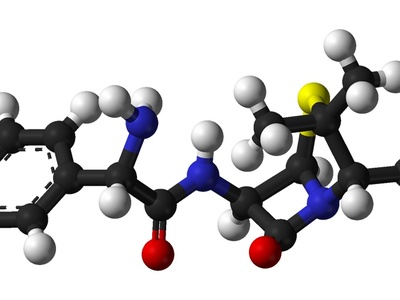
Amoxicillin
Broad-spectrum aminopenicillin for common respiratory, ear, sinus, and skin infections; often first-line in guidelines. Oral or IV. Pay attention to beta-lactam allergy and increasing resistance from beta-lactamase–producing strains; use with clavulanate when beta-lactamase likely.
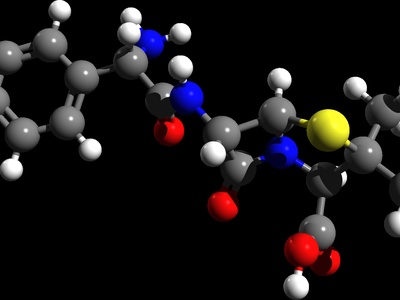
Ampicillin
Aminopenicillin active against many Gram-positive and some Gram-negative bacteria; used for enterococcal, listeria, and respiratory infections. Oral and IV formulations exist. Watch for rash in mononucleosis, beta-lactam allergy, and rising resistance among Enterobacterales via beta-lactamases.

Penicillin G
Natural penicillin used for streptococcal, syphilis, and some anaerobic infections; IV or IM only. Highly effective for susceptible organisms but limited by beta-lactamase-producing bacteria and frequent dosing; allergic reactions and rare neurotoxicity with high doses.

Penicillin V
Oral natural penicillin often used for streptococcal throat infections and mild skin infections. Limited Gram-negative activity and inactivated by many beta-lactamases. Generally safe but contraindicated with penicillin allergy and may cause gastrointestinal upset.
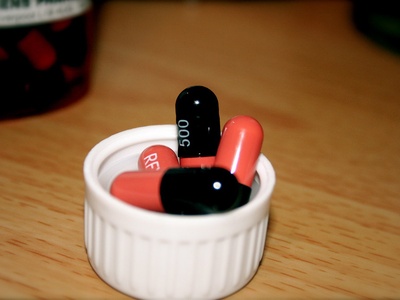
Flucloxacillin
Anti-staphylococcal penicillin targeting penicillinase-producing staphylococci; used for skin and soft tissue infections. Oral and IV forms. Not effective against MRSA. Monitor liver enzymes; occasionally causes gastrointestinal intolerance and allergic reactions.
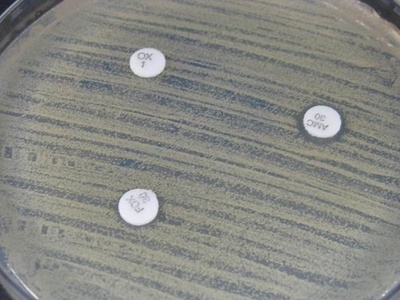
Amoxicillin-clavulanate
Combines amoxicillin with clavulanic acid to inhibit beta-lactamases, extending activity to resistant strains; used for respiratory, ear, sinus, and bite-related infections. Oral and IV formulations. More gastrointestinal side effects and increased risk of liver enzyme elevations.
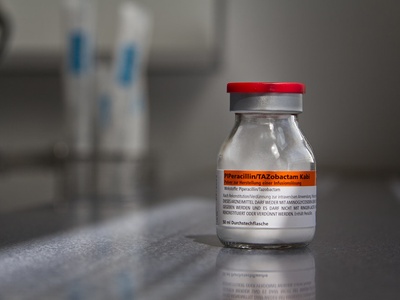
Piperacillin-tazobactam
Extended-spectrum ureidopenicillin with beta-lactamase inhibitor; broad Gram-negative and anaerobic activity including Pseudomonas; widely used for severe hospital infections and sepsis. IV only. Watch for allergic reactions, renal dosing, and emerging resistant organisms like ESBLs and CRE.
Cefalexin
First-generation oral cephalosporin used for skin infections, uncomplicated urinary tract infections, and some respiratory infections. Good Gram-positive coverage. Not reliable for MRSA or many Gram-negatives. Generally well tolerated; caution if severe penicillin allergy.
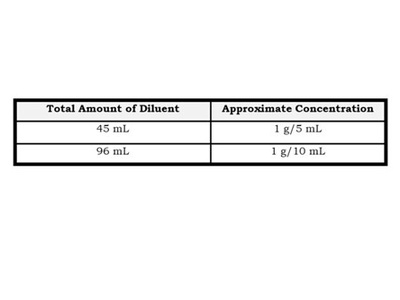
Cefazolin
IV first-generation cephalosporin commonly used for surgical prophylaxis and MSSA infections. Good Gram-positive and modest Gram-negative coverage. Not active against MRSA. Dose adjustments with renal impairment; allergic cross-reactivity possible in penicillin-allergic patients.
Cefuroxime
Second-generation cephalosporin with improved Gram-negative activity; used for respiratory, Lyme disease, and some skin infections. Oral and IV forms. Generally well tolerated; resistance via beta-lactamases and altered penicillin-binding proteins can reduce effectiveness.
Ceftriaxone
Third-generation cephalosporin with broad Gram-negative and good Gram-positive coverage; used for meningitis, severe pneumonia, sepsis, and gonorrhea. IV/IM. Long half-life allows once-daily dosing; avoid with neonatal jaundice and monitor for resistance like ESBLs.
Cefotaxime
Third-generation cephalosporin similar to ceftriaxone; used IV for severe infections including meningitis and sepsis. Broad Gram-negative activity. Requires multiple daily doses; watch for resistance from ESBL-producing organisms and allergic reactions in penicillin-sensitive patients.
Ceftazidime
Third-generation cephalosporin with strong anti-Pseudomonas activity; used for hospital-acquired infections and severe Gram-negative sepsis. IV only. Not ideal for many Gram-positive pathogens; resistance via ESBLs and Pseudomonas mechanisms increasingly problematic.
Cefepime
Fourth-generation cephalosporin with broad Gram-negative including Pseudomonas and improved Gram-positive coverage; used for severe nosocomial infections. IV only. Concern for neurotoxicity in renal impairment and rising resistance including ESBLs and carbapenemases.
Ceftaroline
Fifth-generation cephalosporin active against MRSA and common Gram-negative pathogens; used for complicated skin infections and community pneumonia. IV only. Adds MRSA coverage to beta-lactams but lacks Pseudomonas activity and may select resistant strains.
Ceftolozane-tazobactam
Novel cephalosporin combined with beta-lactamase inhibitor, potent against resistant Pseudomonas and some ESBL-producing Enterobacterales; used for complicated intra-abdominal and urinary infections. IV only. Reserved for resistant infections due to stewardship considerations.
Ceftazidime-avibactam
Combines ceftazidime with avibactam to inhibit many beta-lactamases including some carbapenemases; used for complicated intra-abdominal and urinary infections and nosocomial infections. IV only. Important for multidrug-resistant Gram-negative infections but costly and stewardship-restricted.
Imipenem
Carbapenem with very broad-spectrum activity against Gram-positive, Gram-negative, and anaerobes; used for severe, resistant infections and sepsis. IV only. Watch for seizures particularly with high doses or renal impairment and rising carbapenem-resistant organisms.
Meropenem
Broad-spectrum carbapenem effective against many multidrug-resistant Gram-negative and anaerobic pathogens; used for severe hospital infections and meningitis. IV only. Generally well-tolerated but selection pressure drives carbapenem resistance and some dose adjustment needed in renal impairment.
Ertapenem
Carbapenem with once-daily dosing effective for many Enterobacterales and anaerobes but lacks Pseudomonas and Acinetobacter activity; used for intra-abdominal, pelvic, and complicated urinary infections. IV/IM. Not suitable for Pseudomonas or some resistant pathogens.
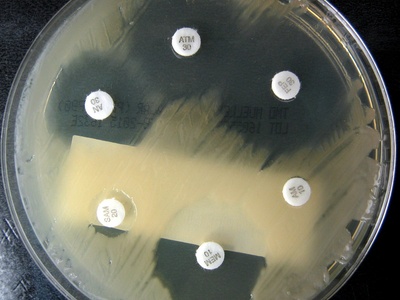
Aztreonam
Monobactam active primarily against aerobic Gram-negative rods including Pseudomonas; used in penicillin-allergic patients for severe Gram-negative infections. IV only. Limited Gram-positive and anaerobic activity; resistance can occasionally occur via beta-lactamases.
Gentamicin
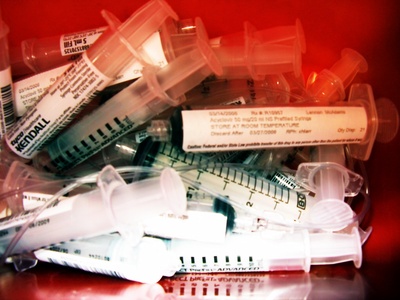
Aminoglycoside with strong activity against aerobic Gram-negative bacilli; used in severe sepsis and synergy for Enterococcus endocarditis. IV/IM. Nephrotoxicity and ototoxicity risks; therapeutic drug monitoring and renal dosing critical to minimize toxicity.
Tobramycin
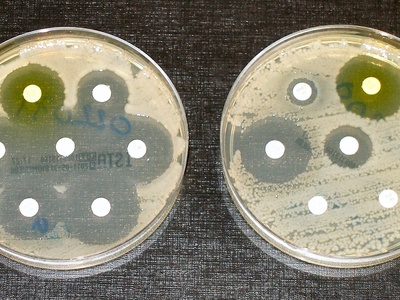
Aminoglycoside similar to gentamicin with potent anti-Pseudomonas activity; used for severe Gram-negative infections and inhaled formulations for cystic fibrosis. IV/IM or inhaled. Ototoxicity and nephrotoxicity risks; monitor levels and renal function.

Amikacin
Aminoglycoside with broad Gram-negative coverage including many resistant strains; used for severe multidrug-resistant infections. IV/IM. Significant nephrotoxicity and ototoxicity risk; reserved for resistant organisms and requires therapeutic monitoring and dosing adjustments.
Doxycycline
Tetracycline with broad activity against atypicals, some Gram-positives and Gram-negatives; used for respiratory infections, acne, and tick-borne illnesses. Oral and IV. Photosensitivity, tooth discoloration in children, and growing tetracycline resistance in some pathogens.
Tetracycline
Older tetracycline used for acne, some respiratory and atypical infections. Oral. Less commonly used due to side effects like photosensitivity and tooth staining and because doxycycline often preferred for improved dosing and tolerability.

Minocycline
Tetracycline derivative with good tissue penetration used for acne, skin infections, and some atypical infections. Oral and IV. May cause dizziness, vestibular effects, and pigmentation; similar resistance concerns as other tetracyclines.
Azithromycin
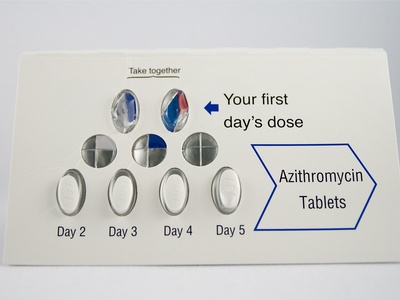
Macrolide with activity against respiratory pathogens and atypicals; used for community-acquired respiratory infections and some STIs. Oral and IV. Long tissue half-life allows short courses; can prolong QT interval and rising macrolide resistance is common.
Clarithromycin
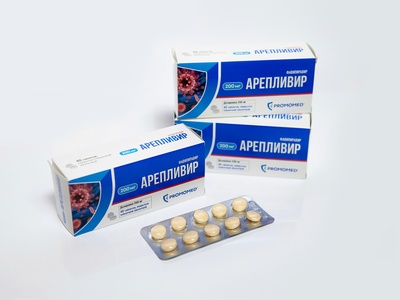
Macrolide used for respiratory infections, H. pylori eradication, and atypical pathogens. Oral and IV. Interacts with many drugs via CYP3A4 inhibition; may prolong QT and increasing macrolide resistance limits utility for some infections.
Erythromycin
Older macrolide used for some respiratory infections and as a prokinetic agent; oral and IV forms. More gastrointestinal side effects and drug interactions than newer macrolides; resistance among common pathogens is increasing.
Clindamycin
Lincosamide active against many Gram-positive cocci and anaerobes; used for skin, dental, and some anaerobic infections. Oral and IV. Risk of Clostridioides difficile infection is significant; resistance in staphylococci and streptococci can occur.
Linezolid
Oxazolidinone effective against MRSA and VRE; used for complicated skin and resistant Gram-positive infections. Oral and IV. Can cause bone marrow suppression, peripheral neuropathy, and interacts as a monoamine oxidase inhibitor with serotonergic agents.
Tigecycline
Glycylcycline antibiotic with broad activity including multidrug-resistant Gram-positives and some Gram-negatives; used for complicated skin and intra-abdominal infections. IV only. Low blood levels; not recommended for bloodstream infections and associated with higher mortality signal in some studies.
Colistin
Polymyxin antibiotic active against many multidrug-resistant Gram-negative bacilli including CRE; used as salvage therapy for severe resistant infections. IV and inhaled. Nephrotoxicity and neurotoxicity are common; dosing complex and resistance is emerging.
Polymyxin B
Polymyxin with activity against multidrug-resistant Gram-negative organisms; used IV for severe resistant infections. Similar nephrotoxicity and neurotoxicity risks to colistin; often reserved for last-line therapy and requires careful dosing and monitoring.
Trimethoprim-sulfamethoxazole
Combination folate synthesis inhibitor effective for urinary tract, Pneumocystis jirovecii prophylaxis/treatment, some skin infections, and certain respiratory infections. Oral and IV. Watch for allergic reactions, bone marrow suppression, hyperkalemia, and rising resistance in common uropathogens.
Nitrofurantoin
Oral nitrofuran antibiotic used primarily for uncomplicated lower urinary tract infections. Concentrates in urine; not suitable for systemic or upper urinary infections. Avoid in severe renal impairment and long-term use can cause pulmonary or hepatic toxicity.
Fosfomycin
Phosphonic acid antibiotic inhibiting cell wall synthesis; oral single-dose for uncomplicated UTI and IV formulations used for multidrug-resistant infections. Generally well tolerated; rising resistance reported and stewardship advised for IV use in severe infections.
Metronidazole
Nitroimidazole effective against anaerobes and certain protozoa; used for intra-abdominal, pelvic, and C. difficile infections. Oral and IV. Disulfiram-like reaction with alcohol, metallic taste, and rare neurotoxicity with prolonged use; resistance uncommon but increasing in some contexts.
Vancomycin
Glycopeptide active against Gram-positive bacteria including MRSA and C. difficile (oral for C. difficile). IV for systemic infections. Monitor trough/levels due to nephrotoxicity and red-man syndrome risk; use stewardship to limit vancomycin-resistant enterococci emergence.

Teicoplanin
Glycopeptide similar to vancomycin with activity against Gram-positives including MRSA; used IV/IM for serious infections. Longer half-life allows once-daily dosing. Monitor for nephrotoxicity and potential allergic reactions; not available in all countries.
Daptomycin
Cyclic lipopeptide active against Gram-positive organisms including MRSA and VRE; used for bloodstream and complicated skin infections. IV only. Inactivated by pulmonary surfactant (not for pneumonia); monitor creatine kinase for myopathy.
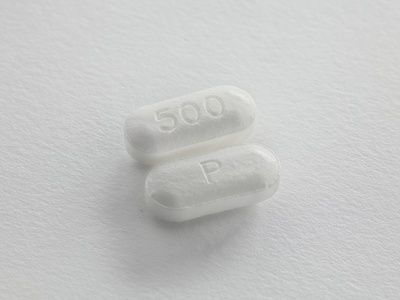
Ciprofloxacin
Fluoroquinolone with strong Gram-negative and Pseudomonas activity; used for complicated UTIs, GI infections, and some respiratory infections. Oral and IV. Associated with tendinopathy, QT prolongation, and rising resistance; avoid unnecessary use in stewardship.
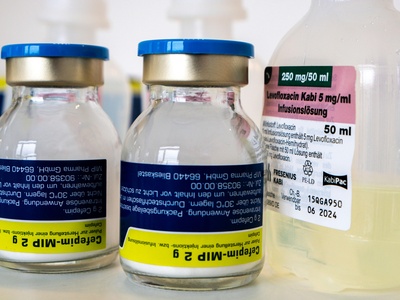
Levofloxacin
Respiratory fluoroquinolone with good activity against atypicals and Gram-negatives; used for community-acquired pneumonia and complicated UTIs. Oral and IV. Similar safety concerns as other fluoroquinolones and rising resistance limit routine use.
Moxifloxacin
Fluoroquinolone with enhanced activity against Gram-positives and anaerobes; used for respiratory infections and complicated intra-abdominal infections in some settings. Oral and IV. Not a first-line for many infections due to safety concerns and growing resistance.
Rifampicin
Rifamycin antibiotic used in tuberculosis, staphylococcal prosthetic device infections, and combination therapy; oral and IV. Potent CYP inducer causing many drug interactions and hepatotoxicity risk; resistance emerges rapidly if used as monotherapy.
Isoniazid
Core antitubercular agent inhibiting mycolic acid synthesis; oral therapy for latent and active tuberculosis. Liver toxicity and peripheral neuropathy are notable adverse effects; pyridoxine commonly co-prescribed to reduce neuropathy. Resistance via katG and inhA mutations.
Pyrazinamide
First-line antitubercular drug used in combination regimens for active tuberculosis; oral. Works in acidic environments and shortens therapy duration. Hepatotoxicity and hyperuricemia are notable adverse effects; resistance can occur via pncA mutations.
Ethambutol
Antitubercular agent used in combination therapy; oral. Active against Mycobacterium tuberculosis to prevent resistance development. Can cause optic neuritis and visual acuity changes; monitor vision regularly and use with other TB drugs to reduce resistance emergence.
Streptomycin
Aminoglycoside historically used for tuberculosis and severe Gram-negative infections; IM or IV. Nephrotoxicity and ototoxicity risks limit use; still occasionally recommended in some multidrug-resistant TB regimens and selected severe infections.
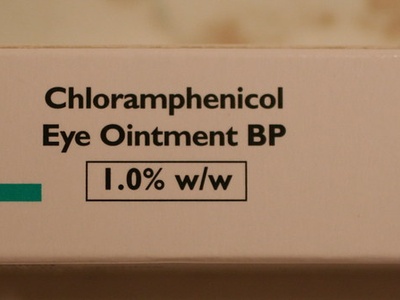
Chloramphenicol
Broad-spectrum antibiotic effective against many Gram-positive, Gram-negative, and anaerobic organisms; oral and IV. Rare but serious aplastic anemia and bone marrow suppression limit use; still used in severe infections where alternatives unavailable.