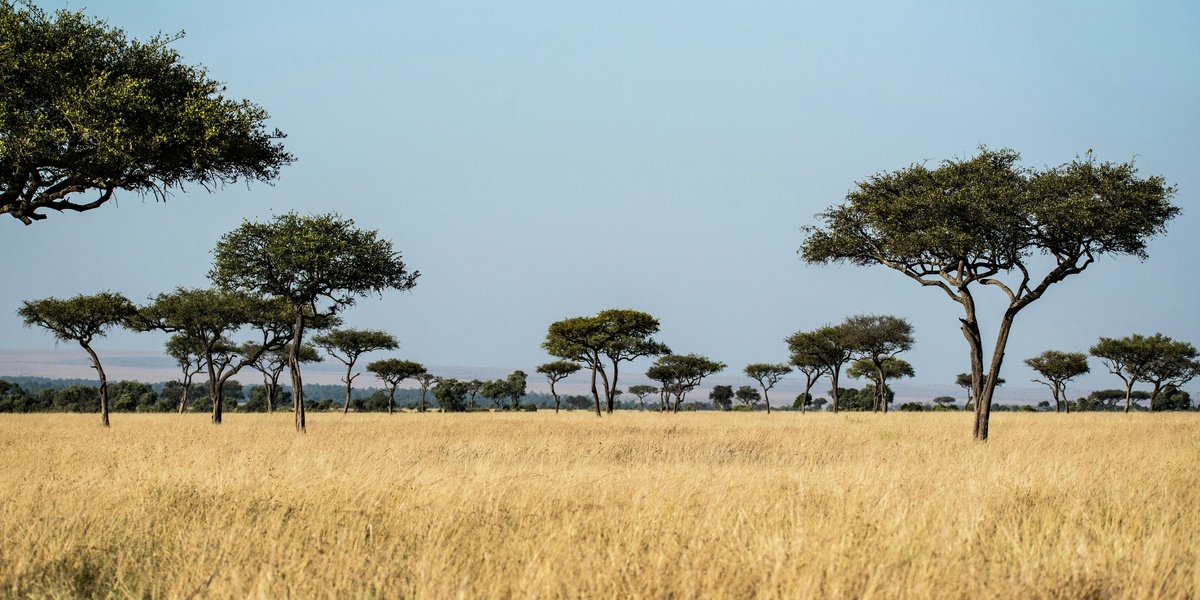
Savannas cover roughly 20% of Earth’s land surface and support a mix of grasses, scattered trees, and abundant wildlife (see FAO estimates).
But many common beliefs about these landscapes are misleading—this piece debunks 10 persistent myths about savannas and replaces them with concise, evidence-based explanations that matter for conservation and land management.
We’ll look at ecological, fire and climate, and human-conservation myths, and show why accurate thinking changes outcomes for wildlife, people, and carbon storage.
Ecology and Biodiversity Myths
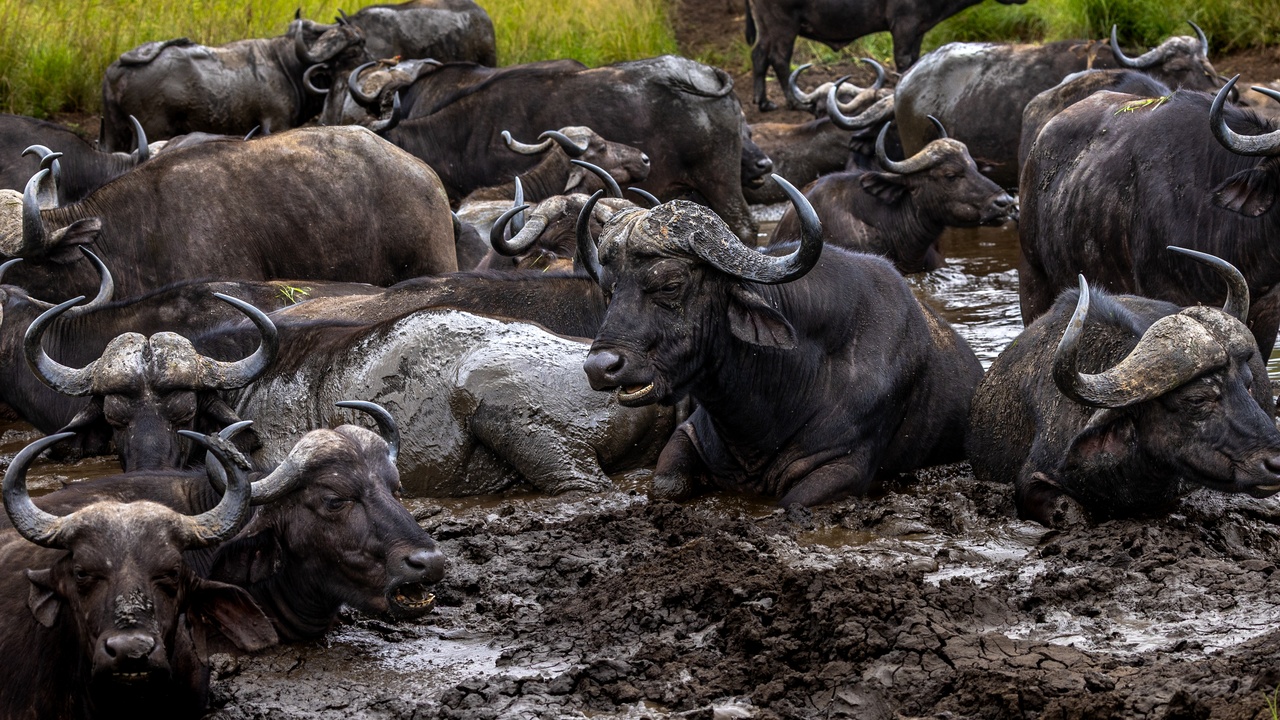
Savannas are complex ecosystems where grasses, trees, herbivores, insects, soils, and people interact across space and time.
Many myths come from cursory observations or from focusing on one region; in reality savannas range from the tree-grass mosaics of the Serengeti (the broader Serengeti ecosystem is roughly 30,000 km²) to more open, grassy systems under heavy grazing pressure.
Understanding this complexity is essential for effective restoration, fire management, and biodiversity protection—decisions based on simplistic assumptions often fail on the ground.
1. Savannas are just empty grasslands
That’s not true. Savannas are mosaics of grasses, shrubs, and trees with distinct patches that provide varied niches for animals and plants.
Tree clusters, termite mounds, seasonal wetlands, and grassy plains form a patchwork that supports specialist species—giraffes browse acacias, impala use mixed browse and graze, and many ground‑nesting birds rely on low grass swards adjacent to trees.
Calling savannas “empty” has policy consequences: it can justify conversion or poor restoration practices that reduce habitat heterogeneity and harm biodiversity (look to the Serengeti and Kruger for contrasting management outcomes).
2. Trees are dying out in savannas due to drought alone
Drought is a factor, but tree cover in savannas is controlled by multiple interacting drivers: fire frequency, herbivory (wild and domestic), soils, and land use.
For example, elephant herbivory can suppress tree recruitment—individual elephants may consume on the order of 100–300 kg of vegetation per day (see WWF)—and repeated browsing interacts with frequent fire to limit sapling survival.
Attributing tree loss only to drought can misdirect interventions; effective management often requires adjusting fire regimes or grazing pressure rather than assuming water scarcity is the sole cure.
3. Savannas have low biodiversity compared with forests
Biodiversity comparisons depend on how you measure it. Savannas can have high beta and functional diversity and support massive populations of large mammals.
The Serengeti hosts one of the largest ungulate assemblages on Earth—consider the annual wildebeest migration—and savannas often support rich insect communities (termite mounds alone increase plant heterogeneity and nutrient hotspots).
Some taxonomic groups thrive in open, fire‑prone systems, so counting species only by forest versus non‑forest totals misses the ecological value savannas provide.
4. Grasses are all the same and ecologically unimportant
Grasses differ markedly in physiology and function: C3 and C4 grasses follow different photosynthetic pathways, which affects seasonal growth, water use, and forage quality.
Species like Themeda triandra or various Andropogon spp. vary in rooting depth, flammability, and palatability, which shapes fire behavior, grazing patterns, and soil carbon inputs.
Ignoring grass diversity leads to poor restoration or rangeland decisions; selecting appropriate species matters for erosion control, forage resilience, and carbon outcomes.
Fire, Climate, and Landscape Dynamics Myths
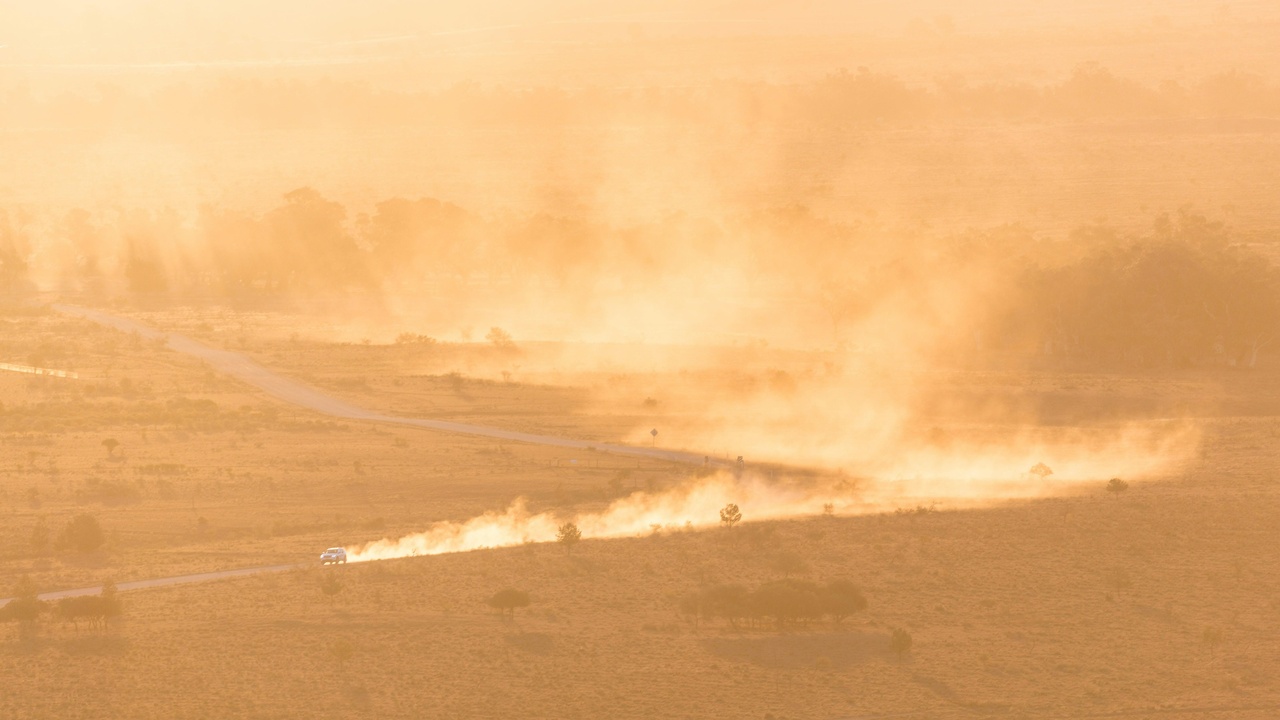
Fire, rainfall, soils, herbivores, and people interact to shape savanna structure. Simplistic views about fire or climate can obscure practical management choices.
Traditional fire knowledge—such as Aboriginal mosaic burning in northern Australia (documented by CSIRO)—and modern prescribed‑burn programs show how people can manage fire to maintain biodiversity and reduce megafire risk.
Climate projections matter, but local soils and land use will modulate how any given savanna responds to changing rainfall and temperature (see regional IPCC assessments for specifics).
5. Fire is always destructive in savannas
Actually, many savanna systems evolved with frequent, low‑intensity fires that maintain the tree‑grass balance and recycle nutrients.
In parts of Africa and Australia the typical fire return interval may be as short as 1–3 years in grassy zones, and regular, patchy burning prevents fuel buildup that leads to severe, landscape‑scale fires.
Suppression, like excluding all fire, can cause woody encroachment in some places or produce more damaging fires later—hence prescribed burns (for example, programs in Kruger National Park) are a key tool.
6. Savannas are resilient to any climate change
Savannas are adapted to variability, but resilience has limits. Crossing ecological thresholds can produce rapid shifts—woody encroachment in parts of southern Africa or increased aridification in the Sahel are examples.
Projected changes in rainfall seasonality and temperature (see IPCC regional work) will interact with grazing, fire, and land use to yield different outcomes by region.
Managers need localized climate and land‑use data to plan adaptive strategies instead of assuming blanket resilience everywhere.
7. Rainfall alone determines savanna type
Rainfall is critical, but soil fertility, disturbance regimes (fire and grazing), topography, and human land use strongly modify vegetation outcomes.
Neighboring sites with similar annual rainfall can look very different when soil depth or grazing history changes the tree‑grass balance.
Practically, that means restoration and management must diagnose the local limiting factors—water is rarely the only answer.
Human Interaction and Conservation Myths
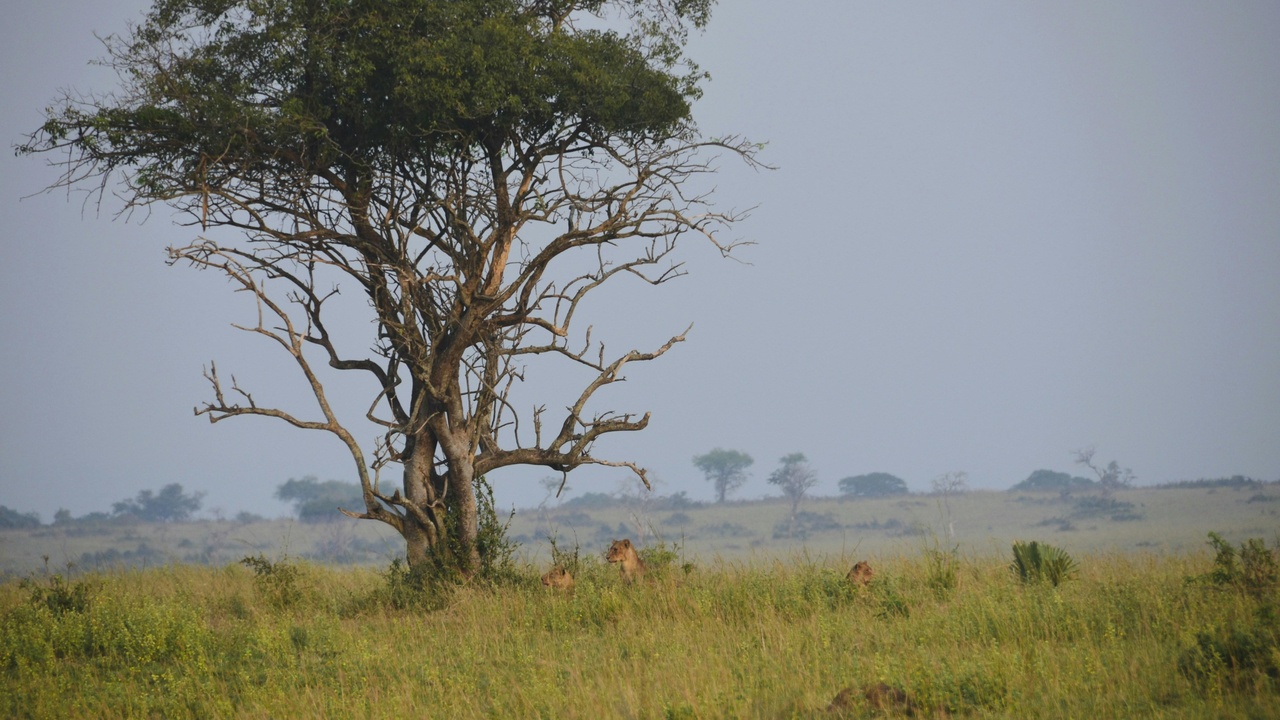
Humans have long shaped savannas, and portraying livelihoods and conservation as always in conflict creates damaging narratives.
Evidence shows community-based approaches can deliver biodiversity and socioeconomic benefits, while recognizing the full suite of savanna ecosystem services—pastoralism, fuelwood, medicinal plants, carbon, and water regulation—broadens policy options.
Addressing myths about savannas leads to more durable, equitable outcomes for people and nature.
8. Local people are always enemies of savanna conservation
That stereotype is false. In Namibia and elsewhere, community conservancies have shown how local stewardship can recover wildlife and generate income.
Programs that secure rights and offer incentives—co‑management, conservancies, and payment‑for‑ecosystem‑service pilots—often outperform exclusionary models (see case studies summarized by IUCN and regional reports).
Excluding locals tends to undermine long‑term conservation; involving them can create win‑wins for biodiversity and livelihoods.
9. Tourism is the only economic value of savannas
Tourism can be important, but savannas underpin many other livelihoods: pastoralism supports millions, fuelwood and non‑timber products supply households, and carbon projects can diversify local income.
Recognizing the full economic value of savannas—beyond a single sector—changes incentive structures and policy choices for better land stewardship.
10. Restoration of degraded savannas is impossible or too costly
Restoration is challenging but feasible with targeted, locally tailored approaches: managed grazing, reseeding native grasses, erosion control, and selective tree planting.
Cost‑effectiveness improves when projects engage communities, use payments for ecosystem services, and combine small interventions for measurable recovery (for instance, rotational grazing pilots in East Africa have improved forage and livelihoods at modest cost).
Framing restoration as impossible overlooks scalable, practical tools that already deliver results on the ground.
Summary
- Savannas—covering roughly 20% of the land surface—are structured mosaics that support high‑value biodiversity and diverse livelihoods rather than being “empty” grasslands.
- Fire, herbivores (elephants can eat on the order of 100–300 kg per day), soils, and people jointly shape savanna outcomes; simple single‑factor explanations usually miss the real drivers.
- Local partnerships and adaptive, evidence‑based management—examples include Namibia’s communal conservancies and prescribed burn programs in Kruger—produce better conservation and socioeconomic results than exclusionary or one‑size‑fits‑all policies.
- Practical takeaway: support community‑led initiatives and advocate for science‑based fire and grazing management to sustain both biodiversity and livelihoods.
- Question myths about savannas; accurate understanding changes what’s possible for restoration, climate adaptation, and rural economies.