Oxidation reactions show up everywhere—from rust on outdoor metal to the reactions powering fuel cells and metabolism. Seeing a range of specific examples side by side makes it easier to spot patterns in electron flow, common oxidants, and how organic versus inorganic systems behave.
There are 20 Examples of Oxidation Reactions, ranging from Aldehyde aerobic oxidation to acid to Water electrolysis (overall). For each entry I list the Balanced equation, Reaction type, and Oxidation number change so you can compare stoichiometry and electron transfer at a glance; you’ll find below.
How do I tell which species was oxidized in a given reaction?
Look for the substance whose oxidation number increases—oxidation means loss of electrons. Use the Oxidation number change column to spot that increase quickly; the balanced equation and Reaction type give context (for example, metal → metal ion in corrosion or alcohol → carbonyl in organic oxidations).
Will the listed equations be balanced and ready to use for stoichiometry?
Yes—the Balanced equation column shows mass- and charge-balanced reactions as presented; for redox in solution you may see overall reactions rather than half-reactions, with electron transfers summarized in the Oxidation number change column to help with stoichiometric calculations.
Examples of Oxidation Reactions
| Name | Balanced equation | Reaction type | Oxidation number change |
|---|---|---|---|
| Methane combustion | CH4(g)+2O2(g)->CO2(g)+2H2O(l) | organic | C: -4 -> +4 |
| Ethanol combustion | C2H5OH(l)+3O2(g)->2CO2(g)+3H2O(l) | organic | C (avg): -2 -> +4 |
| Rust formation (iron oxidation) | 4Fe(s)+3O2(g)->2Fe2O3(s) | inorganic | Fe: 0 -> +3 |
| Hydrogen oxidation (to water) | 2H2(g)+O2(g)->2H2O(l) | inorganic | H: 0 -> +1 |
| SO2 oxidation (contact process) | 2SO2(g)+O2(g)->2SO3(g) | industrial | S: +4 -> +6 |
| Water electrolysis (overall) | 2H2O(l)->2H2(g)+O2(g) | electrochemical | O: -2 -> 0 |
| Ammonia oxidation (Ostwald process) | 4NH3(g)+5O2(g)->4NO(g)+6H2O(l) | industrial | N: -3 -> +2 |
| Carbon monoxide oxidation | 2CO(g)+O2(g)->2CO2(g) | inorganic | C: +2 -> +4 |
| Glucose oxidation (cellular respiration) | C6H12O6(aq)+6O2(g)->6CO2(g)+6H2O(l) | biochemical | C (avg): 0 -> +4 |
| Ethanol -> acetaldehyde (catalytic oxidation) | 2C2H5OH(l)+O2(g)->2CH3CHO(l)+2H2O(l) | organic | one C: -1 -> +1 |
| Aldehyde aerobic oxidation to acid | 2CH3CHO(l)+O2(g)->2CH3COOH(aq) | organic | C (aldehyde): +1 -> +3 |
| Hydrogen sulfide oxidation to sulfur | 2H2S(g)+O2(g)->2S(s)+2H2O(l) | inorganic | S: -2 -> 0 |
| Ferrous to ferric oxidation by O2 | 4Fe2+(aq)+O2(g)+4H+(aq)->4Fe3+(aq)+2H2O(l) | inorganic | Fe: +2 -> +3 |
| Chlor-alkali electrolysis (brine) | 2NaCl(aq)+2H2O(l)->H2(g)+Cl2(g)+2NaOH(aq) | electrochemical | Cl: -1 -> 0 |
| Nitric oxide oxidation to nitrogen dioxide | 2NO(g)+O2(g)->2NO2(g) | inorganic | N: +2 -> +4 |
| Benzyl alcohol oxidation to benzaldehyde | 2C6H5CH2OH(l)+O2(g)->2C6H5CHO(l)+2H2O(l) | organic | benzylic C: -1 -> +1 |
| Sulfite to sulfate oxidation (aqueous) | 2SO3^2-(aq)+O2(g)->2SO4^2-(aq) | inorganic | S: +4 -> +6 |
| Tollen’s test (aldehyde oxidation) | RCHO(aq)+2Ag(NH3)2+(aq)+3OH-(aq)->RCOO-(aq)+2Ag(s)+4NH3(aq)+2H2O(l) | organic | C: +1 -> +3 |
| Copper oxidation by nitric acid | 3Cu(s)+8HNO3(aq)->3Cu(NO3)2(aq)+2NO(g)+4H2O(l) | inorganic | Cu: 0 -> +2 |
| Iodide oxidation by chlorine | 2I-(aq)+Cl2(g)->I2(s)+2Cl-(aq) | inorganic | I: -1 -> 0 |
Images and Descriptions
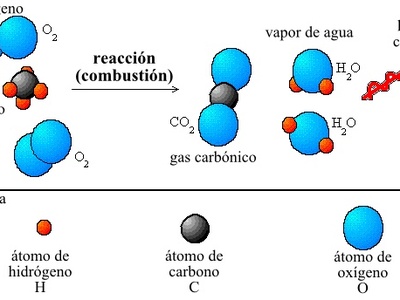
Methane combustion
Methane burns in oxygen, carbon atoms lose electrons to form CO2 while hydrogen is oxidized to water. This common combustion reaction powers homes and turbines and illustrates complete oxidation of a hydrocarbon to CO2 and H2O.
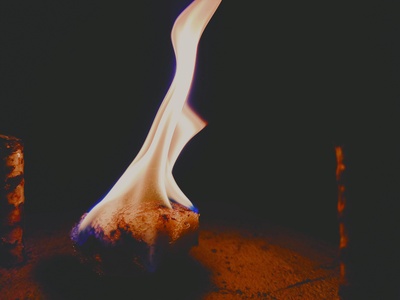
Ethanol combustion
Burning ethanol converts its carbon into CO2 and hydrogen into water via electron transfer to oxygen. It’s relevant for biofuel energy, stove fuels, and safety considerations where alcohol fires produce heat and greenhouse gases.
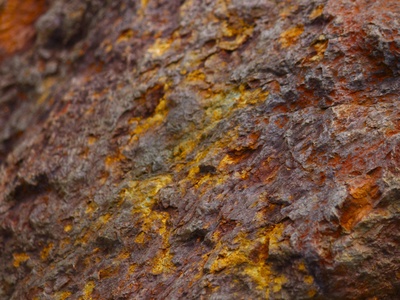
Rust formation (iron oxidation)
Iron metal reacts with oxygen to form iron(III) oxide; iron atoms lose electrons (are oxidized) and combine with oxygen. Rusting degrades structures, bridges and tools and is a major materials and maintenance concern worldwide.

Hydrogen oxidation (to water)
Hydrogen atoms lose electrons to form water when H2 reacts with O2; it’s a clean energy reaction producing only water. This underpins fuel-cell chemistry and hydrogen combustion as an energy source.
SO2 oxidation (contact process)
Sulfur dioxide is oxidized to sulfur trioxide over a V2O5 catalyst; sulfur increases oxidation state and oxygen accepts electrons. This industrial step is crucial for sulfuric acid manufacture, a high-volume chemical in many industries.
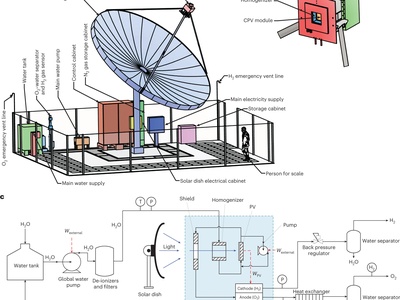
Water electrolysis (overall)
Applying electricity oxidizes water at the anode to produce oxygen and reduces water at the cathode to produce hydrogen. This redox pair is central to green hydrogen production and energy storage technologies.
Ammonia oxidation (Ostwald process)
Ammonia is oxidized to nitric oxide over a platinum catalyst, with nitrogen losing electrons. This industrial oxidation is the first step in making nitric acid, vital for fertilizers and explosives.
Carbon monoxide oxidation
Carbon monoxide is oxidized to carbon dioxide as carbon atoms gain positive oxidation numbers. This reaction is exploited in catalytic converters to reduce CO emissions from engines and in air purification.
Glucose oxidation (cellular respiration)
Cells oxidize glucose to CO2 and water, transferring electrons to oxygen to release energy stored in ATP. This central biochemical oxidation powers life, exercise metabolism, and many medical and biological studies.
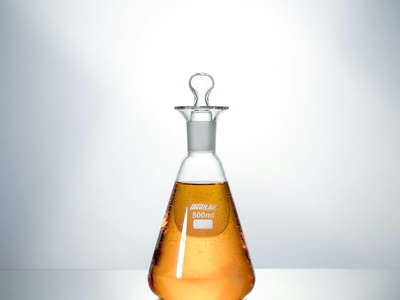
Ethanol -> acetaldehyde (catalytic oxidation)
Catalytic oxidation converts ethanol to acetaldehyde by removing electrons (oxidizing the alcohol’s alpha carbon). It’s used in chemical manufacturing and as a step in producing flavors, fragrances, and intermediate chemicals.
Aldehyde aerobic oxidation to acid
Aldehyde carbon is further oxidized to a carboxylic acid using oxygen; electrons flow to O2. This mild aerobic oxidation is relevant in green oxidation methods and in aging processes like ethanol to acetic acid.
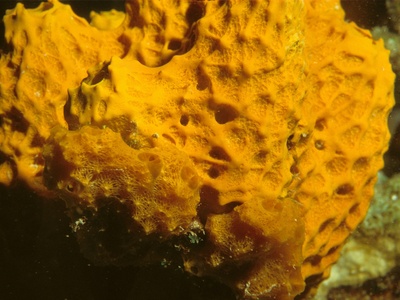
Hydrogen sulfide oxidation to sulfur
Hydrogen sulfide loses electrons as sulfur atoms are formed and water results. This oxidation removes toxic H2S from industrial gas streams and occurs in natural sulfur cycles and some wastewater treatments.
Ferrous to ferric oxidation by O2
Dissolved iron(II) is oxidized to iron(III) by oxygen in acidic water; iron atoms lose electrons. This redox process affects water chemistry, corrosion, and iron cycling in soils and aquatic systems.
Chlor-alkali electrolysis (brine)
Electrolysis oxidizes chloride ions to chlorine at the anode while producing hydrogen and sodium hydroxide. This industrial electrochemical oxidation is the basis for large-scale chlorine and caustic soda production.
Nitric oxide oxidation to nitrogen dioxide
NO is oxidized by oxygen to NO2, with nitrogen losing electrons. This atmospheric oxidation is important in air pollution chemistry, smog formation, and the environmental impact of combustion sources.
Benzyl alcohol oxidation to benzaldehyde
The benzylic carbon of benzyl alcohol is oxidized to an aldehyde using oxygen; electrons transfer to O2. This selective oxidation is used in organic synthesis and in producing fragrances and fine chemicals.
Sulfite to sulfate oxidation (aqueous)
Sulfite ions are oxidized to sulfate, increasing sulfur’s oxidation state. This reaction matters in flue-gas desulfurization, water chemistry, and atmospheric sulfur cycling where sulfite is converted to more stable sulfate.
Tollen’s test (aldehyde oxidation)
Aldehydes reduce silver-ammonia complex while being oxidized to carboxylates; carbon loses electrons. The Tollen’s test is a classic qualitative lab reaction used to detect aldehydes by a silver mirror.
Copper oxidation by nitric acid
Copper metal is oxidized by nitric acid, producing copper(II) nitrate and nitrogen oxides as oxygen accepts electrons. This demonstrates metal oxidation by strong oxidizers and is relevant in metal corrosion and laboratory chemistry.
Iodide oxidation by chlorine
Chlorine oxidizes iodide ions to iodine while being reduced to chloride; iodide atoms lose electrons. This displacement oxidation is used in qualitative tests, water treatment chemistry, and halogen displacement demonstrations.