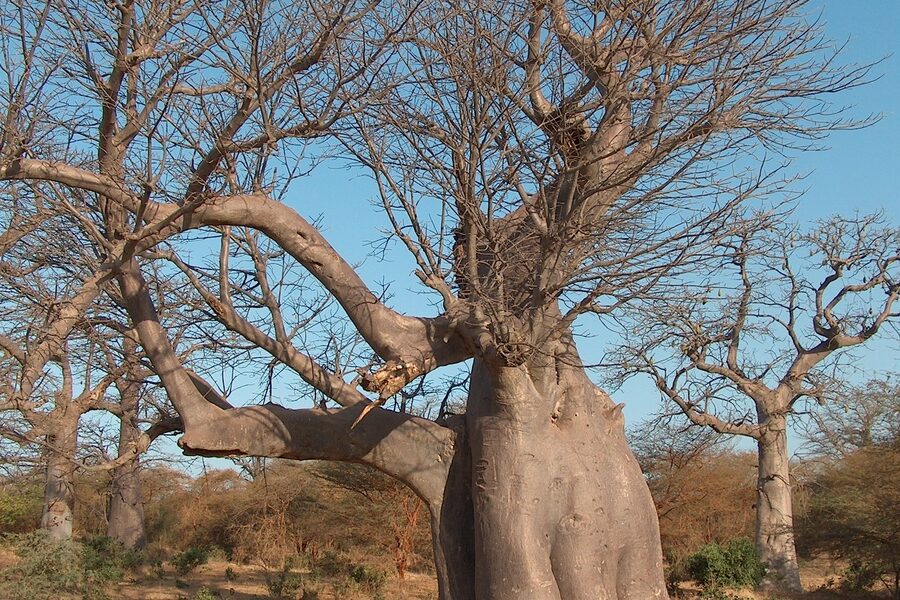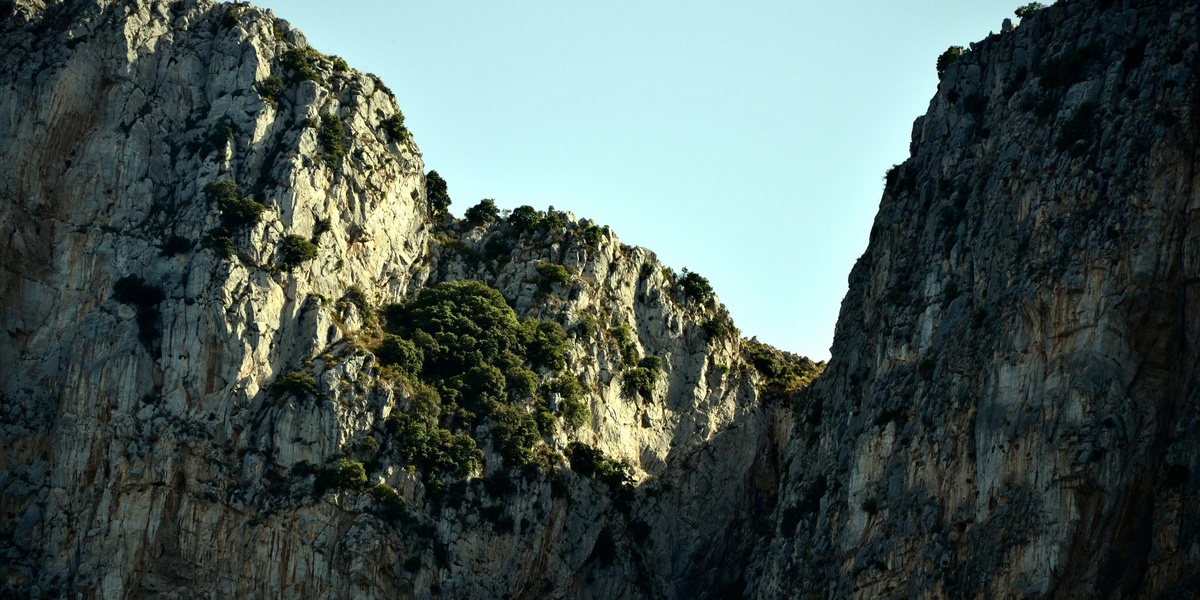
Europe’s landscapes—from island cliffs to alpine meadows—hold plant species you won’t find anywhere else. Many of these endemics survive in small, specific habitats and tell a lot about the region’s geological and climatic history.
There are 6 Endemic Plants of Europe, ranging from the Azores juniper to the Tower of jewels. For each species, you’ll find below a concise entry organized with Scientific name,Range (countries/regions),Conservation status (IUCN), and practical notes you’ll find below.
How threatened are these endemic plants?
Because they occupy limited ranges, many endemics face higher risks from habitat loss, invasive species and climate change; check the listed IUCN status to see which are Vulnerable or Endangered, and look for conservation measures like protected areas, seed banking and restoration projects in their native regions.
Can I visit sites to see these species in the wild?
Yes, but sightings depend on location and season—islands and mountain reserves are common spots—so consult local guides or reserve websites, respect access rules and seasonal restrictions, and avoid disturbing plants or sensitive habitats when you go.
Endemic Plants of Europe
| Common name | Scientific name | Range (countries/regions) | Conservation status (IUCN) |
|---|---|---|---|
| Gibraltar campion | Silene tomentosa | Gibraltar (Rock of Gibraltar) | Critically Endangered |
| Azores juniper | Juniperus brevifolia | Azores (Portugal) | Endangered |
| Parrot’s beak | Lotus berthelotii | Canary Islands (Spain) | Extinct in the Wild / Critically Endangered in wild populations |
| Tower of jewels | Echium wildpretii | Tenerife, Canary Islands (Spain) | Vulnerable |
| La Palma giant pride-of-Madeira | Echium pininana | La Palma (Canary Islands, Spain) | Vulnerable |
| Azores laurel | Laurus azorica | Azores and Madeira (Portugal) | Least Concern |
Images and Descriptions
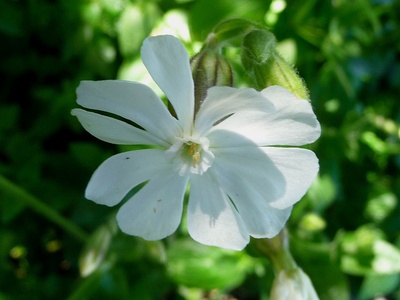
Gibraltar campion
A striking, cushion-forming pink-flowered plant known only from the Rock of Gibraltar. It was once thought extinct in the wild and survives through reintroduction efforts; a high-profile conservation symbol for tiny-range European endemics.

Azores juniper
A small, island pine-like conifer native only to the Azores. It forms cloud-forest stands on several islands and is threatened by habitat loss and invasive plants, making it a conservation priority for Macaronesian forests.
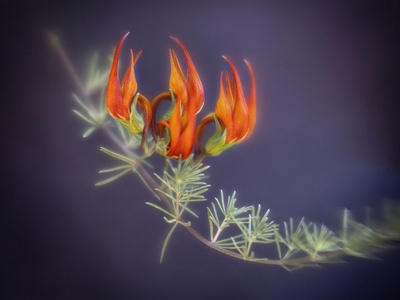
Parrot’s beak
A low, trailing shrub with bright orange, beak-shaped flowers once common on Canary cliffs; now effectively extinct in the wild and known from cultivation, with conservation efforts focused on reintroduction to native cliffs.
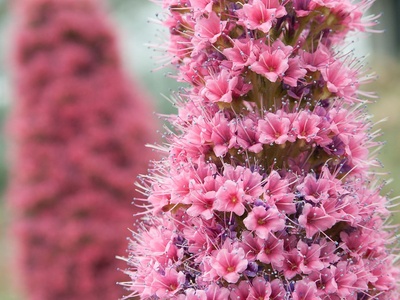
Tower of jewels
A dramatic rosette with tall, red-flushed spires of flowers around Mount Teide. This iconic Tenerife endemic attracts pollinators and visitors but is vulnerable from its narrow range and trampling; a signature Canary Island alpine species.
La Palma giant pride-of-Madeira
A spectacular tree-like Echium with towering flower spikes, native to La Palma’s ravines. Prized in gardens worldwide, wild populations are limited and vulnerable to habitat change and grazing; notable for its dramatic floral display.
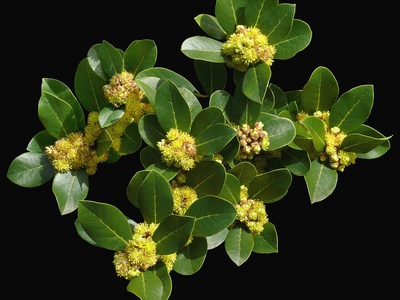
Azores laurel
A small evergreen tree forming laurel forest stands across Macaronesia (Azores, Madeira). Important for island ecosystems and endemic to Macaronesia, it is relatively widespread and currently of lower extinction risk though locally impacted by land use.